The keyword 454 engine specs by year reveals one of the most iconic stories in American automotive history. The Chevy 454 big block started as a high performance engine in 1970. Over time, it evolved into a more efficiency focused machine by the late 1990s. Despite these changes, it never lost its reputation for power and durability.
Many enthusiasts and builders struggle to find accurate data about 454 horsepower and torque by year. Most sources provide incomplete numbers or lack proper context. This often leads to confusion when choosing the right engine for restoration or performance builds.
This guide provides a clear and structured breakdown of 454 engine specs from 1970 to 2000. You will learn how horsepower and torque changed across each era. You will also understand the differences between LS5, LS6, and later versions. By the end, you will know which 454 engines deliver the best performance and why they still matter today.
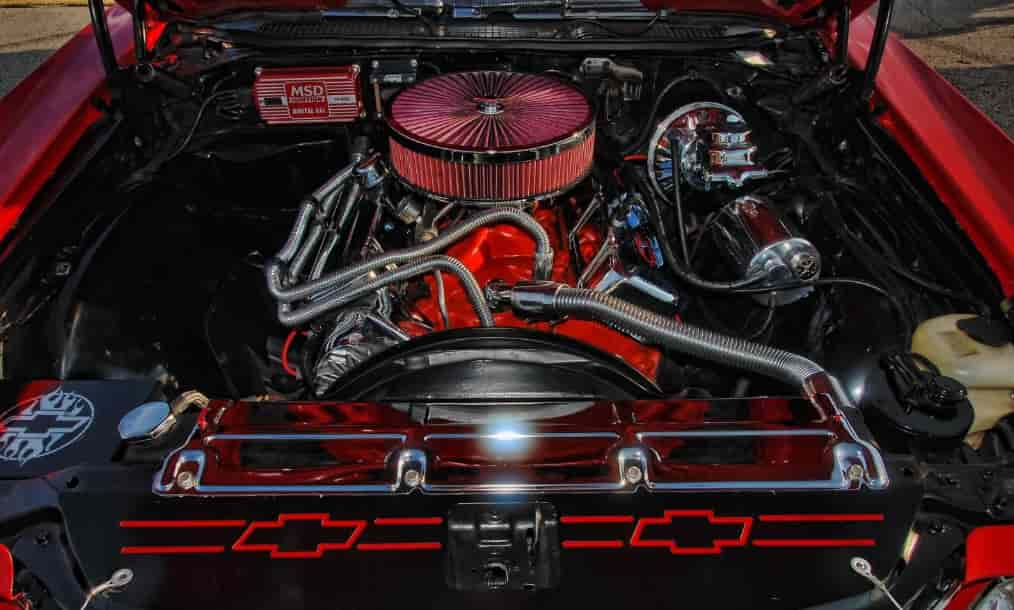
What Is the Chevy 454 Engine
The Chevy 454 engine is part of the famous Big Block Chevy family. It features a displacement of 454 cubic inches, which equals 7.4 liters. This large displacement allows the engine to produce strong torque and impressive low end power.
Chevrolet introduced the 454 engine in 1970 during the peak of the muscle car era. It quickly became one of the most powerful engines available at the time. Two main variants defined its early success. The LS5 offered a balance between power and drivability. The LS6 delivered extreme performance and targeted serious enthusiasts who wanted maximum horsepower.
Manufacturers installed the 454 engine in several iconic vehicles. These included the Chevelle SS, Corvette, and later many heavy duty trucks. While early versions focused on raw power, later models shifted toward reliability and efficiency. This change happened as emission regulations became stricter in the 1970s and 1980s.
Today, the 454 engine still attracts collectors and builders. Many people value its strong torque output and classic big block sound. Even with modern engine technology, the 454 remains a symbol of American performance engineering.
454 Engine Specs By Year Chart (1970–2000)
The 454 engine specs by year show a clear evolution in performance, efficiency, and engineering priorities. In the early 1970s, Chevrolet focused on maximum horsepower. Over time, stricter emission laws forced a shift toward lower compression and reduced output. By the 1990s, the engine improved drivability with fuel injection systems.
Below is a complete and easy to read 454 engine specs chart by year, including horsepower, torque, and key variants.
454 Engine Specs By Year Table
| Year | Variant | Horsepower | Torque (lb-ft) | Compression Ratio |
|---|---|---|---|---|
| 1970 | LS5 | 360 HP | 500 lb-ft | 10.25:1 |
| 1970 | LS6 | 450 HP | 500 lb-ft | 11.25:1 |
| 1971 | LS5 | 365 HP | 465 lb-ft | 8.5:1 |
| 1971 | LS6 | 425 HP | 475 lb-ft | 9.0:1 |
| 1972 | LS5 | 270 HP | 390 lb-ft | 8.5:1 |
| 1973 | LS4 | 275 HP | 390 lb-ft | 8.25:1 |
| 1974 | LS4 | 270 HP | 390 lb-ft | 8.25:1 |
| 1975 | LS4 | 215 HP | 360 lb-ft | 8.25:1 |
| 1976 | LS4 | 225 HP | 360 lb-ft | 8.25:1 |
| 1977 | Truck | 240 HP | 385 lb-ft | 8.25:1 |
| 1978 | Truck | 230 HP | 360 lb-ft | 8.2:1 |
| 1979 | Truck | 230 HP | 360 lb-ft | 8.2:1 |
| 1980 | Truck | 230 HP | 360 lb-ft | 8.2:1 |
| 1985 | Truck | 230 HP | 385 lb-ft | 8.0:1 |
| 1990 | Truck EFI | 230 HP | 385 lb-ft | 8.0:1 |
| 1995 | Vortec 7400 | 290 HP | 410 lb-ft | 8.0:1 |
| 2000 | Vortec 7400 | 290 HP | 410 lb-ft | 8.0:1 |
Key Takeaways from the Data
The data shows three clear phases in 454 engine specs by year. The first phase peaks in 1970 with the LS6, which delivers extreme horsepower. The second phase shows a sharp decline due to emission regulations and lower compression ratios. The final phase introduces fuel injection and improves reliability, even though peak power never returns to early levels.
Another important insight is torque consistency. Even when horsepower dropped, the 454 engine maintained strong torque output. This explains why it remained popular in trucks and heavy duty applications.
1970–1972: The Peak Performance Era
The period from 1970 to 1972 marks the golden age of the 454 engine specs by year. During these years, Chevrolet focused on raw power and high compression performance. The result was one of the most aggressive big block engines ever produced.
In 1970, the LS6 version set a new benchmark. It produced 450 horsepower and 500 lb ft of torque. This made it one of the most powerful factory engines of its time. The high compression ratio and solid lifter camshaft allowed the engine to deliver explosive acceleration. Many enthusiasts still consider the 1970 LS6 the ultimate version of the 454 engine.
The LS5 variant also played an important role. It offered slightly lower horsepower but delivered strong torque and better street usability. This made it a popular choice for drivers who wanted both performance and reliability.
However, this level of performance came with clear drawbacks. Fuel consumption was extremely high, which made daily driving expensive. The high compression design also required premium fuel and careful maintenance. For modern restorers, finding original parts and keeping the engine in peak condition can be challenging.
Despite these limitations, the early 454 engines remain legendary. They represent a time when manufacturers prioritized power above all else. This is why the 1970 to 1972 models still dominate discussions about the best 454 engine specs by year.
1973–1980: Emissions Era Decline
The period from 1973 to 1980 shows a major shift in the 454 engine specs by year. During these years, performance dropped as new emission regulations took effect. Manufacturers had to reduce exhaust pollutants, which forced significant changes in engine design.
One of the biggest changes involved compression ratios. Chevrolet lowered compression to meet fuel and emission standards. This directly reduced horsepower. For example, output dropped from over 400 horsepower in the early 1970s to nearly half that level by the mid 1970s.
Another key factor was the switch from gross horsepower ratings to net horsepower measurements. This change made the numbers appear even lower, but it also reflected real world performance more accurately. As a result, many engines from this era seem weaker on paper and on the road.
To meet regulations, engineers added components such as exhaust gas recirculation systems and catalytic converters. While these systems helped reduce emissions, they also restricted airflow and reduced engine efficiency. This further limited performance.
Despite the decline in horsepower, the 454 engine still delivered solid torque. This made it suitable for heavier vehicles and daily driving. However, it no longer dominated the muscle car scene as it once did.
This era represents the most dramatic drop in 454 engine specs by year. It highlights how external regulations can reshape engine performance and redefine priorities in automotive engineering.
1981–1990: Transition and Survival
The period from 1981 to 1990 represents a transition phase in the 454 engine specs by year. During this time, Chevrolet no longer focused on peak horsepower. Instead, engineers worked to improve reliability, fuel efficiency, and long term usability.
As emission standards continued to tighten, the 454 engine lost its role in high performance passenger cars. Manufacturers began to use it mainly in trucks and heavy duty vehicles. This shift changed how the engine performed and how people perceived it. Power figures remained modest, but torque stayed strong and consistent.
Chevrolet also refined engine components to improve durability. Lower compression ratios reduced stress on internal parts. This helped extend engine life and made maintenance more manageable. For many users, especially truck owners, this reliability became more valuable than raw speed.
Fuel delivery systems also improved during this period. While carburetors were still common in the early 1980s, later versions began to adopt early electronic fuel systems. These systems improved throttle response and overall drivability, even if they did not significantly increase horsepower.
One key advantage of the 454 engine in this era was its simplicity. Compared to modern engines, it remained easier to repair and modify. This made it popular among mechanics and enthusiasts who wanted a dependable platform.
Although this period does not stand out for performance, it plays a critical role in the 454 engine specs by year timeline. It shows how the engine adapted to survive changing regulations and market demands while maintaining its core strength in torque and durability.
1991–2000: Fuel Injection and Modernization
The period from 1991 to 2000 marks a new chapter in the 454 engine specs by year. During this era, Chevrolet focused on modern technology to improve efficiency, drivability, and overall engine control. The biggest change came from the adoption of fuel injection systems.
Throttle body injection became standard in the early 1990s. This system delivered more precise fuel control than traditional carburetors. As a result, the engine achieved smoother acceleration and more stable performance under different driving conditions. Drivers noticed better cold starts and improved reliability in daily use.
By the mid 1990s, Chevrolet introduced the Vortec 7400 version of the 454 engine. This upgrade improved airflow through redesigned cylinder heads. It also enhanced combustion efficiency, which helped increase horsepower and torque compared to earlier truck versions. While it did not reach the extreme power levels of the 1970 LS6, it offered a better balance between performance and usability.
Another important improvement involved engine management systems. Electronic controls allowed more accurate tuning of fuel delivery and ignition timing. This helped reduce emissions while maintaining consistent output. It also made the engine easier to operate in modern driving environments.
Despite these upgrades, the 454 engine still faced limitations. Fuel consumption remained high compared to smaller engines. However, its strong torque and proven durability kept it relevant in heavy duty applications.
This era completes the evolution of 454 engine specs by year. It shows how the engine adapted to modern standards while preserving its identity as a powerful big block platform.
LS5 vs LS6 vs Later 454 Engines
Understanding the differences between LS5, LS6, and later versions is essential when analyzing 454 engine specs by year. Each variant reflects a different engineering goal, from peak performance to long term reliability.
The LS5 serves as the balanced option. It delivers strong horsepower and excellent torque while remaining more practical for street use. Many drivers prefer the LS5 because it offers a mix of power, drivability, and easier maintenance compared to more aggressive setups.
The LS6 stands at the top of the performance range. Introduced in 1970, it was designed for maximum output. With 450 horsepower, it became one of the most powerful engines of its era. High compression and performance focused components allowed it to dominate the muscle car scene. However, this performance comes at a cost. The LS6 requires careful tuning, high quality fuel, and more frequent maintenance.
Later 454 engines take a different approach. Instead of chasing peak horsepower, they focus on durability and consistent torque. These versions work well in trucks and heavy duty applications. They may not deliver the excitement of early models, but they provide reliability and easier day to day use.
The key difference across these variants lies in their priorities. LS6 represents raw performance. LS5 offers a balanced driving experience. Later engines emphasize longevity and efficiency. This contrast highlights the full evolution seen in 454 engine specs by year, from muscle car dominance to practical utility.
Key Trends in 454 Engine Performance
The evolution of 454 engine specs by year reveals several clear performance trends. These trends reflect how engineering priorities changed over time due to market demand, fuel economy concerns, and government regulations.
The first trend is the sharp peak in performance during the early 1970s. Engines like the LS6 achieved extremely high horsepower thanks to high compression ratios and aggressive tuning. Manufacturers focused purely on speed and acceleration during this period.
The second trend shows a rapid decline in horsepower starting in 1973. Emission regulations forced engineers to lower compression and restrict airflow. As a result, engine output dropped significantly. This change marked the end of the traditional muscle car era.
The third trend highlights stability in torque despite falling horsepower. Even when power decreased, the 454 engine maintained strong low end pulling force. This characteristic made it ideal for trucks and heavy duty applications. It also helped the engine remain relevant in a changing market.
The final trend involves gradual modernization in the 1990s. Fuel injection systems and improved engine management restored some performance while increasing reliability. Although horsepower never returned to early 1970s levels, overall usability improved.
These trends show that 454 engine specs by year follow a clear path from peak performance to adaptation and survival. Understanding this progression helps enthusiasts choose the right version based on their specific needs, whether they value power, reliability, or historical significance.
Conclusion
The full breakdown of 454 engine specs by year shows more than just numbers. It tells the story of how an iconic engine adapted to changing times. From the extreme horsepower of the 1970 LS6 to the more refined and reliable versions of the 1990s, the 454 engine has proven its lasting value.
Each era offers something unique. Early models deliver unmatched raw power and muscle car heritage. Mid 1970s versions reflect the impact of regulation and changing priorities. Later models provide improved reliability and better drivability, especially for practical use.
For enthusiasts, the choice depends on your goals. If you want maximum performance and historical significance, early 1970s engines stand out. If you prefer durability and easier maintenance, later versions offer a better balance. However, one common challenge remains. Fuel consumption and maintenance costs can still be high compared to modern engines.
Despite these drawbacks, the 454 engine continues to attract collectors and builders. Its strong torque, simple design, and legendary status make it a timeless option. Understanding 454 engine specs by year helps you make smarter decisions, whether you plan to restore, build, or invest in a classic big block engine.