Why does your Chevy Volt suddenly show the “Chevy Volt Service High Voltage Charging System” warning, and should you worry about it? This message often appears without clear explanation, which makes many owners feel confused and concerned.
Most drivers immediately think about expensive repairs. The high voltage battery is the heart of the Chevy Volt, so any charging issue feels serious. Many people ask the same questions. Is the car still safe to drive? Will the battery fail soon? How much will it cost to fix?
The good news is that this warning does not always mean a major failure. In some cases, a weak 12V battery or a simple software glitch can trigger it. In other cases, the problem can be more serious, such as a failing Battery Energy Control Module or battery imbalance.
This guide will help you understand the Chevy Volt Service High Voltage Charging System warning in a clear and practical way. You will learn the real causes, the best fixes, and the actual repair costs. By the end, you will know exactly what to do next without panic or guesswork.
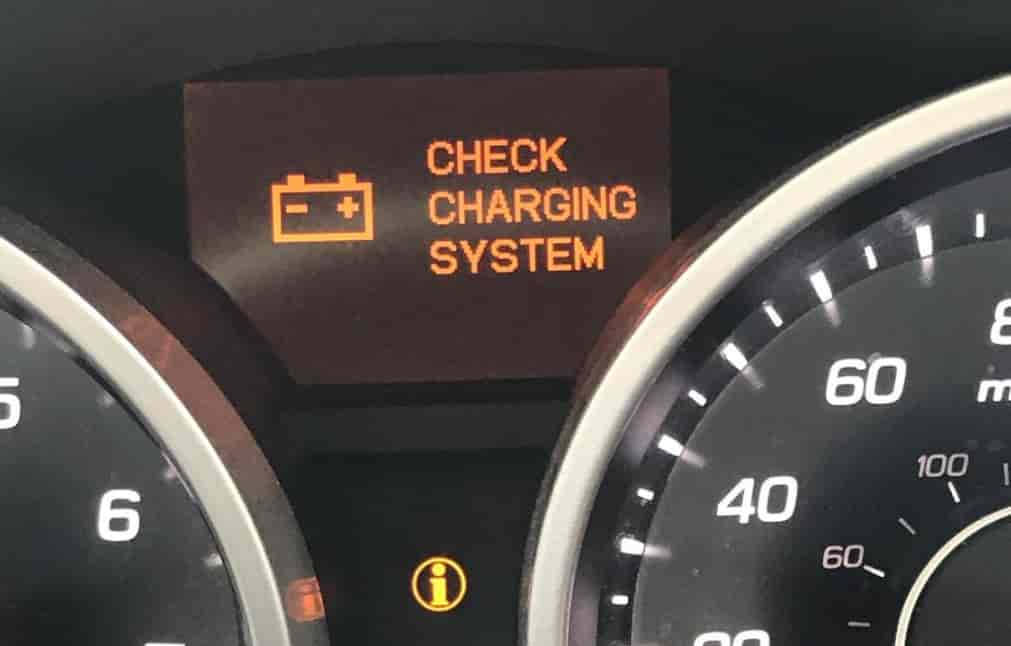
What Does “Chevy Volt Service High Voltage Charging System” Mean?
When your Chevy Volt shows the “Chevy Volt Service High Voltage Charging System” warning, the car is telling you that something is wrong with its charging system. This system controls how the high voltage battery stores and receives energy. It plays a critical role in how the vehicle operates.
The Chevy Volt uses a complex system that includes the high voltage battery pack, charging port, cooling system, and several control modules. One of the most important components is the Battery Energy Control Module. This module monitors battery performance and manages charging behavior.
When any part of this system does not work correctly, the car detects the issue and triggers the warning. In some cases, the problem is minor. For example, a temporary software glitch or a weak 12V battery can confuse the system. In these situations, the warning may disappear after a reset.
However, the warning can also signal a more serious issue. Problems like battery cell imbalance, overheating, or control module failure require immediate attention. If you ignore these issues, they can lead to reduced performance or even prevent the car from charging.
It is important to understand that this warning does not always mean the same thing. The severity depends on the root cause. That is why proper diagnosis is essential before taking action or spending money on repairs.
Common Causes of Chevy Volt Service High Voltage Charging System
The “Chevy Volt Service High Voltage Charging System” warning can come from several different issues. Some are simple and inexpensive. Others can lead to costly repairs if you ignore them. Understanding the root cause helps you avoid unnecessary stress and spending.
Battery Cell Imbalance or Degradation
Over time, battery cells lose their ability to hold equal charge. This creates an imbalance inside the battery pack. When the system detects uneven voltage levels, it triggers the warning.
This issue becomes more common as the vehicle ages. It does not always mean the battery is completely failing, but it can reduce performance and charging efficiency.
Battery Energy Control Module Failure
The Battery Energy Control Module plays a key role in managing the high voltage battery. It tracks voltage, temperature, and charging behavior.
If this module fails, the system may show incorrect data or stop charging properly. Many Chevy Volt owners report this as one of the most common causes. In some cases, a software update can fix it. In other cases, the module needs replacement.
Charging Cable or Port Issues
Sometimes the problem is much simpler than expected. A loose connection, damaged cable, or faulty charging station can trigger the warning.
Dirt or moisture inside the charging port can also cause poor contact. This leads the system to believe there is a charging fault.
Battery Cooling System Problems
The Chevy Volt relies on a cooling system to keep the battery at a safe temperature. If this system fails, the battery can overheat.
Common issues include low coolant levels, faulty pumps, or broken sensors. When the system detects abnormal temperature, it may stop charging to protect the battery.
Software Glitches or Temporary Errors
Modern vehicles depend heavily on software. Sometimes the system may show errors even when no serious problem exists.
A temporary glitch, communication error, or outdated software can trigger the warning. In these cases, a simple reset or update may solve the issue.
Symptoms You Should Not Ignore
When the “Chevy Volt Service High Voltage Charging System” warning appears, the message itself is only part of the problem. The real issue often shows through specific symptoms. If you recognize these signs early, you can prevent more serious damage and avoid higher repair costs.
One of the most common symptoms is that the car refuses to charge. You plug it in, but the battery does not gain energy. This usually points to a fault in the charging system or battery management.
Another clear sign is reduced electric range. If your Chevy Volt suddenly drives fewer miles on electric power, the battery may not perform at full capacity. This often links to cell imbalance or internal degradation.
You may also notice that the gasoline engine runs more often than usual. The vehicle switches to fuel power to compensate for battery issues. This reduces efficiency and increases fuel costs, which frustrates many owners.
Persistent warning lights are another red flag. If the message stays on after restarting the car, the issue is likely not temporary. It requires proper diagnosis instead of guesswork.
In more serious cases, the car may limit performance or even shut down certain functions to protect the system. Although rare, this situation can become dangerous if it happens while driving.
Ignoring these symptoms can turn a small issue into a major repair. Early action gives you more options and helps you avoid unnecessary expenses.
How to Fix Chevy Volt Service High Voltage Charging System
When the “Chevy Volt Service High Voltage Charging System” warning appears, you should start with simple checks before considering expensive repairs. Many cases come from minor issues that you can resolve quickly. First, turn off the vehicle and let it rest for a few minutes, then restart it to reset the system. This step often clears temporary errors. Next, inspect the charging cable and charging port. Make sure the connection is secure, clean, and free from moisture or debris. If possible, try a different charging station to rule out external problems.
Another important step is checking the 12V battery. Although small, it supports the vehicle’s electronic systems. A weak 12V battery can trigger the Chevy Volt Service High Voltage Charging System warning even when the main battery works normally. If the issue continues, use an OBD2 scanner to read diagnostic codes. This helps you identify the exact cause and avoid unnecessary repairs.
If basic steps do not solve the problem, you may need professional service. Common repairs include updating or replacing the Battery Energy Control Module, fixing cooling system issues, or addressing battery-related faults. High voltage components can be dangerous, so you should avoid handling them without proper experience. By following a step by step approach, you can reduce repair costs and fix the problem more efficiently.
Repair Cost Breakdown for Chevy Volt Service High Voltage Charging System
The cost of fixing the “Chevy Volt Service High Voltage Charging System” warning can vary widely depending on the root cause. Some issues cost very little to fix, while others can become a serious financial burden if the problem involves major components.
In the best case, you may spend little to nothing. Simple fixes such as resetting the system, cleaning the charging port, or replacing a weak 12V battery usually cost between $0 and $200. These are the most common and least stressful scenarios for many owners.
If the issue requires diagnostics, most repair shops will charge between $100 and $300. This step is important because it helps identify the exact problem instead of guessing and wasting money on unnecessary repairs.
More serious problems can increase costs quickly. A faulty Battery Energy Control Module often costs between $1,000 and $2,000 to replace, depending on labor and parts. This is one of the most reported issues in Chevy Volt models.
The most expensive scenario involves the high voltage battery. Repairs can range from $3,000 to over $8,000 if a full replacement is needed. This is where many owners feel the biggest financial pressure.
Before paying for major repairs, you should always check if your vehicle still has warranty coverage. Some components, especially the battery system, may be covered for extended periods. Taking early action can help you avoid higher costs and make better repair decisions.
Can You Still Drive with Chevy Volt Service High Voltage Charging System Warning?
When the “Chevy Volt Service High Voltage Charging System” warning appears, many drivers wonder if they can continue driving safely. The answer depends on the severity of the issue. In some cases, the vehicle may still operate normally for a short time. However, you should not ignore the warning or delay checking the problem.
If the car still drives smoothly, charges partially, and shows no additional warning lights, the issue may be minor. For example, a temporary software glitch or a weak 12V battery can trigger the message without causing immediate danger. Even in this situation, you should diagnose the problem as soon as possible to prevent it from getting worse.
On the other hand, if the vehicle refuses to charge, loses electric range quickly, or shows multiple warning messages, you should stop driving and seek professional help. These signs often indicate a deeper issue within the battery or charging system.
Driving with an unresolved high voltage system problem can lead to reduced performance, higher fuel consumption, and potential damage to expensive components. In rare cases, the system may limit power or shut down certain functions to protect the vehicle.
To stay safe and avoid higher repair costs, treat this warning seriously and act early. A quick inspection today can prevent a much bigger problem tomorrow.
Conclusion
The “Chevy Volt Service High Voltage Charging System” warning can feel alarming at first, but it does not always mean a major failure. As you have seen, the issue can come from simple causes like a weak 12V battery or a temporary software glitch. At the same time, it can also point to more serious problems such as a faulty Battery Energy Control Module or battery degradation.
Understanding the real cause is the key to making the right decision. Instead of reacting with panic, you should follow a step by step approach. Start with basic checks, use diagnostic tools if needed, and only move to professional repairs when necessary. This method helps you avoid unnecessary expenses and keeps the repair process under control.
The cost of fixing the Chevy Volt Service High Voltage Charging System issue can range from very low to quite expensive. That is why early detection and proper maintenance play an important role in protecting your vehicle and your budget.
If you are currently dealing with this warning, take action as soon as possible. A small issue today can turn into a costly repair if ignored. By staying informed and proactive, you can keep your Chevy Volt running efficiently and avoid unexpected problems in the future.