The 4.3 Vortec engine is one of General Motors most recognized V6 engines, widely used in trucks and SUVs for decades. Even though it is not a modern engine, it still attracts strong interest from drivers, mechanics, and buyers who want a reliable and simple powertrain. People search for 4.3 Vortec engine specs because they want to understand what this engine can really do in terms of power, torque, and long term durability.
GM designed the 4.3 Vortec as a work focused engine. It delivers strong low end torque and prioritizes durability over advanced technology or fuel efficiency. This makes it especially suitable for towing, hauling, and everyday utility driving. Many Chevrolet and GMC vehicles used this engine, which helped build its reputation as a dependable option in the truck segment.
However, real world performance often matters more than factory numbers. That is why understanding how the 4.3 Vortec behaves on the road is important. Drivers often notice its strong pulling power at low RPM, but also its limitations in fuel economy and refinement compared to newer engines.
In this article, we will break down the full 4.3 Vortec engine specs, including horsepower, torque, and key mechanical features. We will also explore real world performance, reliability, and common use cases. The goal is to give you a clear and practical understanding of this engine before making any decision about it.
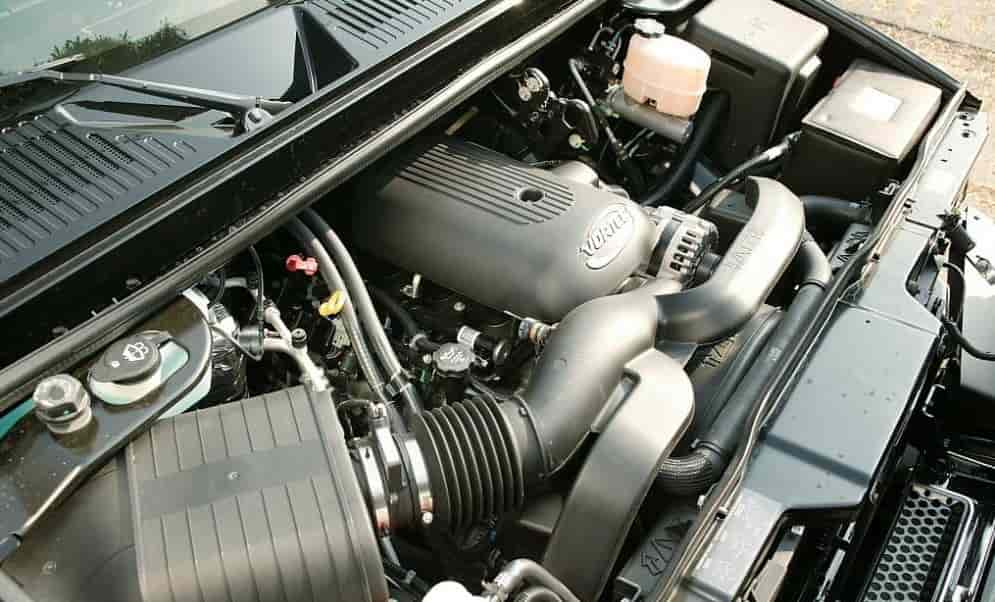
4.3 Vortec Engine Specs Overview
The 4.3 Vortec engine is a 4.3 liter V6 developed by General Motors and widely used in trucks and SUVs. It follows a 90 degree V6 layout and uses a pushrod OHV design. GM built this engine with a clear focus on durability and simplicity rather than advanced performance technology. This design choice makes it highly reliable in long term use and easier to maintain compared to more modern engines.
The engine has a total displacement of 262 cubic inches or 4.3 liters. It uses a cast iron engine block, which increases strength and helps it handle heavy workloads. The cylinder heads are also designed in a straightforward way to support consistent performance under stress. Because of this structure, the engine performs well in towing and hauling conditions where long term stability matters more than high speed capability.
Fuel system design changes depending on the generation. Early versions of the 4.3 Vortec use Central Port Injection, while later versions switch to Multi Port Fuel Injection. The MPFI system improves fuel delivery, enhances throttle response, and reduces some of the common issues found in earlier models. This evolution helps the engine maintain relevance even as automotive technology advances.
The compression ratio typically ranges from 9.2 to 9.4 depending on the model year. This moderate compression level supports engine durability and helps maintain consistent performance over time. GM did not design this engine for fuel efficiency gains but instead prioritized stable torque output and dependable operation under load.
Overall, the 4.3 Vortec engine specs reflect a design philosophy centered on strength, reliability, and practical performance. It is not a high performance engine, but it delivers consistent power for work oriented applications and continues to be valued in the used vehicle market.
Horsepower and Torque Breakdown
The horsepower and torque output of the 4.3 Vortec engine varies depending on the generation and fuel system. Early versions with Central Port Injection produce lower horsepower, while later Multi Port Fuel Injection models improve both power and efficiency. Across most configurations, this engine delivers a balance that favors torque over peak horsepower.
In general, the 4.3 Vortec engine produces horsepower in the range of approximately 160 to 200 horsepower. The exact number depends on the model year and tuning. While this is not high by modern standards, it is sufficient for trucks and utility vehicles that prioritize load carrying ability over speed.
Torque is where this engine performs better. It typically generates between 230 and 260 lb ft of torque. This torque comes in at low RPM, which gives the engine strong pulling power during acceleration, towing, and hauling. Drivers often notice that the engine feels more capable at low speeds than at highway performance.
This torque focused design is intentional. GM engineered the 4.3 Vortec for work applications where steady power delivery matters more than high rev performance. As a result, the engine feels strong when starting from a stop or climbing under load, even if it does not deliver aggressive acceleration at higher speeds.
Real world performance confirms this behavior. The engine responds well in trucks carrying heavy loads or towing trailers. However, it does not aim for sporty driving characteristics. Instead, it maintains stable output and predictable behavior under stress.
Overall, the 4.3 Vortec engine specs show a clear trade off. It sacrifices high horsepower potential to deliver reliable torque and consistent performance in demanding conditions.
Real-World Performance in Trucks and SUVs
The 4.3 Vortec engine shows its real value when it is used in trucks and SUVs rather than when it is judged by raw specifications. GM designed this engine for practical workloads, so its behavior on the road reflects that purpose. It delivers steady power, predictable response, and strong low end torque that helps in daily driving situations such as towing, hauling, and carrying heavy loads.
In real world use, drivers often notice that the engine feels strongest at low to mid RPM. It responds smoothly when starting from a stop and maintains consistent pulling power under load. This makes it well suited for work oriented vehicles where reliability and control matter more than acceleration speed. Many owners appreciate how the engine performs under stress without feeling overly complicated or fragile.
However, the engine does show its limitations in highway performance and fuel efficiency. At higher speeds, it does not feel as refined as modern V6 engines. It also consumes more fuel compared to newer direct injection systems. This trade off is expected given its older design philosophy, which prioritizes durability over economy.
In vehicles like pickup trucks and utility SUVs, the 4.3 Vortec engine performs consistently over long periods of use. It handles towing tasks reliably and maintains stable operation even in demanding conditions. This is one of the main reasons it remained popular across multiple GM platforms for many years.
Overall, real world performance confirms that the 4.3 Vortec engine is not built for speed or efficiency. Instead, it focuses on dependable power delivery that supports everyday work applications with minimal complexity and strong long term durability.
Vehicles That Used the 4.3 Vortec Engine
The 4.3 Vortec engine was widely used across General Motors trucks, SUVs, and utility vehicles for many years. GM placed this engine in different platforms because it offered a strong balance of torque, durability, and low maintenance cost. As a result, it became one of the most common V6 engines in North American work vehicles.
One of the most popular applications was in pickup trucks such as the Chevrolet Silverado and GMC Sierra. In these vehicles, the engine delivered reliable towing capability and steady performance for daily work use. It was especially valued in base and fleet configurations where long term durability mattered more than performance upgrades.
The engine also appeared in mid size SUVs like the Chevrolet Blazer and GMC Jimmy. In these models, it provided enough torque for light towing and general family use. Drivers appreciated its simplicity and predictable behavior, especially in older SUV generations that prioritized mechanical reliability.
Another common application was in utility vans such as the Chevrolet Astro and GMC Safari. These vehicles used the 4.3 Vortec engine for commercial and cargo purposes. The engine handled frequent stop and go driving and heavy payload conditions without major issues when properly maintained.
Across all these vehicles, GM focused on using the 4.3 Vortec as a dependable work engine rather than a performance option. It supported a wide range of driving needs from personal transport to commercial fleets. This wide adoption helped establish its reputation as one of GM’s most durable V6 engines.
Overall, the vehicle list shows that the 4.3 Vortec engine was not limited to one category. Instead, it served as a flexible powertrain solution across trucks, SUVs, and vans where reliability and torque were the main priorities.
Strengths of the 4.3 Vortec Engine
The 4.3 Vortec engine has built a strong reputation mainly because of its durability and simple mechanical design. GM engineered it with a focus on long term reliability, which makes it suitable for trucks and work vehicles that operate under heavy load conditions. This simplicity reduces the number of complex components, which also helps lower maintenance difficulty and repair costs.
One of the key strengths of this engine is its low end torque. It delivers strong pulling power at low RPM, which improves towing and hauling performance in real world conditions. Drivers often find it responsive when starting from a stop or carrying heavy loads. This makes it especially useful for utility focused applications rather than performance driving.
Another advantage is its cast iron construction. The engine block is strong and can handle long periods of stress without major structural issues. Many units are known to reach high mileage when maintained properly. This long service life is one of the main reasons the engine is still respected in the used vehicle market.
The OHV pushrod design also contributes to its reliability. It keeps the engine layout simple and easier to service compared to more modern overhead cam engines. Mechanics often prefer this design because it allows quicker repairs and lower labor complexity.
Fuel system updates across generations also improved efficiency and drivability. Later versions with multi port fuel injection provide smoother performance and better fuel distribution compared to earlier systems.
Overall, the 4.3 Vortec engine stands out for its durability, strong torque delivery, and simple maintenance requirements. These strengths make it a dependable choice for work oriented vehicles even today.
Common Problems and Weak Points
Although the 4.3 Vortec engine is known for durability, it still has several common issues that appear over time, especially in high mileage vehicles. These problems are not usually critical in early stages, but they can affect performance and reliability if not addressed properly.
One of the most well known issues is intake manifold gasket failure. Over time, the gasket can wear out and cause coolant leaks or vacuum leaks. When this happens, the engine may run rough, overheat, or lose efficiency. This problem is more common in older units and usually requires gasket replacement to restore proper function.
Another issue is related to the Central Port Injection system used in early versions. The CPI system can develop fuel distribution problems, which lead to misfires, hard starting, or uneven idle. Later Multi Port Fuel Injection versions improved this significantly, making the engine more stable and easier to manage.
Oil consumption can also become a concern in high mileage engines. Worn piston rings or valve seals may cause the engine to burn oil gradually. Drivers may notice frequent oil top ups or increased exhaust smoke in severe cases.
Ignition system wear is another factor. Spark plugs, distributor components, and ignition wires can degrade over time and cause misfires or reduced engine smoothness. Regular maintenance helps prevent these issues from becoming serious.
Despite these weaknesses, most problems are manageable and well understood by mechanics. The engine does not suffer from major design flaws, but rather from age related wear and system limitations of older fuel injection technology.
Overall, the 4.3 Vortec engine remains reliable, but it requires proper maintenance to avoid common issues associated with long term use.
Reliability and Maintenance Insights
The 4.3 Vortec engine is widely regarded as a reliable powertrain when it is maintained correctly. Its simple OHV design and strong internal construction help it handle long term use, especially in trucks and utility vehicles. Many engines in this family are known to reach high mileage without major internal failure, which shows its solid engineering foundation.
Regular maintenance plays a key role in extending the lifespan of the engine. Oil changes should be performed consistently because clean oil helps protect the internal components from wear. Using the correct oil grade also improves lubrication and reduces stress on moving parts, especially under heavy load conditions.
The cooling system is another critical area. The engine performs best when it operates within stable temperature ranges. A well maintained radiator, water pump, and thermostat help prevent overheating issues, which can significantly affect engine durability over time.
Spark plugs and ignition components also need periodic replacement. When these parts wear out, the engine may experience misfires, rough idle, or reduced fuel efficiency. Keeping the ignition system in good condition ensures smoother performance and better fuel combustion.
Another important factor is fuel system maintenance. Depending on the generation, keeping injectors clean helps maintain stable fuel delivery. This improves throttle response and prevents uneven engine behavior.
Overall, the reliability of the 4.3 Vortec engine is not accidental. It comes from a combination of strong mechanical design and consistent maintenance. When properly cared for, this engine can deliver dependable performance for many years in demanding driving conditions.
Vortec vs Modern V6 Engines
When comparing the 4.3 Vortec engine to modern V6 engines, the difference mainly comes from technology, efficiency, and performance refinement. The 4.3 Vortec uses an older pushrod OHV design, while most modern V6 engines use overhead camshaft layouts with advanced fuel injection systems. This structural difference has a direct impact on how each engine performs in real driving conditions.
Modern V6 engines typically deliver higher horsepower and better fuel efficiency. They use technologies such as direct injection, variable valve timing, and lightweight materials. These improvements allow them to produce more power while consuming less fuel. They also run smoother and quieter, especially at higher speeds.
In contrast, the 4.3 Vortec focuses on low end torque and mechanical simplicity. It does not aim to compete with modern engines in terms of efficiency or refinement. Instead, it provides strong and consistent pulling power, which is useful in towing and utility applications. This makes it more practical for work oriented vehicles rather than daily comfort focused driving.
Another key difference is maintenance and repair. The 4.3 Vortec is easier to service due to its simpler design. Many mechanics find it more straightforward to repair compared to modern engines with complex electronic systems. However, modern engines require less frequent maintenance when functioning properly.
In real world use, modern V6 engines are better for fuel economy and performance balance. The 4.3 Vortec remains valuable in situations where durability, low cost maintenance, and torque at low RPM are more important than advanced performance metrics.
Overall, this comparison shows that the 4.3 Vortec is not outdated in purpose, but it is specialized. It serves a different role compared to modern V6 engines.
Is the 4.3 Vortec Engine Still Worth It
The 4.3 Vortec engine is still considered a worthwhile option in specific use cases, even though it is an older design. Its value does not come from modern performance technology but from its durability, simplicity, and consistent torque delivery. For buyers who prioritize reliability over advanced features, this engine can still be a practical choice in the used vehicle market.
In real world conditions, the engine performs best in work oriented roles. It handles towing, hauling, and daily utility driving with stable output. It does not aim to compete with modern engines in fuel efficiency or acceleration, but it maintains predictable behavior under load. This makes it suitable for drivers who need a dependable engine for basic truck or SUV use.
The cost advantage is another important factor. Vehicles equipped with the 4.3 Vortec are often more affordable, and maintenance costs tend to be lower due to its simple mechanical structure. Many parts are widely available, and repairs are generally easier compared to newer, more complex engine systems.
However, it is not the right choice for everyone. Drivers who want better fuel economy, quieter operation, and modern performance features will find newer V6 engines more suitable. The 4.3 Vortec is better understood as a work engine rather than a daily comfort focused powertrain.
Overall, the 4.3 Vortec engine still holds value today for users who prioritize reliability, torque, and low maintenance complexity. It remains a proven option in the used truck segment, especially for those who need a simple and durable engine that can handle long term workload without advanced technology dependency.
Conclusion
The 4.3 Vortec engine remains a clear example of GM’s focus on durability and practical performance rather than modern complexity. Its specifications show a design built around low end torque, simple mechanics, and long term reliability. While it does not offer the fuel efficiency or advanced technology found in newer V6 engines, it continues to perform well in real world conditions where strength and consistency matter more than refinement.
For drivers who use trucks or SUVs for work related tasks, the engine still provides real value. It handles towing and hauling with steady power delivery, and it maintains predictable behavior even under continuous load. This makes it a dependable option for users who prioritize function over modern driving comfort.
Another key advantage is maintenance simplicity. The engine’s design allows easier repairs and lower servicing costs compared to many modern powertrains. This contributes to its long standing popularity in the used vehicle market, especially among buyers looking for affordable and reliable transportation.
Overall, the 4.3 Vortec engine should not be judged as outdated, but rather as purpose built. It serves a specific role in the automotive world where durability and torque are more important than efficiency or advanced features. For the right application, it remains a solid and trustworthy engine choice even today.