Which Hyundai models are being stolen most in 2026 is a major concern for many car owners. Car theft is still rising in many cities, and Hyundai vehicles remain part of this trend.
Social media played a big role in making this issue more visible. The so called Kia Boys trend showed how thieves could exploit weaknesses in older Hyundai models. This created a wave of car theft incidents in several regions. Hyundai later released security updates, but not all vehicles received full protection.
In 2026, thieves do not choose cars randomly. They often look for vehicles that are easy to break into or lack modern immobilizer systems. Older Hyundai models still fall into this category. These cars are also popular in the used market, which increases their exposure to theft.
This article explains which Hyundai models are being stolen most in 2026. It also breaks down why these models are targeted and what makes them vulnerable. You will also learn how thieves operate and whether newer Hyundai vehicles are still at risk.
By the end, you will understand the full list of high risk Hyundai models and the main reasons behind their theft patterns. You will also know practical steps to reduce the risk of your vehicle being stolen.
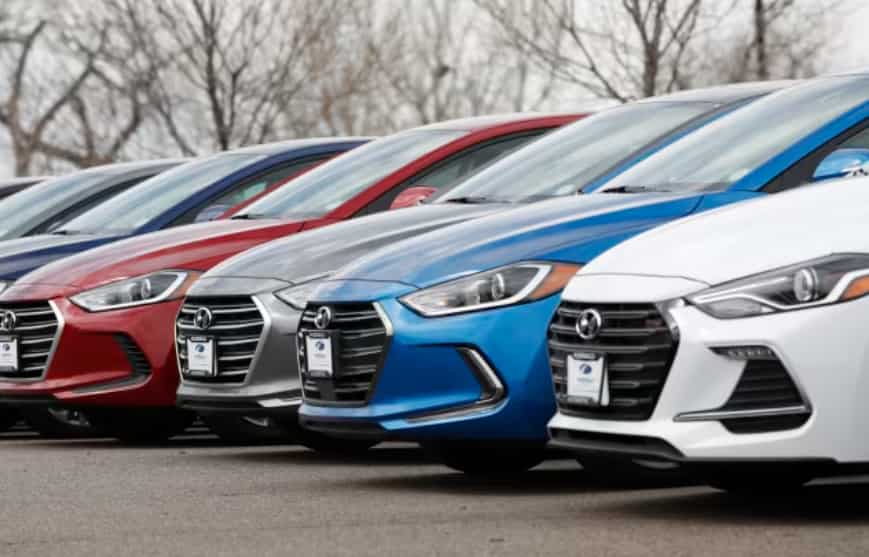
Why Hyundai Cars Are Being Targeted by Thieves
Hyundai cars are often targeted by thieves because some models have weaker security systems compared to competitors. This issue mainly affects older vehicles that were produced before immobilizers became standard across all trims.
One major reason is the lack of engine immobilizers in certain Hyundai models. An immobilizer is a security system that prevents the engine from starting without the correct key. When this system is missing or outdated, thieves find it easier to start the car without proper authorization.
Another reason is the viral spread of theft techniques on social media. The Kia Boys trend showed how some Hyundai and Kia vehicles could be stolen using basic tools and USB devices. This information spread quickly online and led to a rise in copycat theft incidents in several regions.
Cost also plays a role in targeting decisions. Hyundai vehicles are often affordable and widely used, which makes them attractive for parts resale. Thieves can quickly dismantle stolen cars and sell components in the black market.
Urban areas with high population density also report more Hyundai theft cases. In these locations, cars are parked close together, which gives thieves more opportunities to act without being noticed.
Insurance data in some regions also shows higher theft claims for specific Hyundai models. This reinforces the perception that certain vehicles are easier targets, which continues to influence theft patterns.
Overall, the combination of missing immobilizers in older models, viral exposure of theft methods, and high parts demand explains why Hyundai cars remain a frequent target even in 2026.
Full List of Hyundai Models Most Frequently Stolen in 2026
In 2026, theft patterns involving Hyundai vehicles remain highly concentrated on specific older models. Most cases do not involve random selection. Thieves usually target cars that are easier to start, lack advanced security systems, or have high demand for replacement parts. The following list highlights the Hyundai models most frequently reported as stolen based on ongoing theft trends and insurance data patterns.
Hyundai Elantra (2011–2021 models)
The Hyundai Elantra is one of the most commonly stolen Hyundai vehicles. Older versions are especially vulnerable due to weaker immobilizer systems in certain trims. These models became widely known during the Kia Boys trend, which exposed how easily some versions could be started without a key.
Many thieves target the Elantra because it is extremely common on the road. This increases both opportunity and resale value for parts. Doors, headlights, and electronic components are often resold quickly in the secondary market.
Insurance companies in several regions still classify older Elantra models as high risk vehicles. This classification often leads to higher premiums for owners.
Hyundai Sonata (2010–2021 models)
The Hyundai Sonata is another frequently targeted sedan. Like the Elantra, older model years are more vulnerable due to outdated security configurations.
Thieves prefer the Sonata because it has strong demand in both used car markets and spare parts markets. The engine and transmission components are especially valuable.
In many reported cases, Sonatas are stolen from residential areas where vehicles are parked overnight. The lack of visible anti theft devices also increases risk exposure.
Hyundai Tucson (older generations)
Older Hyundai Tucson models are also part of the high risk category. While newer versions include improved security systems, earlier generations still lack modern immobilizer protection in some configurations.
The Tucson is a popular compact SUV, which makes it attractive for resale parts. Wheels, catalytic converters, and interior systems are often targeted after theft.
Its SUV structure also makes it easier for thieves to access hidden entry points compared to newer redesigned models.
Hyundai Santa Fe (selected model years)
Certain Hyundai Santa Fe model years are also reported in theft statistics, especially older trims. While not as frequently targeted as the Elantra or Sonata, it still appears in regional theft reports.
The Santa Fe is often stolen for its engine components and SUV-specific parts. In some cases, thieves also target it due to lower security configurations in base trims.
Its higher market value compared to sedans increases its attractiveness for organized theft operations.
Hyundai Accent (older models)
The Hyundai Accent appears in theft reports mainly in older production years. Although it is a smaller and less powerful vehicle, its simplicity makes it easier to steal compared to newer models with updated security systems.
The Accent is often targeted in areas where compact cars are in high demand. Its parts are also inexpensive and easy to resell, which increases its appeal in illegal markets.
Summary of Risk Patterns
Across all models, a clear pattern appears. Older Hyundai vehicles without updated immobilizer systems face the highest risk. Sedans such as the Elantra and Sonata dominate theft reports due to their popularity and ease of access. SUVs like the Tucson and Santa Fe also remain vulnerable in older trims, especially when parked in unsecured areas.
In 2026, the key factor is not just the brand but the combination of model year, security system type, and local theft trends. Owners of older Hyundai vehicles should be especially aware of these risks.
Are New Hyundai Models Still at Risk in 2026?
New Hyundai models in 2026 are significantly more secure than older generations. Hyundai has upgraded its security systems across most new vehicles, especially by adding engine immobilizers as a standard feature. These improvements directly address many of the vulnerabilities that led to high theft rates in earlier model years.
However, no modern vehicle is completely immune to theft. Criminal methods continue to evolve, and thieves now use more advanced techniques such as relay attacks on keyless entry systems. These attacks do not rely on physical ignition weaknesses but instead target wireless key signals. This means even newer Hyundai models can still be at risk under certain conditions.
Another factor is software variability across different trims and regions. Some entry level Hyundai models may still have fewer advanced security layers compared to higher trims. This creates uneven protection levels within the same model lineup.
Parking environment also plays an important role. Even a secure vehicle can become a target if it is left in poorly lit or unsecured areas. In contrast, vehicles parked in monitored or private locations face a much lower risk of theft.
Insurance data in 2026 shows a clear improvement in theft rates for newer Hyundai models compared to older ones. This suggests that manufacturer updates have reduced overall vulnerability. However, insurers still evaluate risk based on location, model type, and keyless entry systems.
In conclusion, new Hyundai models are not as easy to steal as older ones, but they are not completely risk free. The main threat has shifted from basic ignition hacks to more sophisticated electronic attacks. Owners still need to take preventive measures to reduce exposure.
How Thieves Steal Hyundai Cars
Understanding how Hyundai cars are stolen helps explain why certain models remain high risk. In most cases, theft methods depend on the vehicle generation and its security system design.
One of the most well known methods affects older Hyundai models without engine immobilizers. In these vehicles, thieves can access the ignition system after breaking into the car. Once inside, they manipulate the ignition mechanism directly instead of using a registered key. This method became widely known through viral social media videos and contributed to the rise in theft incidents.
Another common method involves exploiting the steering column design in older models. After removing or damaging the plastic covering, thieves can access internal wiring. They then use simple tools to simulate a key start sequence. This method works mainly on vehicles that lack modern electronic protection.
For newer Hyundai models, thieves use more advanced techniques. One example is relay attacks on keyless entry systems. In this method, criminals capture the signal from a key fob and amplify it to unlock and start the vehicle. This allows theft without physical contact with the car.
In some cases, organized groups target Hyundai vehicles for parts rather than whole car theft. They dismantle stolen vehicles quickly and sell high demand components such as engines, airbags, and electronic modules. This makes even partially recovered vehicles financially valuable in illegal markets.
Urban environments also make these methods easier to execute. High traffic areas, crowded parking spaces, and limited surveillance create opportunities for quick theft operations.
Overall, Hyundai theft methods range from simple physical exploits in older models to sophisticated electronic attacks in newer ones. The specific method used depends heavily on the model year and security features of the vehicle.
How to Protect Your Hyundai From Theft
Protecting a Hyundai from theft in 2026 requires a combination of physical security, electronic upgrades, and smart parking habits. Since theft methods have evolved, relying on a single protection layer is no longer enough.
One of the most effective steps is to install a physical anti theft device such as a steering wheel lock. This creates a visible barrier that slows down thieves and increases the risk of detection. Even simple devices can discourage opportunistic theft, especially in public parking areas.
Another important action is updating the vehicle software if your Hyundai model supports it. Hyundai has released security updates for certain models to reduce vulnerabilities related to ignition and immobilizer systems. Visiting an authorized service center ensures that your vehicle has the latest protection improvements.
Installing a GPS tracking system also adds a strong layer of security. If the car is stolen, tracking devices increase the chances of recovery by allowing real time location monitoring. Many modern systems also send alerts when unusual movement is detected.
Parking location plays a critical role in theft prevention. Vehicles parked in well lit areas, secured garages, or monitored parking lots are significantly less likely to be targeted. Thieves usually avoid locations with high visibility or surveillance cameras.
Owners should also consider using additional deterrents such as car alarms or immobilizer add ons. These systems make it harder for thieves to start or move the vehicle quickly.
Finally, insurance coverage should be reviewed regularly. Comprehensive auto insurance can reduce financial loss in case of theft and may also include support for recovery services depending on the provider.
In summary, reducing Hyundai theft risk requires multiple layers of protection. Combining physical devices, software updates, tracking systems, and smart parking behavior creates a much stronger defense against modern theft techniques.
Insurance Impact and Theft Statistics
Hyundai theft trends have a direct impact on insurance costs and risk assessments in many regions. When a specific group of vehicles is repeatedly targeted, insurers adjust premiums to reflect the higher probability of claims. This has been especially noticeable for older Hyundai models that are frequently associated with theft incidents.
Insurance companies often classify vehicles based on historical theft data, repair costs, and recovery rates. Hyundai models that appear more often in theft reports tend to fall into higher risk categories. This leads to increased monthly premiums for owners, especially in urban areas where theft rates are higher.
In some regions, insurance providers have also introduced stricter requirements for Hyundai owners. These may include proof of anti theft devices, software updates, or parking in secured locations. Without these measures, some policies may become more expensive or harder to obtain for high risk models.
Statistical data from theft reports shows that older Hyundai sedans, particularly the Elantra and Sonata from earlier production years, remain among the most commonly reported stolen vehicles. SUVs like the Tucson and Santa Fe also appear in theft statistics, although less frequently than sedans. The main factor influencing these trends is the presence or absence of modern immobilizer systems.
Another important pattern is the concentration of theft cases in specific urban areas. Cities with higher population density and limited secure parking options tend to report more Hyundai theft incidents. This geographic concentration also influences regional insurance pricing differences.
Overall, the connection between Hyundai theft rates and insurance impact is clear. Higher theft risk leads to higher insurance costs, stricter policy conditions, and increased financial pressure on vehicle owners. This reinforces the importance of preventive security measures for Hyundai drivers, especially those owning older models.
Conclusion
Which Hyundai models are being stolen most in 2026 is no longer just a curiosity question. It reflects a real security concern that continues to affect thousands of car owners, especially those driving older Hyundai vehicles.
Across all theft reports, a clear pattern appears. Older models such as the Hyundai Elantra, Sonata, Tucson, Santa Fe, and Accent are the most frequently targeted. These vehicles share common weaknesses, mainly related to outdated security systems and missing or limited immobilizer protection in certain model years.
At the same time, theft methods have evolved. While older cars are still vulnerable to simple physical exploits, newer Hyundai models face more advanced risks such as relay attacks on keyless entry systems. This shift shows that vehicle security is constantly challenged by changing criminal techniques.
Insurance data also confirms the impact of these theft trends. Higher risk models often lead to increased premiums and stricter policy requirements. This creates a financial consequence that goes beyond vehicle loss and directly affects ownership costs.
Despite these challenges, Hyundai has improved its security systems in newer generations. Software updates, immobilizer integration, and stronger electronic protection have significantly reduced vulnerability compared to older models. However, no vehicle is completely immune without additional preventive measures.
For Hyundai owners, the key takeaway is simple. Risk depends heavily on model year, security features, and location. Taking proactive steps such as installing anti theft devices, updating software, and choosing safe parking locations can greatly reduce the chance of theft.
In conclusion, understanding which Hyundai models are being stolen most in 2026 helps owners make smarter decisions and take stronger protective actions. Awareness remains the most effective first layer of defense against modern car theft.