Modern Hyundai vehicles are becoming more advanced every year, especially when it comes to braking technology and electronic safety systems. Many newer Hyundai models now use an Electronic Parking Brake system instead of the traditional handbrake. While this feature improves convenience and driving safety, it also creates new challenges during brake maintenance. One of the most important procedures every Hyundai owner or DIY mechanic must understand is Hyundai Electronic Parking Brake Service Mode.
Many drivers attempt to replace rear brake pads without activating service mode first. This mistake can lead to expensive brake actuator damage, stuck rear calipers, dashboard warning lights, or even complete Electronic Parking Brake failure. In some cases, repair costs become far more expensive than a simple brake pad replacement. That is why understanding the correct Hyundai Electronic Parking Brake Service Mode procedure is essential before starting any rear brake service.
Another common problem is confusion about the reset process itself. Some Hyundai owners believe they need dealership equipment for every brake service procedure. Others try unsafe methods found online that can damage the EPB motor or brake piston. This guide removes that confusion by explaining every step clearly and safely.
In this complete step by step guide, you will learn how Hyundai Electronic Parking Brake Service Mode works, why it is necessary, how to activate it properly, and how to reset the system after brake maintenance. You will also discover common Hyundai EPB problems, troubleshooting solutions, safety precautions, and recommended tools for successful brake service.
Whether you own a Hyundai Tucson, Santa Fe, Sonata, Palisade, or Kona, this guide will help you perform safer and more effective brake maintenance while avoiding costly mistakes that many vehicle owners make during DIY repairs.
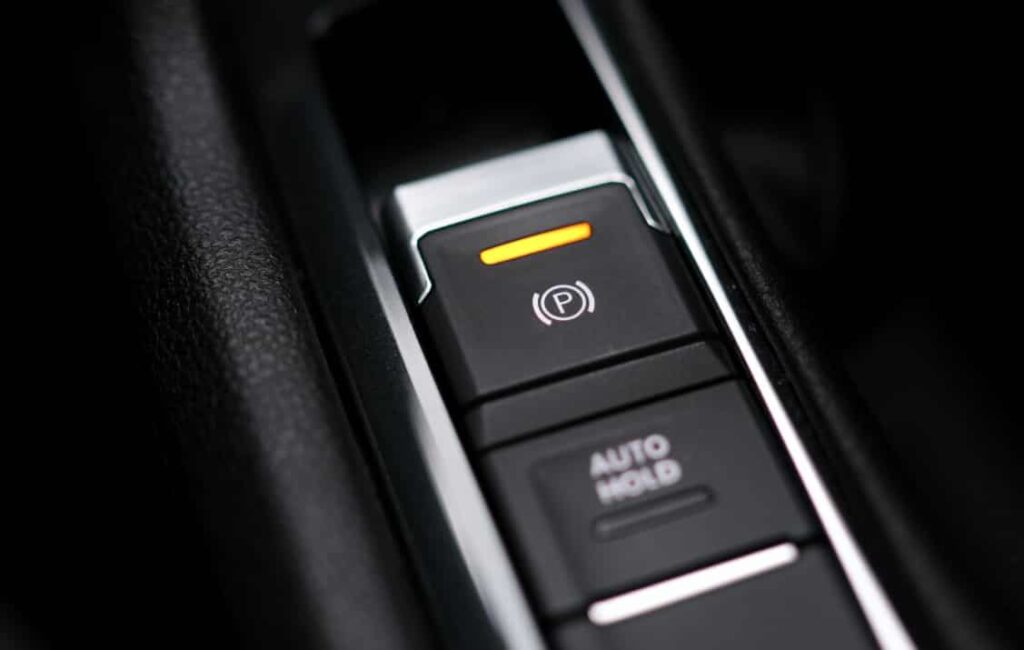
What Is Hyundai Electronic Parking Brake Service Mode?
Hyundai Electronic Parking Brake Service Mode is a maintenance function used during rear brake service. It temporarily retracts the rear brake actuators and disables the Electronic Parking Brake system. This process allows safe brake pad replacement without damaging sensitive brake components.
Modern Hyundai vehicles no longer rely on traditional handbrakes. Instead, they use an Electronic Parking Brake system controlled by electric motors. When the driver presses the parking brake button, the system activates the rear brake calipers automatically. This technology improves convenience, safety, and braking performance.
However, the system also creates challenges during brake maintenance. Rear brake pistons cannot be pushed back normally while the Electronic Parking Brake remains active. Many vehicle owners make the mistake of forcing the pistons manually. This can damage the brake actuator, internal gears, or electronic modules. In some cases, the dashboard may display warning lights or brake malfunction messages after improper servicing.
Hyundai Electronic Parking Brake Service Mode prevents these problems. Once activated, the system retracts the rear calipers and releases brake pressure. This gives enough space to compress the pistons safely during brake pad replacement. It also stops the EPB motor from engaging unexpectedly while maintenance is in progress.
Another important benefit is electronic system protection. Modern Hyundai braking systems communicate with ABS and stability control modules. Incorrect brake servicing can interrupt this communication and create fault codes. Service mode helps maintain proper system calibration during maintenance.
Many Hyundai models, including the Tucson, Santa Fe, Sonata, Kona, and Palisade, use this technology. Although the activation steps may vary slightly, the purpose remains the same. Hyundai Electronic Parking Brake Service Mode helps protect the brake system while making maintenance safer and easier.
Why You Must Activate Service Mode Before Brake Replacement
Activating Hyundai Electronic Parking Brake Service Mode before replacing rear brake pads is extremely important. Many drivers skip this step because they believe the brake system works like a traditional handbrake. Unfortunately, this mistake can lead to serious and expensive brake damage.
Modern Hyundai Electronic Parking Brake systems use electric motors inside the rear calipers. These motors control brake pressure electronically. During brake pad replacement, the rear pistons must move backward into the caliper housing. If the Electronic Parking Brake remains active, the actuator continues applying pressure to the piston. Forcing the piston back manually can damage the internal gears, brake motor, or actuator assembly.
One of the most common problems after incorrect brake service is a stuck rear caliper. Some drivers also experience Electronic Parking Brake warning lights, brake malfunction messages, or complete EPB failure. In severe cases, the vehicle may require a new actuator or rear caliper replacement. These repairs often cost far more than the original brake service.
Hyundai Electronic Parking Brake Service Mode prevents these issues by placing the system into a maintenance position. Once activated, the rear brake actuators retract safely. This removes pressure from the calipers and creates enough space for proper piston compression. The process also protects the electronic components from overload during maintenance.
Another reason service mode matters is brake system calibration. Hyundai vehicles use advanced safety systems that communicate with the Electronic Parking Brake module. Improper brake servicing can trigger fault codes or disrupt communication between the ABS and stability control systems. Activating service mode helps maintain proper electronic synchronization during brake replacement.
Safety is another major concern. A sudden actuator movement during maintenance can damage tools, brake components, or even cause injury. Service mode reduces this risk by disabling automatic brake engagement temporarily.
For these reasons, every Hyundai owner should activate Hyundai Electronic Parking Brake Service Mode before performing rear brake maintenance. This simple step helps protect the braking system, reduces repair costs, and ensures safer brake service procedures.
Tools Required for Hyundai Electronic Parking Brake Service Mode
Before activating Hyundai Electronic Parking Brake Service Mode, it is important to prepare the correct tools. Using proper equipment makes the brake service process safer, faster, and more accurate. It also helps prevent damage to sensitive Electronic Parking Brake components.
The most important tools are basic brake service tools. You will need a socket wrench set, a torque wrench, and a brake piston compressor tool. These tools help remove the rear caliper safely and compress the piston correctly during brake pad replacement. A vehicle jack and jack stands are also necessary to lift and support the car securely while working on the rear brakes.
An OBD2 scanner can also be very useful during Hyundai Electronic Parking Brake Service Mode procedures. Some Hyundai models allow manual activation of service mode, while others require a compatible scan tool. Professional diagnostic scanners can retract the Electronic Parking Brake actuator electronically and clear fault codes after brake service. This reduces the risk of warning lights or calibration errors after maintenance.
Safety equipment is equally important during brake service. Protective gloves help prevent injuries from sharp brake components and hot surfaces. Safety glasses protect your eyes from brake dust and debris. Wheel chocks should also be placed behind the tires to stop the vehicle from moving during maintenance.
Several optional tools can improve the overall repair process. A battery charger helps maintain stable voltage while the Electronic Parking Brake system is active. Brake cleaner removes dust and grease from the brake assembly before reinstallation. Anti seize lubricant can also help protect hardware from corrosion and improve future maintenance.
Using the right tools before starting Hyundai Electronic Parking Brake Service Mode reduces stress and prevents costly mistakes. Proper preparation also makes the brake replacement process smoother, especially for DIY mechanics working on Hyundai vehicles for the first time.
Safety Precautions Before Activating Hyundai EPB Service Mode
Safety should always come first before working on any Hyundai brake system. Although Hyundai Electronic Parking Brake Service Mode simplifies rear brake maintenance, improper preparation can still create serious problems. Taking a few precautions before starting the process helps protect both the vehicle and the technician.
The vehicle should always be parked on a flat and stable surface before activating service mode. Uneven ground can increase the risk of vehicle movement during maintenance. After parking, place wheel chocks behind the tires to keep the vehicle secure. The transmission should also remain in Park while the ignition is turned off.
Battery condition is another important factor during Hyundai Electronic Parking Brake Service Mode procedures. Modern Electronic Parking Brake systems rely heavily on stable electrical power. A weak battery can interrupt the actuator reset process or trigger communication errors between control modules. In some cases, low voltage may cause the EPB system to fail completely during maintenance. Using a battery charger or checking battery voltage before service can help prevent these issues.
Technicians should also avoid forcing the rear brake piston manually before activating service mode. Many DIY mechanics attempt to compress the piston immediately after removing the caliper. This mistake can damage the Electronic Parking Brake actuator and internal gears. Once damaged, the rear caliper assembly may require expensive replacement.
It is also important to inspect the brake components before starting maintenance. Look for damaged brake hoses, leaking fluid, or excessive rotor wear. Ignoring these issues can affect braking performance after the repair is complete.
Another important precaution is following Hyundai service recommendations carefully. Some Hyundai models use slightly different Electronic Parking Brake reset procedures. Using the wrong method can trigger warning lights or calibration problems. Reading the owner manual or service documentation before beginning the repair can reduce unnecessary risks.
Proper preparation before activating Hyundai Electronic Parking Brake Service Mode helps create a safer repair environment. It also reduces the chance of expensive brake system damage during maintenance.
Hyundai Electronic Parking Brake Service Mode Step by Step Guide
Activating Hyundai Electronic Parking Brake Service Mode correctly is essential before replacing rear brake pads. Following the proper procedure helps protect the Electronic Parking Brake actuator and prevents costly brake system damage. Although the exact steps may vary slightly between Hyundai models, the overall process remains very similar.
Start by parking the vehicle on a flat surface. Turn the engine off and place the transmission in Park. Apply wheel chocks behind the tires to prevent movement during maintenance. Before continuing, confirm that the battery has enough voltage to support the Electronic Parking Brake system.
Next, turn the ignition to the ON position without starting the engine. This powers the Electronic Parking Brake module and allows the system to enter maintenance mode. On many Hyundai models, the driver must press and hold the Electronic Parking Brake switch while also pressing the brake pedal. Some vehicles may require a specific button sequence to activate Hyundai Electronic Parking Brake Service Mode.
Once the process begins, the rear brake actuators will retract automatically. You may hear electric motor sounds coming from the rear calipers during this step. This sound is normal and indicates that the Electronic Parking Brake system is moving into service position.
After the actuators finish retracting, check the dashboard for confirmation messages or warning indicators. Some Hyundai vehicles display a maintenance notification when service mode activates successfully. At this stage, the rear brake pistons should compress easily without resistance.
If the vehicle does not support manual activation, an OBD2 scan tool may be required. Professional diagnostic scanners can communicate directly with the Electronic Parking Brake module and activate service mode electronically. This method is often faster and more reliable on newer Hyundai models.
Before removing the rear calipers, inspect the brake components carefully. Check the brake rotor condition, brake fluid level, and caliper hardware for signs of wear or damage. Performing this inspection early can help identify additional brake problems before reassembly begins.
Once Hyundai Electronic Parking Brake Service Mode is fully activated, the vehicle is ready for safe rear brake pad replacement.
How to Replace Hyundai Rear Brake Pads Safely
After Hyundai Electronic Parking Brake Service Mode is activated successfully, the rear brake pads can be replaced safely. This step requires patience and careful handling because modern Electronic Parking Brake systems contain sensitive electronic components inside the rear calipers.
Begin by loosening the rear wheel lug nuts slightly before lifting the vehicle. Use a hydraulic jack to raise the car and secure it with jack stands. Once the vehicle is stable, remove the rear wheels to access the brake assembly.
Next, locate the rear brake caliper mounting bolts. Remove these bolts carefully using the correct socket size. After the bolts are removed, lift the caliper slowly from the brake bracket. Avoid pulling or twisting the brake hose because this can damage the hydraulic line. Many technicians use a hook or support strap to hold the caliper safely during service.
With the caliper removed, inspect the old brake pads and rotor surface. Uneven pad wear may indicate caliper problems or improper brake pressure distribution. Deep grooves or excessive rotor wear may also require rotor replacement.
The next step is compressing the rear brake piston. Since Hyundai Electronic Parking Brake Service Mode has already retracted the actuator, the piston should move smoothly with a brake piston compression tool. Apply steady pressure and avoid forcing the piston too quickly. Sudden force can damage internal brake components.
After the piston is fully compressed, install the new rear brake pads into the caliper bracket. Make sure the pads sit correctly inside the hardware clips. Improper installation can cause brake noise, uneven wear, or reduced braking performance.
Carefully reinstall the rear caliper over the new brake pads. Tighten the mounting bolts according to Hyundai torque specifications. Once everything is secured, reinstall the rear wheels and tighten the lug nuts evenly.
Before driving the vehicle, press the brake pedal several times. This helps restore normal brake pressure and positions the new pads correctly against the rotor surface. Proper brake pad installation helps improve braking performance and extends the life of the Hyundai Electronic Parking Brake system.
How to Exit Hyundai Electronic Parking Brake Service Mode
After replacing the rear brake pads, the next step is exiting Hyundai Electronic Parking Brake Service Mode correctly. This process restores normal Electronic Parking Brake operation and allows the system to recalibrate itself after maintenance. Skipping this step can cause warning lights, brake malfunctions, or improper parking brake performance.
Begin by confirming that all brake components are installed correctly. Check that the rear caliper bolts are tightened properly and the brake pads sit securely inside the bracket. Inspect the brake hoses and make sure no tools remain near the brake assembly before reactivating the system.
Next, turn the ignition to the ON position without starting the engine. On many Hyundai models, the Electronic Parking Brake can exit service mode manually by pressing the brake pedal while operating the parking brake switch. The rear actuators will begin moving back into their normal operating position. During this process, you may hear clicking or motor sounds from the rear calipers. These sounds are normal and usually indicate successful recalibration.
Some Hyundai vehicles require an OBD2 scan tool to complete the reset procedure. Professional diagnostic scanners can command the Electronic Parking Brake module to exit maintenance mode electronically. This method is especially common on newer Hyundai models with advanced brake control systems.
After the reset process finishes, check the dashboard carefully. The Electronic Parking Brake warning light should turn off completely. If warning messages remain visible, the system may require additional calibration or fault code clearing.
Before driving the vehicle, press the brake pedal several times to restore full hydraulic pressure. Then test the Electronic Parking Brake by engaging and releasing it multiple times. The system should operate smoothly without unusual noises or warning indicators.
A final safety inspection is also important after exiting Hyundai Electronic Parking Brake Service Mode. Check the brake fluid level, inspect wheel torque, and confirm proper brake pedal feel. A short road test can help verify that the braking system functions normally under real driving conditions.
Completing the reset procedure correctly helps maintain proper Electronic Parking Brake performance and reduces the risk of future brake system problems.
Common Hyundai EPB Problems and Troubleshooting
Even after following the correct brake service procedure, some Hyundai owners still experience Electronic Parking Brake problems. Understanding these common issues can help identify the cause quickly and prevent further brake system damage.
One of the most common problems is Hyundai Electronic Parking Brake Service Mode not activating properly. In many cases, low battery voltage causes communication errors between the Electronic Parking Brake module and the vehicle control system. A weak battery may interrupt actuator movement or prevent the reset process completely. Checking battery condition before brake service often solves this issue.
Another frequent problem is an Electronic Parking Brake warning light that stays on after brake replacement. This usually happens when the system detects improper calibration or incomplete actuator reset. Some vehicles may require a scan tool to clear fault codes manually. In other situations, the brake pads may not be installed correctly, causing the system to detect abnormal brake pressure.
Rear brake calipers that refuse to retract are also common during Hyundai brake maintenance. This problem can occur when the Electronic Parking Brake actuator remains engaged or when internal actuator gears become damaged. Attempting to force the piston manually often makes the damage worse. Activating Hyundai Electronic Parking Brake Service Mode correctly before servicing usually prevents this issue.
Some drivers also report clicking, grinding, or unusual motor noises after brake replacement. These sounds may indicate improper brake pad installation, loose hardware, or incorrect caliper alignment. Worn brake rotors can also create abnormal brake noise during operation.
In more serious cases, Hyundai vehicles may display Electronic Parking Brake malfunction messages on the dashboard. These warnings can indicate actuator failure, damaged wiring, or communication problems within the brake control module. Professional diagnostic equipment is often necessary to identify the exact fault.
Regular brake inspections and proper maintenance procedures help reduce the risk of these Electronic Parking Brake problems. Following the correct Hyundai Electronic Parking Brake Service Mode process also helps protect the system from unnecessary damage and expensive repairs.
Frequently Asked Questions About Hyundai Electronic Parking Brake Service Mode
Can I activate Hyundai Electronic Parking Brake Service Mode without a scan tool?
Yes, some Hyundai models allow manual activation without professional diagnostic equipment. The process usually involves turning the ignition to the ON position while pressing the brake pedal and operating the Electronic Parking Brake switch. However, newer Hyundai vehicles may require an OBD2 scan tool to enter service mode correctly.
What happens if I replace brake pads without activating service mode?
Replacing rear brake pads without Hyundai Electronic Parking Brake Service Mode can damage the brake actuator or internal caliper components. Many drivers experience warning lights, stuck rear brakes, or Electronic Parking Brake malfunction messages after forcing the piston manually. In severe cases, the rear caliper assembly may require replacement.
Why is my Hyundai EPB warning light still on after brake replacement?
The warning light may remain on if the Electronic Parking Brake system was not recalibrated correctly after maintenance. Fault codes, low battery voltage, improper brake pad installation, or incomplete actuator reset procedures can also trigger warning messages. Some vehicles require a scan tool to clear stored faults completely.
How long does Hyundai Electronic Parking Brake Service Mode take?
The activation process usually takes only a few minutes. Brake pad replacement time depends on the technician’s experience and vehicle condition. Most rear brake services can be completed within one to two hours.
Is Hyundai Electronic Parking Brake Service Mode different for every model?
The basic purpose remains the same across Hyundai vehicles, but activation steps can vary slightly between models. Hyundai Tucson, Santa Fe, Sonata, Kona, and Palisade models may use different reset procedures depending on the year and brake system design.
Do I need professional tools for Hyundai EPB reset?
Basic brake service tools are necessary for rear brake replacement. Some Hyundai models also require a compatible OBD2 scanner to activate or exit service mode. Professional diagnostic tools provide faster communication with the Electronic Parking Brake module and help clear fault codes more efficiently.
How much does Hyundai Electronic Parking Brake service cost?
The cost depends on the vehicle model, labor rates, and brake component condition. Simple rear brake pad replacement usually costs less than repairing a damaged Electronic Parking Brake actuator. Improper brake servicing often increases repair expenses significantly.
Conclusion
Understanding Hyundai Electronic Parking Brake Service Mode is essential for safe and successful rear brake maintenance. Modern Hyundai vehicles use advanced Electronic Parking Brake systems that require proper handling during brake pad replacement and actuator reset procedures. Ignoring these steps can lead to expensive repairs, warning lights, or complete Electronic Parking Brake failure.
Throughout this guide, you learned how Hyundai Electronic Parking Brake Service Mode works and why it is necessary before servicing the rear brakes. You also discovered the correct tools, safety precautions, activation steps, and reset procedures needed for proper maintenance. Following these instructions carefully helps protect the brake actuator, rear calipers, and electronic control systems from unnecessary damage.
Many Hyundai owners attempt DIY brake service to reduce maintenance costs. However, modern Electronic Parking Brake systems are far more complex than traditional handbrakes. Small mistakes during piston compression or actuator reset can quickly create costly mechanical and electronic problems. Proper preparation and correct service procedures help prevent these issues while improving long term brake performance.
Regular brake inspections are equally important for maintaining vehicle safety. Worn brake pads, damaged rotors, or Electronic Parking Brake faults should never be ignored. Addressing these problems early can help extend brake system life and improve driving confidence.
Whether you own a Hyundai Tucson, Santa Fe, Sonata, Kona, or Palisade, learning the correct Hyundai Electronic Parking Brake Service Mode procedure can save time, money, and frustration during future brake repairs.
If you have experienced Electronic Parking Brake problems or completed this procedure on your own Hyundai vehicle, consider sharing your experience. Real world maintenance insights can help other drivers avoid common mistakes and perform safer brake service in the future.