A clicking sound during turns. Unexpected vibration on the highway. A strange sensation in the steering wheel that makes your Toyota Camry feel less stable than usual.
Many drivers dismiss these symptoms at first. The car still moves, the problem seems minor, and life gets busy. Unfortunately, delaying action often turns a small issue into a larger repair bill. A damaged CV axle rarely fixes itself, and waiting too long can lead to worsening drivetrain problems or leave you stranded at the worst possible moment.
One reason many owners become confused is that Toyota Camry CV axle replacement by model year is not identical across generations. The repair process, axle design, labor time, compatibility, and even common failure points can vary significantly between an older Camry and a newer one. A 2001 model behaves differently than a 2015 version, and newer generations add complexity that can affect repair costs.
If you are researching symptoms, planning a DIY repair, comparing parts, or simply trying to estimate expenses, understanding these differences can save time and money. In this guide, we will break down Toyota Camry CV axle replacement by model year and explain what owners should know before tackling this repair.
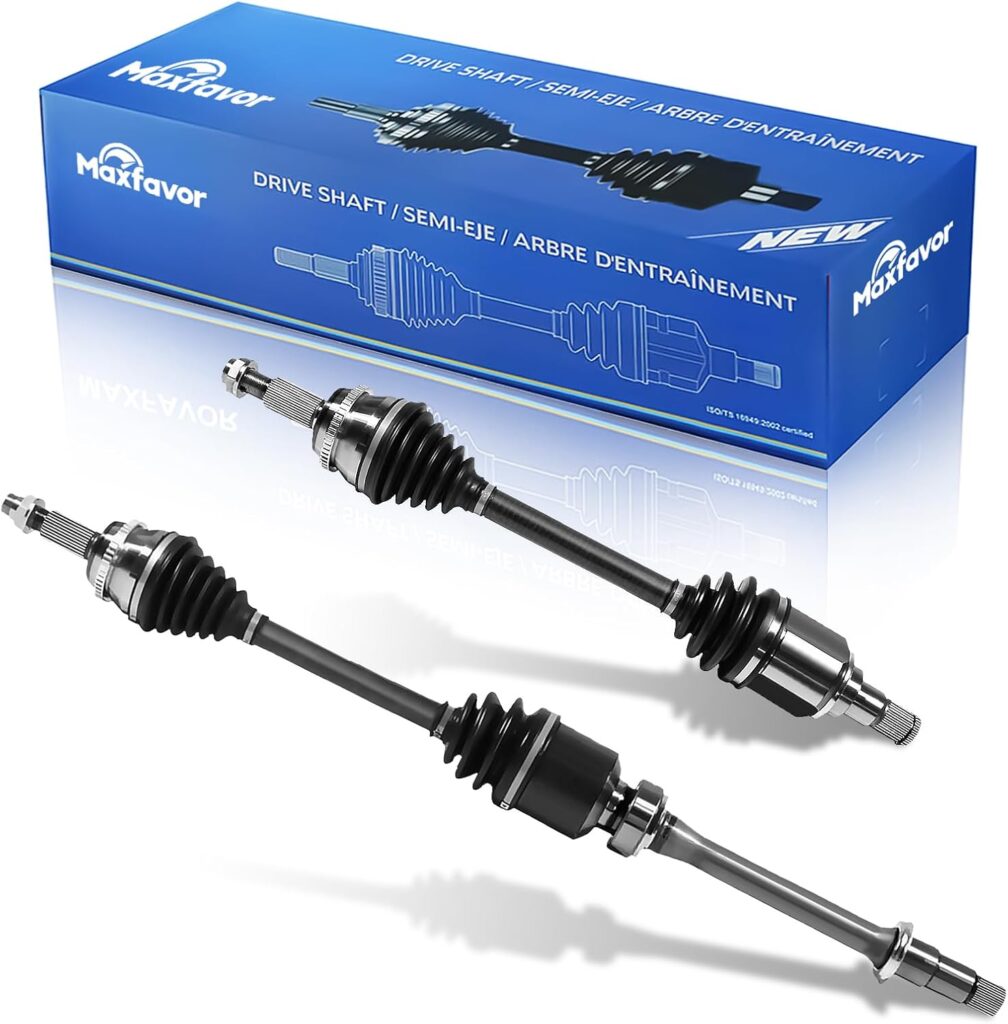
Toyota Camry 1997–2001 CV Axle Replacement
The 1997 to 2001 Toyota Camry belongs to a generation known for reliability and mechanical simplicity. Many of these vehicles are still on the road today because owners appreciate their durable engines and relatively straightforward repair process. However, age eventually affects drivetrain components, and the CV axle is no exception.
Owners of these older Camry models frequently notice clicking sounds during turns, grease leaking from torn CV boots, and vibration while accelerating. In many cases, the rubber boot fails first. Once dirt and moisture enter the joint, wear accelerates quickly. Unfortunately, many drivers postpone repairs because the car still feels drivable.
This delay becomes a costly mistake. A small boot tear can develop into complete axle damage over time. Many owners continue driving because they want to avoid repair expenses, especially on older vehicles with lower resale values. That short term decision often results in additional suspension or drivetrain wear.
The good news is that replacing a CV axle on this generation is usually considered beginner friendly compared with newer models. Access around the wheel assembly is relatively open, and labor complexity is lower. DIY owners often choose to handle this repair themselves.
Typical replacement costs remain among the lowest of all Camry generations. Parts pricing varies depending on OEM or aftermarket selection, but labor usually stays manageable because of the simpler design.
One important consideration involves aftermarket quality. Some budget axle assemblies create vibration issues shortly after installation. Owners trying to save money sometimes end up paying twice when low quality components fail prematurely.
For aging Camrys, replacing a damaged axle early often costs far less than waiting for larger drivetrain issues to appear.
Toyota Camry 2002–2006 CV Axle Replacement
The 2002 to 2006 Toyota Camry introduced design changes and became one of the highest selling midsize sedans of its era. Even today, these vehicles remain extremely common, which makes searches for Toyota Camry CV axle replacement especially popular among owners.
One of the most frequent complaints in this generation involves damaged CV boots. Rubber deterioration becomes more noticeable as vehicles age, especially in regions with harsh weather conditions. Once the protective boot cracks, grease begins leaking and contaminants start entering the joint.
Drivers usually notice a clicking sound while turning at lower speeds. Others experience mild vibration during acceleration. Some drivers initially assume tire balancing is the issue and spend money solving the wrong problem.
Because these Camrys remain affordable daily drivers, owners often face an important choice between OEM and aftermarket replacement parts. OEM axles generally provide consistent fitment and durability. Aftermarket alternatives can cost considerably less, but quality varies significantly.
This creates a common pain point. Vehicle owners trying to reduce repair costs sometimes purchase the cheapest axle available online. The result can include improper fitment, increased vibration, and repeated labor charges.
Another issue involves ordering incorrect parts. Minor differences between trim levels and engine configurations may create compatibility problems. Four cylinder and V6 models may use different components, so checking exact fitment becomes essential before purchasing.
Although labor costs remain reasonable compared with newer generations, selecting the correct replacement part often determines whether the repair becomes smooth or frustrating.
Toyota Camry 2007–2011 CV Axle Replacement
The 2007 to 2011 Toyota Camry remains one of the most searched and commonly owned generations today. Because of its popularity, repair topics related to CV axle replacement generate strong search demand from both DIY enthusiasts and vehicle owners visiting repair shops.
A common symptom in this generation is vibration during acceleration. Drivers frequently describe a shaking sensation that becomes more noticeable at highway speeds or while climbing hills. Because the symptom gradually worsens, many owners initially ignore it.
Another challenge involves distinguishing between driver side and passenger side axle issues. Symptoms can sometimes feel similar, making diagnosis difficult without proper inspection. A vibration originating from one side may feel like a general steering problem.
Owners also report confusion after replacing a CV axle only to discover that vibration remains. In many situations, the issue comes from low quality replacement parts rather than installation mistakes.
This generation also introduced increased attention to component compatibility. Purchasing parts based only on model year without verifying engine configuration can create unexpected problems.
Many repair technicians recommend avoiding ultra budget axle assemblies for these Camry models. Although the initial savings appear attractive, repeated repairs often cost more over time.
Drivers using their Camry as a daily commuter frequently delay repairs because the vehicle still seems functional. Unfortunately, waiting too long increases the possibility of larger drivetrain wear and additional labor costs later.
Toyota Camry 2012–2017 CV Axle Replacement
The 2012 to 2017 Toyota Camry introduced a more refined driving experience, updated engineering, and improvements in ride quality. While the platform continued Toyota’s reputation for reliability, CV axle replacement on this generation began to involve additional considerations compared with older Camry models.
Many owners first notice problems through subtle vibration during acceleration or a clicking noise while turning. Unlike earlier generations where symptoms can become obvious quickly, these signs sometimes develop gradually. Drivers often mistake them for tire problems, wheel alignment issues, or suspension wear.
Another challenge for owners involves the tighter packaging around drivetrain components. Mechanics and DIY enthusiasts may encounter less working space during removal and installation. While the job remains manageable, the process is no longer as straightforward as earlier Camry generations.
Torque specifications also become increasingly important during installation. Improper tightening can create future vibration, premature wear, or component stress. This is one area where rushed repairs can create frustrating results later.
Owners frequently experience a common financial concern. The vehicle may still feel reliable and drive normally enough for daily commuting, causing them to postpone repairs. Waiting too long can lead to additional wear in nearby components and increase the total repair bill.
Replacement costs for this generation generally fall into a moderate range. OEM parts continue to offer excellent fitment and long term reliability, while aftermarket options vary significantly in quality and performance.
Many experienced technicians recommend investing in proven brands rather than selecting the lowest priced option available.
Toyota Camry 2018–2026 CV Axle Replacement
The 2018 to 2026 Toyota Camry entered a new era with major design changes, updated platforms, and more advanced technology integration. Although these vehicles continue delivering strong reliability, repairs involving drivetrain components can become more expensive and technically demanding.
Owners of newer Camry models often expect major components to last longer because the vehicles themselves are relatively new. That expectation sometimes causes drivers to overlook early warning signs such as light vibration, minor steering changes, or occasional clicking sounds.
Another concern involves the increased complexity surrounding nearby systems and components. Modern vehicle designs pack more technology and hardware into limited space. While CV axle replacement itself remains a familiar procedure, labor time can increase due to surrounding components and tighter access.
Many owners also face an important decision between OEM and aftermarket parts. This generation tends to benefit significantly from precise fitment and quality manufacturing. Lower quality aftermarket parts occasionally create unwanted vibration or long term durability concerns.
Cost becomes another major pain point. Drivers often experience sticker shock when comparing repair estimates with older Camry generations. Parts pricing has increased, labor rates have risen, and newer vehicle owners generally expect lower maintenance expenses.
For drivers planning to keep their Camry for many years, OEM replacement often becomes a worthwhile investment despite the higher initial cost. Paying more upfront may reduce future repair frustration and improve long term reliability.
Toyota Camry CV Axle Replacement Cost Comparison by Model Year
Understanding replacement cost differences helps owners prepare financially before problems become urgent. Costs vary depending on location, labor rates, engine configuration, and whether OEM or aftermarket components are selected.
| Model Year | Parts Cost | Labor Cost | Estimated Total |
|---|---|---|---|
| 1997–2001 | $60–$180 | $120–$220 | $180–$400 |
| 2002–2006 | $70–$220 | $140–$250 | $210–$470 |
| 2007–2011 | $80–$260 | $150–$280 | $230–$540 |
| 2012–2017 | $120–$320 | $180–$350 | $300–$670 |
| 2018–2026 | $180–$450 | $220–$450 | $400–$900+ |
Several factors can increase total expenses. Choosing OEM parts typically raises parts costs. Vehicle condition also matters because rusted hardware or worn suspension components can extend labor time.
Many owners delay repairs after hearing estimated prices. Unfortunately, postponing replacement often becomes more expensive. A damaged axle that continues operating under stress can contribute to wear in surrounding components and create additional repair costs later.
Understanding Toyota Camry CV axle replacement by model year helps owners avoid surprises and make informed repair decisions.
Common Mistakes Owners Make During Toyota Camry CV Axle Replacement
Replacing a CV axle may seem like a straightforward repair, but many Toyota Camry owners make costly mistakes that lead to repeat repairs, vibration issues, or unnecessary expenses. Some mistakes happen during DIY installations, while others occur simply because owners wait too long before taking action.
One of the most common mistakes is ignoring a torn CV boot. Many drivers notice grease around the wheel area but continue driving because the car still feels normal. This creates a false sense of security. Once the protective boot tears, contaminants begin entering the joint and lubrication starts escaping. What could have been a relatively inexpensive repair gradually turns into a complete axle replacement.
Another mistake involves waiting until the clicking noise becomes severe. Drivers often think, “I can still drive for a few more weeks.” Unfortunately, drivetrain issues rarely improve with time. Small symptoms tend to become larger and more expensive problems. A worn axle can eventually affect nearby components and create additional labor costs.
Selecting the cheapest replacement part is another frequent problem. Saving money upfront sounds appealing, especially for older Camry models. However, many low quality aftermarket axles create vibration immediately after installation. Some owners replace the part once, then discover they must pay labor costs again to correct the issue.
Many drivers also overlook the importance of matching exact fitment. Toyota Camry models changed over multiple generations, and differences between trim levels, engines, and production years can affect compatibility. Purchasing parts based only on model year without checking specifications can create installation problems.
Another overlooked issue involves failing to inspect surrounding suspension and steering components. Mechanics often discover worn ball joints, tie rods, or damaged wheel bearings during CV axle replacement. Ignoring these related issues may leave drivers frustrated when symptoms continue after repairs.
Careful inspection and early action can prevent many of these problems and save substantial money over time.
Conclusion
Understanding Toyota Camry CV axle replacement by model year helps owners make smarter repair decisions and avoid unnecessary frustration. While every Camry generation maintains Toyota’s reputation for long term reliability, differences in design, component layout, labor requirements, and replacement costs become more noticeable over time.
Older Camry models usually offer easier access and lower repair costs, making them attractive for DIY projects. Mid generation vehicles often introduce compatibility concerns and quality differences between replacement parts. Newer Camry models add complexity and higher repair expenses, making proper part selection increasingly important.
One pattern remains consistent across every generation. Ignoring early warning signs often leads to larger expenses later. Clicking sounds during turns, vibration during acceleration, and damaged CV boots should never be dismissed as minor annoyances.
Addressing the problem early may reduce costs, protect surrounding components, and prevent inconvenient breakdowns. Whether you own a 1999 Camry or a modern model, understanding these generation specific differences can help you make confident repair choices.
Have you replaced a Toyota Camry CV axle before? Which model year gave you the biggest challenge? Share your experience and help fellow Camry owners avoid common repair mistakes.