The Hyundai Santa Fe has become one of the most searched midsize SUVs in the used car market, especially among buyers who want a balance of comfort, space, and long term reliability. However, not every model year delivers the same ownership experience. This is why understanding the Best Year for Hyundai Santa Fe is essential before making a purchase decision.
Many buyers enter the market attracted by the Santa Fe design, safety features, and affordability, but they often underestimate how much reliability can vary between different production years. Some model years are known for strong engines, smooth transmissions, and low maintenance costs, while others have reported issues that can lead to expensive repairs over time. These differences make it difficult for average buyers to decide which version truly offers the best value.
The purpose of this guide is to provide a clear and structured ranking of the Best Year for Hyundai Santa Fe based on real owner feedback, long term reliability data, and overall performance in daily driving conditions. Instead of focusing on marketing claims, this analysis highlights practical ownership experience, including durability, common issues, and cost of maintenance.
By the end of this article, you will understand which Hyundai Santa Fe model years are the most reliable, which ones offer the best value for money, and which years you should avoid to reduce risk. This will help you make a confident and informed decision before buying a used Hyundai Santa Fe in today’s competitive market.
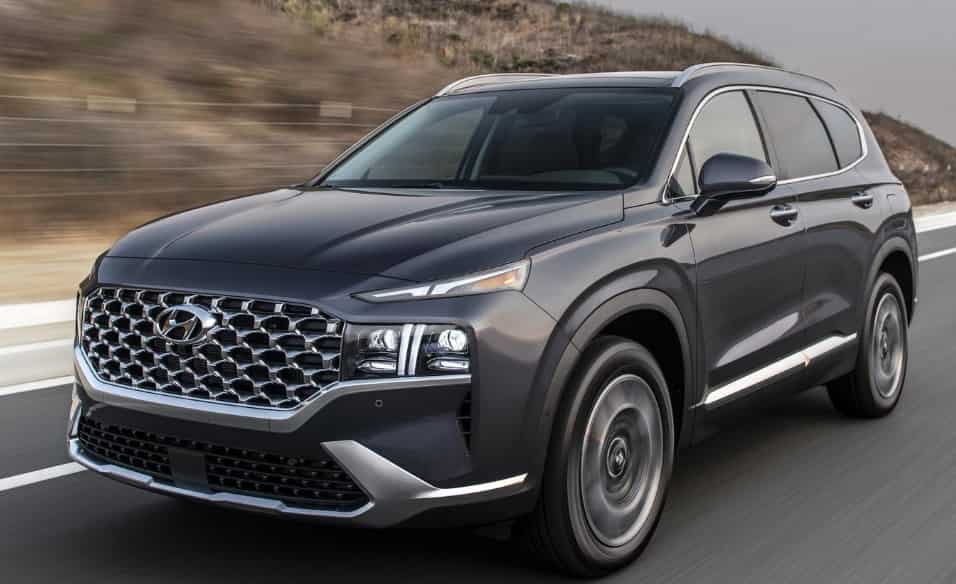
Understanding Hyundai Santa Fe Generations and Their Impact on Reliability
You cannot understand the reliability of the Hyundai Santa Fe by only looking at model years. Each generation uses different engines, transmissions, and design choices. These differences directly affect long term durability and ownership costs. This is why the Best Year for Hyundai Santa Fe depends heavily on the generation instead of a single production year.
The first generation offers a simple structure and strong basic durability. However, it lacks modern safety features and comfort upgrades. The second and third generations improve comfort, interior quality, and engine performance. At the same time, they introduce more complex systems. These systems can increase repair risks if owners do not maintain the vehicle properly.
The fourth generation focuses on safety technology and fuel efficiency. Hyundai adds advanced driver assistance systems and electronic features. These upgrades improve driving experience, but they also add more components that can fail over time. In contrast, older naturally aspirated engines use simpler designs. Many buyers prefer them because they often require less maintenance and show fewer long term issues.
When you evaluate the Best Year for Hyundai Santa Fe, you need to consider more than just the model year label. Engine type, transmission design, and overall generation quality matter more. Buyers who ignore these factors often face unexpected repair costs. Buyers who understand these differences make more reliable purchasing decisions and reduce long term ownership risk.
Best Hyundai Santa Fe Years Ranked by Reliability and Owner Satisfaction
The Best Year for Hyundai Santa Fe depends on real world reliability, maintenance cost, and long term owner satisfaction. Some model years stand out because they combine strong engines, stable transmissions, and fewer reported issues. These years also show better durability under high mileage conditions.
2019 Hyundai Santa Fe
The 2019 model ranks as one of the most reliable modern Santa Fe years. It uses a refined engine with improved efficiency and reduced mechanical complaints. Owners report fewer transmission issues compared to earlier turbocharged versions. The ride feels stable and the cabin quality improves significantly. This model also benefits from updated safety systems that work reliably in daily driving.
2018 Hyundai Santa Fe
The 2018 model offers strong long term reliability with a proven engine platform. Many owners choose this year because it balances price and durability. It does not show major widespread mechanical failures. Maintenance costs remain predictable, which makes it attractive for used car buyers.
2017 Hyundai Santa Fe
The 2017 model delivers solid performance with fewer complex electronic systems than newer versions. This simplicity helps reduce repair risk. Many owners report consistent engine behavior over high mileage use. However, it lacks some of the newer safety and tech upgrades.
2016 Hyundai Santa Fe
The 2016 model provides good reliability for buyers who want an affordable SUV. It uses a well tested powertrain that performs reliably under normal driving conditions. Some interior components feel outdated, but mechanical durability remains acceptable.
2015 Hyundai Santa Fe
The 2015 model still holds value for budget focused buyers. It offers decent engine reliability but may require more attention to maintenance. Higher mileage examples may show wear in suspension and electronic components. However, it remains a reasonable entry point into Santa Fe ownership.
Hyundai Santa Fe Years to Avoid Due to Reliability Issues
Not every Hyundai Santa Fe model delivers a good ownership experience. Some years show repeated complaints about engine issues, transmission problems, and high maintenance costs. These models can create unexpected repair expenses, especially for used car buyers who do not check history carefully.
2013 Hyundai Santa Fe
The 2013 model often appears in complaint reports due to engine and transmission concerns. Some owners report rough shifting and higher oil consumption over time. Repair costs can increase when mileage goes beyond average usage levels. This makes it a risky choice for long term ownership.
2014 Hyundai Santa Fe
The 2014 model improves slightly in comfort but still shows reliability concerns. Some drivers experience electrical issues and inconsistent transmission behavior. While not the worst model, it still requires careful inspection before purchase.
2012 Hyundai Santa Fe
The 2012 model belongs to an older generation with aging components. Many vehicles in this year show wear in engine performance and suspension systems. Maintenance becomes more frequent as mileage increases, which affects long term value.
Early Turbocharged Models (2017 to 2018 specific trims)
Some turbocharged variants in this range show higher stress on engine and transmission systems. Owners report occasional hesitation and increased maintenance sensitivity. These issues depend heavily on driving habits and service history.
When you evaluate the Best Year for Hyundai Santa Fe, these problematic years highlight why generation and maintenance history matter. A lower purchase price does not always mean better value if repair costs increase over time.
Hyundai Santa Fe Reliability by Engine Type
The Best Year for Hyundai Santa Fe is not only determined by the model year but also by the engine type used in each generation. Engine design has a major impact on long term reliability, maintenance cost, and overall ownership experience. Understanding these differences helps buyers avoid expensive repair mistakes.
Naturally aspirated engines are common in older Hyundai Santa Fe models. These engines use a simple design with fewer complex components. This simplicity improves long term durability and reduces the risk of major mechanical failures. Many owners choose these engines because they perform consistently over high mileage with predictable maintenance needs. However, they usually deliver lower power compared to newer turbocharged options.
Turbocharged engines appear in newer Santa Fe generations. These engines improve acceleration and fuel efficiency while offering a more modern driving experience. At the same time, they add more mechanical complexity. Turbo systems require strict maintenance, including high quality oil and regular service intervals. Some owners report that these engines feel more sensitive to driving style and maintenance habits, which can affect long term reliability.
V6 engines found in older models provide smooth performance and strong power output. These engines are known for durability when properly maintained. However, they consume more fuel, which increases long term ownership costs. Hybrid systems in newer models focus on efficiency and reduced emissions. They combine electric motors with gasoline engines, which improves fuel economy. However, they also introduce battery systems and electronic components that may increase repair complexity over time.
When evaluating the Best Year for Hyundai Santa Fe, engine type plays a critical role. Buyers who want simplicity often prefer naturally aspirated engines, while those who prioritize performance or efficiency may choose turbocharged or hybrid systems. Each option affects reliability and ownership cost in different ways.
Hyundai Santa Fe Cost of Ownership and Long Term Maintenance
The Best Year for Hyundai Santa Fe is strongly influenced by total ownership cost, not only purchase price. Many buyers focus on the upfront cost, but long term maintenance often determines the real value of the vehicle. Maintenance, repair frequency, fuel consumption, and parts availability all affect the overall cost of ownership.
Older Hyundai Santa Fe models usually have lower purchase prices, but they may require more frequent repairs. As mileage increases, components such as suspension parts, sensors, and transmission systems can show wear. These repairs can add up over time and reduce the initial savings from buying a cheaper model year. However, well maintained examples can still offer good value if service history is consistent.
Newer Santa Fe models often come with higher purchase prices, but they tend to offer better fuel efficiency and improved reliability. Modern engines are designed to reduce emissions and improve performance, which can help lower fuel costs. At the same time, advanced technology systems and safety features may increase repair complexity when issues occur. This means repair costs can be higher if specialized service is required.
Insurance costs also vary depending on the model year and safety equipment. Newer models with advanced driver assistance systems may have higher insurance premiums, while older models can be cheaper to insure but risk higher maintenance costs. Parts availability for popular Santa Fe generations remains strong, which helps control repair expenses in most cases.
When evaluating the Best Year for Hyundai Santa Fe, buyers should consider the balance between purchase price and long term ownership cost. The most reliable years are not always the cheapest to buy, but they often provide lower total cost of ownership over time. This balance is the key factor in making a smart used SUV purchase decision.
Best Hyundai Santa Fe Year Depends on Different Buyer Needs
The Best Year for Hyundai Santa Fe is not the same for every buyer. Each driver has different priorities, including budget, reliability, comfort, and long term ownership plans. Understanding your needs helps you choose the right model year instead of focusing only on general rankings.
For budget focused buyers, older Hyundai Santa Fe models often provide the best entry point. These vehicles come with lower purchase prices and simple engine designs. Many of them are easier to maintain and can deliver reliable performance if they have been well maintained. However, buyers must carefully inspect service history to avoid hidden repair costs.
For family oriented buyers, newer Santa Fe models are often a better choice. These versions offer improved safety systems, more interior space, and better comfort features. Advanced driver assistance systems also improve daily driving safety. Although the purchase price is higher, the overall driving experience is more modern and convenient for long term family use.
For long term owners, reliability and durability become the most important factors. These buyers should focus on model years with proven engine performance and fewer reported mechanical issues. Naturally aspirated engines and well reviewed mid generation models often provide the best balance of stability and low maintenance cost over time.
For value seekers, the goal is to find a balance between price and reliability. These buyers often look for model years that are not the newest but still have strong reliability ratings. This approach helps reduce depreciation while maintaining acceptable maintenance costs.
When choosing the Best Year for Hyundai Santa Fe, the final decision always depends on how the vehicle will be used. Matching the model year with the right buyer profile leads to better satisfaction and lower long term ownership risk.
Final Verdict on the Best Hyundai Santa Fe Years
Choosing the Best Year for Hyundai Santa Fe requires careful evaluation of reliability, engine type, maintenance cost, and real owner experience. Across different generations, the Santa Fe shows clear differences in durability and long term ownership satisfaction. Some model years stand out because they deliver stable performance, fewer mechanical issues, and lower overall maintenance needs.
The most reliable Hyundai Santa Fe years offer a strong balance between performance and long term durability. These models usually come from well refined mid generation updates where Hyundai improved engine design and reduced common technical problems. They provide smoother driving experience and better cost efficiency over time. At the same time, some older or poorly optimized years may create higher repair risks and unpredictable maintenance expenses, especially for high mileage vehicles.
Buyers should always consider how the vehicle will be used before making a final decision. A family driver may prioritize safety and comfort, while a budget focused buyer may prefer older but simpler models with lower purchase prices. Long term owners should focus on reliability history and avoid years with known mechanical issues.
In the end, the Best Year for Hyundai Santa Fe is not a single answer for everyone. It depends on balancing budget, reliability expectations, and long term ownership goals. By understanding the strengths and weaknesses of each model year, buyers can avoid costly mistakes and choose a vehicle that delivers lasting value and confidence on the road.