The Hyundai Sonata Starter Replacement Guide: Signs, Costs, and DIY Fixes helps drivers understand a common reason a car fails to start. When your Hyundai Sonata does not respond to the ignition, you may feel stressed and unsure about the cause. Many drivers assume the battery is the problem, but the starter system often causes the issue.
The starter motor plays a key role in the ignition process. It turns the engine so combustion can begin. When the starter starts to fail, it often shows early warning signs. You may hear a clicking sound or notice slow engine cranking. In some cases, the engine does not respond at all.
These early symptoms matter because they help you avoid sudden breakdowns and expensive repairs. Identifying the real problem early also helps you choose the right fix instead of replacing the wrong part.
This Hyundai Sonata Starter Replacement Guide: Signs, Costs, and DIY Fixes explains how the starter system works and how to recognize failure. It also covers replacement costs and DIY options in a simple way. By the end of this guide, you will understand how to diagnose starter issues and decide whether to repair or replace the part.
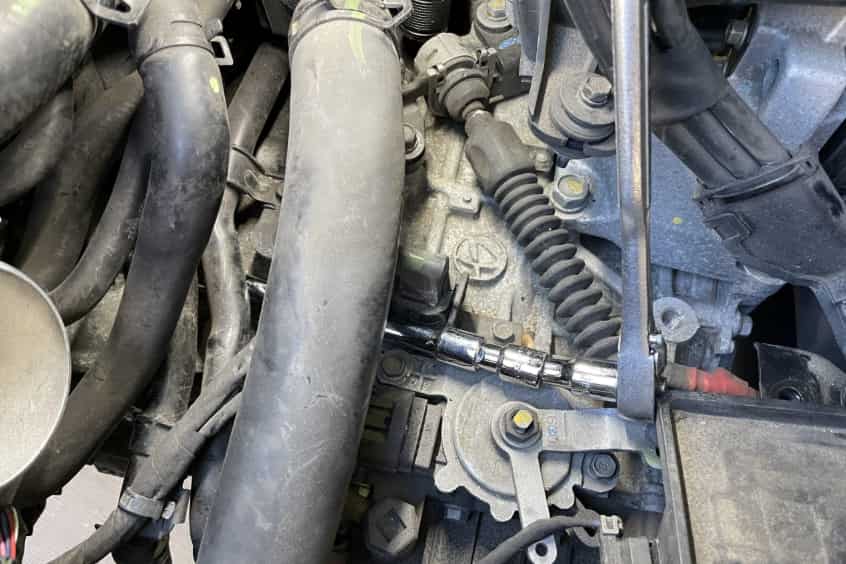
Hyundai Sonata Starting System Overview
The starting system in a Hyundai Sonata controls how the engine begins running. It connects several key components that work together when you turn the ignition key or press the start button. The main parts include the battery, ignition switch, starter relay, and starter motor.
The process starts when the battery sends electrical power to the system. The ignition switch then activates the starter relay. The relay sends the signal to the starter motor. The starter motor uses this power to turn the engine flywheel. This movement allows the engine to start combustion and run on its own power.
Each component plays a specific role in this process. The battery provides energy. The ignition switch controls the signal. The relay acts as a bridge. The starter motor performs the mechanical work. If one part fails, the engine may not start.
Many drivers mistake starter issues for battery problems. This happens because both issues can stop the engine from starting. However, the symptoms often differ. A weak battery usually causes slow cranking or dim lights. A bad starter often causes a click sound or no engine response at all.
Understanding how the starting system works helps you diagnose problems more accurately. It also helps you avoid unnecessary part replacements and reduces repair costs.
Hyundai Sonata Starter Failure Symptoms Explained
A failing starter in a Hyundai Sonata shows clear warning signs before it stops working completely. Recognizing these symptoms early helps you avoid being stranded and reduces repair costs.
One of the most common signs is a clicking sound when you try to start the engine. This sound usually means the starter relay activates, but the starter motor does not engage. The engine does not turn over in this case.
Another common symptom is a no crank condition. You turn the key or press the start button, but nothing happens. The dashboard lights may still turn on, which often confuses drivers. The electrical system works, but the starter cannot move the engine.
Some vehicles show intermittent starting issues. The car starts normally at times but fails without warning at other times. This usually indicates internal wear inside the starter motor or unstable electrical contact.
You may also notice slow or weak cranking before total failure. The engine turns more slowly than normal and struggles to start. This often appears before complete breakdown.
In rare cases, a burning smell may come from the engine bay after repeated starting attempts. This can indicate overheating inside the starter due to excessive electrical resistance.
Understanding these symptoms helps you identify starter failure early and take action before the problem becomes more serious.
Hyundai Sonata Starter vs Battery vs Alternator Problems
Many Hyundai Sonata starting issues look similar at first, but the root causes are different. The starter, battery, and alternator each affect the starting system in a different way. Understanding these differences helps you avoid incorrect repairs.
A weak battery usually causes slow engine cranking. The dashboard lights often appear dim, and the electrical systems may feel underpowered. In some cases, the car does not respond at all because the battery cannot supply enough energy.
A bad starter creates a different pattern. The most common sign is a single click sound when you try to start the engine. Sometimes you hear no sound at all. The lights on the dashboard may still work normally because the battery still has power.
An alternator problem behaves differently. The engine may start normally at first. However, the vehicle will lose power while driving. Electrical systems may fail gradually as the battery drains. This happens because the alternator cannot recharge the battery.
A jump start test can help identify the issue. If the engine starts after a jump start, the battery is likely the problem. If the engine still does not respond, the starter becomes the main suspect.
Correct identification is important. It helps you avoid replacing the wrong part and reduces unnecessary repair costs.
What Causes Hyundai Sonata Starter Failure
A Hyundai Sonata starter can fail for several reasons. Most failures come from normal wear, but external factors can also damage the system over time.
The most common cause is internal wear of the starter motor. The starter contains moving parts that wear down after repeated use. Over time, the motor loses strength and cannot turn the engine properly. This leads to slow cranking or complete failure.
Electrical problems also cause starter failure. Corroded battery terminals can block power flow to the starter. Loose or damaged wiring can create unstable voltage. In some cases, the starter relay or fuse fails and interrupts the signal completely.
Heat is another important factor. The starter sits close to the engine and faces high temperatures during operation. Long exposure to heat can damage internal components and reduce performance over time.
Fluid leaks can also affect the starter. Engine oil or coolant leaks may reach the starter housing. This contamination can interfere with electrical contact and mechanical movement. It often leads to early failure.
Driving habits also play a role. Frequent short trips force the starter to work more often. This increases wear and shortens its lifespan. Poor maintenance of the battery system can also increase stress on the starter.
Understanding these causes helps you prevent premature failure and maintain a more reliable starting system.
Hyundai Sonata Starter Replacement Cost Breakdown
The cost of a Hyundai Sonata starter replacement depends on several factors. These include the model year, the type of part you choose, and the labor rates in your area.
On average, the total replacement cost includes both the starter part and labor. The part cost varies depending on whether you choose OEM or aftermarket options. OEM starters usually cost more, but they offer better reliability and longer service life. Aftermarket starters cost less, but quality can vary between brands.
Labor cost also affects the final price. A dealership usually charges higher labor fees compared to an independent repair shop. The installation process can take time because the starter is located in a tight space in the engine bay.
The vehicle model year also influences the cost. Newer Hyundai Sonata models often require more labor because the engine layout is more compact. This increases the time needed for removal and installation.
Additional costs may appear if the mechanic needs to run a full diagnostic check. Some cases also require inspection of related components such as wiring, relay, or battery connections.
Understanding these cost factors helps you prepare financially and choose the right repair option based on your budget and vehicle condition.
Hyundai Sonata Starter Replacement DIY Guide
Replacing a Hyundai Sonata starter at home is possible if you have basic mechanical skills and the right tools. You need to work carefully because the starter system connects directly to the electrical system and the engine.
The first step is to disconnect the negative battery terminal. This step is important because it prevents electrical shock and short circuits. Safety should always come first before working on any electrical component.
Next, you need to locate the starter motor. It is usually mounted near the lower part of the engine and attached to the transmission area. In some Hyundai Sonata models, access may be limited, so you may need to remove additional covers or components.
After locating the starter, you disconnect the electrical wiring. You should note the position of each connection to avoid mistakes during reinstallation. Then you remove the mounting bolts that hold the starter in place.
Once the bolts are removed, you carefully take out the old starter. You then install the new starter in the same position. After securing the bolts, you reconnect the electrical wiring.
Finally, you reconnect the battery and test the ignition. The engine should start normally if the installation is done correctly. If the engine does not start, you should recheck the wiring and connections.
DIY replacement can save money, but it requires patience and attention to detail. If you are not confident, a professional mechanic is a safer choice.
OEM vs Aftermarket Starter for Hyundai Sonata
Choosing between an OEM starter and an aftermarket starter for a Hyundai Sonata affects both performance and long term reliability. Each option has clear advantages and limitations depending on your budget and expectations.
An OEM starter is designed by the original manufacturer for Hyundai vehicles. It matches the exact specifications of your Sonata model. This usually results in better compatibility and more stable performance. OEM starters also tend to last longer because they follow strict quality standards.
An aftermarket starter is produced by third party manufacturers. These parts are more affordable and widely available. Many aftermarket options work well, especially from reputable brands. However, quality can vary, and some lower grade products may fail earlier than expected.
Durability is an important difference between the two options. OEM starters generally offer more consistent long term reliability. Aftermarket starters can be cost effective, but they require careful selection to avoid poor quality units.
Your choice depends on your priorities. If you want maximum reliability and fewer future issues, OEM is the safer option. If you want to reduce upfront cost, a high quality aftermarket starter can be a practical solution.
Understanding this difference helps you make a better repair decision and avoid repeated starter problems in the future.
How to Diagnose a Bad Starter in Hyundai Sonata
Diagnosing a bad starter in a Hyundai Sonata requires simple checks and careful observation. You do not always need advanced tools, but you must understand how the symptoms connect to the system.
The first step is to observe what happens when you turn the ignition. If you hear a single click and the engine does not turn, the starter may be the issue. If there is no sound at all, you should also consider electrical problems in the starter circuit.
Next, you can check the battery condition. A healthy battery should provide enough power for the starter to operate. If the battery is weak, the engine may crank slowly or not respond at all. A jump start test can help confirm this. If the engine starts after a jump, the battery is likely the problem instead of the starter.
You should also listen for relay activity. If the starter relay clicks but the engine does not crank, the starter motor may not be engaging properly. This is a strong indicator of starter failure.
Another useful check is to inspect the electrical connections. Loose or corroded terminals can block power flow and create symptoms similar to a bad starter. Cleaning and tightening connections can sometimes restore normal operation.
Accurate diagnosis is important because it prevents unnecessary replacement and helps you fix the real problem quickly.
How to Extend Hyundai Sonata Starter Lifespan
You can extend the lifespan of a Hyundai Sonata starter by maintaining the electrical system and using proper driving habits. A healthy system reduces stress on the starter and helps it last longer.
One important step is to keep the battery in good condition. A weak battery forces the starter to work harder during each ignition attempt. Regular battery checks help ensure stable voltage and smooth engine starting.
Clean electrical connections also play a key role. Corroded or loose terminals can reduce power flow to the starter. You should inspect and clean battery terminals to maintain strong electrical contact.
Avoid repeated short starting attempts. Each ignition cycle puts stress on the starter motor. If the engine does not start quickly, you should pause before trying again to prevent overheating.
Heat protection is also important. The starter operates near the engine, where temperatures are high. Proper maintenance of engine components helps reduce excessive heat exposure.
Regular vehicle inspections help detect early electrical issues. Fixing small problems early prevents damage from spreading to the starter system.
Good maintenance habits improve reliability and reduce the risk of sudden starter failure. This helps you avoid unexpected breakdowns and expensive repairs.
Conclusion
Understanding the Hyundai Sonata Starter Replacement Guide: Signs, Costs, and DIY Fixes helps you handle one of the most common no start problems with confidence. The starter system plays a key role in engine operation, and even a small failure can prevent your vehicle from starting completely.
By recognizing early symptoms such as clicking sounds, slow cranking, or no response when turning the ignition, you can diagnose the issue faster and avoid unnecessary repairs. You also gain a better understanding of how to separate starter problems from battery or alternator issues, which is one of the most common sources of misdiagnosis.
Cost awareness is also important. Knowing how OEM and aftermarket options differ helps you choose the right replacement based on your budget and long term reliability needs. In some cases, a DIY replacement is possible, but it requires careful attention to safety and correct installation steps.
Regular maintenance of your Hyundai Sonata electrical system can significantly extend starter lifespan and reduce unexpected breakdowns. Simple habits like keeping the battery healthy and avoiding repeated ignition attempts make a big difference over time.
If your vehicle shows consistent starter failure symptoms, taking action early will save both time and money and help you keep your Sonata running reliably.
Frequently Asked Questions
How long does a Hyundai Sonata starter last
A starter usually lasts between several years of normal driving use. Lifespan depends on driving habits, battery condition, and maintenance quality.
Can a bad starter drain the battery
A failing starter can draw excessive current, which may reduce battery performance over time. This can make the battery appear weak.
Can you jump start a car with a bad starter
A jump start may not help if the starter is damaged. If the starter is faulty, the engine will still not crank even with a good battery boost.
Is it safe to drive with a failing starter
Driving is possible only if the car still starts, but the risk of sudden failure increases. The vehicle may stop starting without warning.
What is the main cause of starter failure
The most common cause is natural wear of internal components. Heat, electrical issues, and poor maintenance also contribute to failure.