Adjusting a Husqvarna 128LD carburetor involves setting the engine’s idle speed and checking whether the fuel-air mixture is properly regulated. The primary adjustment is made using the idle speed screw, which controls how fast the engine runs when the throttle is released. Fuel-mixture adjustments depend on the installed carburetor configuration, as not every Husqvarna 128LD carburetor has accessible high-speed (H) and low-speed (L) adjustment screws.
A properly adjusted carburetor allows the Husqvarna 128LD string trimmer to maintain a stable idle, accelerate smoothly, and operate without unnecessary stalling. Incorrect settings can cause rough idling, hesitation during acceleration, excessive engine speed, or a cutting head that continues rotating at idle. Running the engine with an excessively lean fuel mixture can also increase operating temperatures and potentially damage internal components.
Before adjusting the carburetor, inspect the air filter, fuel lines, spark plug, and fuel quality. These components directly affect engine performance, and problems such as clogged filters or restricted fuel delivery cannot be corrected through carburetor adjustment alone.
This guide explains how to locate the Husqvarna 128LD carburetor adjustment screws, prepare the engine, adjust idle speed, evaluate fuel-mixture controls, and verify proper operation. It also covers common carburetor problems, troubleshooting procedures, and situations where cleaning or replacement is necessary.
Where Are the Carburetor Adjustment Screws on a Husqvarna 128LD?
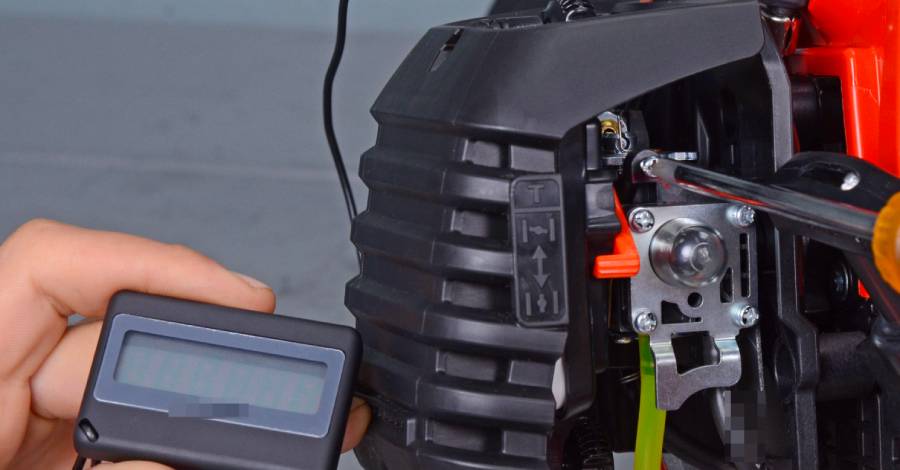
The Husqvarna 128LD carburetor adjustment controls are located on the carburetor assembly beneath the engine’s air filter housing. The idle speed adjustment screw, commonly identified as the T screw, controls the throttle opening when the trigger is released. Depending on the installed carburetor version, additional high-speed (H) and low-speed (L) fuel-mixture adjustment screws may be present, restricted, or inaccessible to the operator.
The idle adjustment screw controls engine speed without directly changing the calibrated fuel mixture. Turning the T screw clockwise generally increases idle speed by opening the throttle slightly, while turning it counterclockwise decreases idle speed. The correct setting allows the engine to run continuously without engaging the centrifugal clutch. The cutting attachment must remain stationary when the engine is idling. If the cutting head continues rotating after idle adjustment, stop the engine and inspect the clutch and throttle mechanism before further operation.
The low-speed (L) adjustment screw regulates fuel delivery through the carburetor’s low-speed circuit, which affects idle quality and initial acceleration. An incorrect low-speed mixture can cause hesitation when the throttle opens, unstable idling, or engine stalling. A mixture that is too lean supplies insufficient fuel relative to the incoming air, while an excessively rich mixture supplies more fuel than the engine can burn efficiently. However, the presence and accessibility of the L screw must be verified on the specific carburetor before attempting adjustment.
The high-speed (H) adjustment screw regulates fuel metering during higher engine-speed operation on carburetors equipped with an adjustable high-speed circuit. Incorrect high-speed calibration can cause poor acceleration, excessive fuel consumption, overheating, or engine damage. Some Husqvarna 128LD carburetor configurations use factory-calibrated or restricted mixture controls to meet emissions requirements. These settings should not be altered without the applicable service specifications and proper diagnostic equipment.
Before turning any adjustment screw, identify its function using the correct carburetor identification and manufacturer documentation. The T screw is used for routine idle-speed correction, while adjustments to accessible H and L screws require the appropriate service procedure. Do not assume that every Husqvarna 128LD carburetor has three externally adjustable screws.
What Should You Check Before Adjusting a Husqvarna 128LD Carburetor?
Before adjusting a Husqvarna 128LD carburetor, check five essential components: the air filter, fuel mixture, fuel lines and filter, spark plug, and throttle mechanism. These components affect engine starting, idle stability, and acceleration. A mechanical or fuel-delivery problem can produce symptoms similar to incorrect carburetor settings, making preliminary inspection necessary for accurate adjustment.
Inspect the air filter for dirt, debris, and restricted airflow. A clogged air filter reduces the amount of air entering the carburetor, which can cause an overly rich fuel-air mixture, rough idling, and poor throttle response. Remove the air filter cover with the engine switched off and examine the filter for accumulated grass clippings, dust, or oil deposits. Clean or replace the filter according to the manufacturer’s instructions before making carburetor adjustments. Reinstall the filter and cover before running the engine.
Check the fuel quality and two-stroke oil mixture. The Husqvarna 128LD uses a two-stroke engine that requires gasoline mixed with suitable two-stroke engine oil. Husqvarna specifies a 50:1 gasoline-to-oil ratio, equivalent to 2.6 US fluid ounces of oil per US gallon of gasoline. Incorrect fuel proportions, contaminated gasoline, or deteriorated fuel can cause difficult starting, inconsistent combustion, and engine stalling. Replace questionable fuel with a freshly prepared mixture that meets the manufacturer’s fuel specifications.
Examine the fuel lines and fuel filter for restrictions or damage. Cracked fuel hoses can introduce air into the fuel supply, while a clogged fuel filter restricts gasoline delivery to the carburetor. Both conditions can cause hesitation, especially when engine speed increases. Inspect visible hoses for cracks, loose connections, and fuel leakage. Replace damaged components before attempting adjustment, and never operate the trimmer when fuel is leaking.
Inspect the spark plug for wear, deposits, and incorrect electrode clearance. A worn or contaminated spark plug can produce intermittent ignition, resulting in misfires, difficult starting, and unstable idle speed. Remove the spark plug after the engine has cooled and examine the electrodes for carbon buildup, damage, or excessive wear. Verify the electrode gap against the specifications for the applicable Husqvarna 128LD model before reinstalling or replacing the plug.
Check the throttle trigger, return mechanism, and cutting attachment before starting the engine. The throttle trigger must move freely and return to its released position without sticking. A binding throttle cable or damaged return mechanism can keep the throttle partially open, creating an unsafe idle condition that carburetor adjustment cannot correct.
For the adjustment itself, prepare a screwdriver that fits the designated idle screw and a tachometer if engine-speed measurement is required. Perform the procedure outdoors in a well-ventilated area, on stable ground, with the cutting attachment clear of people and objects. Wear eye and hearing protection, and keep hands away from moving parts. Use only the adjustment controls and procedures authorized for the installed carburetor configuration.
How Do You Adjust the Carburetor on a Husqvarna 128LD Step by Step?
To adjust a Husqvarna 128LD carburetor, warm up the engine, locate the idle adjustment screw, make small idle-speed corrections, and verify that the engine runs steadily without rotating the cutting attachment. Low-speed and high-speed fuel-mixture adjustments require additional precautions because their availability and calibration depend on the installed carburetor.
How Do You Warm Up the Husqvarna 128LD Engine Before Adjustment?
Warm up the Husqvarna 128LD engine before adjusting its carburetor to obtain a stable operating temperature. A cold two-stroke engine requires different starting conditions and may not maintain the same idle speed as a fully warmed engine. Adjusting the carburetor while the engine is cold can therefore produce an incorrect setting once normal operating temperature is reached.
Place the string trimmer on a stable outdoor surface with the cutting attachment clear of obstacles. Start the engine according to Husqvarna’s starting instructions, using the choke and primer as specified. Allow the engine to warm up under normal operating conditions, then release the throttle and observe its idle behavior. The engine should run without repeated stalling, excessive vibration, or uncontrolled acceleration.
Before proceeding, confirm that the choke is fully disengaged and the throttle trigger returns freely to its resting position. A partially engaged choke changes the fuel-air mixture, while a sticking throttle can increase engine speed independently of the carburetor’s idle setting. Stop the engine if the cutting attachment cannot be kept clear or the throttle mechanism does not function correctly.
How Do You Adjust the Idle Speed on a Husqvarna 128LD?
Adjust the Husqvarna 128LD idle speed by turning the T adjustment screw in small increments until the engine runs steadily and the cutting attachment remains stationary. The T screw controls the throttle opening at idle rather than directly adjusting the fuel-air mixture.
Follow these steps to set the idle speed:
- Locate the T adjustment screw on the carburetor and identify a screwdriver that fits its head correctly.
- Start and warm up the engine, then release the throttle completely.
- Turn the T screw clockwise in small increments if the engine repeatedly stalls at idle. This generally increases idle speed by opening the throttle slightly.
- Turn the T screw counterclockwise if the idle speed is excessive or the cutting attachment rotates while the throttle is released.
- Allow the engine speed to stabilize after each adjustment and observe whether it maintains a consistent idle.
- Briefly accelerate the engine and release the throttle to confirm that it returns to a stable idle without stalling or engaging the cutting attachment.
The correct idle setting keeps the engine running without causing the centrifugal clutch to drive the cutting head. If the cutting attachment continues rotating at idle and cannot be stopped through the manufacturer’s prescribed adjustment, stop the engine and have the clutch and throttle system inspected. Do not continue operating the trimmer with an attachment that rotates at idle.
A tachometer provides an objective engine-speed measurement when a verified idle RPM specification is available. Use the specification for the exact model and configuration rather than selecting an arbitrary RPM value.
How Do You Adjust the Low-Speed Fuel Mixture on a Husqvarna 128LD?
Low-speed fuel-mixture adjustment on a Husqvarna 128LD is possible only when the installed carburetor has an adjustable low-speed circuit and the manufacturer permits servicing that control. The L adjustment screw, where fitted, regulates fuel metering at low engine speeds and influences the transition from idle to acceleration.
An excessively lean low-speed mixture can cause hesitation, unstable idling, and stalling when the throttle opens. An excessively rich mixture can produce sluggish acceleration, irregular combustion, and increased exhaust smoke. Similar symptoms can also result from clogged fuel passages, damaged diaphragms, or air leaks, so they do not independently confirm an incorrect L setting.
Identify the carburetor model and consult the applicable service procedure before attempting low-speed mixture adjustment. Some carburetors have restricted or factory-calibrated mixture controls that are not intended for routine owner adjustment. Do not remove limiter caps or force an adjustment tool into a restricted opening.
For a carburetor with an authorized, serviceable L adjustment, follow the manufacturer’s specified initial setting, adjustment sequence, and engine-speed verification procedure. Make only the corrections permitted by that procedure and evaluate throttle response after each change. Avoid applying generic instructions such as turning the screw a fixed number of rotations from its seated position, because the correct setting depends on the carburetor configuration.
How Do You Adjust the High-Speed Fuel Mixture on a Husqvarna 128LD?
High-speed fuel-mixture adjustment on a Husqvarna 128LD requires the correct carburetor service specifications and an appropriate engine-speed measurement method. The H adjustment screw, when fitted and serviceable, controls fuel metering during higher-speed engine operation.
A lean high-speed mixture can increase combustion temperatures and reduce lubrication margins in a two-stroke engine, potentially damaging the piston and cylinder. An excessively rich mixture can reduce engine performance and produce incomplete combustion. Because high-speed mixture changes affect engine operation under substantial load, incorrect calibration presents a greater mechanical risk than routine idle-speed adjustment.
Before attempting high-speed adjustment, confirm that the installed carburetor provides an authorized H adjustment and that the applicable service information specifies the procedure. A tachometer may be required to verify that engine speed remains within the manufacturer’s limits. Do not use engine sound alone to establish maximum-speed calibration or assume that turning the H screw clockwise or counterclockwise is appropriate without identifying the carburetor.
If the high-speed circuit is factory-calibrated, restricted, or lacks an accessible adjustment screw, leave the setting unchanged. Have a qualified small-engine technician perform any necessary fuel-mixture calibration using the correct service documentation and diagnostic equipment.
After completing the permitted adjustments, return the engine to idle and verify stable operation, smooth throttle response, and a stationary cutting attachment. Stop the engine if it races, surges uncontrollably, overheats, or fails to return to a safe idle.
How Do You Know If a Husqvarna 128LD Carburetor Is Adjusted Correctly?
A Husqvarna 128LD carburetor is adjusted correctly when the engine maintains a stable idle, accelerates smoothly, returns to idle without stalling, and keeps the cutting attachment stationary when the throttle is released. These operating characteristics indicate that the idle setting supports normal engine operation without unintentionally engaging the centrifugal clutch. However, smooth running alone does not confirm that the high-speed fuel mixture meets factory specifications.
The first indicator is consistent idle speed without excessive vibration, surging, or repeated stalling. After warming up the engine, release the throttle and observe its operation. The engine should maintain a steady rhythm without requiring additional throttle input. An idle speed that fluctuates continuously can indicate an incorrect setting, restricted fuel delivery, or an air leak. If the engine stalls immediately after releasing the throttle, inspect the idle adjustment and fuel system before making further changes.
The second indicator is smooth acceleration from idle to higher engine speeds. Press the throttle progressively and observe how the engine responds. A properly functioning carburetor should deliver sufficient fuel during acceleration without pronounced hesitation, bogging, or interruption. Delayed acceleration can result from restricted carburetor passages, fuel filter blockage, or incorrect mixture calibration on an adjustable carburetor. Persistent hesitation after idle adjustment requires further diagnosis rather than repeated changes to the T screw.
The third indicator is a stationary cutting attachment at idle. The Husqvarna 128LD uses a centrifugal clutch that engages as engine speed increases. When the throttle is released, engine speed must fall below the clutch engagement threshold so the cutting head stops rotating. If the attachment continues spinning, the idle speed may be excessive, or the clutch or throttle mechanism may be defective. Stop the engine and correct the problem before operating the trimmer.
A final verification involves checking engine speed against the manufacturer’s specifications when appropriate diagnostic equipment is available. A tachometer measures RPM more reliably than judging engine sound alone. This is especially important when evaluating high-speed operation, because an engine can sound normal while running outside its specified limits. If the engine operates smoothly at idle but exhibits excessive RPM, abnormal heat, or persistent performance problems, further professional inspection is necessary.
Successful carburetor adjustment restores stable engine operation without compromising cutting attachment safety or manufacturer-defined engine-speed limits. If these conditions cannot be achieved through the permitted adjustment procedure, inspect the fuel system, intake components, and carburetor condition before attempting additional calibration.
Why Does a Husqvarna 128LD Still Stall After Carburetor Adjustment?
A Husqvarna 128LD that continues stalling after carburetor adjustment typically has an unresolved fuel-delivery problem, restricted airflow, an intake air leak, or a malfunctioning carburetor component. Adjusting the idle speed screw changes the throttle opening but does not repair blocked fuel passages, damaged diaphragms, or leaks in the intake system. Identifying the underlying cause requires checking how the engine behaves at idle, during acceleration, and after reaching normal operating temperature.
A clogged fuel filter can cause repeated stalling by restricting gasoline flow to the carburetor. The Husqvarna 128LD draws fuel from its tank through a pickup filter and fuel lines. When dirt, fuel deposits, or other contaminants obstruct the filter, the carburetor may receive insufficient fuel to maintain consistent combustion. The engine may start normally but stall when the throttle opens because fuel demand increases faster than the restricted supply can deliver. Inspect the fuel filter and replace it if contamination or blockage is found. Check the fuel lines for cracks, deterioration, and loose connections that could interrupt fuel delivery.
An intake air leak can cause unstable idling by allowing unmetered air to enter the engine. Leaks around the carburetor mounting surfaces, intake connections, or related sealing components can change the effective fuel-air ratio. This condition can produce an excessively lean mixture, resulting in fluctuating engine speed, hesitation, and unexpected stalling. Turning the idle adjustment screw may temporarily change engine behavior, but it does not eliminate the leak. Inspect accessible intake connections for visible damage or looseness, and have suspected internal sealing problems diagnosed using appropriate small-engine testing procedures.
A damaged carburetor diaphragm can also prevent the engine from maintaining a consistent fuel supply. The Husqvarna 128LD uses a diaphragm-type carburetor designed to meter fuel during operation in different working positions. Over time, diaphragm material can stiffen, deform, or deteriorate, affecting fuel pumping and metering. These problems can cause difficult starting, inconsistent idle speed, and stalling during throttle transitions. A defective diaphragm requires carburetor servicing or replacement rather than further adjustment of the idle screw.
Other potential causes include a clogged air filter, contaminated gasoline, restricted carburetor passages, or an ignition problem. A dirty air filter reduces airflow, while deteriorated fuel can leave deposits that interfere with fuel metering. A worn spark plug may cause intermittent ignition that resembles carburetor trouble. Inspect these components individually instead of assuming that every stalling symptom originates from incorrect carburetor settings.
The most effective troubleshooting sequence is to verify fuel quality, inspect the air filter and spark plug, examine the fuel lines and filter, and then evaluate the carburetor and intake system. This approach separates basic maintenance problems from faults requiring specialized repair. If the engine continues stalling after these checks, professional diagnosis is preferable to repeated mixture adjustments that could introduce additional performance problems or engine damage.
Why Does a Husqvarna 128LD Bog Down When Accelerating?
A Husqvarna 128LD bogs down during acceleration when the engine cannot maintain the correct fuel-air mixture or produce consistent combustion as throttle demand increases. The most common causes include restricted fuel delivery, clogged carburetor passages, a dirty air filter, and deteriorated carburetor diaphragms. These problems interrupt the transition from idle to higher engine speeds, causing hesitation, reduced power, or stalling when the throttle trigger is pressed.
Restricted fuel delivery is a primary cause of acceleration hesitation. When the throttle opens, the engine requires more fuel to support increased combustion and engine speed. A clogged fuel filter, deteriorated fuel line, or obstructed carburetor passage can prevent sufficient gasoline from reaching the engine. For example, a Husqvarna 128LD may idle normally but lose power immediately when the operator presses the throttle because the fuel system cannot meet the increased demand. Inspect the fuel filter, fuel lines, and carburetor passages before attempting additional adjustments.
An incorrect low-speed fuel mixture can also cause bogging during the transition from idle to acceleration. On carburetors equipped with an adjustable low-speed circuit, the L setting influences fuel metering at low throttle openings. An excessively lean mixture can cause hesitation because the engine receives insufficient fuel during acceleration. An overly rich mixture can produce sluggish throttle response and incomplete combustion. However, not every Husqvarna 128LD carburetor has an accessible L adjustment screw. Fuel-mixture calibration should follow the manufacturer’s procedure for the specific carburetor rather than generic screw-turn recommendations.
A clogged air filter can reduce acceleration performance by restricting the airflow needed for combustion. As engine speed increases, airflow demand rises. Dirt, grass debris, and accumulated oil deposits can limit incoming air and disturb the fuel-air ratio. This restriction can cause poor throttle response, excessive exhaust smoke, and reduced engine power. Inspect the air filter with the engine switched off, then clean or replace it according to Husqvarna’s maintenance instructions.
Carburetor diaphragm deterioration and ignition problems can produce similar symptoms. A stiff or damaged metering diaphragm may respond poorly to changing fuel demand, while a worn spark plug can cause intermittent combustion under acceleration. These faults cannot be corrected by increasing idle speed. If the engine hesitates despite having fresh fuel, an unrestricted air filter, and an intact fuel supply, inspect the carburetor and ignition system for mechanical defects.
To diagnose acceleration bogging, check the fuel supply first, inspect the air filter and spark plug, and then evaluate the carburetor’s internal condition. This sequence helps distinguish fuel restrictions and component failures from adjustment-related problems. If the engine continues losing power or stalls during acceleration, stop operating the trimmer until the underlying fault is identified. Repeatedly changing carburetor settings without confirming the cause can worsen engine performance and increase the risk of damage.
When Should You Clean the Husqvarna 128LD Carburetor Instead of Adjusting It?
Clean the Husqvarna 128LD carburetor instead of adjusting it when clogged fuel passages, contaminated fuel, or internal deposits prevent consistent fuel delivery. Carburetor adjustment changes engine operating settings, while cleaning removes obstructions that interfere with fuel metering. If the engine continues stalling, hesitating, or running unevenly after basic maintenance and permitted idle adjustments, contamination inside the carburetor should be investigated before changing additional settings.
Clogged fuel passages are a common reason carburetor adjustment fails to restore normal engine performance. The Husqvarna 128LD uses a diaphragm-type carburetor with small internal passages that regulate gasoline delivery. Fuel left in the system during extended storage can deteriorate and leave deposits that restrict these passages. For example, a partially obstructed low-speed circuit may allow the engine to start but cause hesitation or stalling when the throttle opens. Increasing idle speed does not remove the obstruction and may conceal the underlying problem.
Carburetor cleaning is appropriate when fuel contamination or deposits are identified during inspection. Begin by checking the fuel tank, fuel filter, and fuel lines for dirt or deteriorated gasoline. If these components are serviceable but fuel-delivery symptoms persist, the carburetor may require removal and internal inspection. Cleaning should follow the applicable carburetor service instructions, using compatible cleaning products and protecting sensitive components such as diaphragms, gaskets, and rubber seals. Avoid forcing wires or sharp tools into calibrated fuel passages because they can damage precision metering surfaces.
Cleaning alone will not correct worn diaphragms, damaged seals, or defective fuel-metering components. A hardened diaphragm may fail to respond correctly to pressure changes even when the internal passages are clean. Similarly, damaged gaskets can allow air or fuel leakage that disrupts engine operation. These components require replacement with compatible service parts rather than additional cleaning or adjustment.
After servicing, reinstall the carburetor correctly, verify fuel-line connections, and check for leaks before starting the engine. Confirm that the engine maintains a stable idle, accelerates smoothly, and keeps the cutting attachment stationary when the throttle is released. If cleaning does not restore normal operation, inspect the carburetor for internal damage before attempting further adjustment.
Read more: How to Transfer Auto Title in Georgia: Step-by-Step
When Does a Husqvarna 128LD Carburetor Need Replacement?
A Husqvarna 128LD carburetor needs replacement when internal damage, severe corrosion, or defective fuel-metering components prevent reliable operation and cannot be corrected through cleaning or repair. Common warning signs include persistent engine stalling, difficult starting, inconsistent fuel delivery, and poor acceleration after the fuel system, air filter, and ignition components have been inspected. These symptoms indicate a possible carburetor failure but do not confirm that replacement is necessary without further diagnosis.
Damaged carburetor diaphragms are a common cause of fuel-metering problems in two-stroke engines. The Husqvarna 128LD uses a diaphragm-type carburetor that relies on flexible membranes to pump and regulate fuel. Exposure to deteriorated gasoline, prolonged storage, and normal material aging can cause diaphragms to harden, deform, or lose flexibility. A defective diaphragm may interrupt fuel delivery, resulting in unstable idle speed, hesitation, or repeated stalling. If the carburetor body remains serviceable, replacing the diaphragm and associated gaskets with a compatible repair kit may restore proper operation without replacing the entire assembly.
Severe internal corrosion or damage to precision fuel passages can make complete carburetor replacement necessary. Moisture contamination, degraded fuel, and improper cleaning methods can damage internal surfaces that control fuel flow. For example, corrosion affecting a metering passage or sealing surface may prevent the carburetor from maintaining consistent fuel delivery even after cleaning. Cracked carburetor housings, damaged adjustment mechanisms, and irreparable sealing surfaces are additional reasons to replace the assembly.
Before purchasing a replacement, verify the carburetor part number and compatibility with the exact Husqvarna 128LD configuration. Different production versions may use different carburetor assemblies or calibration arrangements. Matching the replacement to the equipment’s product identification information helps prevent installation problems, incorrect fuel metering, and unsuitable adjustment controls.
After installation, inspect all fuel connections for leaks and confirm that the throttle mechanism operates freely. Start the engine according to the manufacturer’s instructions and verify stable idling, smooth acceleration, and a stationary cutting attachment at idle. Any required calibration must follow the applicable service specifications. Replacement is justified when the existing carburetor cannot be restored to safe, reliable operation through appropriate servicing.
How Can You Prevent Husqvarna 128LD Carburetor Problems?
Prevent Husqvarna 128LD carburetor problems by maintaining five essential areas: fuel quality, air filtration, fuel-system cleanliness, proper storage, and regular engine inspection. These maintenance practices reduce the risk of clogged fuel passages, unstable idling, difficult starting, and poor throttle response. Consistent maintenance also helps preserve the carburetor’s factory calibration and reduces the need for repeated adjustments.
Use fresh gasoline mixed with the correct two-stroke engine oil ratio to prevent fuel-related carburetor problems. The Husqvarna 128LD requires a 50:1 gasoline-to-oil mixture, equivalent to 2.6 US fluid ounces of two-stroke oil per US gallon of gasoline. Incorrect mixing ratios can affect combustion and engine lubrication, while deteriorated gasoline can leave deposits inside the carburetor’s narrow fuel passages. Prepare fuel in a clean, approved container and follow Husqvarna’s recommendations for gasoline quality, ethanol content, and fuel storage.
Clean and inspect the air filter regularly to maintain proper airflow through the carburetor. The air filter prevents dust, grass particles, and other debris from entering the engine’s intake system. When the filter becomes clogged, restricted airflow can disturb the fuel-air mixture and reduce engine performance. Inspect the filter after operating the trimmer in dusty conditions, and clean or replace it according to the manufacturer’s maintenance schedule. A damaged filter should be replaced rather than reused because unfiltered debris can accelerate internal engine wear.
Inspect the fuel filter and fuel lines to prevent interruptions in gasoline delivery. The fuel filter protects the carburetor from contaminants inside the fuel tank, while the fuel lines transport gasoline to the metering system. A clogged filter can restrict fuel flow during acceleration, and deteriorated hoses can develop cracks or leaks. Check these components during routine maintenance and replace them when damage, blockage, or deterioration is identified. Keeping the fuel system clean reduces the likelihood of carburetor passages becoming obstructed.
Store the Husqvarna 128LD correctly when it will not be used for an extended period. Fuel left in the carburetor can deteriorate during storage, producing deposits that interfere with diaphragm movement and fuel metering. Follow the manufacturer’s storage procedure, including the recommended method for managing fuel remaining in the tank and carburetor. Store the trimmer in a dry, protected location away from ignition sources and excessive moisture.
Monitor engine performance to identify developing carburetor problems before they become severe. Changes in idle stability, throttle response, starting behavior, or fuel consumption can indicate restricted fuel delivery, air leaks, or component deterioration. Inspect the air filter, fuel supply, and spark plug when these symptoms first appear instead of immediately changing carburetor settings. The idle adjustment screw should only be adjusted when necessary, and factory-calibrated fuel-mixture controls should remain unchanged unless servicing is authorized by the manufacturer.
Regular maintenance helps the Husqvarna 128LD maintain consistent engine performance and reduces avoidable carburetor repairs. Clean fuel, unrestricted airflow, intact fuel lines, and proper storage are the most effective preventive measures for maintaining reliable carburetor operation.