The Toyota 4Runner has built a reputation as one of the toughest and most dependable SUVs ever made. It is often praised for its body on frame construction, long lasting engines, off road capability, and legendary reliability. Many owners proudly drive their 4Runners past 200,000 or even 300,000 miles with proper maintenance. That level of durability has made the SUV a favorite among families, adventure enthusiasts, and used car buyers alike.
However, not every Toyota 4Runner model year tells the same story.
One of the biggest mistakes buyers make is assuming that every 4Runner is automatically a safe purchase simply because it wears a Toyota badge. While the model as a whole has an excellent reputation, certain years developed recurring problems that owners repeatedly reported. Some suffered from transmission issues. Others experienced rust, expensive emissions system failures, electronic glitches, or engine related concerns that can quickly turn a dream purchase into a costly headache.
This becomes especially important when shopping for a used Toyota 4Runner. Buying the wrong model year can lead to thousands of dollars in unexpected repair bills. Many buyers focus heavily on mileage while overlooking something even more important: the specific production year and its known problem history.
In this guide, we will break down Toyota 4Runner common problems by year, identify the most troublesome model years, and help you understand which versions are worth considering before you spend your money.
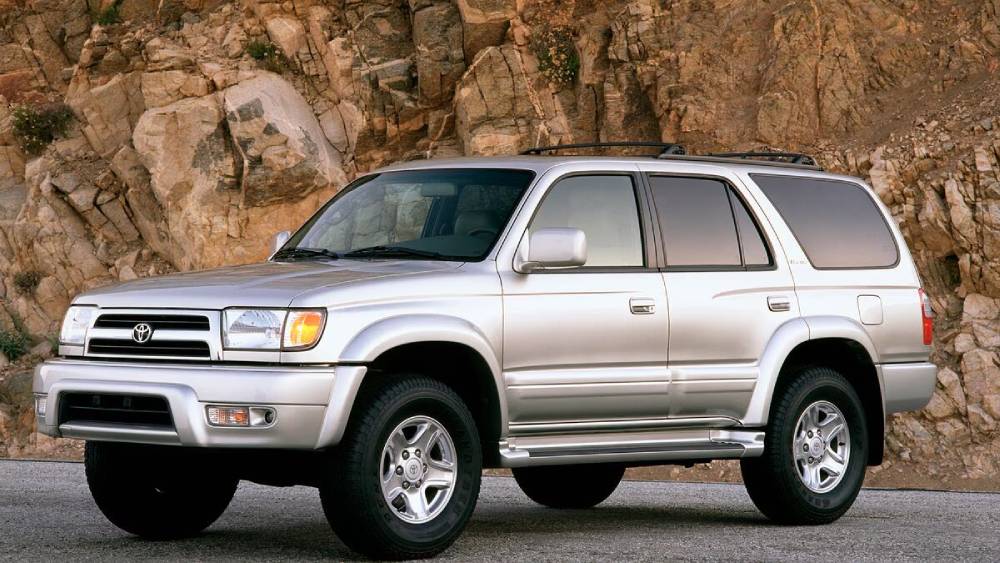
2003 Toyota 4Runner Problems
The 2003 Toyota 4Runner marked the beginning of the fourth generation and introduced major changes compared to previous models. Buyers received a redesigned body, updated technology, improved comfort, and new engine options including the V8. While the redesign attracted a lot of attention and boosted sales, experienced SUV buyers know that first year models often come with unexpected issues. The 2003 4Runner followed that pattern.
One of the most commonly reported concerns involved transmission behavior. Owners frequently mentioned hard shifting, delayed gear engagement, and occasional transmission hesitation. While not every vehicle experienced severe failure, these symptoms often became more noticeable as mileage increased. Repair costs could quickly rise if ignored, especially once internal transmission components started wearing out.
Another major complaint involved dashboard cracking. Over time, prolonged heat exposure caused many dashboards to develop visible cracks across the surface. This issue became especially frustrating for owners in warmer climates where constant sun exposure accelerated deterioration. While the problem did not directly affect vehicle performance, replacing an entire dashboard could become surprisingly expensive.
Some owners also reported suspension wear earlier than expected. Components such as shocks and bushings occasionally required replacement sooner than anticipated, particularly on vehicles frequently used for towing or off road driving.
Despite these concerns, the 2003 model still retained many strengths. The available V8 engine earned praise for durability, and many examples continue running well today. However, buyers considering this year should carefully inspect transmission behavior and interior condition before making a purchase.
The biggest lesson from the 2003 model is simple. A complete redesign often brings innovation, but it can also introduce hidden problems that only appear after years of ownership.
2004 to 2005 Toyota 4Runner Problems
The 2004 and 2005 Toyota 4Runner models continued building on the fourth generation platform. Reliability improved in several areas, but these years developed a few recurring issues that used car shoppers should understand before buying.
One major concern involved head gasket failures on certain V6 models. A failing head gasket can create serious engine problems if left untreated. Drivers sometimes reported overheating, coolant loss, rough engine operation, and white smoke coming from the exhaust. Because repairs often require extensive labor, costs can quickly become substantial.
Frame rust became another concern, especially in regions with snow, road salt, and harsh winters. Rust problems can affect structural integrity and become dangerous if severe enough. Many buyers focus heavily on engine condition while forgetting to inspect the underside of the vehicle. This mistake can turn an apparently good deal into an expensive problem later.
Owners also reported smaller electrical issues that became more common as vehicles aged. Power window problems, sensor failures, and occasional warning lights appeared in owner discussions over time. Individually these problems may seem minor, but repeated repairs can gradually increase ownership costs.
The challenge with these model years is not necessarily catastrophic failure. The issue is cumulative aging. Vehicles approaching two decades old naturally experience wear, and buyers should expect maintenance needs beyond basic oil changes and tire replacements.
Interestingly, many well maintained 2004 and 2005 4Runners still exceed 300,000 miles today. Maintenance history often matters more than mileage alone.
2006 to 2009 Toyota 4Runner Problems
The 2006 through 2009 Toyota 4Runner years are often viewed as some of the better options within the fourth generation. Toyota refined many earlier problems and improved overall reliability. However, these years were not completely free from issues.
One of the most discussed concerns involved the secondary air injection system. This emissions related system helps reduce pollutants during cold starts. When it fails, owners may suddenly see warning lights appear along with reduced engine performance.
Some vehicles entered a fail safe mode that limited acceleration and overall power output. Drivers often felt alarmed because the vehicle suddenly behaved differently even though the engine itself seemed healthy.
Repair costs became the biggest source of frustration. Replacing secondary air injection components could easily cost thousands of dollars at dealerships. For many owners, the price came as a surprise because the issue often appeared without obvious warning signs.
Check Engine lights also became a recurring complaint. While warning lights can indicate many possible causes, repeated diagnostic visits frustrated owners who struggled to identify the exact source.
The good news is that these model years generally remained strong in areas that matter most. Engines, transmissions, and overall durability continued earning positive feedback from long term owners. Many enthusiasts still recommend these years because the core vehicle itself remains highly dependable.
Buyers considering a 2006 through 2009 Toyota 4Runner should pay close attention to maintenance records and ask whether emissions related repairs have already been completed.
2010 Toyota 4Runner Problems
The 2010 Toyota 4Runner introduced the fifth generation and brought a completely new design language to the model lineup. Toyota redesigned the exterior with a more aggressive appearance, updated the interior, and added new technology features intended to attract a wider audience. Although the redesign successfully modernized the SUV, many experienced buyers remain cautious whenever discussing first year models.
As with many newly redesigned vehicles, the 2010 4Runner experienced several early production issues. Owners frequently reported unusual interior rattles and cabin noises. While these concerns may seem minor compared to engine or transmission failures, persistent noises can become irritating during long term ownership and often create the impression of lower build quality.
Some owners also experienced electrical and electronic issues. Complaints occasionally involved malfunctioning sensors, dashboard warning lights, and software related glitches. In some cases, owners reported inconsistent operation of accessories and electronic systems that required dealership updates or troubleshooting.
Another commonly discussed issue involved premature wear on suspension components. Drivers who frequently used their vehicles for towing, heavy cargo hauling, or rough terrain occasionally noticed accelerated wear patterns. While the 4Runner remained highly capable off road, hard usage naturally increased maintenance needs.
Fortunately, the core mechanical components remained relatively strong. The engine and transmission generally maintained Toyota’s reputation for long term durability. Buyers should simply understand that first year redesigns sometimes introduce smaller quality concerns that later production years gradually improve.
For shoppers interested in the fifth generation, patience often pays off because later models refined many of these early issues.
2013 to 2016 Toyota 4Runner Problems
By the time the 2013 through 2016 Toyota 4Runner models arrived, Toyota had already addressed many of the earlier concerns affecting the fifth generation. Reliability ratings remained strong, and owner satisfaction generally stayed positive. Compared with previous problem years, these models created far fewer major headaches.
Most complaints centered around technology rather than serious mechanical failures. Some owners reported infotainment system issues, including screen freezing, delayed responses, Bluetooth connectivity problems, and occasional backup camera malfunctions. These problems could frustrate drivers who expected smoother everyday convenience.
A smaller number of owners also mentioned accessory related concerns involving power locks, audio systems, and dashboard electronics. While these issues rarely disabled the vehicle, repeated visits for diagnostics occasionally became inconvenient.
Road noise generated mixed opinions as well. Some drivers believed cabin insulation could have been better, particularly at highway speeds. Although this does not qualify as a reliability issue, comfort expectations continued increasing as SUV competition became stronger.
The good news is that major concerns involving engines and transmissions remained relatively rare. Many owners considered these years among the safer used purchases because serious repair costs appeared less frequently than in earlier models.
For buyers seeking a balance between modern features and proven reliability, these model years often represent a practical middle ground.
Most Reliable Toyota 4Runner Years
After discussing common problem years, it is equally important to identify the strongest Toyota 4Runner model years. While every used vehicle should be inspected individually, some years consistently earned praise for reliability, lower complaint volume, and long term owner satisfaction.
The 1999 Toyota 4Runner often receives recognition as one of the most respected models ever produced. Many enthusiasts consider it a near perfect combination of simplicity, durability, and mechanical dependability.
The 2008 Toyota 4Runner also developed an excellent reputation. By this point Toyota had refined much of the fourth generation platform and corrected earlier issues. Owners frequently praised reliability and lower maintenance demands.
The 2017 Toyota 4Runner gained strong feedback because it offered modern features while maintaining proven mechanical components. Complaint numbers remained relatively low compared with earlier years.
The 2019 Toyota 4Runner continued delivering dependable performance and strong resale value. Many buyers viewed it as one of the safest options within the fifth generation lineup.
The 2021 Toyota 4Runner became another highly recommended year due to improved technology integration and continued reliability performance.
One reason these years stand out is consistency. Owners often reported fewer major repairs and lower stress during long term ownership. For used buyers, choosing one of these years can significantly reduce the chances of unexpected repair expenses.
A lower purchase price does not always mean a better deal. Spending slightly more on a reliable model year may save thousands of dollars in future repairs.
Toyota 4Runner Years to Avoid Summary
After reviewing Toyota 4Runner common problems by year, one thing becomes very clear. The vehicle itself remains one of the most durable SUVs on the market, but certain model years deserve extra caution. Reliability reputation alone should never replace proper research.
Below is a simplified overview of model years and their most commonly discussed concerns:
| Model Year | Major Problems | Risk Level |
|---|---|---|
| 2003 | Transmission concerns, dashboard cracking, suspension wear | High |
| 2004 to 2005 | Head gasket failures, frame rust, electrical aging issues | High |
| 2006 to 2009 | Secondary air injection failures, warning light issues | Medium |
| 2010 | First year redesign problems, interior noise, electronic issues | Medium |
| 2013 to 2016 | Infotainment and accessory concerns | Low |
This table does not automatically mean every vehicle from these years should be avoided. Vehicle condition, maintenance history, mileage, and ownership habits often matter more than the production year itself. A carefully maintained high mileage 4Runner can easily outperform a neglected lower mileage example.
Many buyers make the mistake of focusing only on purchase price. They see a lower price tag and assume they found a bargain. Unfortunately, hidden repairs can quickly erase any savings. Transmission work, rust repair, or emissions system failures can create unexpected costs that exceed initial expectations.
Before buying any used Toyota 4Runner, a pre purchase inspection from a trusted mechanic can be one of the smartest investments you make.
Conclusion
The Toyota 4Runner has earned its place as one of the most respected SUVs ever built. Its reputation for durability, off road capability, and long term reliability is not simply marketing hype. Countless owners have proven that these vehicles can survive hundreds of thousands of miles when properly maintained.
Still, understanding Toyota 4Runner common problems by year can save buyers from expensive mistakes.
Some years, particularly early redesign models and certain fourth generation examples, developed recurring issues that deserve attention. Problems involving transmissions, head gaskets, rust, and emissions systems may not affect every vehicle, but knowing where risks exist gives buyers a major advantage.
At the same time, several model years stand out for exceptional reliability and lower ownership stress. Choosing a proven year can help reduce repair costs and increase confidence in your purchase decision.
The most important lesson is simple. Never buy a used Toyota 4Runner based solely on brand reputation or mileage. Take time to research the specific model year, review maintenance records, inspect for common issues, and understand the vehicle’s history before signing any paperwork.
A little extra research today can prevent major regret tomorrow.
Have you ever owned a Toyota 4Runner? Which model year gave you the best or worst experience? Share your thoughts and real world experiences in the comments. Your insight could help future buyers make a smarter decision.