The 68RFE transmission requires strategic upgrades to deliver better reliability, stronger performance, and longer service life. Many Ram 2500 and Ram 3500 owners upgrade the transmission because factory components struggle with heavy towing, increased torque, and demanding driving conditions.
High transmission temperatures, clutch wear, and inconsistent hydraulic pressure shorten the lifespan of a stock 68RFE. These problems become more noticeable after engine tuning or when the truck regularly pulls heavy trailers. Instead of waiting for major failures, many owners strengthen the transmission before damage occurs. This approach reduces repair costs and improves long term dependability.
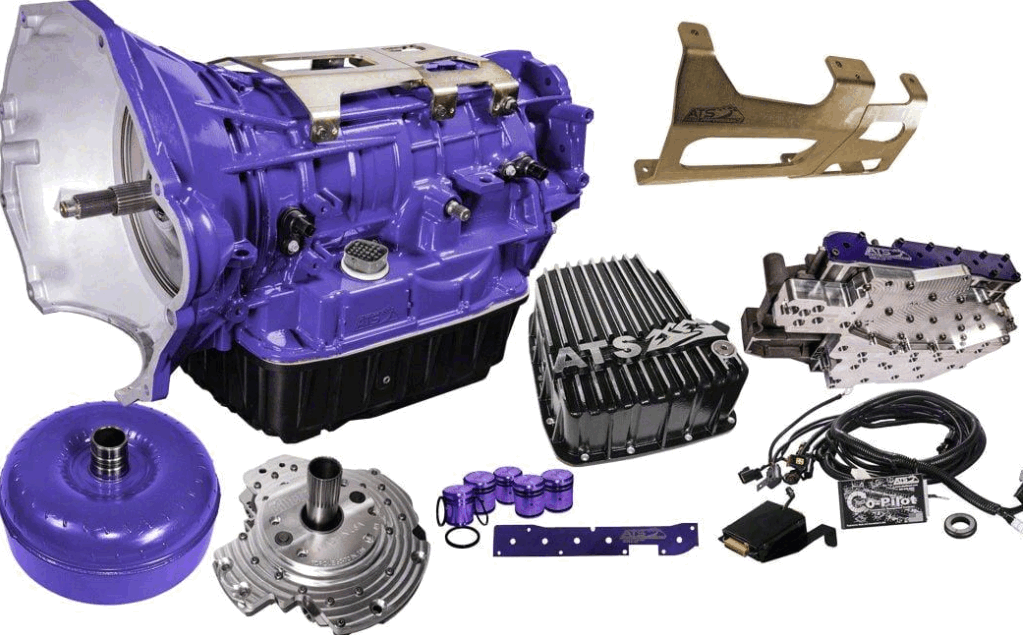
The most effective 68RFE transmission upgrades focus on the components that handle power and heat. A stronger torque converter transfers power more efficiently. An upgraded valve body improves hydraulic control and shift quality. Heavy duty clutch packs increase holding capacity, while a larger transmission cooler helps maintain safe operating temperatures. Together, these upgrades create a transmission that performs more consistently under demanding conditions.
This guide explains the best 68RFE transmission upgrades for different driving needs. You will learn which parts improve reliability, which upgrades increase performance, and which components deserve priority based on your budget and power goals. By understanding the purpose of each upgrade, you can build a stronger transmission that supports daily driving, heavy towing, or high horsepower applications with greater confidence.
Why Do Most 68RFE Transmissions Need Upgrades?
Most 68RFE transmissions need upgrades because the factory components reach their performance limits under heavy workloads. The transmission works well in stock applications, but frequent towing, higher engine output, and aggressive driving place far more stress on the internal parts than the original design intended to handle. As torque increases, the transmission must generate greater hydraulic pressure and stronger clutch engagement to transfer power efficiently.
Heat is one of the biggest factors behind premature transmission wear. Every shift creates friction inside the clutch packs, and that friction generates heat. High transmission temperatures reduce fluid viscosity and limit its ability to lubricate moving components. As the fluid loses efficiency, clutch material wears faster, seals harden, and hydraulic pressure becomes less stable. These changes gradually reduce shift quality and increase the risk of clutch slippage.
Several factory components also limit the long term durability of the 68RFE. The stock torque converter may develop excessive slip under heavy loads, while the factory valve body can struggle to maintain consistent line pressure. Clutch packs experience additional wear when they cannot hold increased torque, especially on trucks with engine tuning or oversized tires. These weaknesses often appear long before major mechanical failure occurs.
Upgrading the transmission addresses these limitations before they become expensive repairs. Stronger internal components improve power transfer, maintain stable hydraulic pressure, and reduce heat buildup during demanding driving conditions. As a result, the transmission delivers smoother shifts, supports higher torque capacity, and provides greater reliability for daily driving, heavy towing, and performance applications.
What Are the Best 68RFE Transmission Upgrades?
The best 68RFE transmission upgrades strengthen the components that control power transfer, hydraulic pressure, and heat management. Upgrading these critical parts improves reliability before serious failures develop. It also allows the transmission to handle higher torque while maintaining smooth and consistent shifts under demanding conditions.
A performance torque converter is often the first upgrade because it improves torque transfer and reduces unnecessary slip. Less slip means the transmission generates less heat during acceleration and towing. Many aftermarket torque converters also feature stronger internal components and a reinforced lockup clutch. These improvements increase durability and provide more efficient power delivery, especially for trucks that tow heavy trailers or produce additional horsepower.
An upgraded valve body delivers another significant improvement by maintaining stable hydraulic pressure throughout every gear change. Consistent pressure allows the clutch packs to engage more firmly and reduces the chance of clutch slippage. Many performance valve bodies also improve shift timing, which creates smoother operation during normal driving and quicker engagement under heavy throttle. Better hydraulic control protects internal components from excessive wear over time.
Heavy duty clutch packs and billet shafts provide the strength needed for higher power levels. Performance clutch materials withstand greater friction and maintain stronger holding capacity under load. Billet input and intermediate shafts resist twisting and fatigue far better than factory parts, making them valuable upgrades for trucks that regularly tow heavy equipment or operate with performance tuning.
Heat control is equally important because excessive temperature remains one of the leading causes of transmission failure. A larger transmission cooler increases cooling efficiency by removing heat more quickly from the transmission fluid. A deep transmission pan adds extra fluid capacity, which helps stabilize operating temperatures during long towing trips or extended highway driving. Together, these upgrades create a stronger and more reliable 68RFE transmission that performs consistently across a wide range of driving conditions.
Which Upgrades Improve Reliability the Most?
The upgrades that improve 68RFE reliability the most focus on reducing heat, maintaining stable hydraulic pressure, and strengthening internal components. These three areas determine how well the transmission performs under continuous load. Addressing them early prevents many of the failures that commonly affect stock 68RFE transmissions.
A high quality transmission cooler delivers one of the biggest reliability improvements because it controls operating temperature more effectively. Automatic transmission fluid loses its protective properties as temperatures rise. Hot fluid reduces lubrication, accelerates clutch wear, and weakens hydraulic performance. Keeping fluid temperatures within a safe range helps every internal component last longer and perform more consistently during towing or extended highway driving.
Stable hydraulic pressure is equally important because every gear change depends on precise fluid control. An upgraded valve body regulates line pressure more accurately and allows the clutch packs to engage with greater confidence. Strong hydraulic control minimizes clutch slippage, reduces unnecessary friction, and creates cleaner shifts. These improvements lower internal wear while helping the transmission handle higher torque without sacrificing drivability.
Internal strength also plays a critical role in long term reliability. Heavy duty clutch packs withstand greater friction and resist premature wear during repeated load cycles. Billet input and intermediate shafts provide additional strength by resisting flex and fatigue under higher power levels. These components reduce the likelihood of mechanical failure when the truck operates with engine tuning, oversized tires, or frequent heavy towing.
Reliable performance depends on the entire transmission system rather than a single upgraded part. Combining a stronger torque converter, upgraded valve body, improved cooling system, and reinforced internal components creates a balanced transmission that operates under less stress. This approach not only extends service life but also reduces maintenance costs and provides greater confidence in demanding driving conditions.
Which Upgrades Deliver the Biggest Performance Gains?
The upgrades that deliver the biggest performance gains improve shift speed, increase torque capacity, and maximize power transfer. A well built 68RFE transmission responds more quickly, holds gears with greater confidence, and supports higher engine output without sacrificing reliability. These improvements become increasingly valuable for trucks used for heavy towing, off road driving, or performance applications.
A performance torque converter produces one of the most noticeable improvements because it transfers engine power more efficiently. A stronger lockup clutch reduces power loss during acceleration and keeps engine speed more consistent under load. This design creates better throttle response and allows more torque to reach the drivetrain instead of being lost through excessive converter slip.
Hydraulic upgrades also play a major role in transmission performance. An upgraded valve body maintains consistent line pressure throughout every gear change, allowing the clutch packs to engage faster and more firmly. Faster clutch application shortens shift time, improves driving confidence, and reduces unnecessary heat generated during gear changes. The result is a transmission that feels more responsive while protecting internal components from excessive wear.
Higher horsepower applications require stronger internal parts to maintain dependable performance. Heavy duty clutch packs provide greater holding capacity during hard acceleration, while billet input and intermediate shafts resist twisting under extreme torque loads. These upgrades allow the transmission to support aggressive engine tuning without increasing the risk of internal component failure.
Electronic tuning further enhances transmission performance by optimizing shift strategy and converter lockup. Proper TCM calibration adjusts shift timing, line pressure, and torque converter engagement to match the upgraded hardware. When mechanical upgrades and transmission tuning work together, the 68RFE delivers quicker shifts, stronger acceleration, improved towing performance, and more consistent operation across a wide range of driving conditions.
Which 68RFE Upgrades Should You Install First?
The best upgrade sequence for a 68RFE transmission depends on how the truck is used. A daily driven truck does not require the same components as a high horsepower build or a dedicated towing vehicle. Choosing upgrades based on real driving conditions improves reliability, avoids unnecessary expenses, and creates a balanced transmission that performs efficiently under load.
Most owners should begin with a performance torque converter because it addresses one of the most common weaknesses of the factory transmission. A stronger converter transfers power more efficiently, reduces excessive slip, and lowers heat generation during acceleration and towing. Pairing this upgrade with an improved valve body creates a solid foundation by maintaining stable hydraulic pressure and producing firmer, more consistent shifts.
Owners who tow heavy trailers should focus on cooling upgrades immediately after strengthening the hydraulic system. A larger transmission cooler removes heat more effectively, while a deep transmission pan increases fluid capacity and supports better temperature control during long trips. Lower operating temperatures help preserve transmission fluid and reduce wear on clutch packs, seals, and other internal components.
Higher horsepower trucks require additional internal upgrades to match increased engine output. Heavy duty clutch packs improve holding capacity under hard acceleration, while billet input and intermediate shafts provide the strength needed to withstand higher torque levels. These components reduce the risk of shaft failure and clutch slippage when performance modifications place greater stress on the transmission.
The most effective upgrade strategy builds the transmission in stages instead of replacing every component at once. Starting with the torque converter, valve body, and cooling system delivers immediate reliability improvements for most trucks. Internal billet components and performance clutch packs become the next priority as towing demands or horsepower increase. This approach creates a dependable 68RFE transmission that supports future upgrades without compromising everyday drivability.
How Much Do 68RFE Transmission Upgrades Cost?
The cost of 68RFE transmission upgrades depends on the condition of the transmission, the quality of the components, and the truck’s intended use. Some owners only need a few reliability upgrades, while others require a complete performance build to support heavy towing or high horsepower. Investing in the right parts early often costs less than repairing a transmission after a major failure.
Entry level upgrades usually focus on preventing the most common problems. A performance transmission cooler, a deep transmission pan, and high quality transmission fluid help reduce operating temperatures and improve lubrication. Many owners also install a performance torque converter at this stage because it improves power transfer and reduces unnecessary heat. These upgrades provide noticeable reliability gains without requiring a complete transmission rebuild.
Mid level upgrade packages typically include an upgraded valve body, stronger clutch packs, and additional hydraulic improvements. These components increase line pressure, improve shift quality, and allow the transmission to handle higher torque more confidently. This level of upgrade is a practical choice for trucks that tow heavy trailers on a regular basis or operate with moderate engine tuning.
A complete performance build includes premium internal components that maximize durability under extreme conditions. Billet input shafts, billet intermediate shafts, reinforced clutch assemblies, upgraded pumps, and precision transmission tuning create a transmission capable of supporting significantly higher power levels. These upgrades are common on competition trucks and high horsepower diesel builds where long term strength is more important than minimizing initial cost.
Choosing upgrades based only on price often leads to disappointing results. A balanced combination of quality components delivers better reliability and reduces future repair expenses. Matching every upgrade to the truck’s power level and towing requirements provides greater long term value than replacing individual parts after repeated failures.
How Can You Maintain an Upgraded 68RFE Transmission?
Proper maintenance keeps an upgraded 68RFE transmission operating efficiently and protects the investment in performance components. Even the strongest internal parts depend on clean transmission fluid, stable operating temperatures, and regular inspections. A consistent maintenance routine reduces wear, preserves shift quality, and extends the service life of the entire transmission.
Transmission fluid should remain the highest maintenance priority because it lubricates moving parts, transfers hydraulic pressure, and removes heat from internal components. Over time, high temperatures and normal operation reduce the fluid’s effectiveness. Replacing the fluid and filter at appropriate service intervals helps maintain consistent hydraulic performance and prevents contaminants from damaging valves, clutches, and bearings.
Monitoring transmission temperature also plays a major role in long term reliability. Excessive heat accelerates fluid breakdown and increases friction inside the clutch packs. Many truck owners install a transmission temperature gauge or use electronic monitoring through the vehicle’s display system. Keeping temperatures within the recommended operating range allows the transmission to perform consistently during towing, mountain driving, and heavy acceleration.
Routine inspections help identify small problems before they become expensive repairs. Fluid leaks, delayed gear engagement, harsh shifts, and unusual noises often indicate developing issues that require immediate attention. Addressing these warning signs early prevents additional stress on upgraded components and reduces the likelihood of major transmission failure.
Regular maintenance protects every upgrade installed in the transmission. A well maintained torque converter, valve body, cooling system, and clutch assembly continue to perform as designed for many years. Combining high quality components with disciplined maintenance creates a dependable 68RFE transmission that delivers reliable performance in daily driving, demanding towing conditions, and high horsepower applications.
Conclusion
Choosing the right 68RFE transmission upgrades is the most effective way to improve reliability, increase performance, and extend transmission life. The factory transmission performs well under normal driving conditions, but higher torque, frequent towing, and performance modifications place greater demands on its internal components. Upgrading critical areas before problems develop helps prevent costly failures and creates a stronger foundation for long term durability.
A balanced upgrade strategy delivers better results than replacing individual parts after they fail. A performance torque converter, upgraded valve body, heavy duty clutch packs, improved cooling system, and stronger billet components work together to increase torque capacity, reduce heat, and maintain consistent shift quality. Matching these upgrades to the truck’s intended use also ensures that every component contributes to reliable performance without unnecessary expense.
Long term reliability depends on more than high quality parts alone. Regular fluid changes, proper temperature management, and routine inspections help every upgraded component perform at its full potential. When quality upgrades and preventive maintenance work together, the 68RFE transmission becomes more capable of handling daily driving, heavy towing, and high horsepower applications with greater confidence and efficiency.
If you are planning future transmission improvements, learning about common 68RFE transmission problems, rebuild options, and recommended transmission fluids can help you make better decisions and maximize the value of every upgrade.