Many drivers choose the Honda CR V because it offers dependable performance, good fuel economy, and a long service life. However, some owners notice that the engine oil level drops much faster than expected. This problem often raises concerns because it can lead to expensive engine repairs if ignored. Understanding Honda CR V burning oil helps you identify the issue early and protect your engine before serious damage occurs.
Oil burning happens when engine oil enters the combustion chamber and burns with the air fuel mixture. This problem differs from an external oil leak because the oil disappears inside the engine instead of dripping onto the ground. As a result, many drivers fail to recognize the issue until they see blue exhaust smoke, smell burning oil, or find that the oil level has fallen below the safe range.
Excessive oil consumption can affect engine performance in several ways. Low oil reduces lubrication, increases internal friction, and accelerates wear on important engine components. Over time, it may also damage the catalytic converter and shorten the engine’s lifespan. Even if your Honda CR V still runs smoothly, ignoring low oil levels can create much larger problems later.
This guide explains everything you need to know about Honda CR V burning oil. You will learn the most common causes, recognize the early symptoms, understand which model years experience oil consumption more often, compare repair costs, and discover practical solutions that help prevent future engine damage. By the end of this article, you will know how to diagnose the problem and decide on the most effective repair for your vehicle.
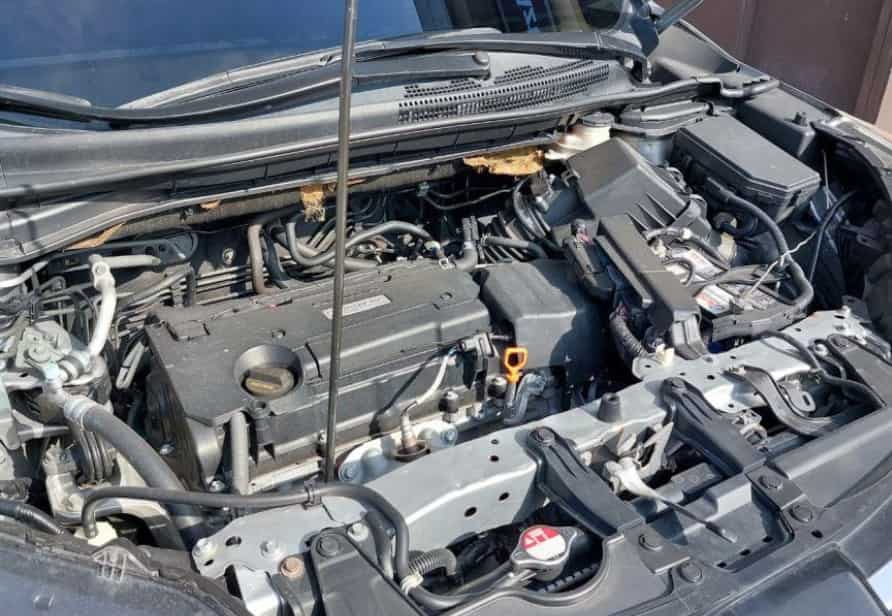
What Does It Mean When a Honda CR V Is Burning Oil?
Many drivers assume that a dropping oil level always points to an external leak. However, that is not always the case. Honda CR V burning oil describes a condition where engine oil enters the combustion chamber and burns together with the air fuel mixture. Instead of leaving visible stains under the vehicle, the oil disappears inside the engine. This process makes the problem much harder to detect during its early stages.
A healthy engine consumes a small amount of oil over time. High temperatures and normal engine operation naturally cause minimal oil loss. However, excessive oil consumption signals that one or more engine components no longer seal the combustion chamber properly. Worn piston rings, damaged valve stem seals, and a faulty PCV valve rank among the most common causes. These parts allow oil to move into areas where it should never reach.
Many owners confuse oil burning with an oil leak because both conditions lower the engine oil level. The difference is simple. An oil leak leaves visible signs around the engine, under the vehicle, or on the garage floor. Oil burning usually leaves no external evidence. Instead, drivers may notice blue exhaust smoke, a burning oil smell, carbon deposits on the spark plugs, or the need to add oil more often than usual.
Understanding this difference helps you diagnose the problem more accurately. It also prevents unnecessary repairs. Identifying the source of oil loss early reduces the risk of severe engine wear and keeps repair costs under control. The following sections explain the warning signs and mechanical causes behind Honda CR V burning oil, making it easier to determine the best solution for your vehicle.
Common Symptoms of Honda CR V Burning Oil
Recognizing the early signs of Honda CR V burning oil can help you avoid expensive engine repairs. Some symptoms appear gradually, while others become obvious only after the engine has consumed a significant amount of oil. Paying attention to these warning signs allows you to identify the problem before it causes serious internal damage.
One of the most common symptoms is a constantly dropping oil level. If you need to add oil between scheduled oil changes, your engine may consume more oil than normal. Blue or gray smoke from the exhaust is another clear indicator. This smoke usually appears during cold starts, hard acceleration, or long downhill drives when engine vacuum changes. A strong burning oil smell may also develop after driving, especially when oil reaches hot engine components or enters the combustion chamber.
Oil burning can also affect engine performance. Fouled spark plugs reduce combustion efficiency and may cause rough idling, poor acceleration, or engine misfires. In some cases, the check engine light turns on because contaminated spark plugs or oxygen sensors affect the air fuel mixture. Drivers may also notice lower fuel economy as the engine struggles to maintain efficient combustion.
Not every Honda CR V that burns oil produces visible smoke. Modern catalytic converters often burn small amounts of oil before it reaches the tailpipe. As a result, the exhaust may appear normal even though the engine continues to consume oil. For this reason, regular oil level checks remain one of the most reliable ways to detect excessive oil consumption. Identifying these symptoms early makes diagnosis easier and helps prevent further engine wear, reducing both repair time and overall maintenance costs.
What Causes a Honda CR V to Burn Oil?
Several mechanical issues can cause Honda CR V burning oil, and each problem affects the engine in a different way. Understanding these causes helps owners identify the right repair instead of replacing parts without a proper diagnosis. In most cases, excessive oil consumption happens because engine components lose their ability to control oil movement inside the combustion system.
Worn piston rings are one of the most common causes of oil burning in high mileage engines. Piston rings create a seal between the piston and cylinder wall. When these rings wear down, they allow engine oil to move into the combustion chamber. The engine then burns the oil along with fuel, which can create blue exhaust smoke and increase oil consumption.
Damaged valve stem seals can create a similar problem. These small seals control oil flow around the intake and exhaust valves. When they become hard or cracked, oil can leak into the cylinders during engine operation. Drivers often notice smoke after starting the vehicle or after long periods of idling.
A faulty PCV valve can also contribute to oil consumption. The PCV system controls pressure inside the crankcase and redirects gases back into the engine. When the valve fails, excessive pressure can push oil vapor into the intake system, where the engine burns it during combustion.
Other factors can increase the risk of oil burning. Using the wrong oil viscosity, extending oil change intervals, overheating the engine, or ignoring regular maintenance can accelerate internal wear. Turbocharged Honda CR V models may also experience oil consumption issues related to turbocharger seals.
The exact cause depends on the vehicle’s mileage, maintenance history, driving habits, and engine condition. A proper inspection remains the best way to determine why a Honda CR V burns oil and which repair option provides the best long term solution.
Which Honda CR V Model Years Are More Likely to Burn Oil?
Many Honda CR V owners search for specific model years that may experience higher oil consumption. However, the answer depends on several factors, including engine design, maintenance history, driving conditions, and previous repairs. A vehicle’s model year alone does not always determine whether it will develop an oil burning problem.
Older Honda CR V models with high mileage often show increased oil consumption because internal engine components naturally wear over time. As piston rings, valve seals, and cylinder walls age, they may lose their ability to maintain proper oil control. Regular maintenance can slow this process, but every engine eventually experiences some level of wear.
Some Honda CR V models equipped with the 1.5 liter turbocharged engine have received attention from owners who reported oil consumption concerns. Turbocharged engines operate under higher temperatures and pressures, which can increase stress on engine components. Proper oil quality, correct maintenance intervals, and regular inspections play an important role in maintaining long term reliability.
Owners should also consider the vehicle’s service history before making assumptions about a specific year. A well maintained Honda CR V with higher mileage may perform better than a newer vehicle with neglected maintenance. Factors such as missed oil changes, overheating events, and poor driving habits can contribute to premature engine wear.
Before purchasing a used Honda CR V or diagnosing an existing oil consumption issue, check maintenance records, previous repair history, and available manufacturer service information. Technical service bulletins and warranty programs may provide additional support for certain situations. A detailed inspection can reveal the actual condition of the engine and help determine whether the vehicle has a normal oil consumption level or a developing mechanical problem.
How to Diagnose Honda CR V Burning Oil
Finding the exact cause of Honda CR V burning oil requires a step by step inspection process. Many owners replace parts too quickly because they focus only on the symptom instead of identifying the source of oil consumption. A proper diagnosis helps you choose the right repair and avoid unnecessary expenses.
The first step involves checking the engine oil level correctly. Park the vehicle on a flat surface, allow the engine to cool, and inspect the dipstick according to the owner’s manual instructions. Record the oil level and mileage regularly. An oil consumption log helps you understand how quickly the engine loses oil and provides useful information for a mechanic.
Next, inspect the engine for external oil leaks. Check areas around the valve cover, oil pan, oil filter housing, and seals. If you cannot find visible leaks but the oil level continues to drop, the engine may burn oil internally.
The exhaust system can provide additional clues. Blue smoke during startup often points toward valve stem seal problems. Blue smoke during acceleration may indicate worn piston rings. However, some engines burn oil without producing obvious smoke because the catalytic converter can reduce visible exhaust signs.
A mechanic may perform several tests to confirm the diagnosis. A compression test measures cylinder sealing performance, while a leak down test identifies where pressure escapes. Inspecting the spark plugs can also reveal oil contamination inside the combustion chamber. A technician may check the PCV valve because a simple ventilation issue can sometimes create excessive oil consumption.
A complete diagnosis prevents unnecessary repairs and helps determine whether your Honda CR V needs a minor maintenance service or a major engine repair. Early detection gives you more options and reduces the risk of expensive damage.
How to Fix a Honda CR V That Is Burning Oil
Fixing Honda CR V burning oil depends on the actual cause, the engine condition, and the amount of oil consumption. Some solutions require simple maintenance, while others involve major engine repairs. A proper diagnosis helps you choose the most effective option and avoid spending money on repairs that do not solve the root problem.
For minor oil consumption issues, start with basic maintenance. Replacing a faulty PCV valve can reduce oil loss when excessive crankcase pressure pushes oil vapor into the intake system. Using the correct engine oil recommended for your Honda CR V can also improve lubrication and help maintain proper engine performance. However, the right oil cannot repair damaged internal engine components.
If the engine has external oil leaks, replacing worn seals, gaskets, or damaged components may solve the problem. Common repairs include valve cover gasket replacement, oil pan repairs, and oil filter housing repairs. These fixes usually cost less than internal engine repairs and should always receive attention before assuming the engine needs rebuilding.
More serious cases require deeper mechanical repairs. Worn valve stem seals may require replacement to prevent oil from entering the combustion chamber through the valve system. Damaged piston rings usually require more extensive work because technicians must access the internal engine components. In severe situations, an engine rebuild or replacement may become the most practical solution.
Some owners consider oil additives as a quick fix for burning oil problems. While certain products may temporarily improve seal condition, they cannot repair worn piston rings, damaged cylinders, or major engine wear. These products should not replace proper diagnosis and mechanical repair.
The best solution depends on the condition of your vehicle. A Honda CR V with minor oil consumption may only need maintenance adjustments, while a high mileage engine with internal damage may require significant repairs. Addressing the problem early can prevent additional damage and protect the long term reliability of your vehicle.
Honda CR V Burning Oil Repair Costs
The repair cost for Honda CR V burning oil depends on the source of the problem, the engine condition, and the level of damage. Some owners may only need a small maintenance repair, while others may face significant expenses if internal engine components require replacement. Understanding the possible costs helps you make a better decision before approving any repair.
A PCV valve replacement is usually one of the most affordable solutions. This repair often costs between $100 and $250, depending on labor rates and parts availability. If a faulty PCV valve causes excessive oil consumption, replacing it can restore normal engine operation without major expenses.
External oil leak repairs usually cost more because the price depends on the damaged component. Simple gasket replacements may cost a few hundred dollars, while repairs involving difficult access areas can reach over $1,000. A mechanic should confirm the exact leak location before starting any repair work.
Internal engine repairs require a much larger investment. Replacing valve stem seals may cost around $900 to $2,500 because technicians need additional labor time to access the valve system. Piston ring replacement can range from $2,500 to $5,000 because the engine requires significant disassembly. In severe cases, an engine rebuild or replacement may cost between $4,000 and $10,000 or more.
Several factors influence the final repair price. Labor rates vary by location and repair facility. Dealerships often charge higher rates than independent repair shops, but they may provide specialized Honda knowledge and warranty coverage. The vehicle’s mileage, engine type, and overall condition also affect whether repairing the engine makes financial sense.
Before spending thousands of dollars, compare the repair cost with your Honda CR V’s current value. A professional diagnosis helps you understand the real problem and choose between repairing, replacing, or continuing to maintain the vehicle.
Can You Drive a Honda CR V That Is Burning Oil?
Many owners wonder whether they can continue driving a Honda CR V that burns oil. The answer depends on how much oil the engine consumes and whether the vehicle shows signs of serious damage. In some cases, drivers can continue using the vehicle with careful monitoring. However, ignoring the problem completely can create expensive engine failures.
The biggest risk comes from allowing the engine oil level to become too low. Engine oil protects moving components such as pistons, bearings, and camshafts by reducing friction and controlling heat. When the oil level drops below the safe range, these parts lose proper lubrication. This condition increases wear and may cause severe internal damage over time.
A Honda CR V that burns oil can also damage other engine related components. Excess oil entering the combustion chamber can contaminate spark plugs and oxygen sensors. It may also affect the catalytic converter because the converter must process additional oil residue from the exhaust gases. Replacing these components can add significant costs to an already existing engine problem.
If your vehicle consumes a small amount of oil, regular monitoring may help you manage the situation temporarily. Check the oil level frequently and keep the engine filled within the recommended range. However, you should not rely on adding oil forever without finding the cause. Oil consumption usually increases as engine wear progresses.
You should seek professional inspection if the engine produces heavy blue smoke, loses power, creates unusual noises, or requires frequent oil top ups. These signs indicate that the problem may have moved beyond normal maintenance. Early diagnosis gives you a better chance of protecting the engine and avoiding major repair expenses.
Driving with a Honda CR V burning oil is possible in some situations, but it requires attention and proper maintenance. The longer you delay diagnosis, the higher the risk of permanent engine damage.
How to Prevent Honda CR V Oil Consumption Problems
Preventing Honda CR V oil consumption problems starts with consistent maintenance and early attention to small warning signs. Although some oil consumption issues develop because of natural engine wear, proper care can reduce stress on internal components and help your engine maintain better performance for many years.
The first step is checking the engine oil level regularly. Many drivers only inspect the oil during scheduled service visits, but this habit can allow excessive oil consumption to continue unnoticed. Checking the dipstick every few weeks or before long trips helps you identify unusual oil loss early. Keeping a simple record of oil levels and mileage can also reveal changes in consumption patterns.
Following the correct oil change schedule plays an important role in engine health. Old engine oil loses its ability to protect internal components and may allow deposits to build up around piston rings and other critical areas. Always use engine oil that matches Honda specifications and the recommendations in your owner’s manual. The correct oil type supports proper lubrication and helps maintain efficient engine operation.
Regular inspection of the PCV system can also prevent certain oil burning problems. A clogged or damaged PCV valve can increase crankcase pressure and push oil vapor into the intake system. Replacing this small component when necessary can protect the engine from unnecessary oil consumption.
Drivers should also address overheating issues immediately. Excessive heat can damage seals, reduce oil quality, and accelerate internal engine wear. Maintaining the cooling system, checking coolant levels, and repairing temperature related problems early can protect important engine components.
Finally, avoid ignoring small symptoms. A slight decrease in oil level, unusual exhaust smoke, or a burning oil smell may indicate an early problem. Taking action before the condition becomes severe can save thousands of dollars in repair costs and extend the life of your Honda CR V engine.
Frequently Asked Questions About Honda CR V Burning Oil
Why is my Honda CR V burning oil?
A Honda CR V usually burns oil because engine oil enters the combustion chamber and burns with the fuel mixture. Common causes include worn piston rings, damaged valve stem seals, a faulty PCV valve, and normal wear from high mileage. A proper inspection can identify the exact cause.
Is oil consumption normal for a Honda CR V?
A small amount of oil consumption can occur as an engine ages. However, frequent oil top ups or a rapidly dropping oil level may indicate a problem. Drivers should monitor oil levels regularly and investigate any unusual changes.
Can synthetic oil reduce Honda CR V oil consumption?
Synthetic oil can improve engine protection and maintain better performance under high temperatures. However, it cannot repair damaged piston rings, worn seals, or other mechanical problems that cause excessive oil burning.
Can thicker oil stop a Honda CR V from burning oil?
A thicker oil may reduce oil consumption in some older engines by improving sealing between worn components. However, it does not fix the underlying mechanical issue. Always follow the oil recommendation from Honda before changing viscosity.
How often should I check my Honda CR V engine oil?
Drivers should check the oil level at least once a month and before long trips. Vehicles with known oil consumption issues may require more frequent inspections to prevent low oil conditions.
Can burning oil damage the catalytic converter?
Yes. Excess oil entering the exhaust system can create deposits that reduce catalytic converter efficiency. This repair can become expensive, which is why early diagnosis remains important.
Is it worth repairing a Honda CR V that burns oil?
The answer depends on the vehicle’s mileage, overall condition, and repair cost. A minor repair may provide many more years of reliable service. However, major engine repairs require careful comparison between repair expenses and vehicle value.
Conclusion
A Honda CR V offers strong reliability, but oil consumption problems can appear as the engine ages or when certain components fail. Understanding Honda CR V burning oil helps owners recognize warning signs before small issues become expensive repairs. Common causes include worn piston rings, damaged valve stem seals, PCV system problems, and poor maintenance habits.
Early detection provides the best opportunity to protect your engine. Regular oil checks, proper maintenance, and timely inspections can reduce the risk of serious damage. Drivers should pay attention to symptoms such as blue exhaust smoke, frequent oil refills, unusual engine behavior, and burning oil smells.
Not every Honda CR V with oil consumption needs a major repair. Some vehicles only require simple maintenance, while others may need more advanced engine work. The right solution depends on accurate diagnosis, vehicle condition, mileage, and repair costs.
If your Honda CR V continues to lose oil between service intervals, do not ignore the problem. Checking the cause early can save money, improve reliability, and extend the life of your vehicle. A professional inspection will help you choose the best repair option and keep your Honda CR V performing at its best.