Oil leakage is one of the most common and concerning issues that owners of the Chevy Cruze may face during the lifespan of the vehicle. While it may begin as a small and almost unnoticeable problem, an engine oil leak can quickly escalate into serious mechanical damage if it is not identified and addressed early. Many drivers tend to ignore early warning signs because the vehicle still appears to run normally, but inside the engine, lubrication loss can gradually increase friction and heat.
The Chevy Cruze, like many compact vehicles with turbocharged or tightly engineered engines, relies heavily on a sealed lubrication system. When any component within this system begins to fail, oil can escape from weak points such as gaskets, seals, or housing connections. This not only reduces engine efficiency but can also lead to overheating, performance loss, or in severe cases, engine failure.
In this guide, you will learn the most common causes of oil leaks in the Chevy Cruze, how to recognize early symptoms before the problem becomes serious, and a step by step repair approach that helps you understand whether this issue can be handled at home or requires professional repair. The goal is to give you a clear and practical understanding so you can protect your engine and avoid unnecessary repair costs.
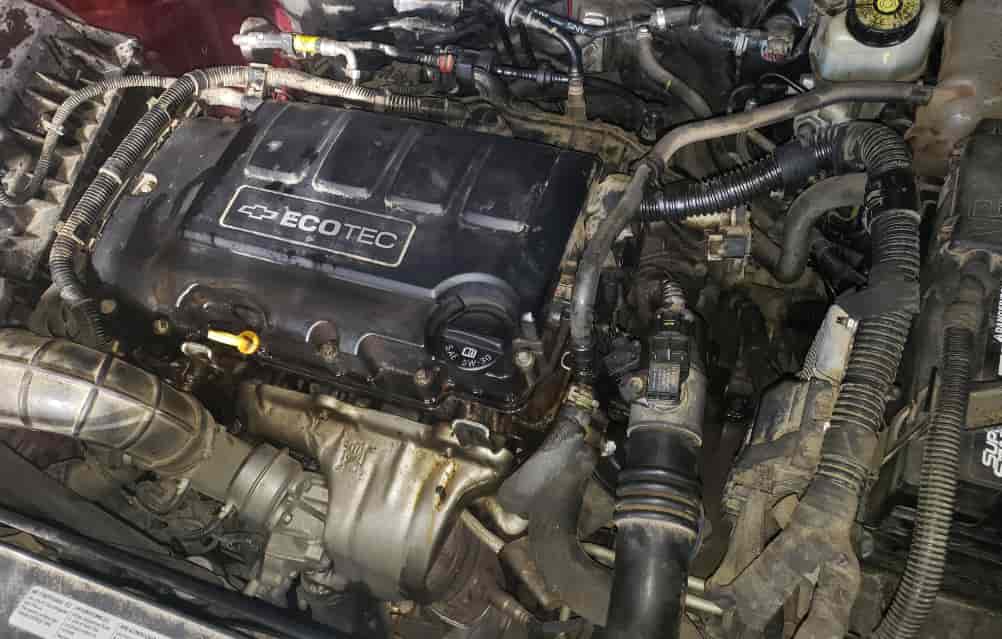
Common Causes of Chevy Cruze Oil Leak
Oil leaks in the Chevy Cruze usually originate from several key areas of the engine, each connected to the vehicle’s lubrication system. One of the most frequent causes is the failure of the valve cover gasket. Over time, heat and pressure cause the gasket material to harden and crack, allowing oil to seep from the top of the engine.
Another common source is the oil pan gasket. This component seals the bottom of the engine and is constantly exposed to road debris, vibration, and temperature changes. When it weakens, oil can slowly drip from underneath the vehicle, often mistaken for other fluid leaks.
The oil filter housing is also a known weak point in some Chevy Cruze models. Cracks or worn seals in this area can allow oil to escape during circulation. In addition, crankshaft and camshaft seals may degrade with mileage, especially in older engines, leading to leaks at the front or rear of the engine block.
In turbocharged versions, oil lines connected to the turbocharger system can also become a source of leakage. Since the turbo operates under high heat and pressure, even minor seal degradation can result in noticeable oil loss over time.
Understanding these causes is essential because each one requires a different repair approach. Identifying the exact source helps avoid unnecessary repairs and ensures the engine receives proper maintenance.
Symptoms of Oil Leak in Chevy Cruze
Recognizing the symptoms of an oil leak early can prevent serious engine damage. One of the most obvious signs is the presence of oil spots under the vehicle after it has been parked. These spots may vary in size depending on the severity of the leak and usually appear dark brown or black.
Another common symptom is a burning oil smell coming from the engine bay. This often happens when leaking oil drips onto hot engine components such as the exhaust manifold. In some cases, you may even notice light smoke coming from under the hood.
A low engine oil warning light on the dashboard is another critical indicator. When oil levels drop due to leakage, the engine sensor detects reduced pressure and triggers a warning. Ignoring this sign can lead to increased friction and long term damage.
Drivers may also experience reduced engine performance or rough operation. This occurs because insufficient lubrication increases internal resistance, making the engine work harder than normal. In severe cases, engine overheating may also occur due to excessive friction.
Each of these symptoms should be taken seriously, especially when multiple signs appear at the same time. Early detection is the key to preventing expensive repairs.
How to Diagnose Oil Leak Step by Step
Diagnosing an oil leak in the Chevy Cruze requires a careful and systematic inspection of the engine. The first step is a visual check under the vehicle to identify any fresh oil drips or wet areas. This helps determine whether the leak is active or residual from previous maintenance.
Next, inspect the top of the engine, especially around the valve cover area. If oil is present here, the valve cover gasket is often the likely source. Pay attention to any oil buildup along the edges of the engine block.
The oil filter housing should also be examined closely. Look for cracks or oil residue around the connection points. This area is known for developing slow leaks that worsen over time.
For more accurate detection, professionals often use UV dye mixed with engine oil. After running the engine, a UV light is used to trace the exact leak path. This method is highly effective when the source is not immediately visible.
Finally, monitor the engine oil level over several days. A consistent drop confirms an active leak even if the exact source has not yet been identified.
Step by Step Repair Guide for Chevy Cruze Oil Leak
Repairing an oil leak depends entirely on its source, and each component requires a different approach. If the valve cover gasket is the issue, the repair involves removing the valve cover, cleaning the surface, and replacing the gasket with a new one. Proper sealing is essential to prevent future leaks.
For oil pan gasket leaks, the vehicle may need to be lifted to access the underside of the engine. The old gasket must be removed carefully, and the surface cleaned before installing a new seal. This process requires precision to ensure even pressure distribution.
If the oil filter housing is cracked or leaking, replacement is usually the best solution. Temporary fixes are not recommended because pressure within this system can cause recurring leaks.
Seal replacements for crankshaft or camshaft areas are more complex and often require partial engine disassembly. These repairs are usually handled by professional mechanics due to their technical difficulty.
In cases where the leak is minor, some drivers may attempt DIY repairs. However, if the source is unclear or the leak is severe, professional inspection is strongly recommended to avoid further engine damage.
Conclusion
In conclusion, oil leaks in the Chevy Cruze should never be treated as a minor inconvenience because they directly affect engine health, performance, and long term reliability. Even a small leak can gradually reduce oil levels, increase internal friction, and lead to overheating or severe engine damage if it is not addressed in time. Understanding the root causes such as valve cover gasket failure, oil pan gasket wear, or seal deterioration helps you take the right action instead of guessing or delaying repairs.
Early detection is the most important factor in preventing costly repairs. Warning signs like oil spots under the car, burning smells, dashboard oil warnings, or visible smoke from the engine bay should always be investigated immediately. The sooner the issue is diagnosed, the easier and cheaper it is to fix.
At the same time, proper maintenance plays a key role in preventing future oil leaks. Regular oil changes, using the correct oil grade, and inspecting engine seals periodically can significantly extend the life of your engine. While some minor issues can be handled with DIY repair methods, more complex leaks should always be inspected by a qualified mechanic to ensure safety and accuracy.
Ultimately, maintaining a healthy lubrication system is essential for keeping your Chevy Cruze running smoothly and reliably over time.