The Chevy Equinox engine problems are widely discussed among SUV owners. Many drivers of the Chevrolet Equinox report issues that affect daily driving and long term reliability. The vehicle remains popular because of its comfort, price, and practicality, yet engine concerns continue to appear across different model years.
Most problems start with small warning signs. Drivers often notice higher oil consumption, weak acceleration, or unusual engine noise. The check engine light may also turn on without clear symptoms at first. These issues often seem minor in the beginning, but they can grow into serious engine damage if ignored.
This guide explains the most common causes behind Chevy Equinox engine problems. It also covers key symptoms and practical fixes used by mechanics. You will learn how to identify issues early and avoid expensive repairs.
The goal is simple. Help you understand what goes wrong, why it happens, and how to respond before the damage becomes severe. This is useful whether you already own an Equinox or plan to buy a used one.
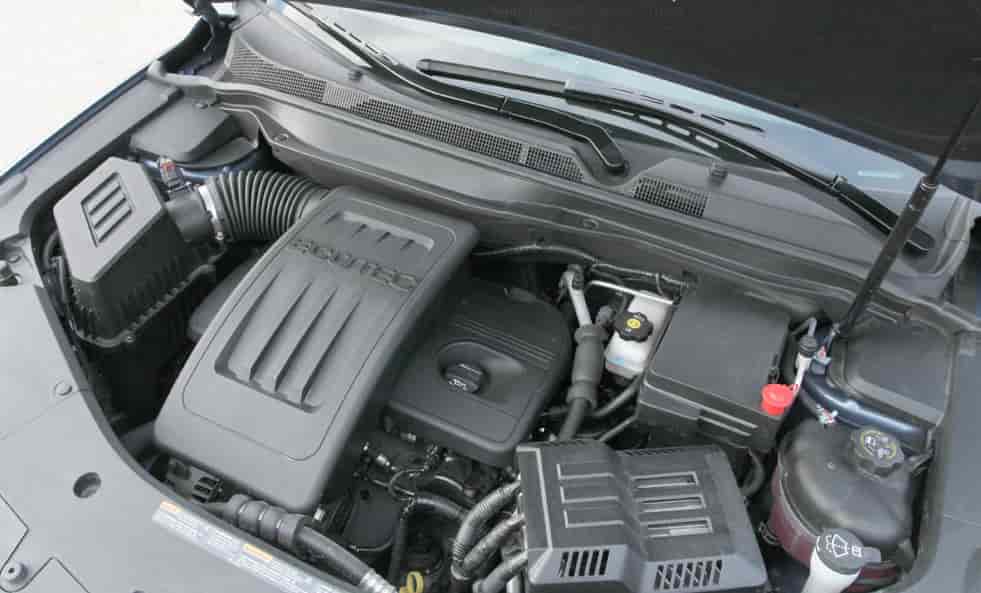
Overview of Chevy Equinox Engine Problems
The engine problems in the Chevrolet Equinox vary across different model years, but many issues follow similar patterns. Most complaints come from owners who experience performance loss, warning lights, or rising maintenance costs over time. These problems do not always appear early, which makes diagnosis more difficult for drivers.
One of the most reported issues is excessive oil consumption. Many owners notice that the engine uses oil faster than expected, even without visible leaks. This condition can lead to low oil levels and increase engine wear if drivers do not check oil regularly.
Another common problem involves timing chain wear. When the timing chain stretches or becomes loose, the engine may produce rattling noises or misfire during acceleration. This issue can reduce engine stability and may lead to serious internal damage if ignored.
Some drivers also report engine misfires. This usually happens when ignition components fail or when fuel delivery becomes inconsistent. Misfires often cause rough idling, vibration, and reduced power during driving.
Cooling system problems also appear in certain model years. When coolant leaks or circulation fails, the engine may overheat. Overheating can quickly damage internal components and increase repair costs.
These issues show that Chevy Equinox engine problems are not isolated. Instead, they often develop from a combination of mechanical wear, design limitations, and maintenance habits. Understanding these patterns helps owners detect early warning signs before major failure occurs.
Common Causes of Chevy Equinox Engine Problems
Chevy Equinox engine problems usually come from a few recurring mechanical and design related causes. Understanding these causes helps explain why issues appear in the Chevrolet Equinox across multiple model years and why some drivers experience more severe failures than others.
One major cause is excessive oil consumption. This often happens when piston rings wear out or fail to seal properly. When this occurs, oil enters the combustion chamber and burns during operation. Over time, the engine loses lubrication and internal parts wear faster, which increases the risk of long term damage.
Another key cause is timing chain degradation. The timing chain controls engine synchronization, and it depends heavily on consistent oil pressure. When oil quality drops or maintenance is delayed, the chain can stretch or lose tension. This leads to engine noise, poor timing, and misfires during acceleration.
Ignition system failure also plays an important role. Worn spark plugs or failing ignition coils can disrupt combustion. When fuel does not ignite correctly, the engine produces misfires, rough idling, and reduced power output. These symptoms often appear gradually, which makes early detection difficult.
Cooling system failure is another common cause. Leaking water pumps, clogged coolant passages, or faulty head gaskets can disrupt temperature control. When the engine overheats, internal components expand beyond safe limits and begin to fail.
In many cases, these causes do not happen alone. They combine with poor maintenance habits or delayed servicing. This combination increases stress on the engine and accelerates wear, which explains why some Equinox owners face more severe issues than others.
Symptoms of Engine Failure in Chevy Equinox
Engine failure in the Chevrolet Equinox rarely happens without warning. Most drivers notice gradual changes in performance before a major issue appears. These early symptoms are important because they help prevent costly damage if diagnosed in time.
One of the first signs is the check engine light turning on. This warning can appear for many reasons, but it often signals problems with combustion, sensors, or emissions. Drivers should not ignore it, even if the vehicle still seems to run normally.
Another common symptom is unusual engine noise. Some owners report knocking, ticking, or rattling sounds, especially during startup or acceleration. These noises often indicate internal wear or timing related issues that require attention.
Rough idling is also a frequent sign of engine trouble. The vehicle may shake or feel unstable when stopped at a traffic light. This usually points to misfires, fuel delivery issues, or ignition system failure.
Loss of power during acceleration is another clear warning. The engine may respond slowly or feel weak when pressing the gas pedal. This often happens when combustion efficiency drops or when the timing system does not work correctly.
Overheating can also occur in more serious cases. When the cooling system fails, the engine temperature rises quickly. This condition is dangerous because it can cause permanent internal damage if the driver continues operating the vehicle.
In many cases, these symptoms appear together rather than separately. Recognizing them early helps reduce repair costs and prevents minor issues from turning into full engine failure.
Engine Problems by Model Year
Chevy Equinox engine problems do not appear the same across all production years. The Chevrolet Equinox has gone through multiple generations, and each one shows different patterns of engine related failures. Understanding these differences helps owners and buyers identify risk levels more accurately.
From 2010 to 2013, oil consumption issues appear most frequently. Many owners report that the engine burns oil faster than normal. Timing chain problems also occur in this range, especially when maintenance is inconsistent. These issues often lead to engine noise, reduced performance, and long term wear.
From 2014 to 2017, the engine design improves, but new issues still emerge. Misfires become more common due to ignition coil and spark plug failures. Some drivers also experience sensor related faults that trigger the check engine light without clear symptoms. These problems often affect drivability and fuel efficiency.
From 2018 to 2021, overall reliability improves compared to earlier models. However, cooling system complaints still appear. Some owners report coolant leaks or overheating under heavy driving conditions. These issues are less frequent but still important to monitor.
From 2022 to 2025, engine performance becomes more stable. Fewer widespread complaints appear in public reports. However, isolated cases of sensor errors and minor performance drops still exist, especially under high mileage usage or poor maintenance conditions.
Across all model years, one pattern remains clear. Engine problems often connect to maintenance habits and wear over time rather than a single manufacturing issue. This makes regular servicing an important factor in preventing long term engine failure.
How to Diagnose Chevy Equinox Engine Problems
Diagnosing engine problems in the Chevrolet Equinox requires a structured approach. Most issues start with small signs, so early inspection helps prevent expensive repairs. A clear diagnosis also reduces guesswork and avoids unnecessary part replacements.
The first step is to check the OBD2 system. This tool reads error codes from the engine control unit. Codes such as P0300 or P0011 often point to misfires or timing related issues. These codes help narrow down the problem area quickly instead of relying only on symptoms.
Next, inspect the engine oil level and condition. Low oil or dirty oil often leads to increased wear and poor engine performance. If the oil level drops too fast, it may indicate internal consumption issues or leakage. This step is simple but very important for early detection.
After that, listen to engine behavior during startup and idle. Knocking, ticking, or uneven sound often signals internal mechanical stress. A stable engine should run smoothly without vibration or irregular noise.
You should also observe vehicle performance during acceleration. If the engine feels weak or slow to respond, it may indicate fuel delivery issues, ignition problems, or timing chain wear. These symptoms often appear under load rather than at idle.
Finally, check the cooling system for leaks or abnormal temperature changes. Overheating signs often appear when coolant levels drop or circulation becomes unstable. This condition requires immediate attention because it can cause serious engine damage.
A proper diagnosis combines all these checks instead of relying on one symptom. This method helps identify the root cause more accurately and improves repair decisions.
Fixes and Repair Solutions
Fixing engine problems in the Chevrolet Equinox depends on how early you detect the issue and how severe the damage is. Some problems only require basic maintenance, while others need major mechanical repair. Choosing the right solution helps reduce costs and prevents repeat failures.
For minor issues, simple maintenance often solves the problem. Replacing spark plugs can fix misfires and improve combustion quality. Cleaning or replacing ignition coils also restores stable engine performance. Regular oil changes help reduce wear and improve lubrication, especially when oil quality has degraded over time.
Sensor related problems also fall into the minor repair category. Replacing faulty oxygen sensors or resetting engine codes can remove false warnings and improve fuel efficiency. These fixes are usually quick and cost effective when addressed early.
For more serious issues, timing chain replacement becomes necessary. A stretched or worn timing chain can disrupt engine timing and cause knocking or misfires. This repair requires mechanical expertise but it restores proper engine synchronization.
Engine overheating or head gasket failure requires major repair work. Mechanics may need to replace damaged seals or repair cooling system components. Ignoring these issues can lead to complete engine failure, which increases repair costs significantly.
In extreme cases, engine rebuild or full replacement becomes the only solution. This usually happens when internal components suffer long term damage from oil starvation or overheating. While expensive, it restores full performance when other repairs are no longer effective.
Understanding the severity of the problem helps owners choose between repair options wisely. Early action always reduces cost and extends engine lifespan.
Repair Costs and Maintenance Expectations
Repair costs for engine problems in the Chevrolet Equinox vary widely depending on the type of failure and how early the issue is detected. Small maintenance tasks cost much less than major engine repairs, but delays often increase the total expense significantly.
Basic repairs such as spark plug replacement or ignition coil service usually fall in a low cost range. These fixes are common and help restore smooth engine performance when misfires or rough idling appear. Oil changes and routine maintenance also remain affordable, but they play a key role in preventing long term damage.
Sensor related repairs typically cost slightly more but remain manageable. Replacing oxygen sensors or engine control sensors improves fuel efficiency and removes warning lights. These repairs are often quick and do not require major labor time.
Timing chain replacement sits in a much higher cost category. This repair requires engine disassembly and precise mechanical work. When the timing system fails, drivers often notice serious symptoms such as rattling noises or loss of power, and repair costs increase accordingly.
Major engine damage such as overheating or head gasket failure leads to expensive repairs. In these cases, labor time increases and parts replacement becomes necessary. Some owners may choose engine rebuilding instead of full replacement to reduce costs, but both options still require significant investment.
Engine replacement represents the highest cost scenario. This usually happens when internal damage becomes too severe to repair safely. Although expensive, it restores full functionality and extends vehicle lifespan.
Regular maintenance reduces the chance of these high cost repairs. Simple actions such as timely oil changes, coolant checks, and early diagnostics help prevent small issues from turning into major engine failures.
Conclusion
Engine problems in the Chevrolet Equinox can range from minor issues to serious mechanical failures. Most problems start small, such as oil consumption changes, engine noise, or reduced performance. Over time, these early signs can develop into major failures if drivers do not act quickly.
This guide has shown the most common causes of Chevy Equinox engine problems. It also explained key symptoms that help identify issues early, including warning lights, rough idling, overheating, and loss of power. Each symptom plays an important role in helping drivers understand what is happening inside the engine before damage becomes severe.
We also explored practical fixes, from basic maintenance like oil changes and spark plug replacement to more advanced repairs such as timing chain work or engine rebuilding. Each solution depends on how early the problem is detected and how well the vehicle is maintained over time.
The most important takeaway is prevention. Regular maintenance and early diagnosis significantly reduce repair costs and extend engine lifespan. Drivers who pay attention to small changes in performance often avoid the most expensive repairs.
If you currently own an Equinox or plan to buy one, understanding these engine issues helps you make better decisions. Awareness is the key to avoiding unexpected breakdowns and keeping long term ownership costs under control.