The message “Volvo Tire Pressure System Service Required” is one of the most common dashboard warnings that Volvo drivers encounter, and it often creates confusion and concern. At first glance, many drivers assume this warning simply means that one or more tires are underinflated. However, in reality, the issue is usually more complex and is directly related to the Tire Pressure Monitoring System, also known as TPMS, which is responsible for tracking tire pressure and ensuring driving safety.
In modern vehicles such as Volvo cars from the Volvo lineup, the TPMS plays an important role in monitoring real time tire conditions and alerting the driver when something is not functioning correctly. When the system detects irregular data, sensor failure, or communication issues, it triggers the “Service Required” message instead of a simple low pressure warning. This distinction is important because it signals a system level problem rather than just a tire maintenance issue.
Understanding this warning is essential for maintaining both vehicle performance and road safety. Ignoring it can lead to inaccurate tire readings, reduced stability, and in some cases increased risk while driving. This guide will help you clearly understand what the message means, why it appears, what causes it, and how to fix it effectively without unnecessary confusion or repair costs.
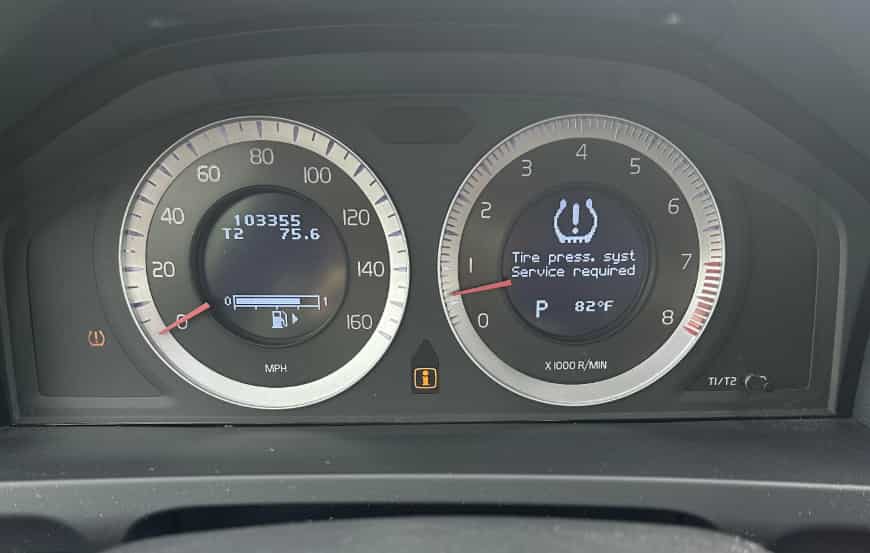
What Does “Volvo Tire Pressure System Service Required” Mean?
When your vehicle displays the message “Volvo Tire Pressure System Service Required,” it means the Tire Pressure Monitoring System is not functioning properly and requires attention. This is different from a simple low tire pressure warning. Instead of indicating that one or more tires need air, it signals that the system responsible for monitoring tire pressure is experiencing a fault or communication issue.
In Volvo vehicles, the TPMS is designed to continuously track air pressure in each tire through sensors installed inside or near the wheel. These sensors send data to the vehicle’s central control system. When everything is working correctly, the driver receives real time updates about tire pressure and safety conditions. However, if the system cannot read data accurately or loses connection with one or more sensors, it triggers a service warning.
This warning often relates to the TPMS system itself rather than the tires. It may occur even when all tires are properly inflated. Common situations include sensor malfunction, calibration errors after tire rotation, or system communication failures. In some cases, temperature changes can also affect sensor accuracy, leading to incorrect readings.
Understanding this distinction is important because many drivers mistakenly inflate tires repeatedly without solving the underlying system issue. The real problem is often electronic or sensor based, not mechanical tire pressure loss. Recognizing this helps avoid unnecessary maintenance and directs attention to the actual cause within the TPMS system.
Common Causes of the Warning Message
The “Volvo Tire Pressure System Service Required” message can appear for several reasons. Most causes come from the Tire Pressure Monitoring System, not the tires themselves. Understanding these causes helps you avoid unnecessary repairs and focus on the real problem.
One common cause is a faulty TPMS sensor. Each wheel uses a sensor to measure tire pressure and send data to the vehicle system. Over time, these sensors can fail. Physical damage or electronic faults can also stop them from working. When this happens, the system cannot read accurate data and shows a warning.
Another frequent cause is a dead or weak sensor battery. TPMS sensors use built in batteries that cannot usually be replaced. When the battery runs out, the sensor stops sending signals. The system then loses contact and triggers the warning message.
The warning may also appear after tire changes or wheel rotation. In some cases, the system does not reset or recalibrate correctly. This leads to missing or mismatched sensor data. As a result, the system shows a service message even when the tires are fine.
Cold weather can also affect tire pressure readings. A sudden drop in temperature lowers air pressure inside the tires. This change can confuse the sensors and trigger alerts. Electrical interference or communication errors in the control module may also cause the warning in rare cases.
In most situations, the issue does not create immediate danger. However, you should not ignore it. The system can no longer monitor tire conditions correctly, which may affect driving safety.
Symptoms and Signs You Should Not Ignore
When the “Volvo Tire Pressure System Service Required” message appears, it usually comes with several clear signs. These signs help you understand that the Tire Pressure Monitoring System is not working correctly and needs attention.
One common symptom is a constant dashboard warning. The message stays on even after you check and adjust tire pressure. This shows that the issue is not only related to tire inflation but also the monitoring system itself.
Another sign is incorrect tire pressure readings. The system may show normal pressure in all tires even when one tire is actually low. In some cases, it may also show missing data from one wheel. This indicates a communication problem between the sensor and the vehicle system.
You may also notice that the warning does not disappear after restarting the car. Normally, minor alerts reset after ignition cycles. When the message remains, it often points to a deeper system fault.
In some situations, tire readings become inconsistent. The values may change suddenly or do not match manual pressure checks. This inconsistency is a strong indicator of sensor malfunction or calibration issues.
A final important sign is reduced driving confidence. Even if the car feels normal, the lack of reliable tire data can affect stability and safety awareness, especially at higher speeds or long drives.
These symptoms show that the TPMS is not functioning as intended. The system cannot provide accurate tire information, so it is important to diagnose the issue as soon as possible.
How to Fix Volvo Tire Pressure System Service Required
Fixing the “Volvo Tire Pressure System Service Required” message requires a clear and structured approach. In many cases, the issue is simple, but sometimes it involves deeper sensor or system faults. Follow these steps in order to identify and resolve the problem effectively.
First, check all tires manually. Use a tire pressure gauge to measure each tire. Adjust the pressure according to the recommended levels for your Volvo vehicle. This step ensures that the basic tire condition is correct before moving to system troubleshooting.
Next, restart the vehicle system. Turn off the engine and wait a few minutes before restarting. In some cases, the warning clears after a system refresh if the issue was temporary or minor.
If the message remains, inspect the TPMS sensors. Look for signs of damage or recent tire service. A sensor may have been affected during tire replacement or rotation. If a sensor is not functioning, it will need replacement.
After that, use a diagnostic scanner if available. A scan tool can read error codes from the vehicle system. This helps identify whether the issue comes from a specific sensor or the central control module.
If the warning still does not disappear, visit a certified Volvo service center. The technicians can perform advanced diagnostics and recalibration. In some cases, a sensor replacement or system reset is required to fully resolve the issue.
These steps help you systematically eliminate simple causes before moving to more complex repairs. This approach saves time and reduces unnecessary costs while ensuring the TPMS system works correctly again.
How to Reset TPMS on Volvo Vehicles
Resetting the Tire Pressure Monitoring System on Volvo vehicles is an important step after tire changes, rotations, or pressure adjustments. The reset process helps the system relearn sensor positions and restore accurate monitoring.
Start by ensuring all tires are inflated to the correct pressure. Use the manufacturer recommended values for your specific Volvo model. This step is important because the system will calibrate based on current tire conditions.
Next, access the vehicle settings through the central display. In most Volvo models, you can find the TPMS reset or tire pressure calibration option in the car settings menu. Select the option to start the recalibration process.
After activation, drive the vehicle for a short distance. The system needs movement to collect new sensor data. During this time, the TPMS will automatically relearn and adjust to the current tire pressure levels.
If the reset does not work, the issue may come from a faulty sensor or system error. In this case, the warning will remain active even after recalibration attempts. A diagnostic check is then required to identify the exact problem.
Some Volvo models may not have a manual reset option. In these cases, the system resets automatically after driving for a period of time with correct tire pressure.
Proper calibration ensures the TPMS system works accurately again. It also prevents false warnings and improves overall driving safety.
Repair Cost and Replacement Information
The cost to fix the “Volvo Tire Pressure System Service Required” issue depends on the root cause. Some cases are simple and inexpensive, while others require sensor replacement or advanced diagnostics.
If the problem comes from incorrect tire pressure or a temporary system glitch, the cost is usually zero. A basic pressure adjustment or system reset can resolve the warning without any repair fees.
When a TPMS sensor fails, replacement becomes necessary. Each sensor has a limited lifespan due to its internal battery. Once it stops working, the system cannot receive data from that wheel. Replacing a single sensor is more costly because the part itself and labor are both involved.
Labor costs also vary depending on where you repair the vehicle. A certified Volvo service center typically charges more but provides specialized diagnostics and genuine parts. Independent repair shops may offer lower prices, but quality and equipment can differ.
In some situations, multiple sensors may fail around the same time, especially in older vehicles. This increases the total repair cost significantly. Diagnostic testing is usually required first to identify which sensor is faulty.
Software recalibration or system reset is generally less expensive than hardware replacement. However, if the control module itself has communication issues, repair costs can increase due to complexity.
Overall, the cost ranges widely depending on whether the issue is simple recalibration or full sensor replacement. Early diagnosis helps reduce expenses and prevents unnecessary part changes.
Model-Specific Issues
The “Volvo Tire Pressure System Service Required” message can appear differently depending on the model. The Volvo XC60 and Volvo XC90 are two of the most common vehicles where drivers report this warning.
In the Volvo XC60, TPMS warnings often appear after tire rotation or seasonal tire changes. The system is sensitive to calibration changes. If the reset process is not completed correctly, the warning may stay active even when tire pressure is normal. In some cases, sensor aging also triggers repeated alerts, especially in older XC60 models.
In the Volvo XC90, the TPMS system is more complex due to the vehicle size and advanced safety systems. The XC90 may show the warning when one sensor sends delayed or inconsistent data. This can happen after wheel replacement or when a sensor battery starts to weaken. The system may also react more strictly to pressure differences between tires.
Both models rely heavily on accurate sensor communication. When one sensor fails, the system does not only show a low pressure alert but often triggers a full service message. This is designed to protect driving safety but can confuse drivers who expect a simple warning.
Temperature changes also affect both models. Large SUVs like the XC90 may experience more noticeable pressure variation due to tire volume. This can increase the frequency of alerts during seasonal weather shifts.
Understanding model specific behavior helps diagnose the issue faster. It also prevents unnecessary repairs by focusing on calibration, sensor health, and system communication rather than only tire inflation.
How to Prevent Future TPMS Issues
Preventing the “Volvo Tire Pressure System Service Required” warning is possible with regular maintenance and correct tire care habits. Most issues happen gradually, so early prevention helps keep the system stable and accurate.
Start by checking tire pressure regularly. Do this at least once a month and before long trips. Keep all tires at the recommended pressure level for your Volvo model. This reduces unnecessary stress on the TPMS sensors and improves reading accuracy.
Next, make sure tire service is done carefully. During tire rotation, replacement, or repair, sensors can be accidentally disturbed. Always ensure the technician handles TPMS components correctly and recalibrates the system after service.
Seasonal changes also matter. Temperature drops can reduce tire pressure naturally. Adjust tire pressure during cold weather to prevent false warnings. This helps the system maintain stable readings throughout the year.
Sensor lifespan is another important factor. TPMS sensors contain internal batteries that eventually weaken. When your vehicle gets older, schedule periodic checks to detect early sensor failure before it triggers a system warning.
Avoid ignoring small alerts. Even temporary warnings can indicate early system imbalance. Addressing them early helps prevent full system errors later.
With consistent maintenance and proper calibration habits, you can significantly reduce the chance of repeated TPMS service warnings and keep the system working accurately.
Conclusion
The “Volvo Tire Pressure System Service Required” message is more than a simple tire warning. It indicates that the Tire Pressure Monitoring System is not functioning correctly and needs attention. In Volvo vehicles, this system plays an important role in monitoring tire safety and supporting stable driving performance.
As explained throughout this guide, the warning can appear for several reasons. It may come from faulty TPMS sensors, weak sensor batteries, calibration issues after tire service, or communication errors within the system. In some cases, environmental factors such as temperature changes can also trigger the message even when tires are properly inflated.
The key takeaway is that this warning should not be ignored. Even if the vehicle still drives normally, the system may no longer provide accurate tire data. This can reduce driving confidence and increase safety risks over time.
Most issues can be solved through simple steps such as checking tire pressure, resetting the system, or recalibrating TPMS. However, persistent warnings usually require diagnostic testing and possible sensor replacement at a qualified service center.
By maintaining regular tire checks, ensuring correct calibration, and addressing early warning signs, you can keep the TPMS system reliable and avoid unnecessary repair costs.
Ultimately, understanding the meaning and causes of this message helps you respond correctly and keep your Volvo operating safely and efficiently.