The Service Rear Vision System Error is a common warning in modern vehicles with rear camera and parking assistance systems. This system helps drivers see the area behind the car when reversing. It improves safety by reducing blind spots and preventing collisions with objects or pedestrians.
When the warning appears on the screen or dashboard, the rear vision system stops working correctly. Drivers may lose the rear camera view, which makes reversing more difficult and less safe. This issue often appears in vehicles from brands like Chevrolet, GMC, and Cadillac. These vehicles use integrated electronic systems that connect cameras, control modules, and display units.
The error can appear suddenly without any physical damage to the car. This often confuses drivers because the vehicle may still operate normally in other functions. In most cases, the issue comes from a failure in the camera, wiring, software, or electrical system. A dirty or blocked camera lens can also trigger the warning.
Drivers should not ignore this issue because it directly affects driving safety. A proper diagnosis helps identify the exact cause before any repair or replacement. This prevents unnecessary costs and avoids replacing parts that still work correctly.
In this guide, you will learn what the Service Rear Vision System Error means, what causes it, how to diagnose it step by step, and how to fix it effectively. The goal is to restore full camera functionality and ensure safe reversing in all driving conditions.
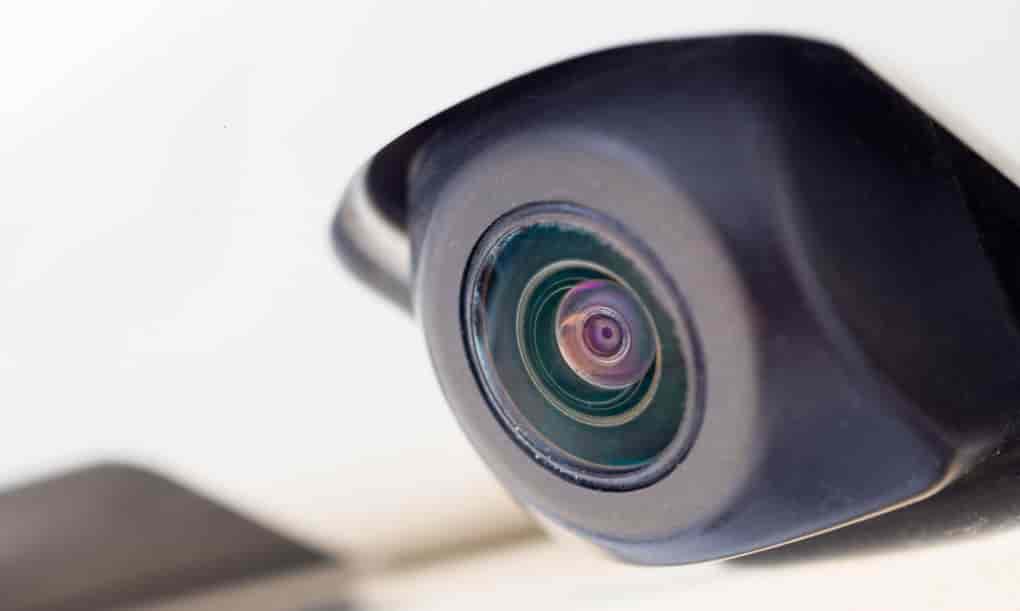
What is the Rear Vision System?
The Rear Vision System is an automotive safety feature that helps drivers see the area behind the vehicle when reversing. It uses a rear-mounted camera connected to the vehicle’s infotainment display. This system improves visibility in blind spots and supports safer parking and low-speed maneuvers.
Modern vehicles integrate the Rear Vision System into a broader driver assistance setup. This setup often includes Parking Assist Systems and other sensor-based technologies. The system collects real-time video from the rear camera and sends it to the display screen inside the cabin. Drivers can then view obstacles, pedestrians, and surrounding objects clearly before reversing.
The system relies on several key components that must work together without interruption. The rear camera captures the video feed. The control module processes the signal and sends it to the display unit. The wiring harness connects all components and ensures stable communication. If any part fails, the entire system can stop working and trigger a warning message such as “Service Rear Vision System”.
Manufacturers like Chevrolet, GMC, and Cadillac design these systems to improve driving safety and reduce collision risks. These systems play an important role in modern vehicles because they help compensate for limited rear visibility caused by vehicle size and design.
A properly functioning Rear Vision System allows drivers to reverse with more confidence and accuracy. When the system fails, drivers lose a critical safety tool, especially in tight parking spaces or crowded environments. This is why understanding how the system works is essential before diagnosing any error.
Meaning of “Service Rear Vision System” Warning
The “Service Rear Vision System” warning appears when the vehicle detects a malfunction in the rear camera or its supporting electronic system. This message alerts the driver that the rear camera view may not display correctly or may stop working completely during reversing.
In most cases, the system triggers this warning when it loses communication with one of its key components. The control module continuously monitors the camera, wiring, and display unit. When it detects abnormal signals or no signal at all, it activates the warning message on the dashboard or infotainment screen.
This warning does not always mean a major hardware failure. Sometimes the system reacts to temporary issues such as software glitches or unstable electrical connections. For example, a weak battery or a brief interruption in the camera signal can trigger the alert even if the hardware is still functional.
However, in more serious cases, the warning indicates a real failure in the rear camera system. The camera may stop working due to internal damage, moisture intrusion, or wiring faults. The display unit may also fail to receive video input, which results in a blank screen or error message when shifting into reverse gear.
Drivers should treat this warning as a safety issue rather than a simple inconvenience. The rear vision system plays a critical role in preventing accidents while reversing. When it stops working, blind spots increase and driving risk becomes higher, especially in crowded or low-visibility environments.
Understanding the meaning of this warning helps drivers respond correctly. Instead of ignoring it, they should inspect the system or perform diagnostics to identify the root cause as soon as possible.
Main Causes of Service Rear Vision System Error
The Service Rear Vision System Error can come from several different sources. Most issues relate to hardware, electrical connections, or software communication between system components. Identifying the correct cause is important because each problem requires a different repair approach.
One of the most common causes is a malfunctioning rear camera. The camera can fail due to internal damage, moisture intrusion, or physical impact. When this happens, the system cannot capture or transmit video, which immediately triggers the error message.
Wiring and connector problems are another frequent cause. The rear camera depends on a stable electrical connection to send signals to the control module. If the wiring becomes loose, corroded, or damaged, the signal breaks and the system stops working. This often happens in vehicles exposed to harsh weather or road vibrations over time.
A blown fuse or unstable power supply can also trigger the warning. The rear vision system requires consistent voltage to operate correctly. If the fuse linked to the camera circuit fails, the system loses power and stops functioning.
Software glitches in the control module can also create false errors. The vehicle’s electronic control unit processes camera data and communicates with the display screen. If the software freezes or becomes outdated, it may misinterpret signals and activate the warning even when hardware is still working.
Another simple but often overlooked cause is a dirty or blocked camera lens. Dirt, snow, or water droplets can reduce visibility or fully obstruct the camera view. This can lead the system to believe that the camera has failed.
In some cases, water intrusion inside the camera housing or connectors causes corrosion. This slowly damages the system and leads to intermittent or permanent failure.
Understanding these causes helps narrow down the problem quickly. It also prevents unnecessary replacement of expensive parts before proper diagnosis.
Diagnostic Process Step-by-Step
Diagnosing the Service Rear Vision System Error requires a structured approach. You should start with simple checks before moving to more advanced electrical testing. This helps avoid unnecessary repairs and reduces diagnostic time.
The first step is a visual inspection of the rear camera. Check the lens for dirt, water, snow, or physical damage. A blocked lens can immediately affect image quality and trigger the warning. Clean the camera carefully and test the system again by shifting the vehicle into reverse.
Next, check the vehicle’s fuse box. Locate the fuse related to the rear camera or infotainment system. If the fuse is blown, replace it with the correct rating. A damaged fuse often indicates an underlying electrical issue, so observe if the problem returns after replacement.
After that, inspect the wiring and connectors. Focus on the area around the rear hatch or trunk where movement and vibration are common. Look for loose plugs, corrosion, or broken wires. A stable connection is essential for proper signal transmission between the camera and the control module.
If the hardware appears fine, use an OBD2 scanner to check for error codes. The vehicle’s control module may store diagnostic trouble codes related to the rear vision system. These codes help identify whether the issue comes from the camera, module, or communication network.
You should also test the display unit by switching to reverse gear and observing whether the screen responds at all. A completely black screen often points to camera or communication failure, while partial display issues may indicate software or signal instability.
In more advanced cases, you may need to reset the infotainment system or update the vehicle software. This can resolve temporary glitches in the electronic control unit.
A step-by-step diagnosis ensures accuracy and helps separate minor issues from serious system failures.
How to Fix Service Rear Vision System Error
Fixing the Service Rear Vision System Error depends on the root cause identified during diagnosis. Some issues require simple cleaning or resets, while others need part replacement or professional repair.
If the issue comes from a dirty or blocked camera, start with a basic cleaning. Use a soft cloth to clean the lens and remove dirt, water, or debris. After cleaning, test the system again by shifting into reverse. In many cases, this simple step restores normal function immediately.
If a blown fuse caused the problem, replace it with a new one that matches the original rating. After replacement, check whether the system powers on correctly. If the fuse blows again, this usually indicates a deeper electrical fault that requires further inspection.
When wiring or connectors are loose or damaged, repair or reconnect them properly. Secure all plugs and inspect the wiring harness for corrosion or breaks. A stable electrical connection is critical for transmitting video signals from the camera to the display unit.
If the system error comes from a software glitch, resetting the infotainment system can help. Turn off the vehicle, wait a few minutes, and restart it. In some vehicles, a factory reset or software update may be required to clear persistent errors in the control module.
When the rear camera itself is faulty, replacement is often the only solution. A damaged camera cannot reliably send video signals, so installing a new unit restores full system functionality. Make sure to use a compatible OEM or high-quality replacement part.
In more complex cases, the control module may fail or lose communication with the camera system. This requires professional diagnostic tools to repair or reprogram the module. Attempting this without proper equipment can lead to further system issues.
If the problem persists after all basic fixes, it is best to consult a certified automotive technician. They can perform advanced testing and ensure the entire Rear Vision System operates correctly and safely.
Cost of Repair and Replacement
The cost to fix a Service Rear Vision System Error depends on the exact cause and the vehicle model. Some repairs are inexpensive and quick, while others involve electronic components that cost significantly more.
If the issue comes from a dirty camera or a simple software glitch, the cost is usually very low. Cleaning the camera or performing a system reset often requires no parts and may only take a short diagnostic fee if done at a workshop.
Fuse replacement is also one of the cheapest fixes. The part itself costs very little, and labor is minimal. However, if the fuse keeps failing, the real cost may increase because technicians need more time to locate the underlying electrical issue.
Wiring repairs vary in cost depending on the damage. A small connector repair is affordable, but replacing a damaged wiring harness can become more expensive. Labor time increases when wiring is hidden inside panels or runs through the vehicle body.
Replacing the rear camera is a more common repair when the system fails completely. The price depends on whether you choose an OEM part or an aftermarket replacement. OEM parts cost more but usually offer better compatibility and reliability.
The most expensive cases involve the control module or ECU related to the Rear Vision System. If this module fails, repair or reprogramming requires specialized diagnostic tools. Replacement of the module can significantly increase total repair cost, especially in premium vehicles.
Overall, minor issues may cost very little, while full system repairs can become expensive depending on parts and labor. A proper diagnosis helps avoid unnecessary replacement and keeps repair costs under control.
Prevention and Maintenance Tips
Preventing the Service Rear Vision System Error is easier and cheaper than repairing it. Regular maintenance helps keep the camera system stable and reduces the risk of unexpected failures.
Start by cleaning the rear camera lens regularly. Dirt, dust, rain, and road grime can quickly reduce image quality. A clean lens ensures the system always captures a clear view and prevents false error triggers caused by poor visibility.
You should also avoid exposing the rear camera area to unnecessary moisture. Water intrusion is one of the main reasons for corrosion in connectors and camera modules. When washing the vehicle, avoid directing high-pressure water directly at the camera housing.
Checking electrical connections during routine maintenance also helps prevent issues. Loose or corroded connectors can interrupt signal transmission between the camera and the control module. Ensuring stable connections improves long-term system reliability.
Keeping the vehicle’s software up to date is another important step. Manufacturers often release updates that improve performance and fix known bugs in the infotainment and driver assistance systems. Updating the system helps reduce software-related errors.
It is also useful to perform periodic diagnostics using an OBD2 scanner if your vehicle supports it. Early detection of small faults allows you to fix problems before they turn into full system failures.
Finally, avoid ignoring small warning signs such as intermittent camera delays or flickering displays. These early symptoms often indicate developing issues in wiring or hardware components.
Proper maintenance not only prevents the Service Rear Vision System Error but also ensures the rear camera system works reliably in all driving conditions.
Conclusion
The Service Rear Vision System Error is a clear warning that your vehicle’s rear camera system is not working as expected. This system plays an important role in modern driving safety by improving visibility and reducing blind spots when reversing. When it fails, drivers lose a key safety feature that helps prevent accidents in tight or crowded spaces.
Most causes of this error are not severe. Many cases come from simple issues such as a dirty camera lens, a blown fuse, or a loose electrical connection. In other situations, the problem may come from software glitches or temporary communication errors between system components. More serious cases involve damaged cameras, wiring faults, or control module failures.
A structured diagnostic approach helps identify the exact cause quickly. Starting with basic inspections and moving toward advanced testing ensures you do not replace parts unnecessarily. This method also saves time and reduces repair costs.
Fixes range from simple cleaning and system resets to replacing faulty components. In rare cases, professional repair is required when the control module or complex wiring systems are affected. Regular maintenance and timely updates help prevent most of these issues from happening again.
Understanding how the Rear Vision System works and responding early to warning signs ensures your vehicle remains safe and reliable. A properly functioning system improves driving confidence and protects both the driver and surrounding objects during reversing.