The Hyundai Santa Fe is a popular SUV known for comfort, space, and stable performance. Many drivers trust it for daily use and long trips. However, the transmission system can still develop issues after long-term use. This system controls how engine power moves to the wheels. When it fails, driving performance drops quickly.
Hyundai Santa Fe transmission problems often start small. Drivers may not notice them at first. The vehicle still feels normal in most situations. But early signs already appear in subtle ways. These include small delays in shifting or slight changes in acceleration.
The main risk comes from ignoring these early signals. Transmission issues always get worse over time. A small delay today can turn into a major failure later. Repair costs also increase significantly when the problem becomes severe.
This guide explains the most common transmission symptoms. It also helps you recognize early warning signs before serious damage occurs.
Understanding the Transmission System in Hyundai Santa Fe
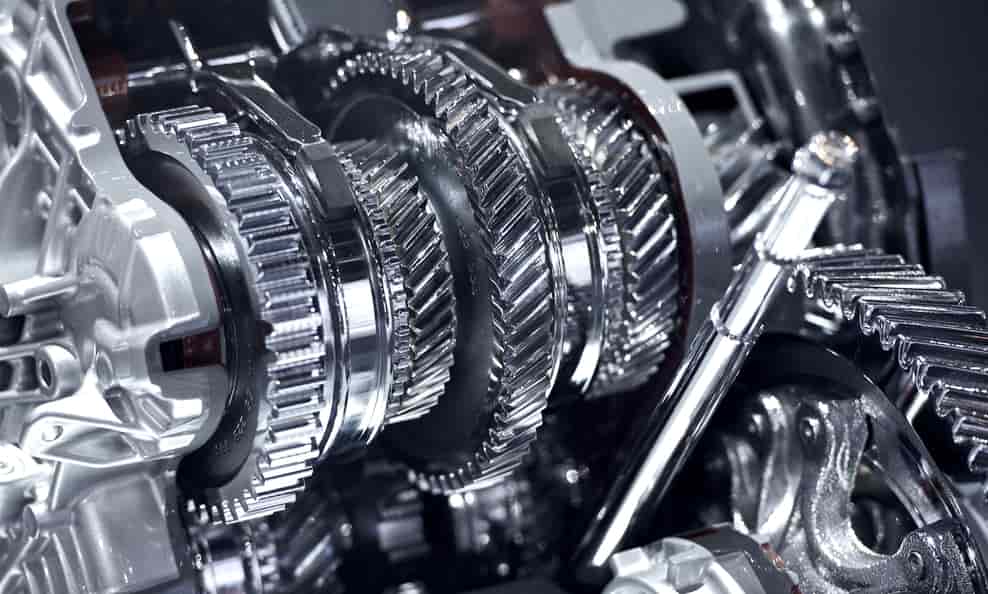
The transmission system in the Hyundai Santa Fe plays a central role in how the vehicle delivers power and performs on the road. It connects the engine to the wheels and controls how power is distributed at different speeds. A properly working transmission ensures smooth acceleration, stable gear shifts, and efficient fuel usage.
Most Hyundai Santa Fe models use an automatic transmission system. This system changes gears based on speed, engine load, and driving conditions. It uses key components such as the torque converter, planetary gear sets, and an electronic control module. These parts work together to select the correct gear at the right time without driver input.
When the system functions correctly, gear changes feel smooth and almost unnoticeable. The engine runs at an optimal speed, which helps improve performance and reduce fuel consumption. This balance is important for both city driving and highway conditions.
However, the transmission system is also one of the most complex parts of the vehicle. It operates under high heat and constant pressure. Over time, transmission fluid can degrade, and internal components can wear down. This reduces the system’s ability to shift gears smoothly. Drivers may begin to notice hesitation, rough shifting, or inconsistent acceleration when problems start to develop.
Understanding how the transmission system works helps drivers identify early signs of trouble. Small changes in shifting behavior or driving smoothness often indicate that the system needs attention. Early detection can prevent serious damage and reduce repair costs. Regular maintenance also plays an important role in keeping the transmission in good condition and extending the lifespan of the vehicle.
Burning Smell or Overheating
A burning smell is one of the most serious early warning signs of transmission problems in the Hyundai Santa Fe. This smell often comes from overheated transmission fluid. When the fluid gets too hot, it loses its ability to lubricate and protect internal components. As a result, friction inside the gearbox increases quickly.
Drivers usually notice this smell after long trips, heavy traffic, or steep road driving. The odor may resemble burnt oil or overheated rubber. In many cases, it becomes stronger when the vehicle slows down or stops after driving. This is a clear signal that the transmission is under stress.
Overheating often happens when the transmission works harder than normal. Low fluid levels, old fluid, or internal resistance can all increase temperature. When heat builds up, metal parts inside the system expand and wear faster. This reduces overall performance and increases the risk of internal damage.
If drivers ignore this warning sign, the transmission can suffer permanent damage. Overheating can destroy seals, damage clutch plates, and reduce gear efficiency. Repair costs at this stage become very high and may require full transmission replacement.
Regular maintenance helps prevent overheating issues. Drivers should check transmission fluid condition and level on a routine basis. They should also avoid aggressive driving in heavy traffic or extreme conditions. Early detection of burning smell allows drivers to fix problems before they become serious failures. This makes overheating one of the most important warning signs to never ignore.
Fluid Leaks Under the Vehicle
Fluid leaks are a clear and important warning sign of transmission problems in the Hyundai Santa Fe. Transmission fluid plays a key role in cooling, lubricating, and supporting smooth gear changes. When this fluid leaks, the entire system starts to lose efficiency quickly.
Drivers can usually spot leaks by looking under the vehicle after it has been parked for a while. The fluid often appears red, dark red, or brown depending on its condition. It may form small puddles or visible stains under the front or middle section of the car. Even a small leak should not be ignored because transmission systems rely on precise fluid levels to function properly.
Leaks often come from worn seals, damaged gaskets, or loose transmission pan bolts. In some cases, aging components simply lose their ability to hold fluid under pressure. As the leak continues, the fluid level inside the transmission drops. This reduces hydraulic pressure, which is essential for smooth gear engagement.
Low transmission fluid creates several problems. The system may start shifting roughly or delay gear changes. Internal parts may also experience higher friction due to poor lubrication. Over time, this leads to overheating and faster wear of critical components.
If the leak is not repaired, the transmission can suffer serious damage. Running the vehicle with low fluid is one of the fastest ways to cause gearbox failure. Repair costs also increase significantly once internal components are affected.
Regular inspection under the vehicle helps detect leaks early. Drivers should also check fluid levels during maintenance intervals. Fixing small leaks early prevents major transmission problems and helps maintain long term vehicle reliability.
Warning Lights on the Dashboard
Warning lights on the dashboard are one of the most direct signals of transmission issues in the Hyundai Santa Fe. These lights appear when the vehicle’s onboard computer detects abnormal behavior in the transmission system. The most common indicator is the check engine light, although some models may also display a specific transmission warning symbol.
Modern Hyundai Santa Fe vehicles rely on electronic sensors to monitor transmission performance in real time. These sensors track gear ratios, fluid pressure, temperature, and shift timing. When the system detects values outside the normal range, it immediately triggers a warning light. This helps alert the driver before the problem becomes more serious.
Drivers should take these warnings seriously even if the vehicle still feels normal. In many cases, the transmission continues to operate for a short time after the light appears. However, this does not mean the issue is minor. The system is already detecting a malfunction that requires attention.
Common causes include sensor failures, low transmission fluid pressure, overheating, or internal gearbox errors. Sometimes the issue may be electronic rather than mechanical, but both situations require proper diagnosis. A simple OBD scan can identify the exact fault code and help determine the source of the problem.
Ignoring dashboard warnings can lead to severe transmission damage. Small issues can quickly develop into major failures if the vehicle continues to operate under stress. Early diagnosis allows drivers to fix problems before they become expensive repairs.
Regular maintenance and timely diagnostics help prevent unexpected failures. Paying attention to dashboard warning lights is one of the most effective ways to protect the transmission system and maintain long term vehicle reliability.
Poor Acceleration and Loss of Power
Poor acceleration is another important warning sign of transmission problems in the Hyundai Santa Fe. This issue occurs when the vehicle does not respond properly after the driver presses the accelerator. The engine may sound normal, but the car feels slow or weak during movement.
In a healthy system, power from the engine transfers smoothly through the transmission to the wheels. When the transmission starts to fail, this power transfer becomes inefficient. As a result, the vehicle struggles to gain speed, especially during overtaking or uphill driving.
Drivers often notice a delay between pressing the pedal and actual acceleration. In some cases, the engine revs increase, but the vehicle speed does not match. This creates a feeling of “slipping power” or hesitation. These symptoms usually indicate that the transmission is not engaging gears properly.
Several factors can cause this problem. Low transmission fluid reduces hydraulic pressure inside the system. Worn clutch components can also reduce power transfer efficiency. In some cases, electronic control issues affect how the transmission selects gears. All of these problems lead to reduced performance and unstable acceleration.
Loss of power should never be ignored. It often means the transmission is already under significant stress. If the issue continues, it can lead to complete failure of the gearbox system. At that stage, repair costs become extremely high.
Drivers should address this symptom as soon as it appears. Early inspection and maintenance can prevent further damage. Regular servicing helps ensure the transmission operates efficiently and maintains stable acceleration performance over time.
Main Causes of Hyundai Santa Fe Transmission Problems
Transmission problems in the Hyundai Santa Fe usually develop from a combination of mechanical wear, fluid issues, and driving conditions. Understanding the root causes helps drivers prevent serious damage and maintain long term reliability.
One of the most common causes is degraded or low transmission fluid. This fluid is essential for lubrication, cooling, and hydraulic pressure inside the gearbox. When the fluid becomes dirty or breaks down over time, it loses its effectiveness. This leads to rough shifting, overheating, and internal friction.
Another major cause is overheating. The transmission works under constant pressure and generates heat during operation. Heavy traffic, long distance driving, or aggressive acceleration can increase temperature. When the system overheats frequently, internal components wear out faster and lose efficiency.
Mechanical wear is also a natural cause of transmission problems. Over time, clutch plates, gears, and bearings gradually lose their strength. This wear becomes more noticeable in older vehicles or those with high mileage. Once internal parts weaken, the transmission starts showing symptoms such as slipping or delayed shifting.
Electronic control issues can also contribute to transmission failures. Modern Hyundai Santa Fe models rely on sensors and control modules to manage gear changes. If these sensors fail or send incorrect data, the transmission may shift incorrectly or behave unpredictably.
Driving habits play a significant role as well. Sudden acceleration, frequent hard braking, and improper gear usage increase stress on the system. Over time, these habits accelerate wear and reduce transmission lifespan.
In most cases, transmission problems result from a combination of these factors rather than a single cause. Regular maintenance and careful driving help reduce risk and keep the system operating smoothly.
How to Prevent Transmission Problems Early
Preventing transmission problems in the Hyundai Santa Fe starts with consistent maintenance and proper driving habits. The transmission system works under heat and pressure, so small actions from the driver can significantly extend its lifespan.
One of the most effective prevention methods is regular transmission fluid maintenance. Drivers should check fluid level and condition at recommended service intervals. Clean fluid helps maintain proper lubrication and hydraulic pressure. When fluid becomes dark or smells burnt, it should be replaced immediately. Fresh fluid reduces friction and prevents overheating inside the gearbox.
Driving behavior also plays a major role in transmission health. Smooth acceleration helps reduce stress on internal components. Drivers should avoid sudden starts, aggressive speeding, and frequent hard braking. These habits create unnecessary pressure on the transmission and increase wear over time.
It is also important to avoid overloading the vehicle. Carrying heavy loads regularly forces the transmission to work harder than normal. This increases heat and reduces efficiency. Driving in lower gears for long periods can also strain the system if not managed correctly.
Regular inspection is another key factor. Drivers should look for early signs such as small leaks, unusual noises, or changes in shifting behavior. Addressing these issues early helps prevent costly repairs later. Electronic diagnostics during routine maintenance can also detect hidden faults before they become serious.
Cooling is equally important for transmission protection. In hot weather or heavy traffic, the system can overheat quickly. Allowing the vehicle to rest during long drives can help reduce temperature buildup.
By combining proper maintenance, careful driving, and early detection, drivers can significantly reduce the risk of transmission failure and keep the system performing smoothly for years.
Conclusion
Transmission problems in the Hyundai Santa Fe often start with small and easy to miss symptoms. Early signs such as rough shifting, slipping gears, unusual noises, or warning lights may seem minor at first. However, these symptoms usually indicate that the transmission system is already under stress.
The key takeaway is that early detection plays a critical role in preventing serious damage. When drivers ignore initial warning signs, transmission issues tend to worsen over time. This leads to higher repair costs and, in severe cases, complete gearbox failure. Paying attention to small changes in vehicle behavior helps avoid these outcomes.
Regular maintenance remains the most effective way to protect the transmission system. Clean fluid, proper driving habits, and timely inspections all contribute to long term reliability. Drivers who stay proactive can extend the lifespan of their vehicle and maintain smooth performance.
Understanding these warning signs allows owners to make better decisions about maintenance and repair. Instead of reacting to major failures, drivers can address problems early and reduce long term costs.
By staying aware and acting quickly when symptoms appear, you can keep your Hyundai Santa Fe running smoothly and avoid unnecessary transmission damage.