Modern vehicles are becoming more intelligent every year. One key system behind this change is the driver assistance system. When a warning like “Service Driver Assist System” appears, it signals a problem in the vehicle’s safety support features.
These systems belong to Advanced Driver Assistance Systems Advanced Driver Assistance Systems. They use cameras, radar, and sensors to support safe driving. The system helps drivers stay aware of road conditions and avoid accidents.
This warning does not always mean a serious failure. However, it shows that some safety features may not work correctly. The vehicle can still run, but its protection level may be reduced.
Many drivers feel confused when they see this message. The system may seem complex and difficult to understand. This guide explains the meaning of the warning in a simple way. It also covers how the system works and why errors happen.
You will also learn the most common causes of this issue. Finally, you will see practical ways to fix and prevent it. The goal is to help you stay safe and confident while driving.
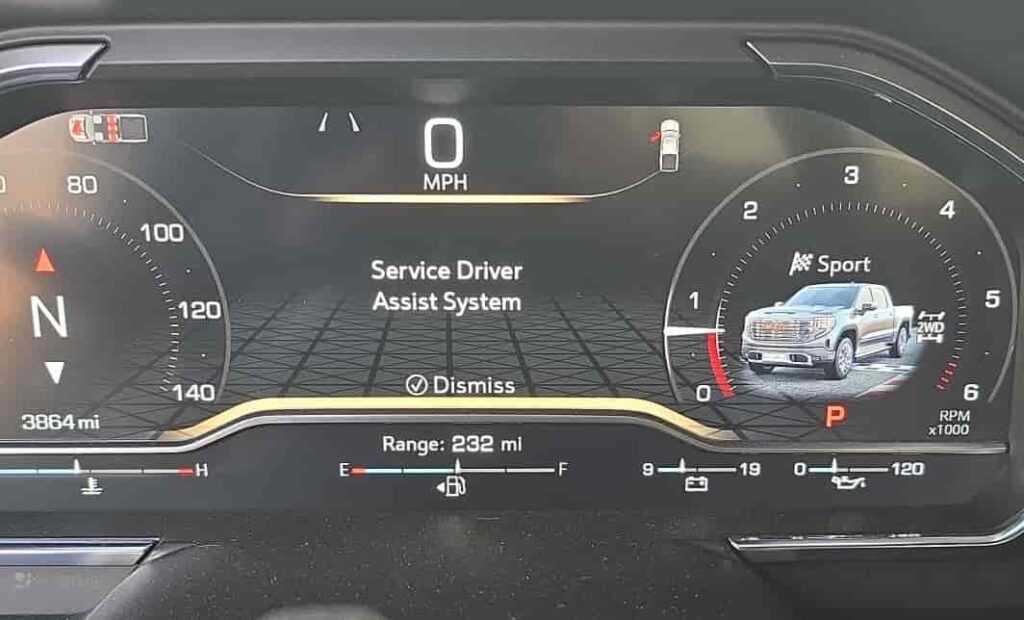
What Is Service Driver Assist System?
The Service Driver Assist System is a vehicle warning message. It appears when the driver assistance system detects a fault or reduced performance. This system is part of modern vehicle safety technology.
Driver assist features are included in Advanced Driver Assistance Systems Advanced Driver Assistance Systems. These systems support the driver during normal driving conditions. They help improve safety and reduce human error on the road.
When the system works correctly, it uses sensors and cameras to monitor the environment. It tracks lane markings, nearby vehicles, and obstacles. The system then sends real time signals to support braking, steering, and speed control.
The “Service Driver Assist System” message means the system cannot function properly. The vehicle may detect a sensor error or communication failure. In some cases, the system disables certain safety features to prevent incorrect actions.
This warning does not always indicate a critical breakdown. However, it shows that the vehicle safety support is not fully active. Drivers should treat this message seriously and inspect the system as soon as possible.
Modern vehicles rely heavily on this technology. Even a small fault can affect multiple driving assistance functions at the same time.
How Driver Assist Systems Work in Modern Vehicles
Driver assist systems work by combining hardware and software. They collect data from the environment and process it in real time. The system then helps the driver respond to road conditions more safely.
Modern vehicles use multiple sensors. These include cameras, radar units, and ultrasonic sensors. Each sensor has a specific role. Cameras detect lane markings and traffic signs. Radar tracks distance and speed of nearby vehicles. Ultrasonic sensors help with close range objects like parking obstacles.
All sensor data is sent to an electronic control unit. This unit processes the information and makes quick decisions. It then sends signals to vehicle systems such as braking, steering, and acceleration.
These systems are part of Advanced Driver Assistance Systems Advanced Driver Assistance Systems. They are designed to reduce human error and improve road safety. The system reacts faster than a human driver in many situations.
Driver assist systems also rely on software algorithms. These algorithms interpret sensor data and predict possible risks. If a risk is detected, the system can warn the driver or take corrective action.
However, performance depends on sensor accuracy and system calibration. If one component fails, the entire system may reduce functionality. This is when warnings like “Service Driver Assist System” may appear.
Core Functions of Driver Assist System
Driver assist systems support drivers in many everyday situations. These functions improve safety, comfort, and driving awareness. Most modern vehicles combine several features into one integrated system.
One key function is lane keeping assistance. The system detects lane markings and helps keep the vehicle centered. It can provide steering correction when the car drifts unintentionally.
Another important feature is adaptive cruise control. This function adjusts vehicle speed based on traffic conditions. It maintains a safe distance from the car ahead without constant driver input.
Collision avoidance is also a core function. The system monitors road hazards and warns the driver of potential impact. In some cases, it can apply automatic braking to reduce damage.
Blind spot monitoring helps drivers change lanes safely. It detects vehicles in areas that are hard to see using mirrors. The system alerts the driver with visual or audio signals.
Parking assistance is another useful function. It helps drivers maneuver in tight spaces. Some systems can even control steering automatically during parking.
These features are part of Advanced Driver Assistance Systems Advanced Driver Assistance Systems. They work together to reduce driving risk and improve reaction time in critical situations.
However, all functions depend on sensor accuracy and system health. If one component fails, multiple features may stop working. This is why system warnings must never be ignored.
What Does “Service Driver Assist System” Warning Mean?
The “Service Driver Assist System” warning means the vehicle has detected a fault in its driver assistance functions. It signals that one or more safety features are not working at full capacity.
This warning does not always mean a major breakdown. In many cases, the system detects a temporary error. The vehicle may still drive normally, but some safety functions may be limited or turned off.
Modern cars rely on Advanced Driver Assistance Systems Advanced Driver Assistance Systems to manage lane support, braking assistance, and distance control. When the system detects inconsistent data, it triggers this warning to protect driving safety.
The message often appears when sensors cannot read the environment correctly. Dirt, rain, snow, or blocked cameras can cause this issue. Software glitches or calibration errors can also trigger the warning.
Drivers should not ignore this message. Even if the car feels normal, safety systems may not respond correctly in critical situations. This increases driving risk, especially in traffic or highway conditions.
In some vehicles, the warning may disappear after restarting the engine. However, if it returns, the system likely needs inspection or recalibration. Professional diagnostics are recommended in that case.
Understanding this warning helps drivers react properly and avoid unnecessary safety risks.
Common Causes of Service Driver Assist System Errors
Service Driver Assist System errors usually come from sensor or communication problems. These issues affect how the vehicle reads and responds to road conditions.
One common cause is blocked or dirty sensors. Cameras and radar units can become covered with dust, rain, or snow. This prevents the system from detecting lanes and obstacles correctly.
Another cause is software malfunction. The vehicle control system may experience temporary glitches. These glitches can interrupt data processing inside Advanced Driver Assistance Systems Advanced Driver Assistance Systems.
Calibration problems also trigger this warning. This often happens after windshield replacement, bumper repair, or collision work. If sensors are not aligned correctly, the system cannot function as intended.
Low or unstable battery voltage can also cause errors. Modern driver assist systems require stable power. When voltage drops, the system may shut down safety features to prevent incorrect actions.
Environmental conditions also play a role. Heavy rain, fog, or bright sunlight can interfere with sensor accuracy. In these cases, the system may temporarily disable certain functions.
In some situations, wiring or communication faults between components may occur. This breaks data flow between sensors and the control unit. As a result, the system triggers a warning message.
Most of these causes are not permanent. However, they still require inspection to ensure safe driving performance.
Diagnostic Process and System Inspection
When the Service Driver Assist System warning appears, the first step is a proper diagnostic check. This process helps identify whether the issue comes from sensors, software, or electrical components.
Technicians often start with an OBD-II scan. This tool reads error codes stored in the vehicle system. These codes help locate the exact source of the problem inside Advanced Driver Assistance Systems Advanced Driver Assistance Systems.
After scanning, the next step is sensor inspection. Cameras, radar units, and ultrasonic sensors are checked for dirt, damage, or misalignment. Even small obstructions can affect system performance.
Calibration checks are also important. If the vehicle recently had repairs or glass replacement, sensors may need realignment. Incorrect calibration can cause false warnings or system failure.
Technicians also review software status. Outdated software can lead to communication errors between system components. In many cases, updating the system software can restore normal operation.
Electrical inspection is another key step. Wiring connections and voltage levels are tested to ensure stable communication between sensors and the control unit. Any disruption can trigger warning messages.
In some cases, professional diagnostic tools are required. These tools provide deeper system analysis that basic scanners cannot detect. This helps ensure accurate identification of hidden issues.
A structured inspection process reduces guesswork. It ensures the system is repaired correctly and safely restored.
Fixing Service Driver Assist System Issues
Fixing a Service Driver Assist System issue depends on the root cause. Most problems come from sensors, software, or calibration errors. A structured approach helps restore full system performance.
The first and simplest step is sensor cleaning. Drivers should clean cameras, radar areas, and windshield zones carefully. Dirt, water, or ice can block signals and reduce system accuracy.
If the warning continues, a system reset may help. Restarting the vehicle can clear temporary software glitches. In some cases, this restores normal function immediately.
Software updates are another important fix. Manufacturers often release updates to improve stability and performance. Installing the latest version can resolve communication errors inside Advanced Driver Assistance Systems Advanced Driver Assistance Systems.
Calibration is required when parts have been replaced or repaired. This includes windshields, bumpers, or front sensors. Proper recalibration ensures the system reads the environment correctly.
Battery health should also be checked. Low voltage can interrupt system functions and trigger warnings. A stable electrical supply is essential for driver assist features to work correctly.
If the issue remains after basic steps, professional repair is needed. Technicians use diagnostic tools to detect hidden faults and restore system accuracy.
Ignoring the warning is not recommended. Even if the vehicle drives normally, safety features may not function properly in critical situations.
Prevention and Maintenance Tips
Preventing Service Driver Assist System issues is easier than fixing them. Regular maintenance helps keep all safety functions stable and reliable.
One important habit is cleaning sensors regularly. Cameras, radar areas, and windshield zones should stay free from dirt and water. Even small obstructions can reduce system accuracy.
Drivers should also avoid modifying key front components. Changes to bumpers or windshields can affect sensor alignment. This often leads to calibration issues in Advanced Driver Assistance Systems Advanced Driver Assistance Systems.
Software updates should not be ignored. Manufacturers release updates to improve system stability and fix known bugs. Keeping the system updated helps prevent unexpected errors.
Battery maintenance is also important. A weak battery can cause unstable voltage. This may interrupt communication between system components and trigger warnings.
Safe driving habits also help reduce system stress. Sudden impacts, rough roads, or frequent collisions can damage sensors over time. Careful driving extends system lifespan.
Periodic vehicle inspections are recommended. Professional checks can detect early issues before they become serious problems. This improves both safety and system reliability.
Consistent maintenance ensures the driver assist system works correctly in all conditions.
Conclusion
The Service Driver Assist System plays a critical role in modern vehicle safety. It connects multiple driving support features into one intelligent system that helps reduce human error and improve road safety.
Throughout this guide, we explored how the system works and why warnings appear. We also looked at common causes such as sensor blockage, software errors, calibration issues, and power instability. Each of these factors can affect the performance of Advanced Driver Assistance Systems Advanced Driver Assistance Systems.
Although the warning message may seem alarming, it does not always indicate a serious failure. In many cases, the issue is temporary and can be resolved with cleaning, resetting, or updating the system. However, ignoring the warning can increase driving risk, especially in complex traffic conditions.
Proper maintenance is the key to long term system stability. Regular sensor cleaning, software updates, and professional inspections help ensure that all safety features operate correctly. Drivers who understand this system can respond faster and make safer decisions on the road.
As vehicles continue to evolve, driver assistance technology will become even more advanced. Understanding how it works today helps drivers stay prepared for the future of automotive safety.