The LS1 engine is widely recognized as one of the most influential V8 powerplants in the GM LS engine family, valued for its strong performance, durability, and tuning potential. However, one of the most overlooked yet critical aspects of this engine is its firing order, which plays a fundamental role in how smoothly and efficiently the engine operates.
The firing order determines the exact sequence in which each cylinder ignites during the combustion cycle. In the LS1 engine, this sequence is carefully engineered to balance internal forces, reduce vibration, and ensure consistent power delivery. When the firing order is correctly understood and applied, the engine runs smoothly, maintains better fuel efficiency, and delivers stable performance across different RPM ranges.
On the other hand, even small mistakes in interpreting the firing sequence or connecting ignition components incorrectly can lead to serious issues such as misfires, rough idling, reduced power output, and poor engine response. These problems are especially common during maintenance, engine swaps, or performance modifications.
This guide will provide a clear and detailed explanation of the LS1 engine firing order, how it works within the combustion cycle, and why it is essential for both engine reliability and performance optimization.
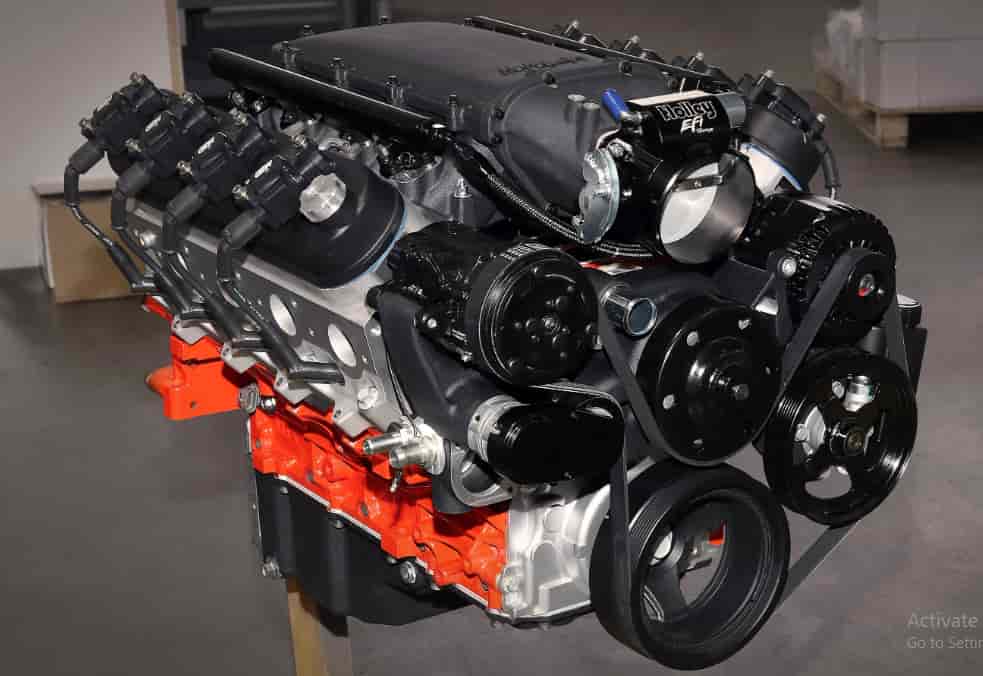
LS1 Engine Overview and Cylinder Layout
The LS1 engine is part of the GM LS engine family and is one of the most important V8 platforms in modern automotive engineering. It was designed to deliver a strong balance between performance, reliability, and scalability, which is why it became extremely popular in both stock vehicles and performance builds.
At its core, the LS1 is a 90 degree V8 engine, meaning it has two banks of four cylinders arranged in a V shape. This configuration is not only compact but also helps distribute power evenly across the crankshaft, improving overall engine balance.
Understanding the cylinder layout is essential before learning the firing order. In the LS1 engine, the cylinders are numbered in a specific pattern that does not follow a simple left to right visual order. On one bank of the engine, typically the driver side, the cylinders are numbered 1, 3, 5, and 7. On the opposite bank, usually the passenger side, the cylinders are numbered 2, 4, 6, and 8.
This numbering system is critical because it forms the foundation for how the firing order is applied. Each cylinder must fire at a precise moment in the engine cycle, and any misunderstanding of the layout can lead to incorrect ignition wiring or timing issues.
The LS engine design also reflects careful engineering to optimize airflow, combustion efficiency, and mechanical balance. Because of this, the cylinder layout is not just a numbering system but part of a larger performance strategy that supports smooth operation at both low and high RPM ranges.
What Is LS1 Engine Firing Order
The LS1 engine firing order refers to the exact sequence in which each cylinder ignites during the combustion cycle. In a V8 engine like the LS1, combustion does not occur randomly. Instead, each cylinder is activated in a carefully designed pattern to ensure smooth power delivery and balanced engine operation.
In the LS1 engine, the firing order is 1, 8, 7, 2, 6, 5, 4, 3. This sequence is engineered based on the crankshaft design and the physical layout of the engine. Each cylinder fires once every two full rotations of the crankshaft, which is a standard characteristic of a four stroke internal combustion engine.
The purpose of this firing sequence is to distribute combustion forces evenly across both cylinder banks. Instead of having multiple cylinders on one side fire consecutively, the sequence alternates between banks. This helps reduce vibration, improves engine balance, and creates a smoother driving experience.
From a mechanical perspective, the firing order is closely tied to engine timing. The ignition system must deliver spark at the exact moment each cylinder reaches the correct position in its combustion cycle. If the sequence is incorrect, the engine will not run properly, leading to misfires or complete failure to operate.
Understanding this firing order is essential for anyone working on LS1 engines, whether for maintenance, diagnostics, or performance tuning. It is one of the core principles that ensures the engine performs efficiently and reliably under all operating conditions.
Why LS1 Engine Uses This Firing Order
The LS1 engine firing order is not chosen randomly. It is the result of careful engineering aimed at improving balance, durability, and overall performance of the engine under a wide range of operating conditions.
One of the main reasons for this specific sequence is engine balance. By alternating the firing events between the two cylinder banks, the LS1 reduces uneven forces acting on the crankshaft. This helps minimize vibration and creates a smoother rotational motion, which is especially noticeable at idle and low RPM.
Another important factor is mechanical stress distribution. When combustion events are spread out evenly across the crankshaft rotation, no single section of the engine is overloaded with continuous force. This improves long term reliability and reduces wear on internal components such as bearings and connecting rods.
Thermal management is also a key consideration. The firing order helps distribute heat more evenly throughout the engine. If cylinders on the same bank fired consecutively too often, it would create localized heat buildup, increasing the risk of thermal stress and potential damage over time.
In addition, this firing sequence contributes to better power delivery. The engine produces a more consistent torque curve, which improves throttle response and overall drivability. This is particularly important in performance applications where smooth power output is essential for control and traction.
Overall, the LS1 firing order reflects a balance between physics, mechanical engineering, and performance optimization. It is designed to ensure that the engine operates efficiently, reliably, and smoothly across all driving conditions.
Common Problems Caused by Incorrect Firing Order
When the LS1 engine firing order is incorrect, the engine will not operate as intended because the combustion process depends on precise timing and sequence. Even a small wiring mistake in the ignition system can immediately disrupt engine performance.
One of the most common symptoms is engine misfire. This happens when a cylinder receives a spark at the wrong time, causing incomplete combustion. The result is a noticeable drop in smoothness and efficiency, often felt as shaking or hesitation during acceleration.
Another frequent issue is rough idle. Instead of running evenly at low RPM, the engine may vibrate excessively or feel unstable. This occurs because the power strokes are no longer balanced across the crankshaft rotation, creating uneven force distribution.
Backfiring is also a possible consequence of incorrect firing order. When fuel ignites at the wrong moment, it can combust in the intake or exhaust system instead of the combustion chamber. This not only affects performance but can also cause damage over time if not corrected.
In more severe cases, incorrect firing order leads to significant power loss. The engine may feel weak, unresponsive, and inefficient, especially under load. Fuel consumption may also increase because combustion is no longer optimized.
These issues are especially common after engine repairs, coil replacement, spark plug changes, or engine swaps. That is why verifying the correct firing order is always a critical step during maintenance or tuning work.
How to Verify LS1 Firing Order Correctly
Verifying the LS1 engine firing order is an essential step during maintenance, engine assembly, or any ignition system repair. Because the LS1 relies on precise ignition timing, even a small mistake in wiring or cylinder identification can cause major performance issues.
The first step is to correctly identify the cylinder numbering on the engine. The LS1 uses a V8 layout with two cylinder banks, and each side follows a specific numbering pattern. One bank contains cylinders 1, 3, 5, and 7, while the opposite bank contains cylinders 2, 4, 6, and 8. Understanding this layout is critical before checking any ignition components.
Next, you should confirm the ignition coil or spark plug wire routing. Each cylinder must be connected according to the correct firing sequence, which is 1, 8, 7, 2, 6, 5, 4, 3. It is important to follow this order exactly as specified in the factory service manual rather than relying on assumptions or visual symmetry.
Using a reference diagram is highly recommended during this process. A proper LS1 firing order diagram helps eliminate confusion and ensures each connection matches the correct cylinder position. This is especially useful during engine swaps or aftermarket ignition setups.
For modern LS1 equipped vehicles, an OBD2 scanner or diagnostic tool can also assist in verification. If the firing order is incorrect, the ECU will often detect misfires and generate error codes related to specific cylinders.
Finally, always double check all connections after installation. A simple verification step can prevent engine misfires, rough running conditions, and potential long term damage.
Impact of Firing Order on Engine Performance and Tuning
The LS1 engine firing order plays a much bigger role than just ensuring the engine runs. It directly influences how the engine behaves in terms of performance, responsiveness, and tuning potential.
From a performance perspective, a correct firing order ensures that combustion events are evenly distributed across the crankshaft rotation. This creates a stable torque output, which improves acceleration smoothness and overall drivability. When the engine fires in the correct sequence, power delivery feels consistent rather than uneven or jerky.
In tuning applications, understanding the firing order becomes even more important. Any modification related to ignition timing, camshaft upgrades, or ECU tuning must respect the original firing sequence. If the timing adjustments are not aligned properly with the firing order, the engine may lose efficiency and produce unstable power curves.
The firing order also affects how the engine responds at high RPM. In performance or racing conditions, a well balanced firing sequence helps reduce vibration and mechanical stress, allowing the engine to maintain stability under extreme loads. This is one of the reasons LS engines are widely used in performance builds and motorsport applications.
Another important factor is throttle response. A correctly functioning firing order ensures that each combustion event contributes evenly to engine output. This makes throttle input more predictable and improves control, especially during aggressive driving or track use.
Overall, the LS1 firing order is not just a technical specification. It is a foundational element that directly affects how the engine performs, how it responds to tuning, and how reliable it remains under high stress conditions.
Conclusion
Understanding the LS1 engine firing order is essential for anyone working with this engine. The sequence 1, 8, 7, 2, 6, 5, 4, 3 ensures smooth combustion and stable engine performance.
This firing order connects directly to cylinder layout, ignition timing, and engine balance. When you apply it correctly, the LS1 runs with less vibration and more consistent power. It also improves thermal balance across the engine.
Many problems appear when the firing order is incorrect. Common issues include misfires, rough idle, backfiring, and power loss. These problems often happen during repairs or modifications when wiring mistakes occur.
Correct understanding of the firing order helps prevent these issues. It also improves tuning accuracy and supports better engine reliability.
In performance use, the LS1 benefits greatly from a correct firing sequence. The engine delivers smoother torque and better throttle response. It also handles higher stress conditions more effectively.
Overall, the LS1 firing order is not just a technical detail. It is a core factor that controls how the engine performs, responds, and stays reliable over time.