Buying a used Toyota Tacoma feels like one of the safest decisions a truck buyer can make. For decades, Tacoma has earned a reputation for exceptional durability, strong resale value, and the ability to keep running long after many competitors have reached the end of their life. Many owners proudly report driving their trucks well beyond 200,000 miles with minimal issues. That reputation alone convinces thousands of buyers every year that purchasing any Tacoma is automatically a smart move.
However, there is one costly mistake many shoppers make. They assume every Tacoma model year delivers the same legendary reliability.
The reality is far more complicated.
Some Toyota Tacoma years have developed recurring problems that range from severe frame rust and suspension failures to transmission complaints and expensive recall-related repairs. While Toyota has addressed many issues over time, certain model years gained reputations for problems that buyers should understand before signing paperwork.
This becomes especially important when shopping for a used truck. Imagine spending a premium price on a Tacoma because everyone says Toyota trucks last forever, only to discover hidden frame corrosion or transmission behavior that leads to unexpected repair bills a few weeks later. Suddenly, that “safe purchase” becomes an expensive headache.
In this guide to Common Toyota Tacoma Problems by Model Year, we will break down the biggest issues reported across Tacoma generations, explain which years deserve closer inspection, and help you avoid mistakes that could cost thousands of dollars down the road.
Early First Generation Tacoma (1995–2004)
The first generation Toyota Tacoma quickly earned respect for its compact size, simple engineering, and dependable performance. Even today, many truck enthusiasts actively search for these older models because of their reputation for longevity and off road capability. However, buyers often discover that age and hidden defects can turn a seemingly reliable truck into an expensive restoration project.
The biggest issue associated with early Tacoma models was severe frame rust and corrosion. This problem became so widespread that it eventually developed into one of the most recognized Toyota truck controversies. Owners in colder climates faced particularly serious problems because road salt accelerated corrosion underneath the truck. In some cases, rust damage became so extreme that portions of the frame weakened significantly, creating major safety concerns.
The situation became serious enough that Toyota launched extensive inspections and replacement programs. Some qualifying owners even received vehicle buybacks. Many buyers searching for older Tacoma trucks today remain unaware of this history and focus only on mileage or cosmetic appearance.
When shopping for a first generation Tacoma, a clean exterior should never create a false sense of confidence. Hidden corrosion often develops beneath the truck where inexperienced buyers rarely look. Frame rails, suspension mounting points, and lower structural areas deserve careful inspection.
Despite these concerns, many enthusiasts still love the first generation Tacoma because of its straightforward design and strong reliability outside of frame issues. Trucks that received frame replacements or spent their lives in dry climates can remain excellent purchases.
Pros:
Simple mechanical design
Strong reliability reputation
Excellent off road capability
Strong aftermarket support
Cons:
Major frame rust risk
Age related wear issues
Limited modern safety features
Fun fact: Toyota’s response to Tacoma frame corrosion became one of the largest customer support actions in truck history.
Toyota Tacoma Problems: 2005–2010 Models
The second generation Tacoma introduced major improvements including a larger body, stronger engines, and more interior comfort. Buyers appreciated the updated styling and improved performance. For many people, these trucks represented the ideal balance between daily usability and rugged capability.
Unfortunately, some problems from the previous generation did not disappear.
Frame rust concerns continued affecting certain Tacoma owners. Although Toyota attempted improvements, corrosion complaints still surfaced, particularly in regions with harsh winters and heavy road salt exposure.
Another common complaint involved leaf spring failures. Some owners experienced broken rear leaf springs, creating safety concerns and affecting ride quality. Toyota eventually addressed many of these concerns through recalls and service campaigns.
Certain drivers also reported drivetrain noises and steering related issues. While these problems were not universal, they became recurring topics among owners discussing reliability concerns online.
This creates a common pain point among used truck buyers. Many shoppers choose an older Tacoma hoping to save money compared to newer trucks. Then they discover structural repairs or suspension replacements costing thousands of dollars after purchase.
Because Tacoma trucks hold value exceptionally well, buyers often pay premium used prices. Paying premium prices while inheriting expensive repairs creates frustration that many owners never expected.
Still, many 2005 through 2010 Tacoma models continue to perform extremely well when properly maintained and carefully inspected before purchase.
Signs buyers should inspect:
Rust underneath frame components
Uneven suspension height
Strange steering behavior
Excessive drivetrain noise
Maintenance history documentation
Toyota Tacoma Problems: 2016–2017 Models
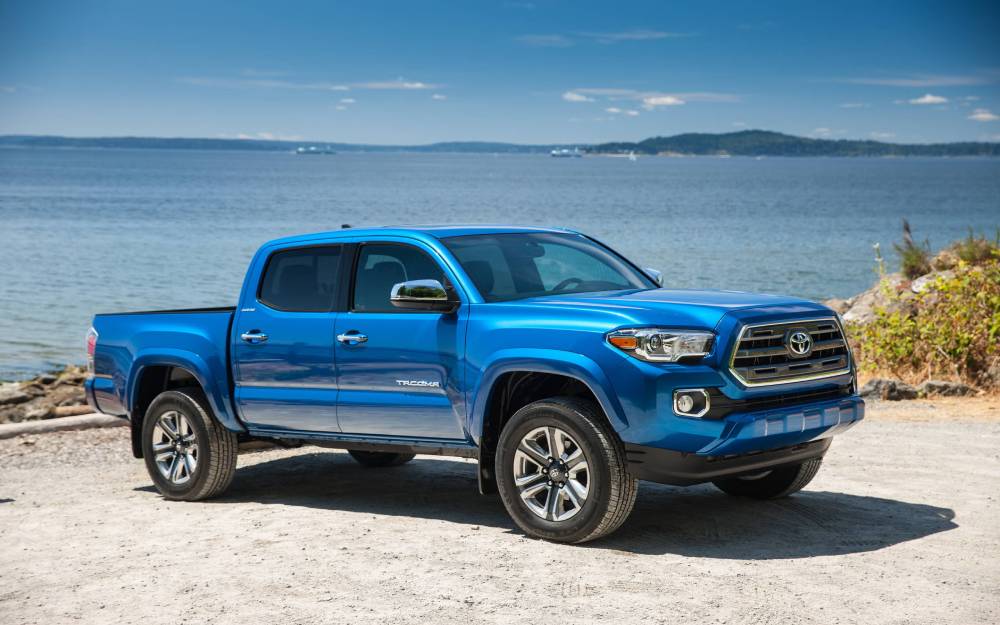
The 2016 Toyota Tacoma represented one of the biggest redesigns in the truck’s history. Toyota introduced updated styling, a new engine lineup, improved technology, and a more modern cabin. Expectations were extremely high because buyers assumed Toyota reliability combined with modern engineering would create another legendary truck generation.
Instead, many early owners reported one complaint repeatedly.
Transmission behavior.
Drivers described unusual shifting patterns, delayed acceleration response, and gear hunting during highway driving. Gear hunting occurs when a transmission repeatedly changes between gears while attempting to determine the correct ratio.
Many owners described situations where the truck seemed confused during moderate acceleration. Drivers would press the accelerator expecting smooth power delivery only to experience hesitation before the transmission finally selected a gear.
While these problems rarely resulted in complete transmission failure, they negatively affected everyday driving experience. Toyota later issued software updates intended to improve shifting performance, but owner opinions remained divided.
Another source of frustration involved throttle response. Some drivers felt the truck lacked responsiveness compared with older Tacoma generations. For buyers transitioning from previous models, the difference felt surprisingly noticeable.
Fun fact: Some Tacoma owners joked online that the transmission spent more time “thinking” than shifting.
Although the 2016 and 2017 Tacoma models still maintain good overall reliability ratings, buyers considering these years should always perform a thorough test drive and evaluate transmission behavior personally.
Toyota Tacoma Problems: 2018–2020 Models
By 2018, Toyota had already addressed several concerns found in the earlier years of the third generation Tacoma. Buyers expected the truck to become more refined and dependable as production matured. In many ways, it did. Interior technology improved, safety features expanded, and overall driving comfort became better than previous generations.
However, newer technology introduced a different set of concerns.
One of the most discussed issues involved fuel pump failures. Certain Tacoma models experienced problems where the low pressure fuel pump could fail unexpectedly. Symptoms included rough engine operation, hesitation during acceleration, warning lights, and in some cases engine stalling. For drivers, this created an especially frustrating situation because problems often appeared without much warning.
Toyota eventually issued recalls related to fuel pump defects affecting numerous vehicles across several model lines. Buyers shopping for used Tacoma trucks from this period should always verify whether recall work has already been completed.
Some owners also reported concerns involving electronic systems and driver assistance technologies. As vehicles become more advanced, they also become more dependent on sensors and software. Certain drivers experienced occasional problems involving radar systems, alerts, or electronic functionality. Although these issues were usually not catastrophic, they created unexpected ownership frustrations.
This reflects a growing reality in modern trucks. Older Tacoma models often suffered mechanical issues while newer generations sometimes create headaches through electronic complexity.
The good news is that overall durability remained strong during these years. Many owners still consider the 2018 through 2020 Tacoma among the better choices within the third generation, especially when maintenance records are available and recall repairs have been completed.
Things buyers should verify before purchasing:
Fuel pump recall status
Electronic system functionality
Driver assistance feature operation
Complete service records
Software updates
Tacoma Years With the Best Reliability Ratings
After discussing years with recurring complaints, an important question remains. Which Toyota Tacoma years stand out as the safest choices for buyers seeking long term reliability?
Not every Tacoma year developed major issues. In fact, several model years built reputations for balancing durability, ownership satisfaction, and fewer widespread complaints.
Many truck experts and long time owners frequently recommend these years:
Top Toyota Tacoma years worth considering:
2013 Toyota Tacoma
2014 Toyota Tacoma
2015 Toyota Tacoma
2020 Toyota Tacoma
2021 Toyota Tacoma
The 2013 through 2015 models are often praised because they arrived near the end of the second generation production cycle. By this point, Toyota had years to identify and improve previous issues. Mature production cycles often produce more refined vehicles because manufacturers have already corrected early problems.
The 2020 and 2021 models also gained positive attention because many third generation software concerns had improved. Owners appreciated modern technology while avoiding many earlier complaints.
Another major reason Tacoma remains popular involves resale value. Some pickup trucks depreciate rapidly after purchase. Tacoma trucks consistently maintain stronger values than many competitors. While buyers sometimes complain about paying more upfront, lower long term depreciation can offset those costs.
For shoppers wanting the safest purchase, choosing a highly rated model year with documented maintenance history often matters more than finding the absolute lowest price.
Buying Tips Before Purchasing a Used Toyota Tacoma
Understanding common Toyota Tacoma problems by model year gives buyers a major advantage, but knowledge alone is not enough. Even reliable trucks can become expensive if previous owners ignored maintenance or concealed hidden damage.
One of the biggest mistakes buyers make involves assuming the Toyota badge automatically guarantees a problem free truck. Reputation should never replace inspection.
Before buying any used Tacoma, inspect the frame carefully. Corrosion remains one of the most financially devastating problems because structural repairs can become extremely expensive. Surface rust may appear harmless at first glance, but deeper corrosion can create major safety concerns.
Always request maintenance records. Oil changes, transmission service history, suspension repairs, and recall documentation provide valuable clues about ownership quality.
A vehicle history report can also reveal accidents, title problems, and previous damage. Many buyers become focused on appearance and mileage while overlooking information that could reveal serious risks.
Test driving matters more than many people realize. During a drive, pay close attention to shifting behavior, acceleration response, steering feel, suspension noise, and brake performance.
Spending an extra hour researching and inspecting a Tacoma today can prevent months of frustration and thousands of dollars in surprise repairs later.
Conclusion
Toyota Tacoma has earned its reputation as one of the most dependable pickup trucks ever built, and for good reason. Countless owners have pushed these trucks well past 200,000 miles while continuing to rely on them for daily driving, work duties, and off road adventures. Few midsize trucks have matched Tacoma’s long term durability and resale value.
However, understanding Common Toyota Tacoma Problems by Model Year reveals an important truth. Reliability is not identical across every model year.
Some Tacoma years developed serious concerns involving frame corrosion, suspension failures, transmission behavior, or recall related repairs. Ignoring these issues can transform what appears to be a smart purchase into an expensive lesson. This becomes even more important in the used truck market, where Tacoma prices often remain high because of the brand’s strong reputation.
The good news is that buyers willing to do proper research can dramatically reduce their risk. Checking maintenance history, reviewing recall records, inspecting the frame carefully, and understanding model specific concerns can help identify a truck that delivers the reliability Tacoma is known for.
The goal is not simply buying a Toyota Tacoma. The goal is buying the right Toyota Tacoma.
A few extra hours of research before purchasing could save thousands of dollars, eliminate future frustration, and give you confidence that your truck will remain dependable for years to come.
Have you owned a Toyota Tacoma before? Which model year gave you the best experience, and which one caused the biggest headaches? Share your experience in the comments because your story could help future buyers avoid costly mistakes.