A Hyundai check engine light flashing is never a warning you should ignore. Unlike a solid check engine light, a flashing warning usually means the engine is experiencing a serious problem that could quickly lead to expensive repairs. In many cases, the issue is related to an engine misfire that allows unburned fuel to enter the exhaust system. If the problem continues, the catalytic converter can overheat and fail, turning a relatively simple repair into a major expense.
Many Hyundai owners first notice the problem when the vehicle starts shaking during acceleration or loses power while driving. Others may experience rough idling, poor fuel economy, hard starting, or strange burning smells coming from the exhaust. These symptoms often appear suddenly, which can make the situation stressful and confusing, especially for drivers who are unfamiliar with engine warning signs.
Several issues can trigger a Hyundai check engine light flashing. Faulty spark plugs, failed ignition coils, clogged fuel injectors, oxygen sensor problems, and vacuum leaks are among the most common causes. Certain Hyundai models with GDI engines may also develop carbon buildup that affects combustion performance over time. While some repairs are relatively inexpensive, delaying diagnosis can increase repair costs significantly.
Understanding what causes a flashing check engine light is the first step toward preventing severe engine damage. In this guide, you will learn the most common causes, warning symptoms, diagnostic methods, repair solutions, and estimated repair costs for Hyundai vehicles. You will also discover when it is safe to continue driving and when you should stop immediately to avoid further damage.
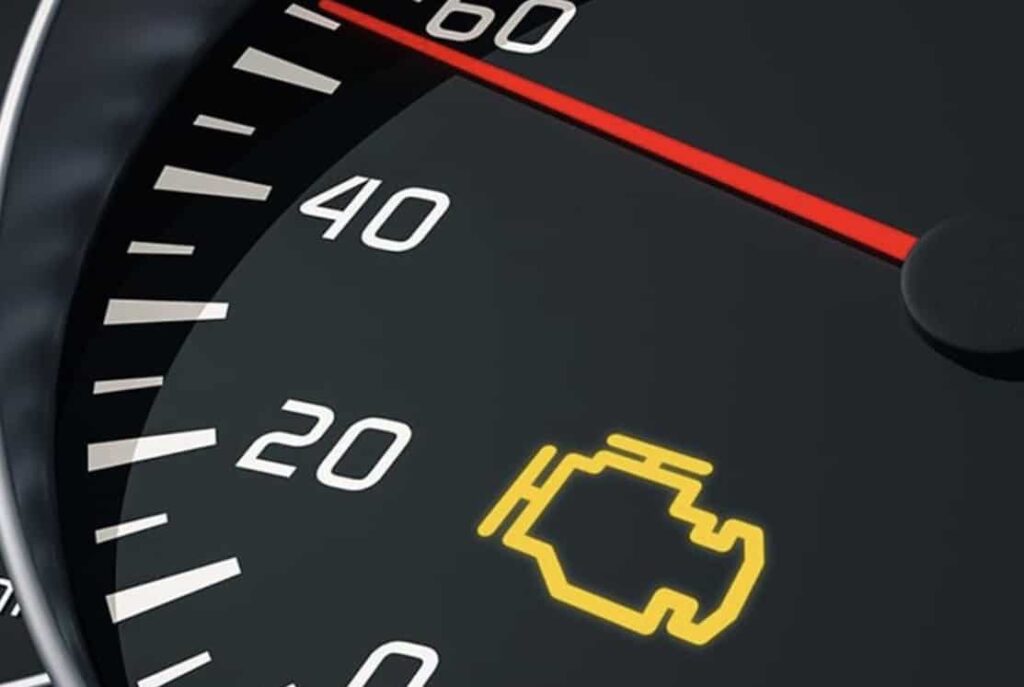
What Does a Flashing Check Engine Light Mean on a Hyundai?
A flashing check engine light on a Hyundai usually indicates a severe engine misfire. The vehicle’s onboard computer monitors engine performance continuously. When it detects combustion problems that could damage the emissions system or engine components, it triggers a flashing warning light to alert the driver immediately.
Many drivers confuse a flashing check engine light with a solid warning light, but the two signals represent very different levels of severity. A solid check engine light often points to a less urgent issue such as a loose gas cap, a minor sensor failure, or an emissions related fault. A flashing light, however, typically means the engine is actively misfiring and operating unsafely.
Engine misfires occur when one or more cylinders fail to burn fuel correctly. This creates uneven engine operation and allows raw fuel to pass into the exhaust system. As unburned fuel reaches the catalytic converter, temperatures inside the component increase rapidly. Over time, excessive heat can melt internal materials and destroy the converter completely.
A Hyundai flashing check engine light may also appear alongside other warning signs. Drivers often report strong vibrations, sluggish acceleration, rough idle conditions, and sudden power loss. In some cases, the vehicle may enter limp mode to reduce engine stress and prevent additional damage.
Continuing to drive with a flashing check engine light can be risky. Even if the vehicle still moves normally for a short period, the underlying issue may worsen quickly. A failed ignition coil or severely worn spark plug can eventually damage fuel injectors, oxygen sensors, or internal engine components. Repair costs can increase dramatically if the problem is ignored.
The safest approach is to reduce speed, avoid heavy acceleration, and diagnose the issue as soon as possible. If the vehicle shakes violently, stalls repeatedly, or loses significant power, stopping the vehicle immediately is strongly recommended.
Common Causes of a Hyundai Check Engine Light Flashing
A Hyundai check engine light flashing usually points to a serious combustion problem inside the engine. In most cases, the issue is connected to an engine misfire that prevents one or more cylinders from burning fuel properly. When this happens, the engine control module detects abnormal combustion and activates the flashing warning light to alert the driver before severe damage occurs. Unlike a steady warning light, a flashing signal often means the problem requires immediate attention.
One of the most common causes is worn spark plugs. Over time, spark plugs lose their ability to ignite the air and fuel mixture efficiently, leading to rough idling, shaking, poor acceleration, and hard starting. Faulty ignition coils can create similar symptoms because they supply the electrical voltage needed for combustion. When an ignition coil fails, the engine may misfire continuously, especially during acceleration or highway driving.
Fuel system problems can also trigger a Hyundai check engine light flashing. Dirty or clogged fuel injectors may interrupt fuel delivery, creating an unstable air and fuel ratio that affects engine performance. Some Hyundai models also develop carbon buildup inside the intake system, which can worsen combustion efficiency over time.
Another possible cause is catalytic converter overheating. Continuous misfires allow unburned fuel to enter the exhaust system, increasing internal temperatures and damaging the converter. Oxygen sensor failures and vacuum leaks may also contribute to poor combustion by sending incorrect airflow or fuel mixture information to the engine computer. Because several different components can produce similar symptoms, accurate diagnosis is essential before replacing parts unnecessarily.
Symptoms That Usually Appear With a Flashing Check Engine Light
A Hyundai check engine light flashing rarely appears alone. In most situations, drivers notice several warning symptoms at the same time, and these signs often become worse the longer the problem is ignored. Because a flashing warning light usually indicates an active engine misfire, the vehicle may begin running rough almost immediately after the issue starts.
One of the most common symptoms is vehicle shaking or vibration. The engine may feel unstable while idling, and the steering wheel can vibrate noticeably during acceleration. Some drivers experience jerking movements when driving at higher speeds, especially when the engine is under load. This happens because one or more cylinders are failing to produce power consistently.
Loss of engine performance is another major warning sign. The vehicle may struggle to accelerate, respond slowly to throttle input, or feel weaker than normal during highway driving. In more severe cases, the Hyundai may enter limp mode to protect critical engine components from further damage. When this occurs, engine speed and power become heavily restricted.
Poor fuel economy is also common because incomplete combustion forces the engine to burn more fuel inefficiently. Drivers may notice they are refueling more often even during normal driving conditions. At the same time, a strong burning smell or unusual exhaust odor can appear if unburned fuel reaches the catalytic converter and overheats the exhaust system.
Hard starting, rough idling, and unexpected stalling may also develop as the condition worsens. Some Hyundai owners report that the engine runs normally for a few minutes before symptoms suddenly return. Ignoring these early warning signs can increase repair costs significantly and may eventually lead to severe engine or catalytic converter damage.
How to Diagnose a Hyundai Check Engine Light Flashing
A Hyundai check engine light flashing often signals a serious engine problem that requires immediate diagnosis. In most cases, the issue comes from an engine misfire, which prevents the cylinders from burning fuel correctly. When combustion becomes unstable, the engine control module stores diagnostic trouble codes and activates the flashing warning light. Identifying the problem early can help drivers avoid expensive engine repairs and catalytic converter damage.
The first step in diagnosis is scanning the vehicle with an OBD2 scanner. This tool reads trouble codes stored inside the vehicle’s computer system and helps identify faults related to ignition coils, spark plugs, fuel injectors, oxygen sensors, or airflow components. Misfire related codes such as P0300, P0301, or P0302 are especially common in Hyundai vehicles experiencing rough engine performance.
After scanning the vehicle, drivers should inspect the ignition system carefully. Worn spark plugs often develop carbon buildup or damaged electrodes that reduce combustion efficiency. Faulty ignition coils may also create severe shaking, rough idling, and weak acceleration. Since ignition related failures are among the most common causes of a Hyundai check engine light flashing, these components should never be overlooked.
Fuel delivery and air intake systems also play an important role in engine performance. Dirty fuel injectors, leaking vacuum hoses, clogged air filters, or intake restrictions can disrupt the air and fuel ratio and create unstable combustion conditions. If the warning light continues flashing after basic inspection, professional diagnosis becomes necessary. A qualified mechanic can perform advanced testing and detect hidden electrical faults, sensor failures, or fuel pressure problems before they cause serious engine damage.
How to Fix a Flashing Check Engine Light on a Hyundai
Fixing a Hyundai check engine light flashing starts with identifying the exact cause of the problem. Since the warning usually indicates an active engine misfire, drivers should avoid ignoring the issue or continuing to drive for long periods. Fast repairs can prevent additional damage to the catalytic converter, ignition system, and internal engine components.
One of the most common repairs involves replacing worn spark plugs. Old spark plugs often fail to ignite the air and fuel mixture properly, which creates rough combustion and engine vibration. Installing new spark plugs can improve acceleration, fuel efficiency, and overall engine performance. Many Hyundai models also experience ignition coil failures, especially at higher mileage. Replacing damaged ignition coils can quickly eliminate shaking, hesitation, and misfire symptoms.
Fuel system cleaning may also help resolve the problem. Dirty fuel injectors can restrict fuel delivery and create an unstable combustion process. Mechanics often use injector cleaning solutions or specialized equipment to restore proper fuel flow. If the injectors are severely damaged, replacement may become necessary.
Air intake problems should also be repaired immediately. Cracked vacuum hoses, leaking intake components, or clogged air filters can disrupt airflow and trigger engine misfires. Some Hyundai vehicles with GDI engines may also require carbon cleaning to remove buildup inside the intake system.
In severe cases, prolonged misfires can damage the catalytic converter. When this happens, the vehicle may lose power, produce strong exhaust smells, or overheat during driving. Replacing a catalytic converter can become expensive, which is why early diagnosis and repair are extremely important. Addressing the issue quickly not only restores engine performance but also reduces the risk of long term engine damage and costly repairs.
Repair Costs for a Hyundai Check Engine Light Flashing
The repair cost for a Hyundai check engine light flashing can vary significantly depending on the underlying problem. Some issues require simple maintenance, while others involve major engine or exhaust system repairs. The final cost usually depends on the damaged component, labor rates, and the specific Hyundai model.
Spark plug replacement is often the least expensive repair. Most Hyundai owners can expect to pay between $100 and $300 for parts and labor. If the issue involves faulty ignition coils, repair costs may increase to around $150 to $500 depending on how many coils require replacement. Because ignition problems commonly trigger engine misfires, replacing these components early can prevent more serious damage later.
Fuel injector repairs are usually more expensive because diagnosis and cleaning take additional time. Minor injector cleaning services may cost a few hundred dollars, while complete injector replacement can exceed $800 in some cases. Oxygen sensor replacement typically falls within the moderate repair range, although delayed repairs can reduce fuel efficiency and create additional engine problems.
The most expensive repair usually involves the catalytic converter. Continuous engine misfires allow unburned fuel to overheat the converter, damaging internal components and reducing exhaust efficiency. Replacing a catalytic converter may cost between $900 and $2500 depending on the Hyundai model and labor costs in the area.
Drivers can often reduce repair expenses by addressing the warning light early. Small ignition or fuel system problems can quickly become major engine repairs if they remain unresolved for too long. Regular maintenance, timely inspections, and fast diagnosis are the best ways to avoid high repair costs and protect long term engine performance.
How to Prevent Future Check Engine Light Problems
Preventing a Hyundai check engine light flashing starts with consistent vehicle maintenance. Many engine misfire problems develop slowly over time, especially when drivers ignore early warning signs or postpone routine service intervals. Keeping the ignition and fuel systems in good condition can significantly reduce the risk of future engine problems.
Regular spark plug replacement is one of the most important preventive steps. Worn spark plugs reduce combustion efficiency and place additional stress on ignition coils. Hyundai owners should also inspect ignition components periodically, especially on higher mileage vehicles that may experience coil failures more frequently.
Using high quality fuel can also improve long term engine performance. Poor fuel quality may increase carbon buildup inside fuel injectors and intake components, particularly in Hyundai models equipped with GDI engines. Regular fuel system cleaning can help maintain stable combustion and smoother acceleration.
Drivers should never ignore symptoms such as rough idling, weak acceleration, engine shaking, or poor fuel economy. These warning signs often appear before the check engine light starts flashing. Addressing small problems early can prevent catalytic converter damage and reduce overall repair costs.
Routine engine diagnostics also help detect hidden issues before they become severe. Even if the vehicle appears to run normally, scanning for trouble codes during scheduled maintenance can reveal developing problems inside the ignition, fuel delivery, or emissions systems. Preventive maintenance not only improves reliability but also helps Hyundai owners avoid unexpected breakdowns and expensive repairs.
Conclusion
A Hyundai check engine light flashing is a warning sign that drivers should never ignore. In most cases, the problem is linked to an engine misfire caused by faulty spark plugs, damaged ignition coils, fuel injector issues, or airflow problems. While the vehicle may still operate for a short time, continuing to drive without diagnosis can lead to severe engine damage and expensive catalytic converter repairs.
Many Hyundai owners first notice symptoms such as engine shaking, rough idling, weak acceleration, or poor fuel economy before the warning light begins flashing. These signs often indicate unstable combustion inside the engine. Addressing the issue early can prevent additional damage and lower overall repair costs significantly.
Proper diagnosis plays an important role in finding the exact cause. Scanning the vehicle for trouble codes, inspecting ignition components, and checking fuel and air intake systems can help identify the problem quickly. In many situations, replacing worn spark plugs or faulty ignition coils restores engine performance and eliminates the warning light.
Regular maintenance remains the best way to prevent future engine problems. Replacing ignition components on schedule, using quality fuel, and responding to early warning signs can improve engine reliability and reduce the risk of sudden breakdowns. Hyundai owners who act quickly after seeing a flashing check engine light often avoid much larger repair expenses later.
If your Hyundai check engine light is flashing, scheduling a diagnostic inspection as soon as possible is the safest decision. Early repairs can protect the engine, improve driving performance, and prevent costly long term damage.