Small turbocharged engines promise an appealing mix of efficiency, power, and lower emissions, which is exactly why the Ecotec 1.3L turbo has attracted so much attention among modern vehicle buyers. Found in several popular GM models, this compact three cylinder engine offers surprisingly strong performance for its size. On paper, it looks like a smart balance between fuel economy and everyday drivability.
However, many owners have started reporting recurring concerns as mileage increases. Some drivers experience carbon buildup much earlier than expected. Others encounter oil consumption issues, timing chain wear, or even premature turbocharger problems that can lead to expensive repairs. For used car buyers, these reports raise an important question. Is the Ecotec 1.3L turbo genuinely reliable, or are these problems serious enough to reconsider ownership?
Understanding the most common Ecotec 1.3L turbo engine problems can help owners spot warning signs early, reduce repair costs, and avoid major failures. Not every engine will develop these issues, but knowing what tends to go wrong and why can make a major difference in long term ownership satisfaction.
In this guide, we will break down the seven most reported Ecotec 1.3L turbo engine problems, including symptoms, causes, repair costs, and practical fixes. If you are researching reliability before buying or trying to protect your current vehicle from costly breakdowns, this guide will help you make a more informed decision.
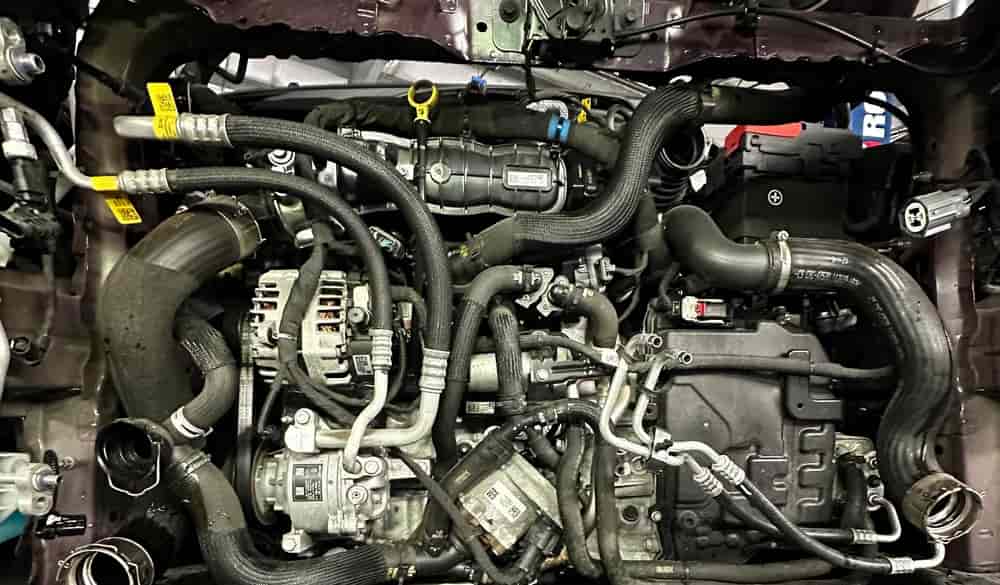
Carbon Buildup on Intake Valves
Carbon buildup on intake valves is one of the most common Ecotec 1.3L Turbo engine problems. This issue usually develops slowly as mileage increases. The main cause comes from the direct injection system. Fuel is injected directly into the combustion chamber instead of the intake valves. This improves efficiency, but it removes the cleaning effect of fuel on the valves. Over time, oil vapors from the PCV system and combustion residue stick to the intake valves. This forms hard carbon deposits that block airflow.
When carbon buildup starts, drivers often notice clear symptoms. The engine may idle roughly, especially during cold starts. Acceleration can feel weaker than normal. Fuel economy may also drop without warning. These early signs are easy to miss. As the problem gets worse, the engine may misfire. A check engine light can also appear due to airflow imbalance.
Several factors increase carbon buildup in this engine. Short trips are a major cause. The engine does not reach full operating temperature in these conditions. Poor fuel quality can also make the problem worse. Long oil change intervals increase oil vapor contamination. City driving usually speeds up deposit formation compared to highway driving.
Repair usually requires professional cleaning. Most mechanics use walnut blasting to remove carbon deposits. This method cleans intake valves directly and restores airflow. The cost can be high depending on labor rates. Prevention is more effective than repair. Drivers should use high quality oil and follow regular service intervals. Occasional highway driving also helps reduce deposit formation.
Turbocharger Failure and Boost Problems
Turbocharger issues are another serious Ecotec 1.3L Turbo engine problem that many owners report after moderate mileage. The turbo system is responsible for increasing engine power by forcing extra air into the combustion chamber. When it works properly, the engine feels responsive and efficient. However, when the turbo starts to fail, performance drops quickly and the symptoms become noticeable during normal driving.
One of the earliest signs of turbo problems is a loss of boost pressure. Drivers may notice that the vehicle feels slower during acceleration, especially when merging or climbing hills. A whining or siren like noise from the engine bay can also appear, especially under load. In some cases, the exhaust may produce excessive smoke, which often indicates oil is leaking into the turbo system. The check engine light may also activate when boost levels fall outside expected ranges.
Turbo failure in this engine can be caused by several factors. Oil quality plays a major role because the turbo relies on clean oil for lubrication and cooling. Poor maintenance or extended oil change intervals can cause oil starvation or sludge buildup inside the turbo bearings. Frequent aggressive driving and repeated high boost conditions can also increase wear over time. In some cases, oil leaks or clogged oil lines contribute to premature turbo damage.
Repairing a failed turbocharger is expensive compared to other engine components. Replacement often requires significant labor and part costs. Depending on damage severity, some drivers may only need minor repairs, but full turbo replacement is more common when failure occurs.
Preventing turbo issues depends heavily on maintenance habits. Regular oil changes with high quality synthetic oil help protect turbo bearings. Allowing the engine to warm up before heavy acceleration and avoiding immediate shutdown after hard driving can also extend turbo life. Proper care can significantly reduce the risk of this costly Ecotec 1.3L Turbo engine problem.
Excessive Oil Consumption Problems
Excessive oil consumption is another frequently reported Ecotec 1.3L Turbo engine problem. Some owners notice that the engine uses more oil than expected between oil change intervals. This issue can develop gradually, which makes it harder to detect in the early stages. Drivers may only realize it when the oil level drops significantly without visible leaks.
One of the main symptoms is the need to top up engine oil more often than normal. In some cases, the oil warning light may appear before the scheduled oil change. Drivers may also notice blue or gray smoke from the exhaust, especially during acceleration or cold starts. A rough running engine or increased engine noise can also appear when oil levels become too low.
Several factors can cause this issue. Worn piston rings can allow oil to enter the combustion chamber and burn during operation. Problems with the PCV system can also increase oil vapor entering the intake system. In some cases, turbocharger seals may leak oil into the intake or exhaust side. High mileage engines are more likely to show these symptoms, especially if maintenance has been inconsistent.
Repair costs vary depending on the root cause. Simple PCV system repairs are usually less expensive. However, internal engine wear such as piston ring damage can lead to major repair costs. Turbo related oil leaks may also require significant labor and part replacement.
Preventing oil consumption problems requires consistent maintenance. Regular oil changes with high quality synthetic oil help protect internal components. Checking oil levels between service intervals is also important. Avoiding long periods of low oil operation can reduce engine wear. Proper maintenance habits play a key role in reducing this Ecotec 1.3L Turbo engine problem over time.
Timing Chain Wear and Stretching
Timing chain wear is a critical Ecotec 1.3L Turbo engine problem that can lead to serious engine damage if ignored. The timing chain controls the synchronization between the crankshaft and camshaft. This system ensures that engine valves open and close at the correct time. When the chain starts to stretch or wear, engine timing becomes inaccurate and performance begins to suffer.
One of the earliest symptoms is a rattling noise during cold starts. This sound usually comes from the front of the engine and may disappear after warming up. As the problem progresses, drivers may notice rough idle, reduced power, or hesitation during acceleration. In more severe cases, the check engine light may appear due to timing errors detected by the engine control unit.
Several factors contribute to timing chain wear in this engine. Poor oil quality or infrequent oil changes can reduce lubrication and increase chain wear. Low oil levels also accelerate damage because the timing components depend heavily on proper oil pressure. High mileage naturally increases wear over time, especially in engines that experience frequent stop and go driving.
Repairing a stretched timing chain is a major job. It often requires partial engine disassembly, which increases labor costs significantly. If the chain fails completely, it can cause severe internal engine damage due to valve and piston collision. This makes early detection extremely important.
Preventing timing chain problems depends on strict maintenance discipline. Regular oil changes using high quality oil help maintain proper lubrication. Keeping oil levels within the recommended range is also essential. Avoiding delayed service intervals can significantly reduce the risk of this Ecotec 1.3L Turbo engine problem and extend overall engine life.
Fuel Injector and Misfire Issues
Fuel injector problems are another common Ecotec 1.3L Turbo engine problem that can affect drivability and fuel efficiency. The engine uses direct fuel injection, which delivers fuel directly into the combustion chamber under high pressure. This system improves performance and economy, but it is also sensitive to fuel quality and deposits over time.
One of the first signs of injector issues is engine misfire. Drivers may feel the engine shaking or running unevenly, especially during idle or acceleration. The check engine light often appears and may store misfire related codes. Fuel economy can also drop because the engine cannot deliver the correct fuel mixture consistently. In some cases, starting the engine becomes harder, especially when the problem worsens.
Injector problems can develop for several reasons. Low quality fuel can leave deposits inside the injector nozzles. Over time, this restricts fuel flow and disrupts spray patterns. Carbon buildup inside the combustion chamber can also contribute to uneven combustion. Electrical faults or worn injector components may also cause intermittent failure.
Repair options depend on severity. In mild cases, fuel injector cleaning may restore proper function. This is often less expensive and can be done using specialized cleaning equipment. However, if injectors are heavily worn or damaged, replacement is necessary. This increases repair costs significantly, especially in direct injection systems where parts are more complex.
Preventing injector issues requires consistent maintenance habits. Using high quality fuel helps reduce deposit formation. Regular maintenance services and occasional fuel system cleaning can also help maintain proper injector performance. Keeping the engine in good condition reduces the likelihood of this Ecotec 1.3L Turbo engine problem and helps ensure smoother long term operation.
Coolant Leaks and Overheating Problems
Coolant leaks and overheating are serious Ecotec 1.3L Turbo engine problems that can quickly lead to major engine damage if not addressed early. The cooling system is designed to maintain stable engine temperature during all driving conditions. When this system fails, the engine can overheat and suffer internal wear or even head gasket damage.
One of the most common symptoms is a rising engine temperature gauge. Drivers may also notice coolant warning lights on the dashboard. In some cases, sweet smelling steam may come from under the hood, which often indicates a coolant leak. Puddles of coolant under the vehicle are another clear warning sign. If overheating continues, the engine may enter limp mode to prevent further damage.
Coolant leaks can come from several sources. Common failure points include hoses, the water pump, radiator, and thermostat housing. In some cases, plastic cooling components become brittle over time and start to crack. High pressure and repeated heat cycles increase the risk of small leaks turning into larger failures. If coolant levels drop too low, the engine can overheat quickly, especially under load or during hot weather.
Repair costs depend on the location of the leak. Hose replacements are usually inexpensive. However, water pump or radiator replacement can cost significantly more. If overheating is ignored, internal engine damage can occur, leading to expensive repairs such as head gasket replacement.
Preventing cooling system issues requires regular inspection and maintenance. Checking coolant levels regularly helps detect leaks early. Replacing old hoses and coolant at recommended intervals also reduces failure risk. Keeping the cooling system in good condition is essential to avoid this Ecotec 1.3L Turbo engine problem and protect long term engine reliability.
Check Engine Light and Sensor Failures
Check engine light issues are a frequent Ecotec 1.3L Turbo engine problem because this engine relies heavily on sensors to manage fuel delivery, boost pressure, and emissions control. When one of these sensors fails or sends incorrect data, the engine control unit reacts immediately and triggers a warning light. While the issue is not always severe, it often signals an underlying problem that should not be ignored.
One of the most common symptoms is the sudden appearance of the check engine light without obvious performance changes at first. Over time, drivers may notice rough idle, reduced power, or inconsistent acceleration. In some cases, fuel consumption also increases because the engine is no longer operating with accurate sensor input. The vehicle may also enter limp mode if the system detects a serious fault.
Several sensors are commonly involved in this issue. The mass airflow sensor can become dirty or fail, leading to incorrect air fuel calculations. Oxygen sensors may degrade over time and affect emissions control. Boost pressure sensors can also malfunction, causing inaccurate turbo performance readings. In some cases, wiring or connector issues can create intermittent faults that are difficult to diagnose.
Repair costs vary depending on the sensor involved. Some sensors are inexpensive and easy to replace, while others require more labor or diagnostic time. The biggest challenge is often identifying the exact cause, as multiple sensor faults can produce similar symptoms.
Preventing sensor related issues requires basic maintenance and clean engine operation. Keeping air filters clean helps protect airflow sensors. Using quality fuel and maintaining proper service intervals also reduces contamination risks. Regular diagnostics can help detect early warning signs before they develop into this Ecotec 1.3L Turbo engine problem.
Final Thoughts on Ecotec 1.3L Turbo Engine Problems
The Ecotec 1.3L turbo engine delivers a strong balance of efficiency and performance, but it also comes with several well documented weak points. Most Ecotec 1.3L Turbo engine problems do not appear immediately. They usually develop over time and become more noticeable as mileage increases. This makes preventive maintenance extremely important for long term reliability.
The most common issues include carbon buildup, turbocharger wear, oil consumption, timing chain stretching, fuel injector problems, coolant leaks, and sensor failures. Some of these problems are relatively minor if detected early. Others, such as timing chain or turbo failure, can become expensive repairs if ignored for too long. In most cases, maintenance habits strongly influence how soon these issues appear.
Drivers who follow proper oil change intervals, use high quality fuel, and monitor engine performance regularly tend to experience fewer serious problems. On the other hand, neglected maintenance or frequent short trip driving can accelerate wear and increase repair risks. This is especially important for modern turbocharged direct injection engines like the Ecotec 1.3L.
Overall, the engine is not inherently unreliable, but it is sensitive to maintenance. Understanding these Ecotec 1.3L Turbo engine problems helps owners recognize early warning signs and take action before small issues turn into costly repairs. For used car buyers, this knowledge is even more important when evaluating long term ownership costs.
If you own or are considering a vehicle with this engine, staying proactive with maintenance is the key factor that determines whether it becomes a dependable daily driver or an expensive repair concern over time.