A check engine light can worry any Chevy Equinox owner. Sometimes the problem is minor, like a loose gas cap. Other times, it points to engine timing issues, fuel system faults, or catalytic converter problems. The warning light alone does not tell you the cause. The real problem appears through diagnostic trouble codes.
Understanding Chevy Equinox check engine light codes helps you avoid costly mistakes. Many drivers replace parts too early and waste money. Others ignore the warning until a small issue becomes a major repair. Reading the code first helps you make smarter decisions.
This guide explains the most common Chevy Equinox trouble codes in simple terms. You will learn what each code means, what symptoms it causes, and how to fix it. You will also see which codes need urgent attention and which problems may have simple DIY solutions.
Whether your Equinox shows P0014, P0171, P0420, or P0300, early diagnosis protects engine performance and lowers repair costs. Knowing what these codes mean can save time, reduce stress, and prevent expensive breakdowns.
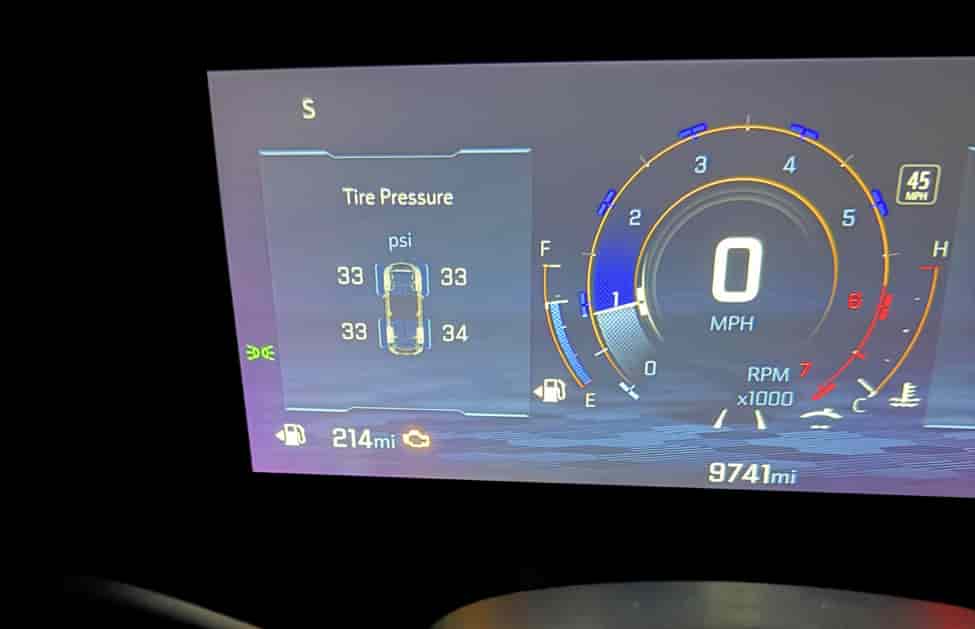
What Do Chevy Equinox Check Engine Light Codes Mean
A check engine light in a Chevy Equinox comes on when the engine computer detects a problem. The system records this problem as a diagnostic trouble code. Each code points to a specific system or component that needs attention. These codes help identify whether the issue comes from emissions control, fuel delivery, ignition, or engine timing.
Modern Chevy Equinox vehicles use the OBD2 system. This system monitors sensors across the engine and emissions systems in real time. When one sensor reports abnormal data, the computer stores a code and turns on the warning light. Some issues trigger the light immediately, while others require the problem to occur multiple times before activation.
OBD2 codes always follow a standard format. For example, codes starting with P relate to the powertrain. This includes the engine, transmission, and emissions system. Other letters such as B, C, and U refer to body systems, chassis systems, and network communication issues.
Not all codes mean the same level of severity. Some codes indicate small issues like a loose gas cap or minor vacuum leak. Other codes point to serious problems such as misfires or catalytic converter failure. The meaning of each code depends on both the code number and the symptoms that appear while driving.
Understanding these codes helps you avoid guesswork. Instead of replacing parts randomly, you can identify the exact system causing the problem. This makes repairs faster, cheaper, and more accurate.
How to Read Chevy Equinox Check Engine Light Codes
Reading check engine light codes in a Chevy Equinox is not complicated. You only need a basic understanding of how the system communicates and the right tool to retrieve the data. The most common method uses an OBD2 scanner, which connects to the vehicle’s diagnostic port.
The OBD2 port in a Chevy Equinox is usually located under the dashboard near the steering wheel. Once you plug in the scanner, you turn the ignition on without starting the engine. The scanner then communicates with the vehicle’s computer and retrieves stored trouble codes.
Each code appears as a combination of a letter and numbers. For example, a code like P0420 points to a specific issue in the emissions system. The scanner may also show whether the code is current, pending, or permanent. Current codes indicate active problems. Pending codes show early detection. Permanent codes remain until the issue is fully resolved and confirmed by the system.
Some drivers do not have access to a scanner. In some cases, auto parts stores can read codes for free. However, a personal scanner gives you more control and allows you to monitor issues anytime the light appears.
After repairs, the check engine light does not always turn off immediately. The system needs to run self tests to confirm the problem is fixed. Once the issue is resolved, the code clears automatically or can be reset using the scanner.
Understanding how to read these codes gives you direct insight into your vehicle’s condition. It helps you avoid unnecessary repairs and gives you a clear starting point for any diagnosis.
Most Common Chevy Equinox Check Engine Light Codes
Chevy Equinox vehicles often show a set of recurring diagnostic trouble codes. These codes usually relate to emissions, fuel mixture, ignition, or engine timing. Understanding them helps you quickly identify the source of the problem and decide the right repair approach.
P0014 Camshaft Position Timing Over Advanced
This code appears when the engine timing system does not match expected performance. The camshaft position is too advanced compared to the crankshaft signal.
Common symptoms include rough idle, reduced fuel efficiency, and slow acceleration. Some drivers also notice engine noise during startup.
The most common causes include dirty engine oil, a faulty camshaft position sensor, or a worn variable valve timing solenoid. In some cases, low oil pressure also triggers this code.
Repair usually starts with an oil change. If the issue continues, the solenoid or sensor may need replacement.
P0171 System Too Lean
This code means the engine receives too much air or not enough fuel. The air fuel mixture becomes unbalanced.
Drivers may notice engine hesitation, rough idle, or poor acceleration. Fuel economy often drops as well.
The most common cause is a vacuum leak in the intake system. Other causes include a dirty mass airflow sensor or weak fuel pump pressure.
Fixes often involve checking hoses for leaks, cleaning sensors, or replacing faulty fuel system parts.
P0420 Catalyst System Efficiency Below Threshold
This code indicates the catalytic converter is not working efficiently. It cannot properly reduce harmful exhaust gases.
Symptoms may include reduced engine performance or a sulfur smell from the exhaust. In many cases, there are no obvious symptoms other than the warning light.
Common causes include a failing oxygen sensor or a worn catalytic converter. Sometimes engine misfires or fuel mixture issues trigger this code.
Repair cost varies widely. Replacing oxygen sensors is cheaper, while catalytic converter replacement is more expensive.
P0300 Random Misfire Detected
This code appears when the engine misfires in multiple cylinders without a specific pattern.
Symptoms include shaking engine, rough driving, and loss of power. The check engine light may also flash in severe cases.
Common causes include worn spark plugs, bad ignition coils, or fuel delivery issues. Vacuum leaks can also contribute to misfires.
This is a serious code because continued driving can damage the catalytic converter.
P0442 EVAP Small Leak Detected
This code indicates a small leak in the evaporative emissions system. The system controls fuel vapor from escaping into the atmosphere.
The most common symptom is a check engine light without noticeable driving issues.
A loose or damaged gas cap is the most frequent cause. Other causes include cracked hoses or small leaks in the EVAP system.
In many cases, tightening or replacing the gas cap solves the issue quickly.
Chevy Equinox Check Engine Codes by Severity
Not all check engine light codes in a Chevy Equinox indicate the same level of risk. Some codes point to minor issues that do not immediately affect how the vehicle drives. Others signal serious problems that can damage the engine or emissions system if you continue driving without repair. Understanding the severity helps you decide whether you can keep driving or need urgent diagnostics.
Some codes are considered low severity and are usually safe to drive with for a short time. These often include EVAP system issues such as P0442 or small sensor related faults. In these cases, the engine usually runs normally and you may not notice any change in performance or fuel consumption. However, even if the symptoms are mild, the issue should still be fixed soon because small faults can grow into larger and more expensive problems over time.
Medium severity codes usually affect engine performance. Codes like P0171 or P0014 fall into this group. When these appear, you may notice rough idle, hesitation during acceleration, or reduced fuel efficiency. The vehicle can still be driven, but performance will feel inconsistent. These problems should be diagnosed early to prevent further damage to components like sensors, fuel injectors, or timing systems.
High severity codes require immediate attention. A common example is P0300, which indicates random engine misfires. This condition can damage the catalytic converter and lead to costly repairs if ignored. In some cases, the check engine light may flash, which signals an active and serious fault.
A solid light usually indicates a less urgent issue, while a flashing light means you should reduce driving and inspect the vehicle as soon as possible.
Common Causes Behind Repeated Chevy Equinox Engine Codes
Repeated check engine light codes in a Chevy Equinox usually point to underlying issues that have not been fully fixed or continue to return after temporary repairs. These problems often relate to air intake, fuel delivery, emissions control, or engine management sensors. Understanding the root causes helps prevent the same codes from coming back again and again.
One of the most common causes is a faulty oxygen sensor. When this sensor sends incorrect readings to the engine computer, it can trigger codes related to fuel mixture or emissions efficiency. A failing oxygen sensor often leads to poor fuel economy and unstable engine performance over time.
Another frequent issue is a bad catalytic converter. When the converter loses efficiency, the vehicle may trigger codes like P0420. This problem often develops slowly and can be caused by long term engine misfires or poor fuel combustion.
Ignition system problems are also very common. Worn spark plugs or failing ignition coils can cause engine misfires, which lead to recurring codes like P0300. These issues often become worse under load or during acceleration.
Vacuum leaks and fuel system problems can also trigger repeated codes. Even a small air leak in the intake system can disrupt the air fuel balance and cause lean condition codes such as P0171. Weak fuel pumps or clogged injectors can produce similar symptoms.
In some cases, the issue is related to the engine control module or wiring connections. Faulty communication between sensors and the computer can cause inconsistent or repeated warning lights even when parts are replaced.
How Much Does It Cost to Fix Chevy Equinox Check Engine Codes
The cost of fixing Chevy Equinox check engine light codes varies widely depending on the root cause of the problem. Some issues are simple and inexpensive to repair, while others require advanced diagnostics and expensive replacement parts. Understanding the cost range helps you plan repairs more effectively and avoid unnecessary spending.
Low cost repairs usually fall under 100 dollars. These include simple fixes such as tightening or replacing a gas cap, cleaning a mass airflow sensor, or replacing small vacuum hoses. Many EVAP related codes like P0442 often fall into this category. These repairs are generally quick and do not require specialized labor.
Medium cost repairs typically range from 100 to 500 dollars. This category includes replacing ignition coils, spark plugs, oxygen sensors, or performing fuel system cleaning. Codes like P0171 or P0014 often fall into this range depending on the exact cause. Labor costs also play a role, especially if diagnosis takes additional time.
High cost repairs can exceed 1000 dollars. These usually involve catalytic converter replacement, major fuel system repairs, or extensive engine timing issues. Codes like P0420 are often associated with expensive repairs, especially if the catalytic converter has failed completely. In some cases, underlying engine misfires must also be fixed before replacing major components.
Diagnostic fees are another factor to consider. Many repair shops charge a separate fee to scan and analyze trouble codes. However, some auto parts stores offer free basic code reading, which can help you identify the issue before visiting a mechanic.
Overall, repair costs depend on early diagnosis and how quickly the problem is addressed. Ignoring warning signs often leads to higher expenses over time.
Can You Fix Chevy Equinox Engine Codes Yourself
Many Chevy Equinox check engine light codes can be diagnosed and fixed at home if you understand the basics and use the right tools. Some problems are simple and do not require a mechanic, while others need professional equipment and experience. Knowing the difference helps you save money and avoid unnecessary repairs.
Basic DIY repairs often start with simple checks. A loose or damaged gas cap can trigger EVAP related codes like P0442. Tightening or replacing the cap may clear the issue quickly. You can also inspect vacuum hoses for cracks or disconnections, which often cause lean condition codes such as P0171. These inspections require no special tools and can be done in a short time.
Using an OBD2 scanner makes DIY diagnosis much easier. The scanner helps you read exact trouble codes and understand which system is affected. Many affordable scanners also show live data, which helps you confirm whether a sensor is working correctly or not. This step reduces guesswork and prevents unnecessary part replacement.
Some repairs are more advanced and may still be possible for experienced DIY users. Replacing spark plugs, ignition coils, or oxygen sensors is manageable with basic mechanical knowledge and tools. However, careful attention is required because incorrect installation can lead to repeated codes or engine performance issues.
There are also situations where professional help is necessary. Problems involving catalytic converters, timing systems, or engine control modules require specialized tools and expertise. Attempting these repairs without proper knowledge can increase costs instead of reducing them.
In general, small issues can often be fixed at home, but complex engine or emissions problems should be handled by a qualified mechanic to ensure long term reliability.
How to Prevent Check Engine Light Codes in a Chevy Equinox
Preventing check engine light codes in a Chevy Equinox is easier and cheaper than fixing repeated failures. Most engine codes appear because of neglected maintenance, small sensor issues, or early warning signs that are ignored over time. A consistent maintenance routine helps reduce the risk of unexpected dashboard warnings and costly repairs.
One of the most effective prevention methods is regular oil and filter changes. Clean engine oil supports proper timing system operation and helps prevent codes like P0014 related to camshaft timing. Dirty or low quality oil can affect sensor readings and engine performance over time.
Air and fuel system maintenance is also important. A clean air filter and properly functioning fuel injectors help maintain the correct air fuel ratio. This reduces the chance of lean condition codes such as P0171. Inspecting vacuum hoses regularly also helps prevent air leaks that trigger check engine lights.
Another important step is monitoring sensor health. Oxygen sensors, mass airflow sensors, and EVAP components play a key role in emissions control. When these parts begin to fail, they often trigger early warning codes. Replacing worn sensors at the right time helps avoid more serious system failures.
Driving habits also affect engine code frequency. Frequent short trips without proper engine warm up can increase carbon buildup and reduce system efficiency. Allowing the engine to reach normal operating temperature helps improve combustion and sensor accuracy.
Using an OBD2 scanner periodically is a smart preventive measure. It allows you to detect pending codes before they become serious problems. Early detection often means lower repair costs and fewer breakdowns.
Conclusion
Chevy Equinox check engine light codes provide important information about the health of your vehicle. These codes do not always mean serious damage, but they always indicate that something in the system is not working as expected. Understanding what each code means helps you respond correctly instead of guessing.
Some codes point to minor issues like a loose gas cap or small vacuum leak. Others indicate more serious problems such as misfires, fuel system imbalance, or catalytic converter failure. The key is to identify the severity early and take action before the issue becomes more expensive to fix.
By learning how to read codes, understand symptoms, and recognize common causes, you can make better repair decisions. Simple problems can often be fixed at home, while complex issues require professional diagnosis. This balance helps you avoid unnecessary costs and protects long term engine performance.
Regular maintenance and early diagnosis are the best ways to prevent repeated warning lights. With the right approach, you can keep your Chevy Equinox running smoothly and reduce the risk of unexpected breakdowns.