If your Chevy Colorado starts shaking at highway speeds or slipping between gears, something is wrong. Many drivers think the transmission has failed. In reality, a bad torque converter is often the real cause.
This issue is more common than most people expect. It can reduce performance and make driving uncomfortable. If you ignore it, the damage can spread and lead to expensive repairs.
The torque converter transfers power from the engine to the transmission. When it fails, your truck cannot operate smoothly. You may notice vibrations, delayed acceleration, or even overheating. These are early warning signs that you should not ignore.
In this Chevy Colorado torque converter replacement guide, you will learn how to spot the symptoms early and understand the real cost in 2026. You will also discover whether you should repair or replace the component. This guide helps you avoid misdiagnosis, save money, and keep your vehicle running reliably.
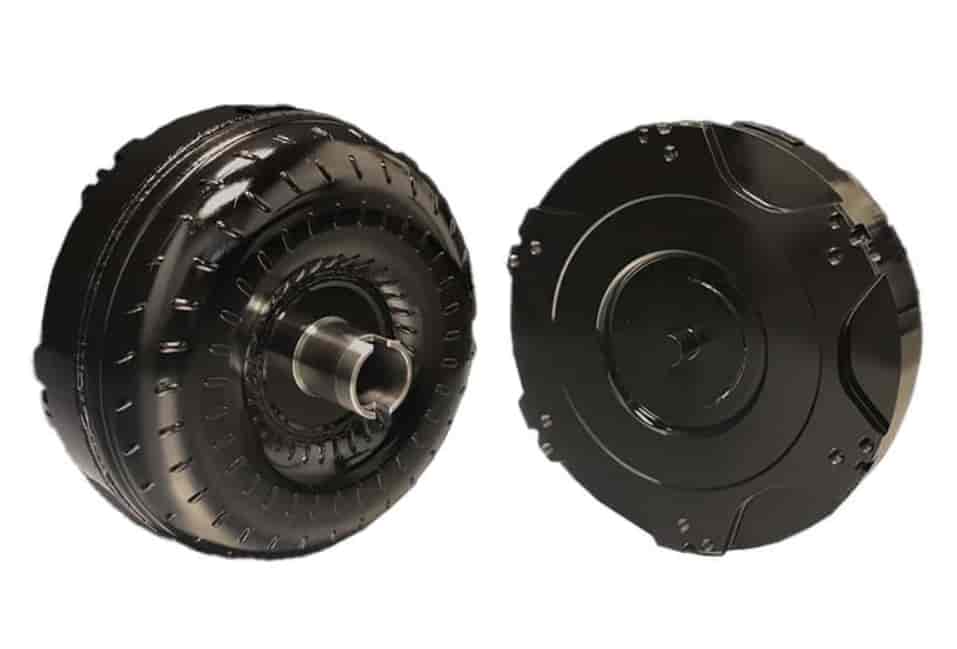
What Is a Torque Converter
A torque converter is a key component in an automatic transmission system. It connects the engine to the transmission and allows your Chevy Colorado to move smoothly without a manual clutch.
Instead of using direct mechanical contact, the torque converter works with transmission fluid. It transfers engine power through fluid pressure, which helps your truck accelerate smoothly and stop without stalling. This is why automatic vehicles feel more comfortable in stop and go traffic.
The torque converter has three main parts. These include the impeller, the turbine, and the stator. The impeller pushes fluid from the engine side. The turbine receives that energy and turns the transmission. The stator improves efficiency by redirecting the fluid flow. All three parts must work together to deliver smooth performance.
When the torque converter starts to fail, this fluid based system breaks down. Power transfer becomes inconsistent, and your Chevy Colorado may begin to shake or lose acceleration. Over time, this can put extra stress on the transmission and lead to more serious damage.
Understanding how a torque converter works helps you recognize problems early and avoid costly repairs.
Symptoms of a Bad Torque Converter
A failing torque converter does not break suddenly. It usually shows warning signs early. If you notice these symptoms in your Chevy Colorado, you should take action before the damage gets worse.
One of the most common signs is shuddering or vibration. You may feel the truck shake when driving at steady speeds, especially between 40 and 60 mph. This happens because the torque converter cannot maintain smooth fluid pressure.
Another clear symptom is gear slipping. Your engine may rev higher than normal, but the vehicle does not accelerate as expected. This creates a delay in power delivery and makes driving feel unstable.
You may also notice overheating. A bad torque converter disrupts fluid circulation, which increases heat inside the transmission. Over time, this can damage internal components and lead to expensive repairs.
Poor acceleration is another warning sign. Your Chevy Colorado may feel sluggish when you press the gas pedal. In some cases, the vehicle struggles to move from a complete stop.
Unusual noises can also appear. You might hear whining or grinding sounds coming from the transmission area. These noises often indicate internal wear or fluid issues.
Many drivers ignore these early symptoms. They continue driving until the problem becomes severe. At that point, the repair cost increases significantly and may even require a full transmission replacement.
Recognizing these signs early can help you avoid major damage and save a significant amount of money.
Chevy Colorado Specific Issues
Not all vehicles experience torque converter problems in the same way. The Chevy Colorado has its own set of common transmission related issues, especially in certain model years.
Many owners of the 2015 to 2022 Chevy Colorado have reported shuddering during light acceleration. This issue often appears when the transmission shifts between gears at moderate speeds. In many cases, the root cause is linked to the torque converter rather than a complete transmission failure.
One key factor is the type of transmission used. Chevy Colorado models commonly come with 6 speed or 8 speed automatic transmissions. The 8 speed version, in particular, has been associated with shudder problems due to fluid breakdown and torque converter clutch issues. When the fluid loses its effectiveness, the converter cannot maintain smooth engagement.
Another issue involves delayed shifting or harsh gear changes. Drivers may notice a hesitation when accelerating or a sudden jerk when the transmission engages. These symptoms often point to internal wear in the torque converter or contamination in the transmission fluid.
Some cases can be resolved with a transmission fluid flush using updated fluid specifications. However, if the problem persists, a full Chevy Colorado torque converter replacement becomes necessary.
Understanding these model specific issues helps you avoid misdiagnosis. It also allows you to choose the right repair solution instead of replacing the entire transmission unnecessarily.
Chevy Colorado Torque Converter Replacement Cost
The cost of a Chevy Colorado torque converter replacement can vary widely. It depends on the model year, labor rates, and the type of parts you choose. Understanding this cost helps you avoid overpaying and plan your repair budget.
On average, the torque converter itself costs between 200 and 800 dollars. OEM parts usually sit at the higher end, while aftermarket options are more affordable. However, cheaper parts may not always offer the same durability.
Labor cost is often the biggest expense. Replacing a torque converter requires removing the transmission, which is a time consuming process. Most repair shops charge between 500 and 1200 dollars for labor, depending on location and experience.
In total, you can expect to pay between 700 and 2000 dollars or more for a full replacement. In some cases, the cost increases if additional repairs are needed. For example, damaged transmission fluid or worn internal components can add to the final bill.
Several factors influence the final price. Newer models may require more complex work. Labor rates vary by region. The choice between OEM and aftermarket parts also plays a major role.
Some drivers try to save money by choosing cheaper solutions. However, a low quality torque converter can fail early and lead to higher costs later. It is often better to invest in a reliable part from the start.
Understanding these cost factors allows you to make a smarter decision and avoid unexpected expenses.
Replacement Process Overview
Replacing a torque converter on a Chevy Colorado is not a simple task. It requires mechanical knowledge, proper tools, and enough time to complete the job safely.
The process starts with removing the transmission from the vehicle. This step is complex because the transmission connects to multiple components, including the driveshaft, crossmember, and wiring. A mechanic must carefully disconnect each part before lowering the transmission.
Next, the old transmission fluid is drained. This helps prevent contamination during the replacement. Once the transmission is removed, the torque converter becomes accessible. The technician then removes the faulty unit and inspects related components for wear or damage.
After that, the new torque converter is installed. It must be aligned correctly with the transmission input shaft. Even a small mistake in alignment can cause serious damage when the engine starts. This is one of the most critical steps in the entire process.
Once installed, the transmission is reattached to the vehicle. Fresh transmission fluid is added, and the system is tested. The mechanic checks for leaks, smooth shifting, and proper performance under load.
Although the steps sound straightforward, the process involves precision and experience. A small error can lead to costly repairs later. That is why many drivers choose professional service instead of attempting the replacement themselves.
DIY vs Professional Replacement
Many Chevy Colorado owners consider replacing the torque converter themselves to save money. While this may seem like a good idea, the reality is more complex.
A DIY replacement can reduce labor costs. You only need to pay for parts and tools. If you already have mechanical experience and proper equipment, this option can save hundreds of dollars. It also gives you full control over the repair process.
However, the risks are significant. Removing a transmission is a heavy and technical task. It requires lifting equipment, precise alignment, and a deep understanding of how the system works. A small mistake can damage the transmission or cause the new torque converter to fail quickly.
On the other hand, professional replacement offers reliability and peace of mind. Experienced mechanics follow correct procedures and use specialized tools. They can also identify hidden issues that you might miss. Although the cost is higher, it often prevents future repairs and additional expenses.
Many drivers choose DIY to save money, but end up paying more due to mistakes. In contrast, professional service may seem expensive at first, but it often delivers better long term value.
If you are not fully confident in your skills, choosing a professional mechanic is usually the safer and smarter decision.
How Long Does It Take?
The time required for a Chevy Colorado torque converter replacement depends on the experience of the mechanic and the working conditions.
In most cases, a professional mechanic can complete the job in about four to eight hours. This estimate includes removing the transmission, replacing the torque converter, and reinstalling everything correctly. However, many repair shops keep the vehicle for one to two days to allow for inspection and testing.
If additional issues appear during the process, the repair time may increase. For example, damaged transmission components or contaminated fluid can slow things down.
For DIY repairs, the timeline is usually longer. Without professional tools or experience, the process can take several days. Unexpected challenges often arise, especially when removing or reinstalling the transmission.
Many drivers underestimate the time required for this job. Rushing the process can lead to mistakes and costly damage. Taking the time to do it correctly is always the better approach.
Can You Drive With a Bad Torque Converter?
You can still drive a Chevy Colorado with a bad torque converter, but it is not a good idea. The longer you continue driving, the higher the risk of serious damage.
At first, the symptoms may seem minor. You might notice slight vibrations or delayed acceleration. Many drivers ignore these signs and continue using the vehicle as usual. However, the problem does not stay small.
A failing torque converter creates unstable fluid pressure inside the transmission. This leads to overheating and increased wear on internal components. Over time, this can damage the transmission system and turn a moderate repair into a major expense.
Driving in this condition also affects safety. Your vehicle may respond slowly when accelerating or merging into traffic. Inconsistent power delivery can make driving unpredictable, especially on highways.
In the worst case, the transmission can fail completely. When this happens, the repair cost becomes much higher than a simple torque converter replacement.
If you notice early symptoms, it is best to inspect the vehicle as soon as possible. Acting early helps you avoid larger problems, reduce repair costs, and keep your Chevy Colorado running safely.
Torque Converter vs Transmission Replacement
Many Chevy Colorado owners face a difficult question. Should you replace the torque converter, or is it better to replace the entire transmission?
In many cases, the torque converter is the main problem. If the transmission is still in good condition, replacing the converter is the most cost effective solution. This option usually costs between 700 and 2000 dollars, which is much lower than a full transmission replacement.
However, the situation changes if the transmission has internal damage. Signs such as metal debris in the fluid, severe slipping, or complete failure often indicate deeper issues. In these cases, replacing only the torque converter may not solve the problem.
A full transmission replacement can cost between 3000 and 6000 dollars or more. While this is a higher upfront expense, it may be necessary to restore long term reliability.
The key is proper diagnosis. A qualified mechanic can inspect the transmission and determine whether the issue is isolated or widespread. This step is critical because choosing the wrong repair can lead to repeated failures and higher costs.
If your goal is to save money, replacing the torque converter is often the better option. However, if long term reliability is your priority, a full transmission replacement may be the smarter investment.
Common Mistakes to Avoid
Replacing a torque converter is a complex job, and even small mistakes can lead to serious problems. Many Chevy Colorado owners make errors that increase repair costs instead of saving money.
One common mistake is not flushing the transmission fluid. Old or contaminated fluid can damage the new torque converter quickly. Always replace the fluid and use the correct specification recommended for your vehicle.
Another mistake is incorrect installation. The torque converter must align perfectly with the transmission input shaft. If it is not seated properly, it can cause immediate damage when the engine starts. This can ruin both the converter and the transmission.
Some drivers also ignore early symptoms. They delay the repair until the problem becomes severe. By that time, the damage may extend beyond the torque converter and affect the entire transmission system.
Using low quality parts is another risk. Cheaper components may fail sooner and lead to repeated repairs. Investing in a reliable torque converter can save money in the long run.
Avoiding these mistakes helps you protect your vehicle, reduce repair costs, and ensure long term performance.
Conclusion
A Chevy Colorado torque converter replacement is not something you should ignore or delay. What starts as a small vibration or slight delay in acceleration can quickly turn into a major and expensive transmission problem.
Throughout this guide, you have learned how to recognize the early symptoms, understand the real replacement cost, and evaluate whether repair or replacement is the right choice. You also now know that misdiagnosing the issue can lead to unnecessary expenses, especially when the problem is isolated to the torque converter.
Taking action early is the key to saving money and avoiding bigger repairs. A timely inspection can prevent damage from spreading and help maintain the performance of your vehicle. Whether you choose a DIY approach or a professional mechanic, making an informed decision will always give you better long term results.
If your Chevy Colorado is showing signs of torque converter failure, do not wait until the situation gets worse. Get your vehicle checked, compare repair options, and choose a solution that fits both your budget and reliability needs.