Many drivers notice a small delay when their Chevy Equinox restarts at a traffic light. This delay may seem minor, but it quickly becomes frustrating in daily driving. The auto stop feature aims to save fuel and reduce emissions. However, it often makes the driving experience feel less smooth and less responsive.
Drivers who commute in busy cities feel this issue the most. The engine shuts off at the wrong moment, and acceleration feels slightly delayed. Over time, this creates discomfort and reduces driving confidence.
Chevrolet does not offer a built in way to permanently disable this feature. Because of this limitation, many Equinox owners look for practical solutions that actually work. They want something simple, safe, and effective for long term use.
In this guide, you will learn how to disable auto stop on Chevy Equinox using clear and proven methods. Each solution fits different needs, from quick daily fixes to more permanent options. By the end, you will understand how the system works and how to take full control of your driving experience.
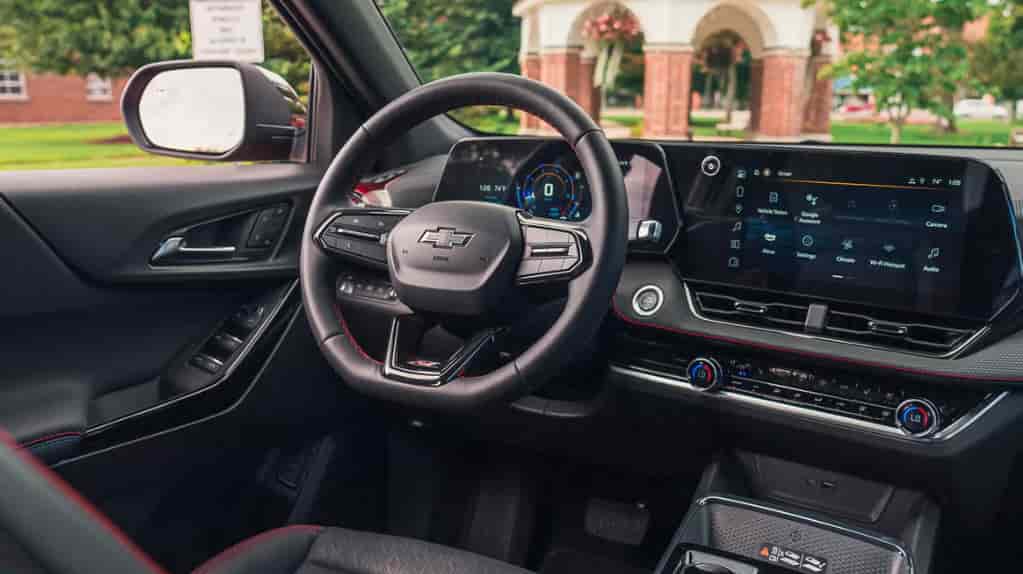
What Is Auto Stop on Chevy Equinox?
The auto stop system in the Chevy Equinox is part of the vehicle’s fuel saving technology. It automatically shuts off the engine when the car comes to a complete stop. This usually happens at traffic lights or during heavy traffic. As soon as you release the brake pedal, the engine starts again.
This system works through a combination of sensors, battery management, and engine control modules. It monitors factors like battery charge, engine temperature, and cabin comfort settings. If all conditions meet the requirements, the system activates and turns off the engine.
The main goal of this feature is to reduce fuel consumption and lower emissions. In theory, it helps drivers save money and supports environmental standards. This is why most modern vehicles, including the Chevy Equinox, come equipped with this system.
However, real world driving often tells a different story. Many drivers notice a slight delay when the engine restarts. Others feel the transition is not smooth, especially in stop and go traffic. While the system works as designed, it does not always match the expectations of drivers who prefer a more responsive driving experience.
Understanding how this system works is the first step if you want to disable it. Once you know when and why it activates, you can choose the most effective method to control or bypass it.
Why You Might Want to Disable Auto Stop
Many drivers expect a smooth and responsive driving experience. However, the auto stop system often creates the opposite effect. Instead of feeling seamless, the vehicle may respond slower than expected in critical moments.
One of the most common issues is engine restart delay. When you release the brake, the engine takes a brief moment to start again. This delay may seem small, but it becomes noticeable in heavy traffic or when you need quick acceleration. In some situations, it can even feel unsafe.
Another problem is the constant start and stop cycle. In busy city driving, the engine shuts off repeatedly within short intervals. This creates a jerky and less comfortable ride. Over time, this can make daily driving feel tiring rather than enjoyable.
Some drivers also worry about long term effects. Frequent restarting may increase wear on components like the starter motor and battery. While manufacturers design these parts to handle the system, concerns still remain among users who plan to keep their vehicle for many years.
Comfort is another key factor. The system can affect air conditioning performance, especially in hot weather. When the engine stops, cooling may reduce for a short time. This becomes frustrating in climates where consistent cooling is essential.
Because of these issues, many owners actively look for ways to disable auto stop on Chevy Equinox. They want better control, smoother performance, and a more predictable driving experience.
Can You Permanently Disable Auto Stop on Chevy Equinox?
Many drivers ask the same question after experiencing the system in real traffic. They want a simple setting that turns it off forever. Unfortunately, the answer is not as straightforward as expected.
Chevrolet does not provide an official way to permanently disable the auto stop feature. Each time you start the vehicle, the system resets and activates again. This design follows strict emission regulations that apply to modern vehicles. Automakers must keep fuel saving systems active by default to meet these standards.
Because of this, you will not find a built in option in the infotainment system or vehicle settings. Even if your Equinox has a button to turn off auto stop, it only works temporarily. You need to press it again every time you restart the engine.
This limitation frustrates many drivers. They expect more control over how their vehicle behaves, especially when the feature affects daily comfort. As a result, many owners look for alternative solutions that go beyond factory settings.
The good news is that several methods can help you bypass or reduce the impact of the system. Some options are simple and require no tools, while others offer a more permanent solution with additional devices.
Understanding this limitation helps you choose the right approach. Instead of searching for a hidden setting that does not exist, you can focus on methods that actually work.
Use the Auto Stop Disable Button (Temporary)
The simplest way to disable auto stop on Chevy Equinox is to use the built in button. Most models come with this feature, and you can access it easily from the dashboard. The button usually shows an “A” with a circular arrow around it.
To turn off the system, start your vehicle and press this button once. A notification will appear on the dashboard to confirm that auto stop is disabled. After that, the engine will no longer shut off automatically during your drive.
This method works well if you want a quick and safe solution. It does not require any tools, and it does not affect your vehicle warranty. You stay fully within manufacturer guidelines while improving your driving experience.
However, this solution has one major limitation. The system resets every time you turn off the engine. When you start the car again, auto stop activates by default. This means you must press the button every single time you drive.
For some drivers, this becomes annoying over time. It adds an extra step to your routine and feels inconvenient, especially during short trips or frequent stops.
Even with this drawback, the button remains the safest and easiest method. It is ideal for drivers who want a temporary fix without making any modifications to their vehicle.
Use an Auto Start Stop Eliminator Device
If you want a more permanent solution, an auto start stop eliminator device is one of the most effective options. This small aftermarket device remembers your last setting and keeps auto stop turned off even after you restart the vehicle.
The device connects directly to your Chevy Equinox through a simple plug and play setup. In most cases, you install it behind the dashboard near the auto stop button or through the OBD port. The installation process usually takes only a few minutes and does not require advanced technical skills.
Once installed, the system automatically stays off if you disabled it before. You no longer need to press the button every time you start the car. This creates a much smoother and more consistent driving experience.
Many drivers prefer this method because it feels like a factory level solution. It does not interfere with how the engine runs, and it keeps all other vehicle systems working normally. Some devices even allow you to switch back to default settings whenever you want.
However, there are a few things to consider. Since this is an aftermarket product, quality may vary depending on the brand. You should choose a reliable device that matches your Equinox model year. In some cases, dealerships may question modifications if you bring the car in for service.
Despite these concerns, this method offers the best balance between convenience and effectiveness. It solves the biggest problem of the auto stop system without requiring constant manual action.
Battery Sensor or Hood Latch Trick
Some drivers use simple tricks to prevent the auto stop system from activating. Two common methods include disconnecting the battery sensor or adjusting the hood latch. These approaches aim to make the system think that conditions are not suitable for auto stop.
The battery sensor method works by interrupting the signal that monitors battery health. When the system cannot detect proper battery conditions, it avoids shutting off the engine. This keeps the engine running even when the vehicle stops.
The hood latch trick works in a similar way. The system requires the hood to be fully closed before it activates auto stop. If you slightly adjust the latch or sensor, the car may think the hood is open. As a result, auto stop will not engage.
These methods can work, but they come with risks. You may trigger warning messages on the dashboard. In some cases, the vehicle may disable other features that rely on accurate sensor data. This can affect safety systems or overall vehicle performance.
There is also a risk related to warranty and long term reliability. Modifying sensors or mechanical parts may lead to unexpected issues over time. If something goes wrong, it may be harder to diagnose the problem.
Because of these drawbacks, this method is not ideal for most drivers. It may appeal to those who want a quick workaround without buying extra devices. However, you should understand the risks before trying it.
Driving Habits That Prevent Auto Stop
You can also control the auto stop system through your driving habits. This method does not require any tools or modifications. Instead, you adjust how you drive so the system does not activate.
The auto stop feature only works under specific conditions. If one condition is not met, the engine will keep running. You can use this to your advantage during daily driving.
One simple trick is to apply light pressure on the brake pedal. If you do not press the brake fully, the system may not trigger auto stop. This helps you stay in control, especially in slow moving traffic.
Climate control settings also play a role. If you set the air conditioning to a higher level, the system may keep the engine running to maintain cabin comfort. This is useful in hot weather when you want consistent cooling.
Battery condition is another factor. If the system detects that the battery charge is not optimal, it will avoid shutting off the engine. While you should not manipulate this directly, it explains why auto stop does not always activate.
This method works best for drivers who want a natural and safe approach. It requires no installation and carries no risk to your vehicle. However, it does require attention and consistency while driving.
Over time, many drivers develop habits that reduce how often auto stop activates. While it does not fully disable the system, it gives you more control without any technical changes.
Differences Between Chevy Equinox Model Years
Not all Chevy Equinox models behave the same when it comes to the auto stop system. Chevrolet has made small changes over the years, which affect how the system works and how you can disable it.
For models from 2018 to 2020, the system is relatively simple. Most vehicles include a physical button that allows you to turn off auto stop during each drive. However, the system still resets every time you restart the engine. These models are often easier to work with when using aftermarket devices.
From 2021 to 2023, Chevrolet improved system integration. The auto stop feature works more smoothly, but it also becomes more consistent. This means it activates more frequently under normal driving conditions. Some drivers find it harder to avoid using simple driving tricks.
For newer models from 2024 to 2025, the system focuses more on efficiency and emissions compliance. It integrates more deeply with engine control and battery management systems. As a result, fewer workarounds are effective, and drivers often rely on eliminator devices for better control.
These differences matter when choosing the right method. A solution that works well for a 2019 model may not deliver the same results on a 2025 version. Understanding your specific model year helps you avoid wasted time and choose the most effective approach.
If you plan to disable auto stop on Chevy Equinox, always check compatibility before using any device or method. This ensures better performance and avoids unexpected issues.
Is It Safe and Legal to Disable Auto Stop?
Many drivers worry about safety and legality before making any changes. This is a valid concern, especially when dealing with vehicle systems linked to emissions and performance.
From a safety perspective, most methods discussed earlier do not harm the engine when used correctly. The auto stop system itself is designed to support fuel efficiency, not engine protection. Disabling it does not directly damage the engine or transmission. In fact, some drivers feel more in control when the engine stays running consistently.
However, certain methods carry more risk than others. Using the built in button is completely safe and approved by the manufacturer. Driving habit adjustments also pose no risk at all. On the other hand, tricks that involve sensors or mechanical parts may create warning signals or affect other systems.
Aftermarket eliminator devices are generally safe when you choose a high quality product. These devices do not alter engine performance. They only remember your preference and apply it automatically. Still, you should always check compatibility with your specific model.
Legal considerations mainly relate to emissions regulations. The auto stop system exists to help meet environmental standards. Disabling it may not be illegal for personal use in most areas, but it could conflict with regulations in certain regions.
Warranty is another important factor. Some dealerships may question modifications, especially if they involve electrical connections. While many devices are reversible, it is still wise to remove them before servicing your vehicle.
The safest approach is to choose a method that matches your comfort level. If you want zero risk, use the factory button or adjust your driving habits. If you want convenience, a reliable eliminator device offers the best balance.
Conclusion
Disabling the auto stop system on your vehicle can make a noticeable difference in daily driving. Many drivers look for smoother acceleration, better control, and a more consistent experience behind the wheel. While the feature aims to improve fuel efficiency, it does not always match real world driving needs.
In this guide, you have learned how to disable auto stop on Chevy Equinox using several practical methods. The built in button offers a quick and safe solution, but it requires manual action every time you drive. Driving habit adjustments provide a natural way to reduce system activation without any modifications. For those who want a long term fix, an auto start stop eliminator device delivers the most convenience and consistency.
Each method comes with its own advantages and limitations. The best choice depends on how often you drive, your comfort with modifications, and your expectations for convenience. Understanding your specific model year also helps you select a solution that actually works.
If you want the safest option, stick with factory controls. If you value convenience, consider a reliable aftermarket device. Either way, you now have full clarity and control over your driving experience.
Have you tried any of these methods on your Chevy Equinox? Share your experience and let others know what works best for you.