If you are searching for which GM engines do not have AFM, you are not alone. Many drivers are trying to avoid this system before it causes serious damage.
Active Fuel Management helps improve fuel economy by shutting down cylinders. On paper, it sounds efficient. In reality, it often creates expensive problems.
Many GM owners report lifter failure, high oil consumption, and rough engine performance. Some even face complete engine damage. Repair costs can quickly reach thousands of dollars. This turns a fuel saving feature into a costly risk.
Because of this, more buyers now focus on reliability instead of efficiency. They want engines that last longer and require fewer repairs. This is why the question which GM engines do not have AFM has become so popular.
In this guide, you will find a complete list of GM engines without AFM. You will also learn about their specs, reliability, and real world performance. In addition, we will show you how to identify non AFM engines and avoid common buying mistakes.
By the end, you will understand which GM engines do not have AFM and which ones are worth your money.
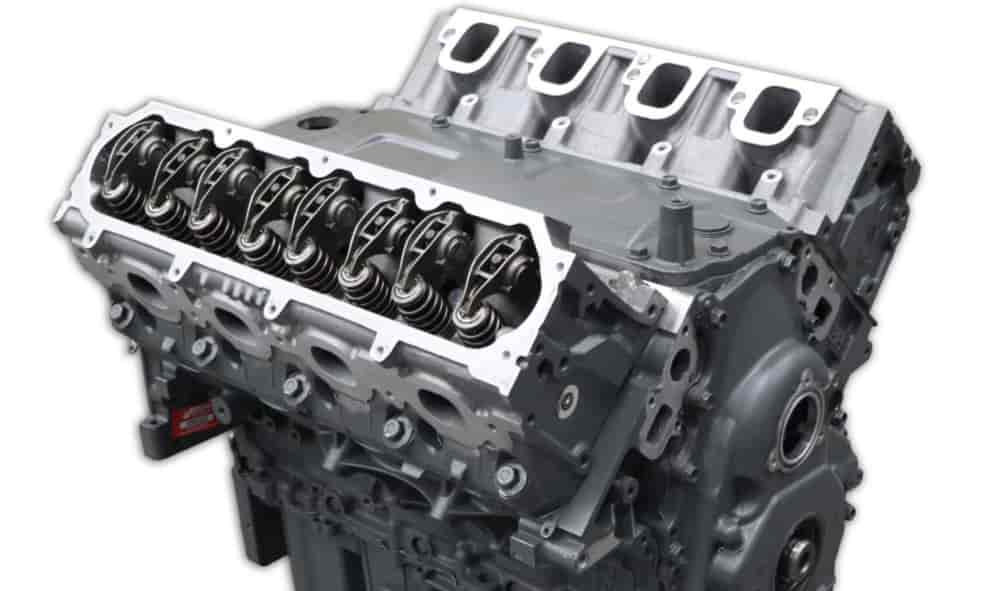
What Is AFM (Active Fuel Management)?
Active Fuel Management, often called AFM or Displacement on Demand, is a technology developed by General Motors to improve fuel efficiency in V8 engines. It works by shutting down half of the cylinders during light driving conditions. This allows the engine to run as a V4 when full power is not needed.
The system automatically switches between V8 and V4 modes. It uses sensors, solenoids, and special lifters to control this process. When you accelerate, all cylinders reactivate. When you cruise at steady speed, some cylinders deactivate to save fuel.
At first glance, AFM seems like a smart solution. It reduces fuel consumption and helps manufacturers meet emissions standards. This is why many GM vehicles, especially trucks and SUVs, adopted this system.
However, the design also adds mechanical complexity. AFM engines rely on specialized lifters that can collapse and reactivate repeatedly. Over time, these components wear out faster than traditional setups. This creates long term reliability concerns that many drivers did not expect.
Because of these risks, more people now search for which GM engines do not have AFM. They want simpler engine designs that focus on durability instead of efficiency. Understanding how AFM works is the first step to making a smarter buying decision.
Why Many Drivers Want to Avoid AFM
Many drivers start researching which GM engines do not have AFM after facing serious engine issues. What begins as a small concern often turns into a costly repair. This is why AFM has gained a negative reputation among truck owners and performance enthusiasts.
One of the most common problems is lifter failure. AFM lifters collapse and reactivate constantly during normal driving. Over time, this repeated motion increases wear. When a lifter fails, it can damage the camshaft and other internal components. This often leads to expensive repairs that can exceed several thousand dollars.
Oil consumption is another major issue. Many AFM engines burn oil at a higher rate than expected. Drivers may not notice the problem immediately. Over time, low oil levels can cause additional engine damage. This creates a cycle of maintenance issues that are both frustrating and costly.
Some drivers also report rough performance. The transition between V8 and V4 modes is not always smooth. In certain conditions, the engine may feel unstable or inconsistent. This reduces driving comfort and confidence, especially on long trips or when towing.
The biggest concern is long term reliability. AFM adds more moving parts and increases the chance of failure. For many buyers, this risk outweighs the fuel savings. As a result, more people now prioritize engines without AFM when choosing a vehicle.
This is exactly why the question which GM engines do not have AFM continues to grow in popularity. Drivers want simple, proven engines that deliver consistent performance and peace of mind.
Complete List of GM Engines Without AFM
If you are seriously researching which GM engines do not have AFM, this is the section that matters most. Below is a complete breakdown of reliable GM engines that do not use Active Fuel Management. These engines are known for simpler design, stronger durability, and fewer long term issues.
LS Engines Without AFM
The LS engine family is one of the most trusted engine platforms GM has ever produced. Most LS engines do not use AFM, especially performance oriented variants. This makes them a top choice for reliability and tuning potential.
LS2 (6.0L V8)
The LS2 delivers strong performance with around 400 horsepower. It powers vehicles like the Corvette and Pontiac GTO. This engine uses a simple valvetrain design, which reduces failure points. Many enthusiasts consider it a solid balance between power and reliability.
LS3 (6.2L V8)
The LS3 is one of the most popular non AFM engines. It produces about 430 horsepower and appears in the Camaro SS and Corvette. This engine offers excellent durability and strong aftermarket support. It is often seen as one of the best GM engines ever built.
LS6 (5.7L V8)
The LS6 is a high performance version of the LS1. It was used in the Corvette Z06. This engine focuses on airflow and efficiency without adding complex systems like AFM. It remains a favorite among performance enthusiasts.
LS7 (7.0L V8)
The LS7 is a naturally aspirated powerhouse. It produces over 500 horsepower and was designed for track performance. Despite its high output, it maintains a relatively simple design. This helps improve long term reliability when properly maintained.
Early Vortec Engines Without AFM
Before AFM became common, GM produced several Vortec engines known for durability. These engines are often found in older trucks and SUVs. They are popular among buyers looking for long lasting work vehicles.
4.8L Vortec V8
This engine is simple, durable, and widely available. It does not deliver extreme power, but it offers consistent performance. Many fleet vehicles used this engine because of its reliability.
5.3L Vortec V8 (Pre 2007 models)
Earlier versions of the 5.3L engine do not include AFM. These engines are known for longevity and low maintenance costs. However, later versions introduced AFM, so model year is critical.
6.0L Vortec V8
The 6.0L Vortec is a workhorse engine. It appears in heavy duty trucks and vans. This engine handles towing and heavy loads very well. Its simple design makes it one of the most reliable GM engines without AFM.
LT Engines Without AFM (Selective Models)
The LT engine family introduced newer technology, and many versions include AFM. However, some specific configurations do not use this system.
LT1 (Manual Transmission Versions)
Certain manual Camaro models with the LT1 engine do not include AFM. This makes them more appealing for drivers who want performance without added complexity.
LT4 (Supercharged Performance Engine)
The LT4 is a high performance engine used in models like the Corvette Z06 and Camaro ZL1. It focuses on power delivery and does not rely on AFM. This reduces the risk of lifter related issues.
Key Takeaway
Not all GM engines are affected by AFM. LS engines, early Vortec engines, and select LT configurations offer reliable alternatives. These engines prioritize durability and performance over fuel saving features.
If your goal is to avoid costly repairs and long term issues, choosing one of these engines is a smart decision. This is why understanding which GM engines do not have AFM can save you both time and money.
GM Engine Specs Comparison (Non AFM Models)
To better understand which GM engines do not have AFM, it helps to compare their key specifications side by side. This makes it easier to evaluate performance, durability, and overall value before making a decision.
Below is a simplified comparison of some of the most reliable non AFM GM engines.
| Engine | Displacement | Horsepower | Torque | AFM | Reliability |
|---|---|---|---|---|---|
| LS2 | 6.0L | ~400 hp | ~400 lb ft | No | High |
| LS3 | 6.2L | ~430 hp | ~425 lb ft | No | Very High |
| LS6 | 5.7L | ~405 hp | ~400 lb ft | No | High |
| LS7 | 7.0L | ~505 hp | ~470 lb ft | No | High |
| 4.8L Vortec | 4.8L | ~295 hp | ~305 lb ft | No | Very High |
| 5.3L Vortec (pre 2007) | 5.3L | ~315 hp | ~335 lb ft | No | Very High |
| 6.0L Vortec | 6.0L | ~360 hp | ~380 lb ft | No | Extremely High |
This table shows a clear pattern. Most engines without AFM offer strong reliability and consistent performance. While they may not always lead in fuel efficiency, they often outperform AFM engines in long term ownership.
The LS3 stands out as one of the best all around options. It offers a strong balance of power and durability. The 6.0L Vortec is another excellent choice, especially for truck owners who need a dependable work engine.
If your priority is reliability, these engines provide a safer and more predictable ownership experience. This is why many buyers focus on which GM engines do not have AFM before choosing a vehicle.
Most Reliable GM Engines Without AFM
Now that you know which GM engines do not have AFM, the next step is choosing the right one. However, not all engines offer the same level of reliability. Therefore, focusing on proven options can help you avoid costly mistakes.
First, the LS3 6.2L V8 stands out as the best overall choice. It delivers strong performance while maintaining a simple design. As a result, it reduces the risk of mechanical failure. In addition, it offers excellent aftermarket support, which makes maintenance and upgrades easier. For most drivers, this engine provides the ideal balance between power and long term reliability.
Next, the 6.0L Vortec is a great option for truck owners. It is built for durability and handles heavy workloads with ease. More importantly, it avoids the complexity found in newer engines. Because of this, it can last for many years with proper maintenance. This makes it a reliable choice for towing and daily work.
Meanwhile, the LS7 7.0L V8 targets performance enthusiasts. It produces high horsepower while still keeping a relatively simple structure. Although it focuses on speed and power, it remains dependable compared to AFM equipped engines.
Finally, the pre 2007 5.3L Vortec offers a budget friendly solution. It is widely available and easy to maintain. At the same time, it avoids AFM related issues, which makes it a smart choice for cost conscious buyers.
Overall, choosing which GM engines do not have AFM depends on your needs, but these options consistently deliver better reliability.
Which GM Vehicles Come Without AFM
After identifying which GM engines do not have AFM, the next logical step is finding vehicles that actually use these engines. This is especially important for buyers who want to avoid hidden issues before making a purchase. While engine type matters, vehicle model and production year are just as critical.
First, many older Chevrolet Silverado models come without AFM, especially those produced before 2007. These trucks often use early Vortec engines such as the 4.8L or 5.3L versions. Because they rely on simpler engine designs, they are widely known for durability and low maintenance costs. As a result, they remain a popular choice in the used truck market.
Similarly, GMC Sierra models from the same era also avoid AFM. These trucks share many components with the Silverado, including engine options. Therefore, they offer the same benefits in terms of reliability and long term ownership. For buyers who need a dependable work truck, these models are worth considering.
In addition, performance vehicles like the Chevrolet Corvette and Camaro often feature LS engines that do not include AFM. For example, models equipped with LS3 or LS7 engines provide strong performance without the added complexity of cylinder deactivation systems. This makes them attractive for enthusiasts who value both power and reliability.
However, newer GM vehicles require more careful evaluation. Some models include AFM by default, while others depend on engine configuration or transmission type. Because of this, checking engine codes, model year, and specifications is essential before buying.
Ultimately, understanding which GM engines do not have AFM is only part of the process. Choosing the right vehicle ensures you fully benefit from that reliability in real world driving.
How to Identify a GM Engine Without AFM
Even if you already know which GM engines do not have AFM, identifying them in real vehicles can still be challenging. However, with the right approach, you can quickly verify whether an engine includes AFM or not.
First, you should check the model year of the vehicle. In most cases, GM introduced AFM in many engines around 2007. Therefore, vehicles produced before this period are more likely to use non AFM engines. However, this is not always guaranteed, so you should combine this step with other checks.
Next, look at the engine code or RPO code. These codes provide detailed information about the engine configuration. For example, certain LS engines and early Vortec engines are well known for not having AFM. By comparing the engine code with official GM data, you can confirm whether the system is present.
In addition, checking the VIN can provide useful insights. Many online VIN decoders allow you to see engine specifications and features. As a result, this method is often one of the fastest ways to verify engine details before buying a vehicle.
Another practical method is to inspect the engine behavior. AFM equipped engines often switch between V8 and V4 modes during steady driving. Because of this, you may notice changes in sound or performance. While this is not the most precise method, it can still provide helpful clues.
Finally, reviewing service history and maintenance records can help confirm whether the engine has AFM or has been modified. Some owners install AFM delete kits, so understanding the full history is important.
Overall, identifying which GM engines do not have AFM requires attention to detail, but using these steps together will help you make a confident decision.
AFM vs Non AFM Engines: Which One Is Better?
Now that you understand which GM engines do not have AFM, it is important to compare them directly with AFM equipped engines. This helps you make a clear and confident decision based on your priorities.
First, AFM engines focus on fuel efficiency. They deactivate cylinders during light driving, which reduces fuel consumption. As a result, they can save money on fuel over time. However, this benefit often comes with trade offs. The added complexity introduces more components that can fail, especially lifters and valvetrain parts.
In contrast, non AFM engines prioritize simplicity and durability. Because they do not rely on cylinder deactivation, they operate with fewer moving parts. Therefore, they tend to have lower failure rates and more predictable performance. This is one of the main reasons why many drivers prefer them for long term ownership.
Next, consider maintenance costs. AFM engines may require expensive repairs if lifter failure occurs. In some cases, the damage can extend to the camshaft, which increases repair costs significantly. On the other hand, non AFM engines are generally easier and cheaper to maintain. Their simpler design reduces the likelihood of major mechanical issues.
Performance is another key difference. AFM systems can sometimes create inconsistent driving feel when switching between modes. Meanwhile, non AFM engines deliver steady and consistent power. This makes them more enjoyable for both daily driving and performance use.
Ultimately, the choice depends on your priorities. If you value fuel efficiency and short term savings, AFM may still be acceptable. However, if you care about reliability, lower maintenance costs, and long term peace of mind, choosing an engine without AFM is often the better decision.
Conclusion
Understanding which GM engines do not have AFM is essential if you want to avoid common engine problems and unexpected repair costs. While AFM technology offers better fuel efficiency, it often introduces risks that many drivers are not willing to accept. Over time, issues like lifter failure and oil consumption can turn a modern engine into a costly burden.
In contrast, non AFM engines focus on simplicity, durability, and consistent performance. As discussed, options like the LS3, LS7, and early Vortec engines continue to prove their reliability in real world conditions. Because they avoid unnecessary complexity, they provide a more predictable and stress free ownership experience.
However, choosing the right engine still depends on your needs. Some drivers prioritize fuel savings, while others value long term reliability. Therefore, knowing which GM engines do not have AFM allows you to make a smarter and more informed decision before buying a vehicle.
If you are planning to purchase a GM truck or performance car, take the time to verify engine specifications carefully. A small detail like AFM can make a big difference in maintenance costs and overall satisfaction.
So, which GM engine would you choose for your next vehicle? Share your thoughts or experience in the comments to help other buyers make the right decision.