The 2.4 Ecotec engine earned a strong reputation when General Motors introduced it across popular models such as the Chevrolet Equinox, GMC Terrain, Buick Verano, and Chevrolet Malibu. Known for fuel efficiency, reasonable power, and widespread availability, it became a practical choice for many drivers. Yet as mileage accumulated, many owners began reporting recurring mechanical concerns that damaged the engine’s reputation.
Some issues start small and go unnoticed. Excessive oil consumption may seem minor at first, but low oil levels can lead to timing chain wear, internal engine damage, and even catastrophic failure. Rattling noises during startup, rough idle, power loss, or unexplained warning lights are often early signs that something deeper is developing under the hood.
That is why understanding common 2.4 Ecotec engine problems matters, whether you already own one or are considering buying a used vehicle equipped with this engine. Some problems are manageable when diagnosed early. Others can become expensive repairs if ignored.
In this guide, we break down the most common failures, the symptoms to watch for, what causes these issues, and the most effective repair solutions. We will also cover model years with higher failure rates, likely repair costs, and practical maintenance strategies that can help extend engine life.
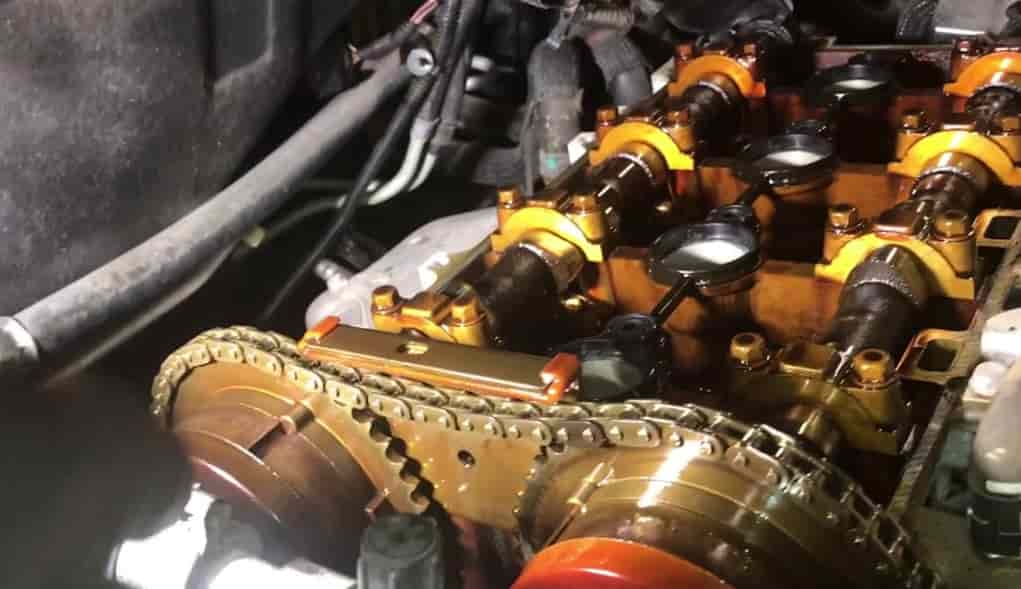
What Are the Most Common 2.4 Ecotec Engine Problems?
The 2.4 Ecotec engine powers many General Motors vehicles and offers good fuel efficiency for daily driving. Despite this, many owners report recurring mechanical problems after higher mileage. These issues often start small but can grow into serious engine damage if drivers ignore early warning signs.
One of the biggest problems is excessive oil consumption. Many drivers notice the engine uses oil faster than expected. They often need to refill oil between regular service intervals. Worn piston rings usually cause this issue. A faulty PCV system can also make it worse. When oil levels drop too low, the engine loses proper lubrication. This can lead to knocking sounds, poor performance, and internal wear. In severe cases, the engine can suffer major damage.
Timing chain failure is another serious issue. A stretched timing chain affects engine timing and overall performance. Drivers often hear rattling noises during cold starts. The engine may also misfire or idle roughly. If the timing chain breaks or slips, it can damage valves and pistons. This repair becomes expensive if owners delay fixing early symptoms.
PCV system problems also appear frequently. A failing PCV system increases pressure inside the engine. This pressure can cause oil leaks and unstable idle behavior. It may also increase oil consumption. These symptoms often look similar to other engine issues, so accurate diagnosis is important.
Carbon buildup inside the intake system is another common problem. Direct injection engines tend to develop carbon deposits over time. This buildup reduces airflow and affects combustion. Drivers may notice weak acceleration, rough idle, and engine hesitation. Cleaning the intake valves helps restore normal performance and improves drivability.
Symptoms of a Failing 2.4 Ecotec Engine
When a 2.4 Ecotec engine starts to develop problems, it rarely fails without warning. Most issues show clear symptoms that become more noticeable over time. Recognizing these early signs can help prevent costly repairs and avoid complete engine failure.
One of the most common warning signs is the check engine light. This light can appear for many reasons, including misfires, timing issues, or sensor faults. When it appears together with rough performance, it often signals a deeper mechanical problem rather than a simple sensor error.
Unusual engine noises are another strong indicator of trouble. Many drivers report knocking, ticking, or rattling sounds, especially during cold starts. These noises often point to timing chain wear or low oil levels. Ignoring them can quickly lead to more serious internal damage.
Blue smoke from the exhaust is another important symptom. It usually indicates that the engine is burning oil. This happens when piston rings or valve seals wear out. As oil consumption increases, engine lubrication drops and performance becomes unstable.
Rough idle and engine misfires are also common. The engine may shake when stopped or feel uneven during acceleration. This often results from ignition problems, carbon buildup, or fuel delivery issues. Drivers may also notice a drop in fuel efficiency at the same time.
Another serious symptom is loss of power during driving. The vehicle may feel sluggish, especially when climbing hills or accelerating. This can happen when timing issues, airflow restrictions, or internal wear affect combustion efficiency.
These symptoms often appear gradually, but they tend to worsen if ignored. Early diagnosis is the key to avoiding expensive engine repairs or complete failure.
What Causes 2.4 Ecotec Engine Problems?
The 2.4 Ecotec engine develops problems for several reasons, and most of them come from a combination of design limitations and long term wear. While the engine can perform well in early years, issues often appear as mileage increases and maintenance becomes less consistent.
One major cause is internal oil management weakness. The engine is known for higher oil consumption compared to similar engines. When drivers do not check oil levels regularly, the engine can run low on lubrication. This increases friction between internal parts and accelerates wear on components like piston rings and timing chains.
Another important factor is timing chain stress. The timing chain system relies on proper oil pressure to stay properly tensioned. When oil quality drops or intervals are extended too long, the chain can stretch over time. Once this happens, engine timing becomes unstable and performance starts to decline.
Carbon buildup also plays a role in long term issues. Because many versions of the 2.4 Ecotec use direct injection, fuel does not wash over intake valves. This allows carbon deposits to form gradually. As buildup increases, airflow becomes restricted and combustion efficiency drops.
Cooling system inefficiency can also contribute to engine problems. When components like the water pump or thermostat begin to fail, the engine may run hotter than normal. Overheating increases stress on seals, gaskets, and internal parts, which can shorten engine life.
Finally, inconsistent maintenance is a key cause. Extended oil change intervals or use of low quality oil can accelerate nearly all common problems in this engine. Small issues that could be prevented often become major repairs when maintenance is delayed.
2.4 Ecotec Years to Avoid
Not all 2.4 Ecotec engines share the same reliability level. Some model years experienced more frequent failures due to design updates, component weaknesses, or early production issues. Understanding which years carry higher risk can help buyers avoid expensive repairs and long term ownership problems.
Several Chevrolet Equinox and GMC Terrain models equipped with early versions of the 2.4 Ecotec engine reported higher rates of oil consumption and timing chain wear. These issues often appeared in higher mileage vehicles, especially when maintenance history was inconsistent. Owners frequently reported engine knocking, reduced performance, and warning lights related to oil pressure or timing errors.
In some early production years, piston ring design contributed to excessive oil burning. Once oil levels dropped too low, internal lubrication suffered and accelerated wear on critical engine parts. This created a cycle where small oil consumption problems turned into larger mechanical failures over time.
Later model years received engineering updates that improved some of these issues. GM revised internal components and adjusted certain engine management systems to improve durability. While these updates reduced failure rates, they did not completely eliminate all common 2.4 Ecotec engine problems.
Because of this variation, it is important for buyers to research specific model years before purchasing a used vehicle. Service history also plays a major role in engine reliability. A well maintained older engine can sometimes outperform a poorly maintained newer one.
Overall, avoiding high risk production years and focusing on vehicles with documented maintenance records can significantly reduce the chance of major engine repairs.
How to Fix Common 2.4 Ecotec Engine Problems
Fixing 2.4 Ecotec engine problems depends on how early the issue is detected and how severe the damage has become. Some problems can be handled with basic maintenance, while others require major mechanical repair or part replacement. Acting early is always the most cost effective approach.
For excessive oil consumption, the first step is to confirm the source of the issue. Many cases require piston ring replacement or updated internal engine components. In less severe situations, switching to high quality oil and shortening oil change intervals can help reduce oil loss. However, this only manages the symptom and does not fully solve the root cause.
Timing chain problems require immediate attention once symptoms appear. A stretched chain or failing tensioner cannot be ignored because it directly affects engine timing. The proper fix usually involves replacing the timing chain kit, including guides and tensioners. Delaying this repair increases the risk of internal engine damage.
PCV system issues are often resolved by replacing the faulty valve or related hoses. This repair helps stabilize engine pressure and can reduce oil leaks and idle problems. It is a relatively low cost fix compared to other engine repairs.
For carbon buildup, professional cleaning is often required. Mechanics use intake cleaning methods to remove deposits from intake valves. This improves airflow and restores engine performance. Regular cleaning can help prevent the issue from returning too quickly.
Cooling system related problems, such as a failing water pump or thermostat, should also be replaced promptly. This prevents overheating and protects the engine from long term damage.
Overall, the key to fixing 2.4 Ecotec engine problems is early diagnosis and proper maintenance before small issues develop into major engine failure.
How to Prevent 2.4 Ecotec Engine Problems
Preventing 2.4 Ecotec engine problems is much easier and cheaper than repairing major failures. Most issues develop slowly over time, so consistent maintenance plays the most important role in extending engine life and improving reliability.
Regular oil changes are the most effective prevention step. Using high quality oil and changing it at proper intervals helps protect internal components from wear. This also reduces the risk of oil starvation, which is a key cause of timing chain and piston related damage.
Frequent oil level checks are also important. Since this engine is known for higher oil consumption, drivers should not rely only on scheduled service intervals. Checking oil monthly helps detect early leaks or abnormal consumption before serious damage occurs.
Maintaining the timing chain system is another key factor. While the chain is designed to last long, it depends heavily on clean oil pressure. Keeping the engine well lubricated reduces stress on the chain, tensioners, and guides. This helps avoid expensive timing related repairs.
Cleaning the intake system periodically can also improve long term performance. Carbon buildup develops gradually, so preventive cleaning helps maintain airflow and combustion efficiency. This reduces symptoms like rough idle and hesitation.
Cooling system maintenance should not be ignored. Replacing coolant on schedule and inspecting components like the water pump and thermostat helps prevent overheating. A stable temperature protects seals and internal engine parts from premature wear.
Overall, prevention comes down to routine maintenance, early detection, and not delaying small repairs. These habits significantly reduce the likelihood of major 2.4 Ecotec engine problems and help the engine last longer under daily driving conditions.
Conclusion
The 2.4 Ecotec engine offers practical performance and efficiency, but it also comes with a set of well known mechanical weaknesses. Most common issues include excessive oil consumption, timing chain wear, PCV system failures, carbon buildup, and cooling related problems. While these issues can sound serious, many of them become manageable when identified early.
The key difference between a reliable engine and an expensive repair often comes down to maintenance habits. Drivers who regularly check oil levels, follow proper service intervals, and address small symptoms quickly usually experience fewer major failures. On the other hand, neglecting early warning signs can turn minor issues into full engine breakdowns.
Understanding symptoms such as knocking noises, rough idle, blue smoke, or loss of power helps owners react before damage spreads. In many cases, timely repairs like timing chain replacement, PCV fixes, or intake cleaning can restore performance and extend engine life significantly.
If you own or plan to buy a vehicle with a 2.4 Ecotec engine, awareness is your strongest advantage. With proper care and early intervention, many of the known problems can be controlled and even prevented, allowing the engine to remain dependable for daily use.