When comparing LQ4 vs LQ9, many LS enthusiasts assume the difference is minor because both are 6.0L iron block V8 engines from General Motors. At first glance, that seems true. Both engines share a reputation for durability, strong aftermarket support, and exceptional power potential. Yet once you look deeper into compression ratio, pistons, factory output, and boost capability, the differences become much more important.
For builders planning an engine swap, choosing between the LQ4 and LQ9 often comes down to more than stock horsepower numbers. Budget, turbo goals, naturally aspirated performance, and long term reliability all play a role. Some prefer the LQ4 because its lower compression ratio makes it a favorite for forced induction builds. Others lean toward the LQ9 because its flat top pistons and higher factory output make it attractive for naturally aspirated performance.
This LQ4 vs LQ9 comparison breaks down the key differences in specifications, performance, reliability, and value so you can decide which engine better fits your project. Whether you are building a budget street truck, planning a high horsepower turbo setup, or searching for the best 6.0 LS swap engine, understanding how these two platforms compare can save money and prevent costly mistakes.
By the end of this guide, you will know where the LQ4 shines, where the LQ9 has an advantage, and which engine is ultimately the better choice for your goals.
What Is the LQ4 Engine?
The LQ4 is a 6.0 liter Gen III LS iron block engine built by General Motors for trucks, vans, and SUVs between 1999 and 2007. It is often discussed in the LQ4 vs LQ9 comparison because it offers strong performance potential at a lower cost. GM designed this engine for durability and torque rather than high-revving performance, which made it ideal for towing and heavy duty use.
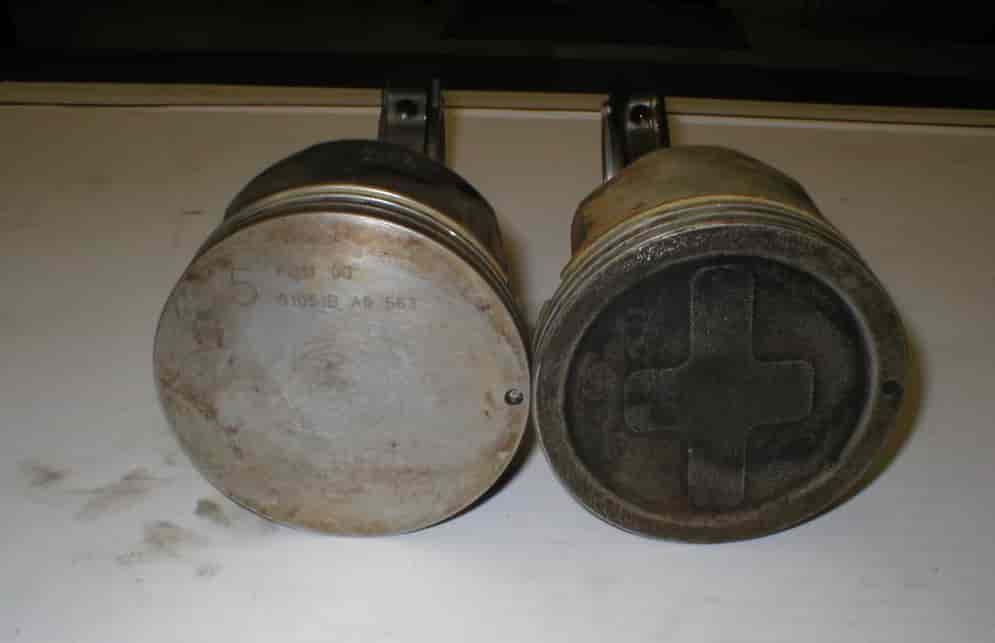
This engine uses a cast iron block and aluminum cylinder heads. That combination gives it a strong foundation for power upgrades. The LQ4 comes with dished pistons and a compression ratio of 9.4:1. This setup reduces factory power but improves its ability to handle boost. Most versions produce between 300 and 325 horsepower and around 360 to 370 lb ft of torque depending on the vehicle.
Even though stock numbers look modest, the LQ4 performs very well under modification. Many builders choose it for turbo or supercharged setups. The lower compression ratio helps reduce knock risk under boost, which gives more tuning flexibility. For this reason, the LQ4 often becomes a preferred choice in budget high horsepower builds.
GM used this engine in vehicles like the Silverado HD, Sierra HD, Express vans, Savana vans, Cadillac Escalade, and some Hummer H2 models. These applications make the engine easy to find in the used market, which helps keep costs low for swaps and builds.
In summary, the LQ4 stands out for its strength, affordability, and excellent boost potential. It is not the most powerful stock LS engine, but it becomes extremely capable once modified, especially in forced induction applications.
What Is the LQ9 Engine?
The LQ9 is a 6.0 liter Gen III LS iron block engine from General Motors. It is a higher performance version of the LQ4. In the LQ4 vs LQ9 comparison, the LQ9 usually delivers stronger factory power. GM used it in premium SUVs for better performance and response.
This engine shares the same iron block and aluminum heads as the LQ4. However, it uses flat top pistons instead of dished pistons. This raises the compression ratio to 10.0:1. The higher compression improves throttle response. It also increases naturally aspirated power.
Most LQ9 engines produce about 345 horsepower. Torque is around 380 lb ft, depending on the vehicle. This makes it stronger than the LQ4 in stock form. The engine feels more aggressive in normal driving. It delivers better low and mid range power.
The higher compression also creates a trade off. The LQ9 handles less boost on stock internals compared to the LQ4. Builders must be more careful with tuning when using forced induction. Because of this, the LQ9 is better suited for naturally aspirated builds or mild performance setups.
GM installed the LQ9 in vehicles like the Cadillac Escalade and GMC Yukon Denali. These were higher end models, so the engine is less common in the used market. It also costs more than the LQ4 in most cases.
In short, the LQ9 focuses on stronger stock performance and better NA power. It gives more factory output but less flexibility for high boost builds.
LQ4 vs LQ9 Specs Comparison
The LQ4 vs LQ9 comparison starts with compression ratio, which is the most important technical difference. The LQ4 runs a 9.4:1 compression ratio. The LQ9 uses 10.0:1. This change comes from different piston designs. The LQ4 uses dished pistons. The LQ9 uses flat top pistons. This difference directly affects power delivery and tuning behavior.
Both engines share the same 6.0 liter iron block architecture. They also use similar cylinder heads in most applications. However, the compression difference creates noticeable performance variation. The LQ9 produces more power from the factory. It delivers around 345 horsepower compared to the LQ4 range of 300 to 325 horsepower. Torque also increases slightly in the LQ9.
In real-world driving, the LQ9 feels stronger in naturally aspirated form. It responds faster to throttle input. The higher compression improves combustion efficiency. The LQ4 feels slightly softer in comparison, but it offers more flexibility for boost applications.
When it comes to internals, both engines are very similar in strength. The iron block design supports high power levels in both cases. The key separation point is piston shape and compression setup. This difference becomes critical in forced induction builds.
For tuning potential, the LQ4 usually handles boost more safely on stock internals. The LQ9 can still support boost, but it requires more careful tuning due to higher compression. This is why builders often choose between them based on intended use rather than stock numbers alone.
Overall, the LQ4 vs LQ9 specs comparison shows a simple trade off. The LQ4 favors boost and flexibility. The LQ9 favors higher factory performance and stronger NA response.
LQ4 vs LQ9 Performance Differences
The performance gap between the LQ4 vs LQ9 becomes clear when you compare how each engine behaves in real driving conditions. The LQ4 delivers smooth and steady power. It focuses more on torque than aggressive response. The LQ9 feels more lively because of its higher compression ratio. It builds power faster at lower RPM.
In stock form, the LQ9 produces more horsepower and torque. This gives it a clear advantage in naturally aspirated setups. It feels stronger during acceleration and overtaking. The LQ4 feels slightly slower, but it remains consistent and reliable under load.
Once modifications begin, both engines respond well. A camshaft upgrade improves power significantly in both cases. The LQ9 still keeps a small edge in NA performance. It uses its higher compression more efficiently. The LQ4 closes the gap when airflow mods are added.
Under forced induction, the situation changes. The LQ4 becomes more flexible because of its lower compression ratio. It handles boost more safely on stock internals. It also gives tuners more room for aggressive boost settings. The LQ9 can still run boost, but it requires tighter tuning control. It also benefits from lower boost levels unless internal upgrades are added.
At higher power levels, both engines perform similarly when built properly. The iron block design supports strong durability in both setups. The difference is not about strength. It is about tuning range and safety margin.
In summary, the LQ4 vs LQ9 performance difference depends on setup. The LQ9 wins in stock and NA form. The LQ4 wins in boost flexibility and high horsepower builds.
LQ4 vs LQ9 for Turbo and Boosted Builds
In forced induction setups, the LQ4 vs LQ9 debate becomes very clear. The LQ4 is usually the preferred choice for turbo or supercharger builds. The main reason is its lower compression ratio. At 9.4:1, the LQ4 gives more safety margin under boost. It reduces the risk of detonation and allows more aggressive tuning.
The LQ9 runs a higher 10.0:1 compression ratio. This improves natural aspiration performance, but it limits boost tolerance on stock internals. Under high boost, the engine reaches knock limits faster. Tuners must reduce timing or limit boost pressure to keep it safe.
Because of this, the LQ4 handles boost more comfortably on a stock bottom end. Many builders run moderate to high boost on untouched LQ4 engines. With proper tuning and fuel support, the engine can deliver very high power levels without internal upgrades.
The LQ9 can still perform well in boosted applications. However, it works better with mild boost or upgraded internals. Forged pistons and stronger rods help unlock its full potential. Without upgrades, it is more sensitive to tuning changes.
Both engines share strong iron block construction. This gives them excellent durability under stress. The difference is how much tuning room each engine allows. The LQ4 offers more flexibility for beginners and budget turbo builds. The LQ9 requires more careful setup but still delivers strong results when built correctly.
In short, the LQ4 is the safer and more forgiving choice for high boost projects. The LQ9 is better suited for mild boost or naturally aspirated performance builds where compression is an advantage.
LQ4 vs LQ9 Reliability
Reliability is one of the strongest reasons people compare the LQ4 vs LQ9. Both engines share the same iron block design, and this gives them a strong foundation. In general, both engines are known for long service life when properly maintained. They were originally built for trucks and SUVs, so durability was a priority from the factory.
The LQ4 has a slight advantage in abusive conditions. Its lower compression ratio reduces internal stress under heavy load and boost. This makes it more forgiving when tuning is not perfect. Many builders push LQ4 engines to high mileage and high horsepower without major internal failure.
The LQ9 is also very reliable in stock form. It performs well in daily driving and light performance use. However, its higher compression ratio increases cylinder pressure. This can create more stress when the engine is pushed hard or tuned aggressively. Because of this, it requires more careful tuning in modified setups.
Both engines use strong factory internals. Rods and crankshafts can handle significant power before needing upgrades. Failures usually come from poor tuning rather than mechanical weakness. Fuel quality, timing, and air fuel ratio play a major role in long term reliability for both engines.
Cooling and oiling systems are also similar between the two. When maintained properly, both engines can last well beyond 200,000 miles in stock form. With modifications, lifespan depends more on build quality than engine choice.
In summary, the LQ4 offers a slightly safer margin under stress and boost. The LQ9 remains reliable but needs more controlled tuning in high performance setups. Both engines are strong, but the LQ4 is generally more forgiving in real world abuse scenarios.
LQ4 vs LQ9 for LS Swaps
When it comes to LS swap projects, the LQ4 vs LQ9 choice often depends on budget and build goals. Both engines are popular because they are affordable, strong, and widely available in the used market. They also fit easily into many older chassis, which makes them ideal for street builds, trucks, and performance projects.
The LQ4 is usually the go to option for budget swaps. It is easier to find and typically costs less. This makes it attractive for builders who want maximum value. It also works very well with turbo setups, which is a common direction for swap builds. Many people choose the LQ4 as a starting point and invest savings into camshafts, fuel systems, or forced induction.
The LQ9 is less common and usually more expensive. It came in higher trim vehicles, which limits availability. However, it offers stronger factory performance. This makes it appealing for naturally aspirated swap builds where immediate power matters. It also provides better throttle response out of the box.
Both engines share the same general dimensions and mounting compatibility. This makes them interchangeable in most swap scenarios. Aftermarket support is also very strong for both. Parts like cam kits, intake manifolds, and tuning solutions are widely available.
In practical swap applications, the difference comes down to strategy. The LQ4 gives more flexibility for high horsepower builds on a budget. The LQ9 delivers better stock performance but costs more upfront.
Overall, both engines are excellent LS swap candidates. The LQ4 is the smarter choice for cost effective performance builds. The LQ9 is better for builders who want stronger naturally aspirated power from day one.
LQ4 vs LQ9 Price and Value
When comparing LQ4 vs LQ9 from a cost perspective, the difference mainly comes from availability and demand. The LQ4 is usually cheaper on the used market because it was produced in larger numbers across heavy duty trucks and vans. This wider availability makes it a popular choice for budget builds and first time LS swaps.
The LQ9, on the other hand, is less common. It was used in higher trim vehicles like SUVs, which limits supply. Because of that, prices are often higher. Many sellers also recognize its stronger factory performance, which increases demand among enthusiasts.
From a value standpoint, the LQ4 often wins for builders who plan to modify the engine. The lower purchase price leaves more budget for upgrades like camshafts, fuel systems, and turbo kits. Since both engines share similar durability and block strength, the cheaper entry point of the LQ4 becomes a major advantage.
The LQ9 offers better value for those who want stronger stock performance. It delivers more horsepower and torque without modifications. For naturally aspirated builds or simple bolt on setups, this can reduce the need for early upgrades.
However, once heavy modifications begin, the price difference becomes more important than stock output. Many high horsepower builds eventually level out performance differences between the two engines. At that point, the LQ4 often becomes the more cost efficient platform.
In summary, the LQ4 provides better overall value for performance builds on a budget. The LQ9 justifies its higher price when stock power and responsiveness are a priority. The right choice depends on whether you value upfront performance or long term build flexibility.
Is the LQ9 Worth More Than the LQ4?
The question of LQ4 vs LQ9 value usually comes down to how you plan to use the engine rather than the price alone. The LQ9 typically costs more because it produces higher factory power and was used in more premium GM vehicles. It also offers better naturally aspirated performance thanks to its higher compression ratio.
The extra cost of the LQ9 makes sense if you want stronger stock performance. It delivers more horsepower and better throttle response without any modifications. For simple bolt on builds or daily driven performance trucks, this can be a clear advantage. You get more output immediately without needing to invest in internal upgrades.
However, the LQ4 often becomes the smarter choice for performance builders. It costs less to buy and gives more flexibility for future upgrades. The lower compression ratio makes it more suitable for turbo or supercharger setups. This means you can spend the saved money on forced induction, camshafts, or fuel system upgrades instead of paying extra for the engine itself.
In high horsepower builds, the difference between LQ4 and LQ9 becomes less important once both engines are modified. At that stage, tuning, airflow, and supporting parts matter more than stock compression ratios. This is why many builders prefer starting with the cheaper LQ4 platform.
In conclusion, the LQ9 is worth more if you want better factory performance and a stronger naturally aspirated setup. The LQ4 is worth more if your goal is maximum performance per dollar and long term build flexibility. The better choice depends entirely on your performance goals and budget strategy.
LQ4 vs LQ9: Which One Should You Choose?
Choosing between the LQ4 vs LQ9 depends mainly on your build goal, budget, and whether you plan to run naturally aspirated power or forced induction. Both engines share the same 6.0L iron block foundation, so the real difference comes from compression ratio and factory tuning strategy.
If your goal is turbocharging or supercharging, the LQ4 is usually the better choice. It runs lower compression, which gives you more safety under boost. It also allows more tuning flexibility before knock becomes a problem. Many builders prefer the LQ4 because it delivers strong performance per dollar, especially in high horsepower projects.
If you want strong factory performance without major modifications, the LQ9 is the better option. It produces more horsepower and torque from the start. It also feels more responsive in daily driving due to higher compression. This makes it a good choice for naturally aspirated builds or mild bolt on setups.
Budget also plays a big role. The LQ4 is usually cheaper and easier to find. That extra budget can go into upgrades like camshafts, intake systems, or fuel system improvements. The LQ9 costs more but gives you better stock output immediately.
In real world performance builds, both engines can reach similar power levels once modified. At that point, the difference is more about starting point than final capability. Reliability is strong in both cases as long as tuning is done correctly.
In summary, choose the LQ4 if you want boost, flexibility, and lower cost. Choose the LQ9 if you want stronger stock performance and a more responsive naturally aspirated setup. The best engine depends on how you plan to build, not just the numbers on paper.
Conclusion
The LQ4 vs LQ9 comparison shows two engines built on the same strong 6.0L LS foundation, but optimized for different goals. Both engines offer excellent durability, strong aftermarket support, and proven performance in real world builds.
The LQ4 stands out as the more flexible and budget friendly option. It works especially well for turbo and supercharged setups thanks to its lower compression ratio. It also gives builders more room for tuning and reduces risk under boost. This makes it a popular choice for high horsepower projects where cost efficiency matters.
The LQ9 focuses on stronger factory performance. It delivers more horsepower and better throttle response in naturally aspirated form. The higher compression ratio gives it a clear advantage in stock or lightly modified builds. However, it offers less safety margin for aggressive boost without internal upgrades.
In terms of value, the LQ4 often wins for builders who plan significant modifications. The LQ9 makes more sense for those who want immediate performance without heavy upgrades. Both engines can reach similar power levels once built properly, so the real decision comes down to how you plan to use the engine.
Ultimately, there is no universal winner in the LQ4 vs LQ9 debate. The LQ4 is the better choice for boost, budget builds, and long term flexibility. The LQ9 is better for naturally aspirated performance and stronger stock output. Your goals will determine which engine is truly the right fit.