The LT1 Engine Firing Order Explained: Complete Guide to Chevy V8 Ignition Sequence and Cylinder Layout helps you understand how a V8 engine controls combustion timing. This system belongs to the Chevrolet LT1 engine, a well known small block V8 built by General Motors.
The firing order defines how each cylinder ignites fuel inside the engine. Engineers design this sequence to keep the engine smooth and stable. When the order works correctly, the engine runs with better balance and less vibration.
Many people struggle with the LT1 firing order at first. They often find cylinder numbering and bank layout confusing. They also mix up ignition timing with firing sequence. Once you understand the structure, the system becomes simple and logical.
This guide shows you how the LT1 firing order works in a clear way. You will learn how the cylinders are arranged. You will also see how the ignition sequence moves through the engine. This knowledge helps you understand performance behavior and common engine issues.
You can also use this information to diagnose misfires or timing problems. A correct firing order improves engine efficiency and smooth power delivery.
This article gives you both theory and practical understanding. It helps you work with the LT1 engine with confidence and clarity.
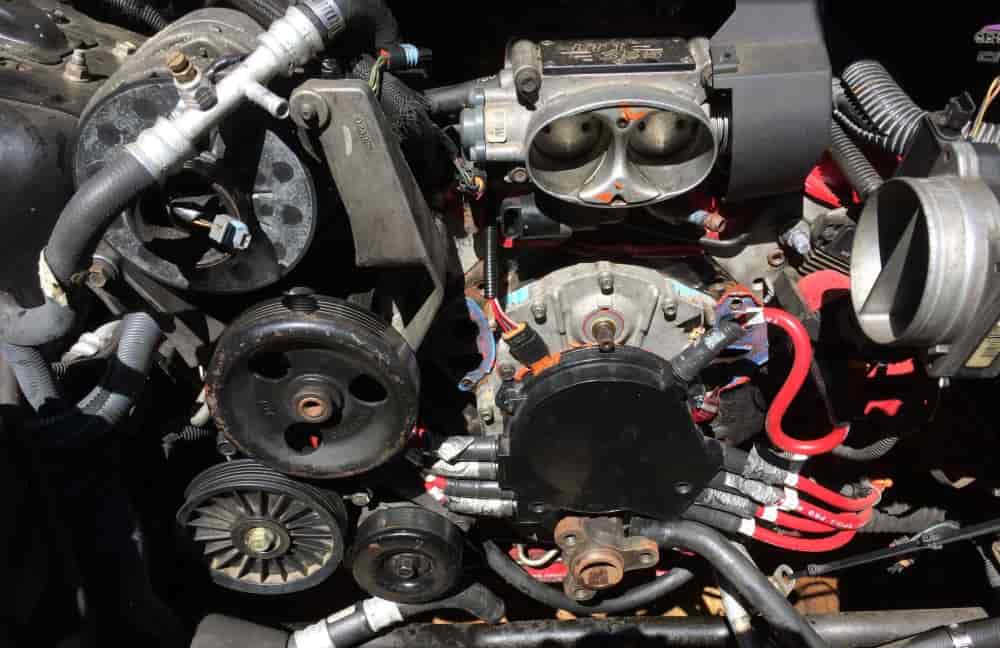
What Is the LT1 Engine and How It Works
The Chevrolet LT1 engine is a modern version of the classic small block V8 designed by General Motors. It belongs to the LT engine family and focuses on balancing power, efficiency, and durability. Many performance and sports vehicles use this engine because it delivers strong torque and stable operation.
The LT1 engine uses a V8 layout. This means it has eight cylinders arranged in two banks. Each bank contains four cylinders. The engine fires these cylinders in a specific order to create smooth rotation and consistent power output.
Inside the engine, the crankshaft converts combustion energy into rotational force. Each cylinder burns fuel at a precise time. The ignition system controls this timing. When everything works correctly, the engine produces steady power with minimal vibration.
The firing order plays a key role in this process. It determines the exact sequence in which each cylinder ignites. Engineers design this sequence to reduce stress on the crankshaft and improve engine balance.
The LT1 also uses a pushrod system. This system controls valve movement through lifters, pushrods, and rocker arms. It keeps the engine compact while maintaining strong performance characteristics.
When the ignition timing and firing order work together correctly, the LT1 engine delivers smooth acceleration and reliable performance. If the sequence becomes incorrect, the engine may lose power or develop misfires.
Understanding how the LT1 engine works gives you a foundation for diagnosing issues and improving performance. It also helps you understand why the firing order is critical for engine stability.
LT1 Engine Firing Order Explained Step by Step
The firing order in the Chevrolet LT1 engine defines how each of the eight cylinders ignites fuel during engine operation. General Motors engineers designed this sequence to keep the V8 engine balanced and smooth under all driving conditions.
The standard LT1 firing order is 1 8 7 2 6 5 4 3. This sequence controls the ignition timing for each cylinder. It ensures that power strokes happen in a balanced rotation around the crankshaft. This balance reduces vibration and improves engine stability.
The engine divides cylinders into two banks. One side contains cylinders 1 3 5 7. The other side contains cylinders 2 4 6 8. The firing order does not alternate evenly between banks. Instead, it follows a cross pattern that distributes power evenly across the engine cycle.
Each ignition event happens at a precise crankshaft position. The crankshaft rotates in a fixed cycle, and each cylinder fires once during that cycle. The ignition system controls spark timing so that combustion happens at the correct moment.
When you read the firing order, you should follow the sequence step by step. Cylinder 1 fires first. Then cylinder 8 fires. After that, cylinder 7 fires. This continues until all cylinders complete the cycle. The pattern then repeats continuously while the engine runs.
This sequence improves engine smoothness. It also reduces stress on internal components. If the firing order becomes incorrect due to wrong spark plug wiring or timing errors, the engine can misfire or run rough.
Understanding this step by step sequence helps you diagnose ignition problems more effectively. It also gives you a clear view of how power is distributed inside the LT1 engine.
LT1 Cylinder Layout and Bank Configuration
The Chevrolet LT1 engine uses a V8 layout with eight cylinders arranged in two banks. General Motors designed this structure to improve balance, power delivery, and compact engine size.
Each bank contains four cylinders. One bank holds cylinders 1, 3, 5, and 7. The other bank holds cylinders 2, 4, 6, and 8. This layout creates a V shape when viewed from the front of the engine. The design allows the engine to produce high power while still fitting in a relatively small space.
The cylinder numbering follows a fixed pattern. Cylinder 1 sits at the front of the engine on the driver side. The numbering then continues along each bank toward the rear. This consistent layout helps mechanics identify cylinders quickly during maintenance or diagnostics.
The crankshaft connects all eight pistons. As it rotates, each piston moves up and down inside its cylinder. This movement creates combustion cycles that generate power. The firing order coordinates this movement so that power strokes occur in a balanced sequence.
The LT1 cylinder layout also supports engine smoothness. By spacing combustion events across both banks, the engine reduces vibration. This balance helps the LT1 deliver steady torque and stable performance across different RPM ranges.
Understanding the cylinder layout is essential before working with ignition timing or firing order. If you misidentify cylinder positions, you may install spark plug wires incorrectly. This mistake often leads to misfires or poor engine performance.
A clear understanding of the LT1 bank configuration makes it easier to diagnose issues and follow the firing sequence accurately.
Why the LT1 Firing Order Matters for Engine Performance
The firing order in the Chevrolet LT1 engine plays a direct role in how the engine produces power, manages vibration, and maintains long term durability. General Motors engineers designed this sequence to optimize balance across all eight cylinders.
Each combustion event creates force inside the engine. If these forces happen in a poor sequence, the engine becomes uneven and produces vibration. The LT1 firing order spreads these combustion events across the crankshaft in a balanced pattern. This reduces stress on internal components and improves engine smoothness.
The correct firing sequence also improves torque delivery. Each cylinder contributes power at a specific time in the cycle. When the sequence runs correctly, the engine delivers consistent torque without sudden drops. This creates smoother acceleration and better drivability.
Fuel efficiency also depends on the firing order. A stable combustion pattern allows the engine to burn fuel more evenly. This reduces wasted energy and improves overall efficiency, especially under steady driving conditions.
Heat distribution inside the engine also becomes more controlled. When cylinders fire in a balanced order, the engine avoids localized overheating. This helps protect pistons, valves, and the cylinder head from long term damage.
If the firing order becomes incorrect, the engine immediately loses balance. You may notice rough idling, misfires, or reduced power. In severe cases, incorrect wiring or timing can damage engine components.
Understanding why the LT1 firing order matters helps you see the engine as a complete system. It is not just a sequence. It is a carefully engineered structure that controls performance, efficiency, and reliability.
Common Mistakes When Working With LT1 Firing Order
The Chevrolet LT1 engine requires correct ignition timing and firing order to run smoothly. General Motors designed the system with precise cylinder sequencing, so even small mistakes can affect performance.
One common mistake is incorrect spark plug wire placement. Many people confuse cylinder positions on the V8 layout. When wires connect to the wrong cylinder, the engine fires in the wrong sequence. This often causes misfires and rough idling.
Another frequent issue is mixing up cylinder numbering. The LT1 engine follows a strict numbering system across both banks. If you misunderstand the layout, you may assign the firing order incorrectly during maintenance or repair.
Timing errors also create serious problems. If ignition timing does not match the firing sequence, combustion happens at the wrong moment. This reduces engine power and increases vibration. In some cases, it can also lead to knocking sounds.
Some technicians also ignore worn ignition components. Old spark plugs, damaged wires, or weak coils can disrupt the firing order effect even if the sequence is correct. This leads to inconsistent combustion across cylinders.
Another mistake is skipping verification after repairs. After working on the ignition system, many people do not recheck the firing order. This oversight often leads to hidden issues that appear later during driving.
Understanding these mistakes helps you avoid engine problems. When you follow the correct firing order and verify each connection, the LT1 engine delivers stable performance and reliable operation.
LT1 Firing Order vs Other Chevy V8 Engines
The firing order in the Chevrolet LT1 engine follows a carefully balanced V8 ignition pattern designed by General Motors. While many Chevy V8 engines share similar architecture, their firing behavior and internal tuning can differ in important ways.
The LT1 engine uses the firing order 1 8 7 2 6 5 4 3. This sequence focuses on balancing combustion events across both cylinder banks. It helps reduce vibration and maintain smooth torque delivery during operation.
When compared with older small block Chevy engines, the LT1 shows improved refinement. Traditional V8 engines often prioritize simpler mechanical design. The LT1, however, uses more advanced ignition control and tighter combustion timing. This improves efficiency and stability at different RPM ranges.
The LS engine family also uses a different internal design philosophy. Although both LT1 and LS engines come from General Motors, they differ in cylinder head design, airflow characteristics, and ignition management. These differences affect how each engine responds to firing sequence timing.
In real performance use, the LT1 firing order focuses on smooth street drivability. It delivers consistent power without excessive vibration. Some LS variants, on the other hand, prioritize higher airflow and performance potential at higher RPM.
The firing order itself may look similar across GM V8 engines, but its impact changes depending on engine architecture. Factors like crankshaft design, cam profile, and intake flow all influence how the sequence behaves in real operation.
Understanding these differences helps you see that firing order is not just a number sequence. It is part of a larger engine system that defines performance, efficiency, and driving character.
How to Check and Fix LT1 Engine Firing Order Issues
The Chevrolet LT1 engine depends on correct ignition timing and firing order to operate smoothly. General Motors designed the system so each cylinder fires in a precise sequence. When this sequence breaks, the engine quickly shows performance problems.
The first step is to verify cylinder numbering. The LT1 V8 layout places cylinders in two banks. One side contains 1, 3, 5, and 7. The other side contains 2, 4, 6, and 8. If you misidentify these positions, the firing order will become incorrect even if the sequence itself is right.
Next, check the spark plug wires. Each wire must connect to the correct cylinder and distributor or ignition coil output. A single wrong connection can cause misfires or rough engine behavior. You should follow the correct firing order sequence: 1 8 7 2 6 5 4 3.
After that, inspect the ignition components. Worn spark plugs can weaken combustion. Damaged wires can interrupt spark delivery. Weak ignition coils can reduce spark strength. Even with correct wiring, these issues can still disrupt engine performance.
You should also check ignition timing. Incorrect timing causes combustion to happen too early or too late. This leads to knocking, loss of power, or unstable idle. Proper timing ensures each cylinder fires at the correct crankshaft position.
A good practice is to test the engine after every adjustment. Start the engine and listen for smooth operation. Check for vibration, hesitation, or misfire codes. These signs help confirm whether the firing order and ignition system are working correctly.
When you verify each step carefully, you can fix most LT1 firing order issues without guesswork. This ensures stable performance and long term engine reliability.
Conclusion
The firing order in the Chevrolet LT1 engine is more than a technical detail. It is the core system that controls how each cylinder delivers power in a balanced and efficient way. General Motors designed this sequence to support smooth combustion, stable torque, and long term engine reliability.
When you understand the LT1 firing order, you can see how the entire V8 system works as one coordinated mechanism. Each cylinder follows a precise ignition pattern. Each combustion event supports the next one. This structure reduces vibration and keeps engine performance consistent across different driving conditions.
Most engine problems related to the LT1 firing order come from simple mistakes. Incorrect spark plug wiring, wrong cylinder identification, or poor ignition timing can quickly disrupt engine behavior. When you follow the correct sequence and verify each connection carefully, the engine returns to stable operation.
This guide gives you a complete understanding of how the LT1 firing order works, how the cylinders are arranged, and how the ignition system maintains balance. It also helps you diagnose issues with more confidence and accuracy.
If you work with LT1 engines regularly, this knowledge becomes essential. It helps you improve maintenance quality, avoid common errors, and understand the deeper engineering behind V8 performance.
If you want, you can now explore related topics like LT1 firing diagrams, LS engine comparisons, or ignition troubleshooting to build a complete technical understanding of GM V8 engines.