When your Chevy Malibu starts blowing warm air instead of cold refreshing airflow, the frustration usually hits immediately, especially during hot weather when the air conditioning system is something you rely on every day. Many drivers assume the issue is serious, but in reality, one of the most common reasons behind weak cooling performance is low refrigerant levels that require an AC recharge.
The air conditioning system in a Chevy Malibu depends on a precise balance of refrigerant, compressor pressure, and airflow through components like the condenser and evaporator. Over time, small leaks or natural refrigerant loss can reduce cooling efficiency, making the system feel like it is no longer working properly even though the core components are still functional. This is where understanding the Chevy Malibu AC Recharge process becomes important.
In this guide, you will learn everything you need to know about AC recharge including how the process works, what it typically costs, and the most common mistakes that can lead to expensive repairs if done incorrectly. You will also understand how to identify whether your issue is truly related to low refrigerant or if there are deeper problems in the system such as compressor failure or leaks.
By the end of this article, you will have a clear and practical understanding of how to restore cooling performance in your Chevy Malibu safely and efficiently while avoiding unnecessary repair costs.
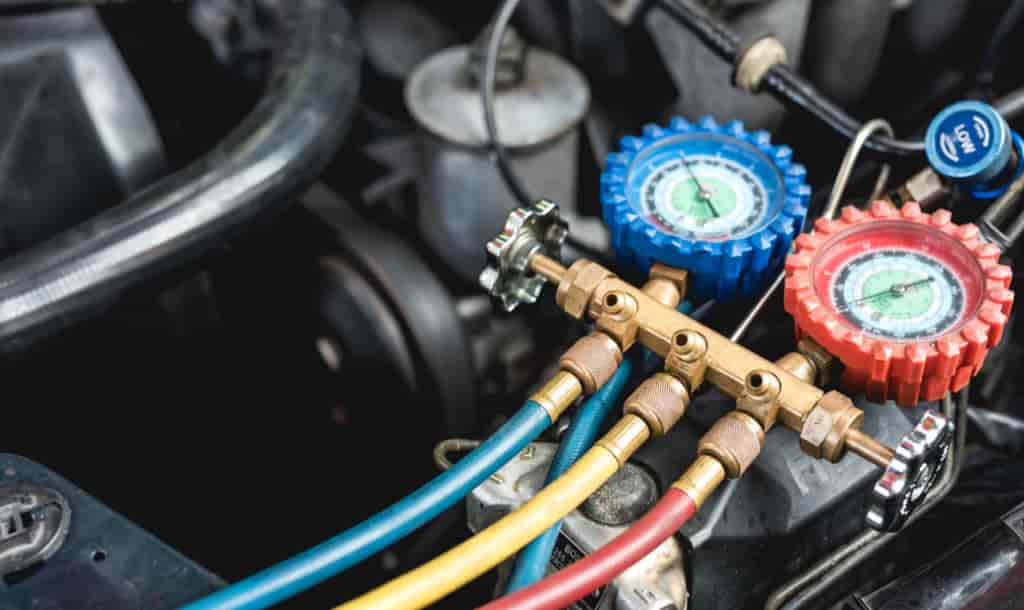
What Is Chevy Malibu AC Recharge?
A Chevy Malibu AC Recharge refers to the process of restoring the correct amount of refrigerant inside the air conditioning system so it can produce cold air effectively again. The AC system does not consume refrigerant like fuel, but over time it can gradually lose pressure due to small leaks in hoses, seals, or connections. When this happens, the cooling performance drops and the air coming from the vents may feel warm or only slightly cool.
Inside the system, refrigerant works together with key components such as the compressor, condenser, expansion valve, and evaporator. The compressor pressurizes the refrigerant and circulates it through the system, while the evaporator absorbs heat from the cabin air. If the refrigerant level is too low, this cycle becomes inefficient and the system cannot remove heat properly.
In most cases, an AC recharge involves adding refrigerant such as R-134a or R-1234yf depending on the model year of the Chevy Malibu. This restores system pressure back to the manufacturer recommended range, allowing the compressor to operate correctly and the cabin to cool down again.
However, it is important to understand that an AC recharge is not a repair for underlying mechanical problems. If there is a significant leak or a failing compressor, simply adding refrigerant will only provide temporary improvement. This is why proper diagnosis is essential before performing a recharge to avoid repeated issues and unnecessary costs.
Signs Your Chevy Malibu Needs AC Recharge
When the air conditioning system in your Chevy Malibu starts losing performance, it usually does not fail completely right away. Instead, it shows several warning signs that indicate the refrigerant level is low and an AC recharge may be needed. Recognizing these symptoms early can help you avoid more serious damage and higher repair costs.
One of the most common signs is warm or mildly cool air coming from the vents even when the AC is set to the lowest temperature. This happens because the refrigerant is no longer able to absorb and transfer heat efficiently. You may also notice that the cooling effect becomes inconsistent, sometimes working slightly better while driving and then weakening when the car is idling.
Another clear symptom is weak airflow combined with poor cooling performance. While airflow issues can sometimes be related to the blower motor or cabin air filter, in many cases low refrigerant pressure reduces the overall efficiency of the system, making the air feel less cold even when the fan speed is high.
You might also hear unusual sounds such as hissing near the engine bay, which can indicate a small refrigerant leak in the system. In some cases, the AC compressor may cycle on and off more frequently than normal because it is struggling to maintain proper pressure levels.
If you notice these symptoms together, it is a strong indication that your Chevy Malibu AC system may require a recharge or further inspection to confirm whether there is a leak or another underlying issue affecting performance.
Chevy Malibu AC Recharge Cost (2026 Breakdown)
The cost of a Chevy Malibu AC Recharge can vary significantly depending on whether you choose to do it yourself or have it serviced by a professional mechanic. Understanding these price differences helps you decide the most cost effective and safe approach for your situation.
If you choose the DIY option, the cost is generally much lower. A typical AC recharge kit that includes refrigerant, a pressure gauge, and a hose usually ranges from a budget friendly price to a mid range price depending on quality and brand. This option is appealing because it allows you to refill the system at home without labor fees. However, it requires caution because overcharging or using the wrong refrigerant can damage the AC system.
On the other hand, a professional AC recharge service at a repair shop or dealership is more expensive but includes diagnostic testing and system inspection. Mechanics will often check for leaks, measure system pressure, and ensure the compressor is functioning correctly before adding refrigerant. This service typically costs several times more than a DIY kit, but it reduces the risk of mistakes and provides a more reliable long term result.
Dealership services are usually the most expensive option, but they follow manufacturer standards and use certified equipment and refrigerant types recommended for the Chevy Malibu. Independent repair shops may offer a more affordable balance between cost and professional accuracy.
Overall, the final cost depends not only on the recharge itself but also on whether your vehicle has hidden issues such as leaks or compressor wear that require additional repairs beyond a simple refrigerant refill.
Step-by-Step Chevy Malibu AC Recharge Process
Recharging the AC system in a Chevy Malibu involves restoring refrigerant to the correct pressure level so the system can cool the cabin efficiently again. While the process can be done at home with a recharge kit, it requires careful attention because the AC system operates under high pressure and small mistakes can affect performance or cause damage.
The first step is to start the engine and turn the air conditioning to the maximum cooling setting. This allows the system to circulate refrigerant while you monitor its performance. You should also ensure the blower fan is set to high so airflow is consistent during the process.
Next, locate the low pressure service port in the AC system. This is where the recharge hose will be connected. It is important to identify the correct port because connecting to the high pressure side can be dangerous and damage the system.
After connecting the recharge kit, you will begin adding refrigerant slowly while monitoring the pressure gauge. The goal is to bring the system back into the recommended pressure range specified for the Chevy Malibu. Adding refrigerant too quickly or exceeding the correct level can lead to overcharging, which reduces cooling efficiency and can harm the compressor.
As refrigerant enters the system, you should feel the air temperature inside the cabin gradually become colder. Once the pressure reaches the correct level, you stop adding refrigerant and disconnect the kit carefully.
Finally, let the system run for a few minutes to stabilize and confirm that cooling performance has improved. If the air is still not cold enough, it may indicate a deeper issue such as a leak or compressor problem that requires professional diagnosis.
Common Mistakes When Recharging Chevy Malibu AC
Recharging the AC system in a Chevy Malibu looks simple. However, many drivers still make serious mistakes. These mistakes can reduce cooling performance or even damage the system.
One common mistake is overcharging the system with too much refrigerant. When pressure gets too high, the AC system loses efficiency. The compressor also has to work harder than normal. This can lead to overheating and long term damage.
Another mistake is using the wrong refrigerant type. Different Chevy Malibu model years require specific refrigerants like R 134a or R 1234yf. If you use the wrong type, the system may not cool properly. It can also damage internal components.
Many people also skip leak diagnosis. They only refill refrigerant without checking the real problem. In this case, the AC may work for a short time. Then it becomes weak again because the refrigerant keeps leaking out.
Some users also forget to monitor system pressure during the recharge process. This leads to incorrect filling. The system can end up undercharged or overcharged. Both situations reduce cooling performance.
Finally, some drivers expect a recharge to fix every AC problem. This is not always true. If the compressor or condenser is damaged, refrigerant alone will not solve the issue. In that case, professional repair is necessary.
When AC Recharge Is NOT Enough
Sometimes a Chevy Malibu AC Recharge does not solve the cooling problem. In these cases, the issue is not low refrigerant. The problem comes from a faulty component in the AC system.
One common cause is a failing AC compressor. The compressor is responsible for circulating refrigerant through the system. If it is weak or damaged, the system cannot produce cold air even after a recharge.
Another possible issue is a clogged or damaged condenser. The condenser removes heat from the refrigerant. When it becomes blocked or inefficient, the cooling performance drops significantly. Adding refrigerant will not fix this problem.
Leaks in the AC system are also a major reason a recharge fails. Small leaks in hoses, seals, or fittings allow refrigerant to escape over time. In this case, the system will lose pressure again shortly after being refilled. A proper leak test is needed to find the exact source.
Electrical issues can also affect the AC system. Faulty sensors, relays, or wiring problems may prevent the compressor from engaging correctly. When this happens, the system cannot build proper cooling pressure even if refrigerant levels are correct.
Finally, a damaged evaporator can also reduce cooling performance. The evaporator absorbs heat from inside the cabin. If it fails, the air will stay warm even when the system is fully charged.
In these situations, a simple AC recharge is not enough. A full diagnostic check is required to identify and repair the root cause of the problem.
Conclusion
Understanding the Chevy Malibu AC Recharge process helps you make better decisions when your air conditioning system stops cooling properly. In many cases, weak or warm airflow is caused by low refrigerant levels, and a proper recharge can restore normal performance quickly.
However, it is important to remember that an AC recharge is not a complete repair solution. It only restores refrigerant pressure inside the system. If there are leaks, a failing compressor, a blocked condenser, or electrical issues, the problem will return even after refilling the system.
The cost of a Chevy Malibu AC Recharge also depends on how you approach it. A DIY recharge kit is more affordable, but it requires careful handling to avoid mistakes such as overcharging or using the wrong refrigerant. A professional service costs more, but it provides proper diagnostics and reduces the risk of long term damage.
The key takeaway is simple. You should always identify the real cause of the AC problem before deciding to recharge the system. This helps you avoid repeated repairs and unnecessary expenses while keeping your Chevy Malibu’s air conditioning system running efficiently.
If your AC system shows repeated cooling issues, the best approach is a full inspection rather than relying only on refrigerant refill. This ensures long term performance and prevents hidden problems from getting worse.