If your car suddenly blows the wrong temperature air, it can become very uncomfortable fast. One side of the cabin may feel hot while the other feels cold. Sometimes the air stops responding when you change settings. In many Chevrolet vehicles, this issue often comes from the blend door actuator in the HVAC system.
The blend door actuator controls how air flows and mixes between hot and cold inside your car. It works with the HVAC system to adjust cabin temperature. When it stops working correctly, your system loses the ability to regulate airflow. This often happens after a battery reset, electrical glitch, or normal wear over time.
Many drivers think the part is broken right away. In reality, the system often just loses calibration. In that case, you may not need to replace anything. A simple reset can restore normal function in some situations.
This guide shows you how to reset Chevy blend door actuator without a scan tool. You can do it at home using basic steps. You do not need special equipment or a mechanic for this process. The goal is to help you restore proper HVAC operation and avoid unnecessary repair costs.
By the end of this guide, you will understand how the system works. You will also learn step by step methods to reset it safely and effectively.
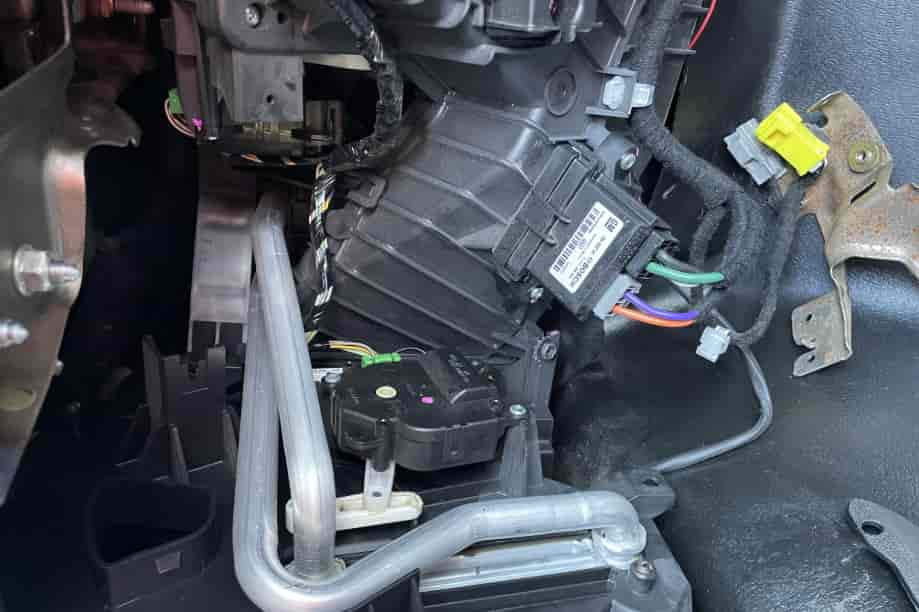
What Is a Chevy Blend Door Actuator
The blend door actuator is a small motor inside your Chevrolet HVAC system. It controls how air moves through the vents. It also manages how hot and cold air mix before it enters the cabin.
This part connects directly to the climate control system. When you change the temperature on your dashboard, the actuator responds. It adjusts internal doors that guide airflow inside the heater box. These doors decide whether you get warm air, cold air, or a mix of both.
In many Chevrolet vehicles, the system depends on electronic signals. The actuator receives commands from the HVAC control module. It then moves small gears to adjust the blend door position. This process happens in seconds and keeps the cabin temperature stable.
Over time, the actuator can lose accuracy. Electrical interruptions or battery disconnection can confuse its position memory. Mechanical wear can also damage the internal gears. When this happens, the system may stop responding correctly.
You may notice temperature changes that do not match your settings. You may also hear clicking sounds behind the dashboard. These signs often indicate that the actuator needs recalibration or reset.
Understanding how this part works is important before you attempt any repair. It helps you identify whether a simple reset can fix the issue or if the part needs replacement.
Common Symptoms of a Bad Blend Door Actuator
A failing blend door actuator often shows clear warning signs before it stops working completely. Most drivers notice these symptoms while driving or adjusting the climate control system.
One of the most common signs is incorrect air temperature. You may set the system to cold air, but warm air still comes out. The opposite can also happen. The temperature does not match your dashboard settings.
Another frequent symptom is a clicking noise behind the dashboard. This sound usually comes from the actuator gears trying to move but failing to engage properly. The noise may repeat every time you start the vehicle or adjust the temperature.
You may also notice weak or uneven airflow. Air may only come from certain vents even when you change the settings. In some cases, airflow may stay stuck in one direction no matter what you select.
Some vehicles also experience delayed response from the HVAC system. You change the temperature, but the cabin air does not adjust right away. This delay often indicates that the actuator is struggling to calibrate.
In Chevrolet vehicles, these issues often appear gradually. The system may work normally at first and then become inconsistent over time. When multiple symptoms appear together, the blend door actuator is often the cause.
Identifying these signs early helps you decide whether a reset can solve the problem or if further repair is needed.
Why You Need to Reset the Actuator Before Replacing
Many drivers replace the blend door actuator too early. In many cases, the part still works mechanically. The real issue comes from lost calibration or a temporary system glitch.
Modern Chevrolet HVAC systems rely on electronic positioning. The actuator must know its exact starting and ending points. When the system loses this reference, it cannot control airflow correctly. This often happens after a weak battery, battery replacement, or electrical interruption.
A reset helps the system relearn its position. It clears incorrect memory data and forces the actuator to recalibrate. In many situations, this process restores normal operation without replacing any parts.
You should always try a reset first because it costs nothing. It also takes only a few minutes. If the actuator responds after recalibration, you avoid unnecessary repair costs and labor.
However, not all problems come from calibration errors. If the internal gears break or the motor fails, a reset will not fix the issue. In that case, the system will continue to show symptoms even after multiple attempts.
This is why understanding the difference matters. A reset solves software or positioning errors. Replacement solves mechanical damage. Knowing this difference helps you avoid wasting money and time.
Before moving to replacement, always perform a proper reset procedure. In many Chevrolet vehicles, this step alone restores full HVAC performance.
Step-by-Step Guide to Reset Chevy Blend Door Actuator Without a Scan Tool
This section shows you how to reset Chevy blend door actuator without a scan tool using simple manual steps. You do not need special tools. You only need basic attention and a few minutes of time.
Start by turning off your vehicle completely. Remove the key from the ignition. Make sure all electrical systems are off. This step helps prevent incorrect signals during the reset process.
Next, disconnect the negative battery terminal. This step cuts power to the HVAC system. Leave it disconnected for about ten to fifteen minutes. This waiting time allows the system to clear stored memory and reset internal positioning data.
After waiting, reconnect the battery terminal. Make sure the connection is tight and secure. Then sit inside the vehicle and turn the ignition to the ON position without starting the engine.
Set the climate control to the lowest temperature. Then slowly switch it to the highest temperature. Repeat this cycle two to three times. This action helps the system relearn the full range of movement for the blend door actuator.
Now turn off the ignition again. Wait for a few seconds, then restart the vehicle. Check the airflow and temperature changes. The system should now respond more accurately to your settings.
If your Chevrolet model supports automatic calibration, leave the system running for a few minutes without touching controls. The HVAC module may complete the relearn process on its own.
This manual reset method often restores normal function when the issue comes from lost calibration rather than mechanical failure.
Alternative Manual Reset Methods
If the standard reset method does not work, you still have other ways to reset Chevy blend door actuator without a scan tool. Different Chevrolet models may respond better to different techniques.
One common method uses the HVAC fuse reset. You can locate the fuse box in your vehicle and identify the fuse that controls the climate system. Remove this fuse carefully while the vehicle is turned off. Wait for about ten minutes. Then reinstall the fuse. This process cuts power to the HVAC module and forces it to restart with default settings.
Another method involves a climate control sequence. Start your vehicle and set the system to full cold. Let it run for a short time. Then switch it to full hot. Repeat this cycle several times. This helps the system relearn airflow limits and actuator position.
Some Chevrolet models also support an automatic recalibration mode. In this case, you only need to turn the ignition on and leave the HVAC controls untouched for a few minutes. The system may reset and adjust itself without manual input.
You can also try a full power cycle reset. Turn off the vehicle completely. Remove the key and wait. Then restart the engine and immediately run the HVAC system through all temperature settings. This helps clear temporary electronic glitches.
These alternative methods often work when the actuator is not physically damaged. They help restore normal function when the problem comes from software errors or lost calibration data.
When Reset Doesn’t Work (Diagnosis Guide)
In some cases, resetting the blend door actuator does not solve the problem. When this happens, the issue usually goes beyond calibration. You are likely dealing with a physical or electrical failure inside the HVAC system.
One common cause is a broken internal gear. The actuator uses small plastic gears to move the blend door. Over time, these gears can wear out or crack. When this happens, the motor may run but cannot move the door correctly. A reset will not fix this type of damage.
Another possible issue is a failed actuator motor. If the motor burns out or loses power, the system cannot respond at all. You may still hear clicking sounds, but no real movement happens inside the HVAC box.
Wiring problems can also cause failure. Loose connections or damaged wires interrupt signals between the HVAC control module and the actuator. This leads to random behavior or no response at all.
In some Chevrolet models, the HVAC control module itself can fail. When this happens, it sends incorrect signals to the actuator. Even a perfect reset will not restore proper function because the control system is no longer working correctly.
If you still notice the same symptoms after multiple reset attempts, you should stop the DIY process. At this stage, inspection or replacement becomes necessary. A proper diagnosis from a technician helps confirm the exact cause and prevents unnecessary part replacement.
Understanding this limit is important. A reset is a calibration fix, not a mechanical repair. Knowing the difference helps you avoid repeated failed attempts and wasted time.
Chevy Models Most Affected
The blend door actuator issue appears across many Chevrolet models. However, some vehicles report this problem more often due to HVAC system design and usage patterns.
Chevrolet Silverado is one of the most common models with this issue. Drivers often report temperature mismatch and clicking sounds behind the dashboard. Heavy use of the HVAC system in different weather conditions can increase actuator wear over time.
Chevrolet Tahoe also experiences similar problems. In this SUV, the actuator often struggles after battery replacement or long periods of inactivity. The HVAC system may lose calibration and require a reset to restore proper airflow control.
Chevrolet Malibu is another model where blend door actuator issues appear frequently. Many users notice that the air gets stuck on one temperature setting. This often happens due to electronic calibration loss inside the HVAC control system.
Chevrolet Suburban shares similar HVAC architecture with the Tahoe and Silverado. Because of this, it can also show identical symptoms. Temperature inconsistency and airflow direction problems are the most common signs in this model.
Other Chevrolet vehicles may also experience the same issue, especially newer models with fully electronic climate control systems. These systems rely heavily on precise actuator positioning, which makes them more sensitive to calibration errors.
Understanding which models are more affected helps you narrow down diagnosis. It also helps you decide whether a reset is likely to solve the issue or if deeper repair is needed.
Conclusion
Understanding how to reset Chevy blend door actuator without a scan tool gives you a practical way to solve one of the most common HVAC problems in Chevrolet vehicles. In many cases, the issue does not come from a broken part. It comes from lost calibration or a temporary system error that affects airflow control.
When you follow the correct reset steps, you give the HVAC system a chance to relearn its actuator positions. This can restore normal temperature control and fix uneven airflow without replacing any components. It also helps you avoid unnecessary repair costs and diagnostic fees.
However, you also need to recognize the limits of a reset. If the actuator has broken gears, a failed motor, or wiring issues, the problem will not go away. In those situations, replacement or professional diagnosis becomes the only reliable solution.
The key takeaway is simple. Start with a reset before you consider replacement. This approach works for many Chevrolet models such as Silverado, Tahoe, Malibu, and Suburban. It saves time and helps you confirm whether the issue is electronic or mechanical.
If your HVAC system still does not respond after multiple reset attempts, it is best to move forward with a deeper inspection. This ensures you fix the real cause instead of repeating temporary solutions.
By understanding both the reset process and its limitations, you can handle blend door actuator issues more confidently and keep your vehicle’s climate system working properly.