Seeing the Hyundai airbag light on your dashboard can instantly create stress and confusion. Many drivers assume the warning is only a minor electrical issue, but in reality, it may indicate a serious problem inside the vehicle’s safety system. Ignoring this warning could prevent the airbags from deploying correctly during an accident, which increases the risk of severe injury for both the driver and passengers.
Modern Hyundai vehicles rely on a complex Supplemental Restraint System, also known as the SRS system, to protect occupants during collisions. This system constantly monitors airbag sensors, seat belt pretensioners, crash detection modules, and electrical connections. When even a single component stops communicating properly, the Hyundai airbag light may remain illuminated on the dashboard.
One of the most frustrating parts for vehicle owners is that the problem is not always obvious. In some cases, the warning light appears after replacing the battery. In other situations, loose wiring under the seat or a faulty occupant sensor may trigger the issue unexpectedly. Many drivers continue using their vehicles without understanding whether the airbags will still function properly in an emergency.
This guide explains the most common causes of a Hyundai airbag light on warning, how to diagnose the issue correctly, and the easiest fixes that may restore the system. You will also learn about repair costs, warning signs you should never ignore, and practical tips to prevent future SRS problems.
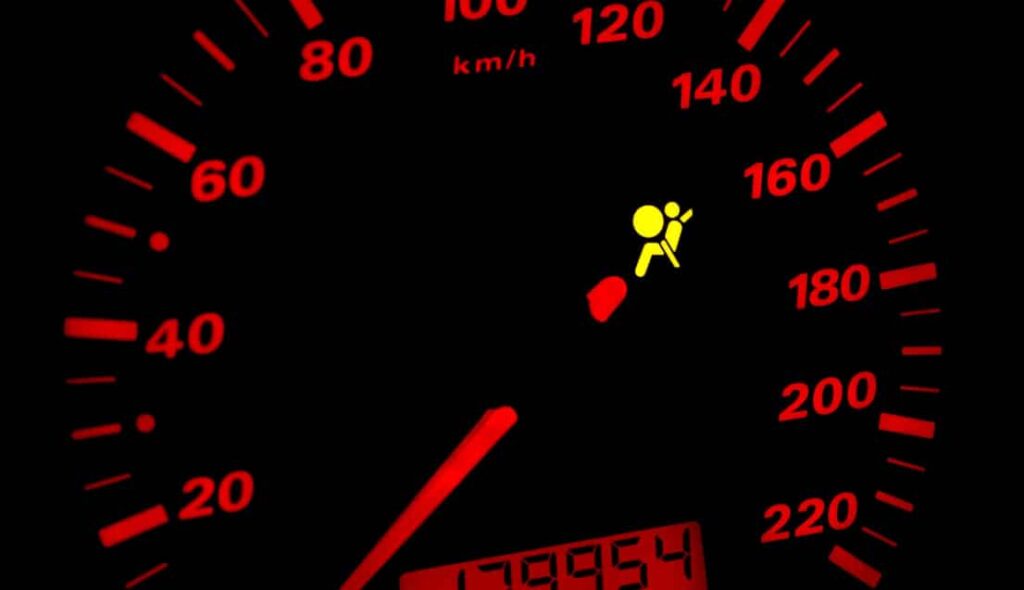
What Does the Hyundai Airbag Light Mean?
The Hyundai airbag warning light is connected directly to the vehicle’s Supplemental Restraint System. This system works alongside seat belts to reduce injuries during an accident. When the warning light appears, the vehicle has detected a malfunction somewhere within the airbag system or one of its connected components.
In normal conditions, the airbag light briefly turns on when the engine starts and then disappears after a few seconds. This short illumination confirms that the system is performing a self diagnostic check. However, if the light stays on continuously, flashes repeatedly, or appears while driving, the system has identified an issue that requires attention.
Many Hyundai owners confuse the airbag light with other dashboard warnings. Unlike the check engine light, which mainly relates to engine performance and emissions, the airbag warning directly affects passenger safety. Even a small electrical interruption can cause communication failures between sensors and the airbag control module.
One important concern is whether the airbags will still deploy when the warning light remains active. Unfortunately, there is no guaranteed answer without a proper diagnostic scan. In some cases, only one airbag becomes disabled. In more serious situations, the entire SRS system may stop functioning correctly. This uncertainty is exactly why Hyundai recommends diagnosing the issue as soon as possible.
The warning may originate from several different components. Common causes include faulty seat belt sensors, damaged clock springs, weak batteries, crash sensor failures, or loose wiring beneath the seats. While some issues are minor and inexpensive to repair, others may involve advanced electronic diagnostics or module replacement.
Understanding the meaning behind the Hyundai airbag light is the first step toward protecting your vehicle’s safety system. Drivers who respond quickly often avoid more expensive repairs later and reduce the risk of unexpected safety failures during an accident.
Most Common Causes of Hyundai Airbag Light Problems
There are many reasons why the Hyundai airbag light may suddenly appear on the dashboard, and some causes are far more serious than drivers expect. In most cases, the warning is triggered when the Supplemental Restraint System detects a communication problem between sensors, modules, or electrical components. Even a small interruption inside the system can cause the warning light to remain active. One of the most common causes is a faulty seat belt sensor or loose wiring underneath the front seats. Frequent seat movement can slowly loosen electrical connectors, especially in older Hyundai models. When this happens, the system may incorrectly detect a seat belt malfunction and trigger the airbag warning light.
Another common issue involves the occupant classification sensor located in the passenger seat. This sensor measures weight and determines whether the passenger airbag should activate during a collision. If the sensor fails, the vehicle may incorrectly identify the seat as empty or occupied, causing the Hyundai airbag light to stay on continuously. Drivers may also notice additional warnings related to the passenger airbag system.
Electrical problems are also responsible for many Hyundai airbag light issues. Weak batteries, recent battery replacements, corroded connectors, or damaged wiring can interfere with communication between the SRS module and crash sensors. In some situations, a faulty clock spring inside the steering wheel may disable steering wheel controls while simultaneously activating the airbag warning light. Because these components directly affect vehicle safety, drivers should never ignore persistent airbag warnings or delay proper diagnostics.
Common Symptoms That Appear With the Hyundai Airbag Light
When the Hyundai airbag light turns on, drivers often notice additional warning signs that indicate deeper problems inside the vehicle’s safety system. In some cases, the warning light remains solid at all times, while other vehicles may display a flashing airbag symbol that appears intermittently during driving. A flashing warning usually suggests unstable communication between sensors or electrical components, which can become more serious if ignored for too long. Many drivers initially assume the issue is harmless because the vehicle continues operating normally, but the SRS system may already be partially disabled.
Another common symptom involves dashboard warning chimes or repeated safety alerts. The vehicle may produce warning sounds during startup or while driving, especially when the system detects inconsistent sensor readings. Some Hyundai owners also experience problems with steering wheel functions at the same time the airbag light appears. Features such as cruise control buttons, audio controls, or the horn may suddenly stop working due to a faulty clock spring inside the steering wheel assembly. Since the driver airbag depends on this component for electrical communication, these symptoms should never be ignored.
In more severe situations, certain safety features may stop functioning correctly. Seat belt pretensioners may fail to activate properly during an accident, and airbags may not deploy with the intended timing. This creates a serious safety concern for both drivers and passengers. Recognizing these symptoms early can help prevent expensive repairs and reduce the risk of complete airbag system failure later.
Is It Safe to Drive With the Hyundai Airbag Light On?
Many drivers continue using their vehicles after seeing the Hyundai airbag light on the dashboard. The car may still drive normally, so the warning often seems harmless. However, this light should never be ignored because it affects the vehicle’s safety system directly. In many cases, the warning means one or more airbags may not deploy correctly during an accident. This increases the risk of injury for both drivers and passengers.
The Supplemental Restraint System works together with seat belts and crash sensors to provide protection during collisions. When communication between these components fails, the system cannot respond properly. Some vehicles may disable only one airbag, while others may experience a complete SRS system failure. Unfortunately, drivers usually notice no symptoms besides the illuminated warning light.
Several problems can trigger the Hyundai airbag light. Common causes include faulty seat belt sensors, loose wiring, weak batteries, and damaged clock springs. Electrical issues inside the steering wheel may also interrupt communication with the driver airbag. If steering wheel buttons or the horn stop working, the problem may become more serious.
Driving with an active airbag warning can also create inspection or insurance issues. Some regions do not allow vehicles with SRS faults to pass safety inspections. Insurance companies may also question unresolved safety problems after an accident.
Drivers should inspect the vehicle immediately if the warning appears alongside burning smells, electrical failures, or multiple dashboard alerts. Quick diagnosis helps prevent expensive repairs and improves overall vehicle safety.
How to Diagnose a Hyundai Airbag Light
Diagnosing a Hyundai airbag light problem starts with identifying the exact fault stored inside the SRS system. Many drivers try to guess the issue based on symptoms alone, but this approach often leads to unnecessary repairs and wasted money. The safest and most accurate method involves using a diagnostic scanner that supports Hyundai airbag and SRS codes.
An OBD2 scanner can quickly detect communication failures, sensor problems, and electrical faults. After connecting the scanner to the vehicle, the system displays specific trouble codes related to the airbag warning. These codes help identify whether the problem comes from the seat belt sensor, crash sensor, clock spring, or another component. Without proper diagnostics, drivers may replace working parts while the real issue remains unresolved.
Many Hyundai vehicles store temporary airbag codes after battery replacement or voltage interruptions. In these situations, the warning light may stay active even after the original problem disappears. A diagnostic scan helps determine whether the issue is still active or only stored in system memory. This saves time and prevents unnecessary repairs.
Drivers should also inspect visible wiring and connectors during the diagnostic process. Loose connections under the front seats are extremely common in Hyundai models. Corrosion, moisture, or damaged wiring can interrupt communication with the airbag module and trigger the warning light unexpectedly. Checking the battery terminals is equally important because unstable voltage often affects SRS performance.
Professional diagnostics become necessary when the scanner reports crash sensor failures, airbag module errors, or internal communication faults. These problems usually require advanced equipment and specialized repair procedures. Early diagnosis helps reduce repair costs and lowers the risk of complete airbag system failure.
Easy Fixes for Hyundai Airbag Light Issues
Some Hyundai airbag light problems have simple solutions that drivers can handle without expensive repairs. However, safety should always come first when working around airbag components. Drivers should never disconnect airbags or remove steering wheel parts without proper knowledge because accidental deployment can cause serious injuries.
One of the easiest fixes involves restarting the vehicle correctly. In some cases, temporary communication errors appear after low voltage events or unstable battery performance. Turning the engine off for several minutes and restarting the vehicle may clear minor electronic glitches. If the warning light disappears and does not return, the issue may have been temporary.
Checking the wiring underneath the front seats is another common solution. Seat movement often loosens electrical connectors over time. Drivers should inspect the area carefully for disconnected plugs, damaged wires, or visible corrosion. Reconnecting loose wiring sometimes restores normal communication with the SRS system and turns the warning light off.
Battery condition also plays an important role in Hyundai airbag system performance. Weak batteries can trigger voltage related faults that confuse the airbag control module. Testing battery voltage and cleaning corroded terminals may solve the problem quickly. If the battery struggles to hold charge, replacement may become necessary.
Many drivers also use an OBD2 scanner to reset the Hyundai airbag light after fixing the original issue. This process clears stored fault codes from the SRS module. However, the warning light usually returns if the underlying problem still exists. Persistent warnings often indicate faulty sensors, damaged clock springs, or internal module failures that require professional repair.
Quick action helps prevent more expensive damage later. Addressing small electrical issues early can protect the entire airbag system and improve overall vehicle safety.
Hyundai Airbag Light Repair Costs
The cost to fix a Hyundai airbag light can vary significantly depending on the source of the problem. Some issues require only a simple diagnostic reset, while others involve replacing important safety components inside the Supplemental Restraint System. Early diagnosis often helps drivers avoid larger repair expenses later.
A basic diagnostic scan is usually the first step in the repair process. Many repair shops charge a moderate fee to read Hyundai SRS trouble codes and identify the faulty component. This service helps drivers understand the exact cause before replacing unnecessary parts.
Minor repairs such as reconnecting loose wiring or cleaning corroded connectors usually cost far less than replacing sensors or electronic modules. Seat belt sensors and occupant classification sensors often fall within the lower to medium repair range. These components wear out over time, especially in vehicles with high mileage or frequent seat adjustments.
Clock spring replacement typically costs more because technicians must remove steering wheel components carefully during installation. Drivers may also notice horn or steering wheel button failures at the same time, which increases repair urgency.
The most expensive repairs usually involve the airbag control module or crash sensors. Water damage, electrical short circuits, or previous accidents can damage these components permanently. Some vehicles may require module reprogramming after replacement, which increases labor costs further.
Repair prices also vary depending on vehicle model, labor rates, and whether original Hyundai parts are used. While some drivers delay repairs to save money, ignoring the Hyundai airbag light can create larger safety risks and more expensive problems later. Fixing the issue early is usually the safest and most cost effective decision.
Hyundai Models Commonly Affected by Airbag Light Issues
Several Hyundai models experience recurring airbag light problems more frequently than others. In many cases, these issues develop gradually as sensors, wiring, and electrical components wear out over time. Although the Hyundai airbag light can appear in almost any model, certain vehicles show similar patterns of SRS related faults.
The Hyundai Elantra is one of the most commonly reported models for passenger seat sensor issues. Many drivers notice the airbag warning light appearing alongside incorrect passenger detection messages. Frequent seat movement and long term sensor wear often contribute to these problems. Loose wiring beneath the seats also appears regularly in older Elantra models.
The Hyundai Sonata commonly experiences clock spring related failures. Drivers may notice the airbag warning light together with non working steering wheel buttons, cruise control problems, or horn malfunctions. Since the clock spring maintains communication with the driver airbag, failure can trigger multiple electrical symptoms at the same time.
Hyundai Tucson models often develop wiring and connector related problems, especially in vehicles exposed to moisture or rough driving conditions. Corrosion underneath the front seats can interrupt communication with the SRS module and activate the warning light unexpectedly. Battery voltage issues may also affect newer Tucson models with advanced electronic systems.
The Hyundai Santa Fe frequently experiences occupant classification sensor faults. Drivers sometimes report that the passenger airbag system incorrectly detects seat occupancy even when someone is sitting in the seat. This issue can keep the Hyundai airbag light illuminated continuously and may require sensor replacement to restore proper system operation.
Understanding which Hyundai models commonly experience these problems helps drivers identify warning signs earlier and respond before more serious safety failures develop.
How to Prevent Hyundai Airbag Light Problems
Preventing Hyundai airbag light issues starts with maintaining the vehicle’s electrical stability and protecting the sensitive components inside the SRS system. Most airbag warning problems develop gradually due to wear, vibration, or poor electrical connections, so regular maintenance can reduce the risk significantly.
Keeping the battery in good condition is one of the most effective prevention methods. A weak or unstable battery can disrupt communication between sensors and the airbag control module. Drivers should test battery health regularly and replace it before performance drops too low. Clean and tight battery terminals also help maintain stable voltage across the system.
Moisture is another common cause of airbag system failures. Water or humidity can slowly damage connectors located under the front seats. Drivers should avoid spilling liquids inside the car and should check for damp areas after heavy rain or interior cleaning. Dry and clean connectors help maintain reliable SRS communication.
Seat handling also plays an important role in preventing Hyundai airbag light issues. Frequent seat adjustments can loosen wiring underneath the seats over time. Drivers should move seats carefully and avoid pulling or stressing electrical cables. Periodic inspection of under seat connectors can help detect early signs of wear or corrosion before they trigger a warning light.
Professional diagnostic checks are also recommended as part of preventive maintenance. A periodic scan of the airbag system can identify hidden faults before they become serious problems. Early detection reduces repair costs and ensures that all safety components remain fully functional.
By following these preventive steps, drivers can reduce the likelihood of Hyundai airbag light warnings and maintain a safer driving experience over the long term.
Frequently Asked Questions
How do I reset my Hyundai airbag light?
You can reset the Hyundai airbag light by using an OBD2 scanner that supports SRS systems. First, fix the underlying issue before attempting a reset. If the problem still exists, the light will return shortly after restarting the engine.
Can a weak battery cause the airbag light to come on?
Yes, a weak or unstable battery can trigger the Hyundai airbag light. Low voltage disrupts communication between the airbag control module and sensors. This often happens after battery replacement or when the battery is near the end of its lifespan.
How much does it cost to fix a Hyundai airbag light?
Repair costs vary depending on the cause. Simple fixes like wiring reconnection are inexpensive, while sensor or clock spring replacements cost more. Airbag module repairs are usually the most expensive.
Will airbags deploy if the light is on?
In many cases, the airbags may not deploy correctly when the warning light is active. Some systems disable one or more airbags to prevent unsafe deployment. This is why immediate diagnosis is important.
Can I drive long distances with the airbag light on?
You can technically drive the vehicle, but it is not recommended. The safety system may not function properly during an accident. It is best to diagnose and repair the issue as soon as possible.
Does disconnecting the battery reset the airbag light?
Disconnecting the battery may temporarily clear the light in some cases, but it does not fix the underlying issue. If a fault exists, the warning will usually return after restarting the vehicle.
Conclusion
The Hyundai airbag light is a critical warning that should never be ignored. It signals that the Supplemental Restraint System has detected a fault that may affect how the airbags and related safety components function. Even if your vehicle still drives normally, the system may not protect you properly during a collision. This is why understanding the warning early is important for both safety and cost control.
Most Hyundai airbag light issues come from common and fixable causes such as weak batteries, loose or corroded wiring, faulty seat belt sensors, or problems with the clock spring inside the steering wheel. In some cases, the issue may be temporary and related to voltage drops or recent battery replacement. However, more serious faults involving crash sensors or the airbag control module require professional diagnosis and repair.
The best approach is to scan the system with a proper diagnostic tool, identify the exact cause, and fix the problem before continuing normal driving. Simple inspections like checking under seat connectors and testing battery health can also help prevent unnecessary repair costs.
Ignoring the Hyundai airbag light increases both safety risks and long term expenses. Prompt action ensures your vehicle’s safety system stays fully functional and gives you peace of mind every time you drive.