Modern vehicles are no longer just about horsepower, fuel economy, or comfort. Today’s drivers expect advanced connectivity, real-time navigation, and seamless digital experiences that make every journey easier and more enjoyable. Toyota has embraced this trend through its Connected Services platform, and one of its most prominent offerings is Drive Connect.
For many Toyota owners, Drive Connect initially seems like an attractive feature. It provides cloud-based navigation, intelligent voice assistance, and real-time route guidance designed to enhance the driving experience. However, once the complimentary trial period ends, a common question arises: Is Toyota Drive Connect actually worth paying for in 2026?
The answer is not as straightforward as it may seem. With free alternatives such as Google Maps, Apple Maps, Waze, Apple CarPlay, and Android Auto readily available, many drivers wonder whether Toyota’s subscription service delivers enough value to justify an additional monthly expense. After all, nobody wants to pay for features that duplicate what their smartphone already does for free.
In this comprehensive review, we’ll take an in-depth look at Toyota Drive Connect’s features, pricing, advantages, and limitations. We’ll also compare it with popular navigation alternatives and help you determine whether this subscription is a smart investment or an unnecessary cost for your specific driving needs.
What Is Toyota Drive Connect?
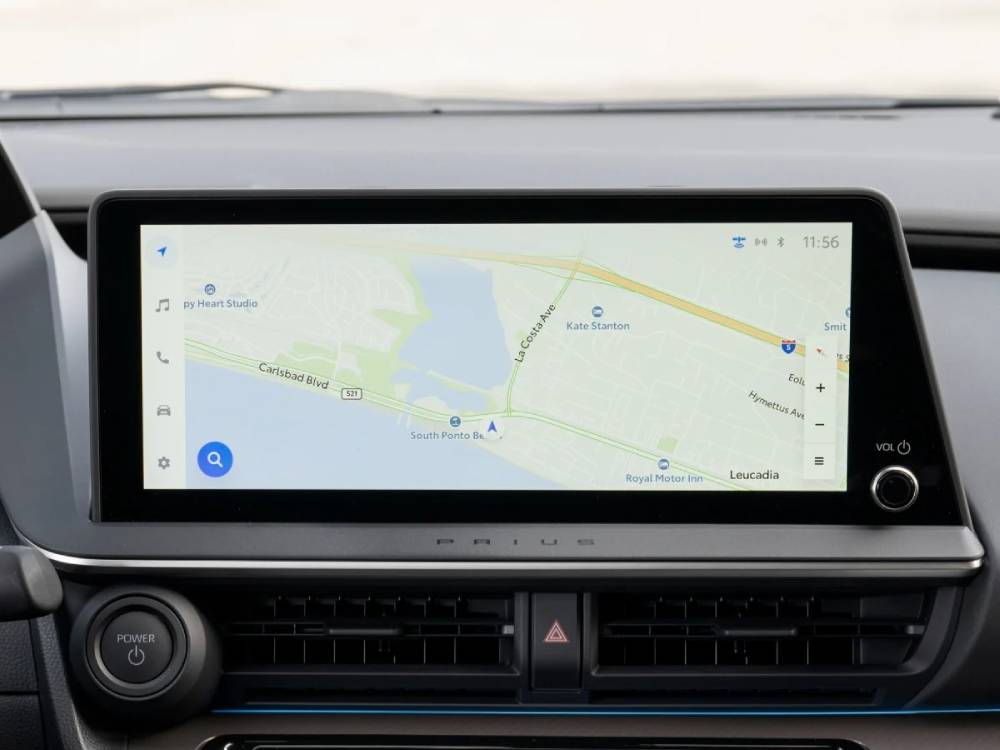
Toyota Drive Connect is a subscription based service that forms part of Toyota’s broader Connected Services ecosystem. Designed to enhance the in vehicle experience, Drive Connect combines cloud powered navigation, intelligent voice assistance, and real time route guidance into a single integrated platform. The service aims to provide drivers with a smarter and more convenient way to navigate without relying entirely on a smartphone.
Unlike traditional built in navigation systems that require periodic map updates, Drive Connect uses cloud based technology to access up to date mapping information and traffic data. This allows the system to provide more accurate route recommendations, current points of interest, and dynamic rerouting when traffic conditions change.
One of the most notable features of Drive Connect is the Intelligent Assistant. Drivers can use natural language voice commands to search for destinations, find nearby services, adjust navigation settings, and access information without taking their hands off the wheel. Rather than memorizing specific commands, users can speak conversationally, creating a more intuitive experience.
Drive Connect is available on many newer Toyota models equipped with the latest Toyota Audio Multimedia system. Depending on the vehicle and region, owners typically receive a complimentary trial period before deciding whether to continue the service through a paid subscription.
For drivers seeking a fully integrated navigation solution that works directly within the vehicle’s infotainment system, Drive Connect represents Toyota’s answer to the growing demand for connected driving technology.
Key Features of Toyota Drive Connect in 2026
The value of Toyota Drive Connect ultimately depends on the features it offers and how frequently drivers use them. In 2026, the platform continues to focus on convenience, connectivity, and real time information.
Cloud Navigation is arguably the service’s most important feature. Instead of relying solely on stored map data, the system accesses cloud based information to deliver updated routes, traffic conditions, and destination details. This helps reduce navigation errors and provides more accurate arrival estimates, particularly in congested urban areas.
Another standout feature is the Intelligent Assistant. Drivers can ask questions using natural speech, such as locating the nearest gas station, finding a coffee shop, or navigating to a specific address. The system processes these requests quickly and provides hands free assistance that enhances both convenience and safety.
Destination Search capabilities have also improved significantly. Because Drive Connect uses cloud data, it can access a larger and more frequently updated database of businesses, attractions, and services than many traditional navigation systems. This increases the likelihood of finding accurate and relevant results.
Real time traffic information plays a major role in route planning. The system continuously monitors traffic conditions and can suggest alternative routes when delays occur. For commuters and frequent travelers, this feature can save valuable time throughout the year.
Together, these features create a connected driving experience that feels modern and responsive, especially for drivers who prefer native vehicle technology over smartphone based alternatives.
How Much Does Toyota Drive Connect Cost in 2026?
Cost is often the deciding factor when evaluating whether Toyota Drive Connect is worth keeping after the free trial expires. While pricing may vary depending on market and vehicle model, most owners eventually face a recurring subscription fee if they want continued access to the service.
Many new Toyota vehicles include a complimentary trial period that allows drivers to experience Drive Connect before making a commitment. Depending on the model, this trial can range from one year to several years. During this period, users have access to the full suite of navigation and voice assistant features.
Once the trial ends, owners must decide whether the benefits justify the ongoing expense. Although the monthly cost may appear relatively small, the total adds up over time. A subscription maintained for several years can represent a significant ownership expense, especially when combined with other automotive subscriptions that have become increasingly common in modern vehicles.
This creates an important value question. If a driver already relies on Apple CarPlay, Android Auto, Google Maps, or Waze, paying for Drive Connect may feel redundant. On the other hand, drivers who appreciate seamless integration, built in navigation, and hands free functionality may find the subscription worthwhile.
When evaluating cost, it is important to consider not only the monthly fee but also the convenience, safety benefits, and overall user experience. The true value of Drive Connect depends less on its price and more on how effectively its features fit into a driver’s daily routine.
Pros of Toyota Drive Connect
Toyota Drive Connect offers several advantages that can make the subscription worthwhile for certain drivers. The biggest benefit is its seamless integration with the vehicle’s infotainment system. Because the service is built directly into Toyota’s multimedia platform, users do not need to connect a smartphone every time they enter the vehicle. Navigation, voice assistance, and route guidance are available immediately after starting the car.
Another significant advantage is the enhanced hands free experience. The Intelligent Assistant allows drivers to interact with the system using natural language commands rather than memorizing specific phrases. Whether searching for a nearby restaurant, locating a fuel station, or requesting directions to a destination, the system enables drivers to keep their focus on the road while accessing important information.
Drive Connect also appeals to drivers who prefer factory integrated technology. Many vehicle owners appreciate having navigation and connected services embedded within the vehicle rather than relying on external devices. This creates a cleaner dashboard environment and reduces dependence on smartphone connectivity.
The cloud based navigation system provides continuously updated information, which helps improve route accuracy and destination searches. Traditional built in navigation systems often become outdated over time, but Drive Connect benefits from real time cloud updates that keep information more current.
For frequent travelers, long distance commuters, and drivers who spend significant time on the road, these advantages can contribute to a more convenient and stress free driving experience. The service may not revolutionize daily driving, but it can add a level of convenience that many users find valuable.
Cons of Toyota Drive Connect
Despite its strengths, Toyota Drive Connect is not without drawbacks. The most common criticism centers on the subscription model itself. Many consumers feel frustrated by the growing number of recurring fees associated with modern vehicles. After purchasing a vehicle, paying an additional monthly fee for navigation services may not appeal to every owner.
Another challenge is the availability of powerful free alternatives. Applications such as Google Maps, Apple Maps, and Waze already provide real time traffic updates, route optimization, destination search, and voice guidance. Since these apps are available at no additional cost, many drivers struggle to justify paying for features that appear similar.
Some users may also find that they rarely utilize the Intelligent Assistant. While voice commands can be convenient, not every driver incorporates them into daily habits. If the assistant is used only occasionally, the perceived value of the subscription decreases significantly.
Connectivity can present another limitation. Because several Drive Connect features rely on cloud based services, performance may vary in areas with poor network coverage. Drivers who frequently travel through remote regions could experience occasional limitations in functionality.
Perhaps the biggest issue is that not every driver needs all of the features included with the service. For individuals who primarily commute along familiar routes and rarely require advanced navigation assistance, the benefits may not outweigh the recurring cost. In these cases, free smartphone navigation apps often provide sufficient functionality.
Toyota Drive Connect vs Apple CarPlay and Android Auto
The most important comparison for many consumers is not between Drive Connect and another paid service. Instead, it is between Drive Connect and the smartphone integration platforms they already use every day. Apple CarPlay and Android Auto have become standard features in modern vehicles, giving drivers access to powerful navigation and communication tools without additional subscription costs.
When it comes to navigation quality, Google Maps and Waze often have a strong advantage because they benefit from enormous user bases and extensive real time traffic data. Apple Maps has also improved considerably in recent years, offering reliable routing and an increasingly polished user experience. For many drivers, these apps deliver everything needed for daily navigation.
Drive Connect’s primary advantage lies in its native integration. The service is designed specifically for Toyota vehicles and operates as part of the infotainment system rather than as a mirrored smartphone application. This can create a smoother experience for drivers who prefer built in functionality and minimal smartphone dependence.
Voice assistance is another area where comparisons become important. Android Auto leverages Google Assistant, while Apple CarPlay utilizes Siri. Both assistants are familiar to millions of users and integrate closely with mobile devices. Toyota’s Intelligent Assistant performs well for navigation related requests, but some users may find Google’s and Apple’s ecosystems more versatile due to their broader capabilities.
Cost remains one of the most significant differentiators. Apple CarPlay and Android Auto generally require no additional subscription fee beyond a compatible smartphone and data plan. Drive Connect, on the other hand, becomes a recurring expense after the trial period ends. As a result, many drivers choose smartphone based solutions unless they place a high value on factory integration and the convenience of Toyota’s native system.
Ultimately, the choice depends on personal preference. Drivers who already use CarPlay or Android Auto extensively may see little reason to pay for Drive Connect. Those who prioritize an integrated Toyota experience may find the subscription more appealing despite the additional cost.
Real World Scenarios: When Toyota Drive Connect Is Worth It
The true value of Toyota Drive Connect becomes clearer when viewed through real world usage scenarios. While some drivers may see little difference between Drive Connect and free navigation apps, others may benefit significantly from the convenience and integration it provides.
Frequent road travelers are among the users most likely to appreciate the service. Long distance driving often involves changing traffic conditions, unfamiliar destinations, and frequent route adjustments. The cloud based navigation system helps provide updated routing information and accurate arrival estimates, making long journeys more predictable and less stressful.
Drivers who regularly travel in unfamiliar cities can also benefit from Drive Connect. Searching for destinations, locating nearby businesses, and receiving turn by turn directions becomes easier when everything is integrated directly into the vehicle. Instead of switching between multiple smartphone applications, users can access navigation and destination information through a single interface.
Another group that may find value in Drive Connect includes drivers who prefer built in vehicle technology. Not everyone enjoys connecting a smartphone every time they enter the vehicle. Some drivers simply want navigation and voice assistance to be available immediately without cables, wireless pairing, or app management. For these individuals, the convenience alone may justify the subscription cost.
Older drivers may also appreciate the simplicity of a factory integrated system. The familiar interface and straightforward voice commands can provide a more comfortable experience compared to learning new smartphone applications and features.
Business travelers who spend several hours per week behind the wheel may view the subscription differently than occasional drivers. When navigation and traffic updates are used daily, even small convenience improvements can add meaningful value over time.
When Toyota Drive Connect Is Probably Not Worth It
Although Drive Connect offers useful features, it is not the ideal solution for every Toyota owner. In many situations, free alternatives provide comparable functionality at no additional cost.
Drivers who already use Apple CarPlay on a daily basis may find little reason to subscribe. Apple Maps continues to improve, and users can easily access navigation, messaging, music, and voice commands through Siri. If CarPlay already meets a driver’s needs, Drive Connect may simply duplicate existing capabilities.
The same applies to Android Auto users. Google Maps and Waze are widely considered among the most powerful navigation tools available today. Real time traffic information, crowd sourced incident reporting, and extensive destination databases make these applications difficult to beat. Many Android users are already deeply invested in Google’s ecosystem, reducing the need for a separate navigation subscription.
Budget conscious owners may also struggle to justify the ongoing expense. While the monthly fee may seem relatively small, recurring subscriptions can accumulate quickly over the life of a vehicle. For drivers focused on minimizing ownership costs, free navigation solutions often represent a more practical choice.
Drivers who primarily commute along familiar routes are another group that may not gain substantial value from Drive Connect. If daily travel involves the same roads and destinations, advanced navigation features are rarely needed. In these cases, the subscription may go largely unused after the initial novelty wears off.
Occasional drivers who spend limited time on the road may reach a similar conclusion. Paying for features that are only used a few times each month rarely delivers strong value, especially when free alternatives remain readily available.
Customer Feedback and Common Complaints
Customer opinions regarding Toyota Drive Connect are generally mixed, reflecting the different priorities and expectations of vehicle owners. Some users praise the service for its convenience and seamless integration, while others question whether the benefits justify the recurring subscription fee.
Positive feedback often centers on the ease of use. Many owners appreciate having navigation available directly within the vehicle without depending entirely on a smartphone. The Intelligent Assistant also receives favorable comments from users who value hands free operation and voice controlled destination searches. Drivers who frequently travel to unfamiliar locations often report that the cloud based navigation system performs reliably and provides useful route guidance.
Another commonly cited advantage is the overall integration with Toyota’s multimedia system. Users who prefer a factory installed experience often describe the interface as intuitive and well suited to everyday driving. For these customers, the convenience of having all major navigation functions built into the vehicle contributes to a more polished ownership experience.
On the other hand, subscription pricing remains the most frequent complaint. Many owners feel that navigation services should be included with the vehicle rather than offered as an ongoing paid feature. This perception becomes even stronger when free alternatives such as Google Maps, Waze, and Apple Maps continue to improve each year.
Some users also report that they eventually stopped using Drive Connect after discovering that smartphone based navigation met most of their needs. In these cases, the subscription provided limited additional value beyond what was already available through Apple CarPlay or Android Auto.
Overall sentiment suggests that Drive Connect is appreciated most by drivers who actively use its features and prefer integrated vehicle technology. Those who rely heavily on smartphone apps are generally less enthusiastic about maintaining a paid subscription after the trial period expires.
Final Verdict: Is Toyota Drive Connect Worth It in 2026?
After examining its features, pricing, strengths, and limitations, the answer to whether Toyota Drive Connect is worth it in 2026 depends largely on how you use your vehicle and what level of convenience you expect from your technology.
For drivers who frequently travel long distances, navigate unfamiliar areas, or prefer a fully integrated in vehicle experience, Drive Connect can be a worthwhile investment. The combination of cloud based navigation, real time traffic information, destination search capabilities, and voice activated assistance delivers a modern driving experience that requires minimal interaction with a smartphone. The convenience of having these features built directly into the vehicle may justify the subscription cost for many users.
However, not every Toyota owner will see the same value. Drivers who already rely on Apple CarPlay or Android Auto may find that Google Maps, Waze, or Apple Maps provide nearly everything they need without an additional monthly fee. In these situations, Drive Connect can feel more like a luxury convenience than a necessity.
The key question is not whether Drive Connect is good. The service is capable, easy to use, and well integrated into Toyota’s multimedia ecosystem. The real question is whether its benefits are meaningful enough to improve your daily driving experience.
If you regularly use navigation, appreciate hands free functionality, and prefer native vehicle technology, Toyota Drive Connect is likely worth considering. If your smartphone already handles navigation effectively and you are focused on reducing ownership costs, skipping the subscription may be the more practical choice.
Ultimately, Toyota Drive Connect is best viewed as a convenience upgrade rather than an essential service. For the right driver, it offers genuine value. For others, free alternatives may remain the smarter option.
Frequently Asked Questions
Is Toyota Drive Connect free?
Toyota Drive Connect is not permanently free. Most eligible Toyota models include a complimentary trial period, after which a paid subscription is required to continue using the service.
What happens when the free trial expires?
When the trial period ends, access to Drive Connect features such as cloud navigation and Intelligent Assistant may be discontinued unless the owner activates a paid subscription.
Does Toyota Drive Connect work without a smartphone?
Yes. One of the primary advantages of Drive Connect is that it provides built in navigation and voice assistance through the vehicle’s multimedia system. This reduces dependence on smartphone based navigation solutions.
Is Toyota Drive Connect better than Google Maps?
The answer depends on user preference. Google Maps generally offers excellent traffic data, route optimization, and widespread familiarity. Drive Connect provides deeper integration with Toyota’s infotainment system and a more seamless native vehicle experience.
Is Toyota Drive Connect worth it for everyday commuting?
For drivers who follow the same routes every day, the value may be limited. Those who frequently encounter traffic changes, travel to new locations, or use voice assisted navigation regularly are more likely to benefit from the subscription.
Can I cancel Toyota Drive Connect at any time?
Subscription management options vary by region and service plan. Owners should review the terms and conditions associated with their Toyota Connected Services account for specific cancellation policies.
Conclusion
As connected vehicle technology continues to evolve, services like Toyota Drive Connect are becoming an increasingly important part of the ownership experience. The platform delivers a range of useful features, including cloud based navigation, real time traffic updates, intelligent voice assistance, and seamless integration with Toyota’s multimedia system.
For many drivers, especially those who travel frequently or prefer built in vehicle technology, these features can enhance convenience and simplify daily driving. The ability to access navigation and destination information without relying entirely on a smartphone is a benefit that some users will genuinely appreciate.
At the same time, the growing popularity of Apple CarPlay, Android Auto, Google Maps, and Waze means that drivers now have access to powerful alternatives that often come at no additional cost. This reality makes the decision more personal than ever.
So, is Toyota Drive Connect worth it in 2026? The answer depends on your habits, preferences, and budget. If you value seamless integration and regularly use advanced navigation features, the subscription may provide meaningful benefits. If you are already satisfied with smartphone based navigation, you may find that free solutions offer a better overall value.
Before renewing your subscription, consider how often you use the service and whether its convenience truly improves your driving experience. Making that assessment will help determine whether Toyota Drive Connect deserves a place in your long term ownership costs.