When people consider buying a luxury vehicle, one of the most important questions is not only about performance or comfort, but also about long term financial value. A common concern among buyers is whether premium brands can maintain their price after a few years of ownership. This is where the question “Do Volvo Hold Their Value?” becomes highly relevant in 2026, especially as the used car market continues to shift due to changing demand, electrification, and evolving consumer preferences.
Volvo has built a strong global reputation for safety, minimalist design, and long term reliability. However, unlike some German luxury brands that are often associated with prestige and aggressive performance positioning, Volvo sits in a slightly different category that blends practicality with premium comfort. This positioning naturally raises questions about how well these vehicles perform in resale markets compared to competitors.
For many buyers, depreciation is not just a financial detail but a deciding factor. A vehicle that loses value too quickly can significantly increase total ownership cost, while a stable resale value can make a premium car feel like a smarter investment over time. In this analysis, we will break down how Volvo performs in real world resale scenarios, what factors influence its depreciation, and how it compares against major competitors in the luxury segment in 2026.
By the end of this article, you will have a clear understanding of whether Volvo holds its value in a meaningful way and whether it is a strong choice for long term ownership decisions.
Do Volvo Hold Their Value in 2026
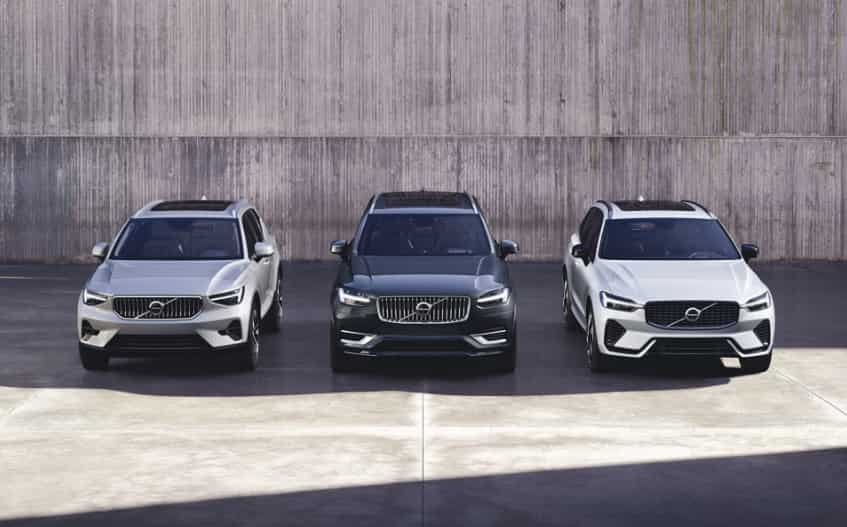
Volvo holds its value at a moderate level in 2026. It does not lead the luxury segment, but it performs better than many mainstream brands. Most Volvo models show stable depreciation patterns. They avoid extreme value drops, but they also do not reach top resale rankings.
The position of Volvo in the market explains this result. Volvo builds its brand around safety, comfort, and Scandinavian design. It does not focus on performance image or status appeal. This strategy attracts practical buyers, especially families. However, it limits resale excitement compared to brands like BMW or Mercedes-Benz.
Market demand also plays a key role. Buyers trust Volvo for safety and durability. This trust creates steady demand in the used car market. However, Volvo does not generate strong emotional bidding pressure. As a result, prices stay stable instead of rising sharply.
Volvo also shows a predictable depreciation curve. Owners usually see gradual value loss over time. This makes Volvo easier to forecast compared to more volatile luxury brands.
Overall, Volvo delivers stable resale value in 2026. It suits buyers who prefer long term reliability over short term resale gains.
Volvo Depreciation Rate Explained
Volvo experiences a moderate depreciation rate in 2026. Most models lose around 45% to 55% of their value after five years. The exact number depends on model type, mileage, and condition. SUVs tend to perform better than sedans in the used market.
The depreciation pattern of Volvo stays relatively stable compared to many luxury competitors. The brand does not suffer from sudden value crashes. Instead, it follows a gradual and predictable decline. This helps owners estimate long term costs more accurately.
Several factors drive this depreciation. The first factor is technology cycles. Volvo updates its features and software regularly, which can make older models feel less current. The second factor is competition in the luxury segment. Brands like BMW and Mercedes-Benz often create stronger resale demand in certain trims due to performance branding and market perception.
Maintenance cost also influences depreciation. Volvo maintenance stays reasonable in many regions, but it can rise for older models with advanced safety systems. Buyers in the used market factor this into pricing decisions.
Despite these pressures, Volvo maintains a balanced depreciation curve. It avoids extreme drops and keeps consistent demand among family oriented and safety focused buyers. This makes Volvo a stable option for long term ownership rather than a high risk resale asset.
Why Volvo Holds Value Better Than Expected
Volvo performs better in resale markets than many buyers expect. The brand builds value stability through consistent demand and strong reputation. It does not rely on hype or short term trends. Instead, it focuses on long term trust and practical ownership experience.
The strongest advantage of Volvo comes from its safety identity. Buyers often associate Volvo with high safety standards and strong crash protection. This reputation stays consistent across global markets. It creates steady demand in the used car segment, especially for families and long term users.
Another key factor is build quality. Volvo vehicles use durable materials and maintain a solid driving experience over time. This reduces the perception of “wear and tear” in older models. As a result, used Volvo cars often remain attractive even after several years of ownership.
SUV popularity also supports resale value. Models like XC series benefit from strong global SUV demand. Buyers prefer practical luxury SUVs over sedans in many markets. This shift helps Volvo maintain stable pricing in the second hand market.
Compared to BMW and Mercedes-Benz, Volvo does not always win on brand prestige. However, it wins on consistency. It avoids sharp value drops and maintains predictable pricing patterns.
Overall, Volvo holds value better than many expect because it combines safety reputation, durability, and steady market demand into a stable ownership profile.
Volvo Model by Model Resale Value Breakdown
Not all Volvo models perform the same in the resale market. Each model has a different demand level, pricing stability, and depreciation pattern. In 2026, SUVs clearly outperform sedans in value retention across the Volvo lineup.
The strongest performer is the Volvo XC90. This model maintains high demand in the used luxury SUV segment. Buyers prefer it for its space, safety features, and premium comfort. It also appeals to family buyers who prioritize long term usability. Because of this, the XC90 usually holds value better than most other Volvo models.
The Volvo XC60 also shows strong resale stability. It sits in the sweet spot of size, price, and practicality. Many global markets show consistent demand for this model. It does not drop in value as sharply as larger sedans, and it benefits from being one of the most popular Volvo vehicles worldwide.
The Volvo S60 and S90 perform differently. These sedan models face weaker demand in the used car market. Many buyers now prefer SUVs over sedans, especially in the luxury segment. As a result, these models experience faster depreciation compared to XC series vehicles.
Overall, model selection plays a major role in resale value. Buyers who choose Volvo SUVs usually experience stronger value retention than those who choose sedans. This pattern stays consistent across most global markets in 2026.
Volvo vs BMW vs Mercedes Resale Comparison
Volvo holds a stable position in the luxury resale market, but it competes in a highly competitive segment. To understand its value retention, it is important to compare it with major German brands that dominate global luxury sales.
Volvo delivers consistent depreciation patterns. It avoids extreme price drops and keeps steady demand in the used market. However, it does not usually achieve the strongest resale prices in the luxury category.
BMW often shows stronger resale performance in sporty and performance focused models. Some BMW vehicles maintain higher demand due to driving experience and brand enthusiasm. At the same time, BMW can also experience sharper depreciation in less popular trims.
Mercedes-Benz typically holds strong brand prestige in the luxury segment. Many buyers value its premium image and comfort features. However, higher maintenance costs and complex technology systems can reduce long term resale efficiency in some cases.
Volvo sits between these two competitors. It does not win in performance image or luxury prestige, but it also avoids the volatility seen in more aggressive brands. Its resale behavior remains more predictable and stable over time.
In summary, Volvo focuses on balance while BMW and Mercedes often compete on emotional appeal and prestige. This difference explains why Volvo maintains steady value but rarely leads the luxury resale rankings.
Factors That Affect Volvo Resale Value
Several key factors determine how well a Volvo retains its value in the used car market. These factors work together and directly influence pricing, demand, and depreciation speed.
The first factor is mileage. Lower mileage vehicles always attract higher resale prices. High mileage reduces buyer confidence and increases expected maintenance costs. This applies strongly to all models from Volvo.
The second factor is service history. A complete and transparent maintenance record improves resale value significantly. Buyers trust vehicles that follow regular servicing schedules. Missing records often reduce negotiation power and lower final selling price.
The third factor is model and trim selection. Popular models such as SUVs perform better than sedans. Higher trim levels with better features also attract stronger demand. However, overly complex configurations do not always guarantee higher resale value.
The fourth factor is engine type. Hybrid and efficient powertrains gain more interest in 2026 due to fuel efficiency trends. Traditional petrol engines still sell well, but demand shifts toward lower emission options in many markets.
The fifth factor is market demand in specific regions. Some markets value Volvo’s safety reputation more strongly than others. This creates variation in resale prices across countries.
Compared to competitors like BMW and Mercedes-Benz, Volvo remains more stable but less influenced by luxury branding spikes. Its resale value depends more on condition and practicality than emotional brand demand.
Is Volvo a Good Long Term Investment
Volvo is not a vehicle that grows in value over time, but it performs well as a stable long term ownership choice. In 2026, most buyers do not treat cars as financial investments in the traditional sense. Instead, they focus on total cost of ownership, reliability, and predictable resale value.
Volvo fits this profile well. The brand delivers steady depreciation instead of unpredictable value swings. This helps owners plan their finances more accurately over a 5 to 8 year ownership cycle.
Volvo also performs well in practical ownership benefits. It offers strong safety systems, comfortable driving experience, and solid build quality. These factors reduce long term ownership stress. Buyers often feel more confident keeping the vehicle longer, which indirectly supports resale stability.
However, Volvo is not the strongest option for buyers who prioritize maximum resale return. Brands like BMW or Mercedes-Benz can sometimes offer higher resale peaks depending on model and market demand. Volvo focuses more on consistency than peak value.
In summary, Volvo works best as a long term stable asset rather than a profit driven purchase. It protects value at a reasonable level and avoids extreme depreciation risks. This makes it suitable for buyers who prioritize reliability and predictable ownership cost over resale speculation.
Common Mistakes That Reduce Volvo Resale Value
Many owners lose resale value on Volvo vehicles not because of the brand itself, but because of avoidable ownership mistakes. These mistakes directly impact pricing, buyer trust, and market demand in the used car segment.
The most common mistake is poor maintenance documentation. When service records are missing or incomplete, buyers immediately lower their offers. They assume higher future repair risks. This reduces the perceived value of vehicles from Volvo even if the car is in good condition.
Another frequent issue is excessive mileage accumulation. High mileage signals heavy usage and increases concerns about long term reliability. Even well maintained vehicles lose value faster when mileage is significantly above market average.
Modification is another factor that affects resale value. Non standard upgrades, especially cosmetic or performance modifications, often reduce buyer interest. Most used car buyers prefer original factory condition for reliability and insurance reasons.
Neglecting interior and exterior condition also plays a major role. Small damages, worn interiors, or poor cleaning habits can create a negative first impression. This reduces negotiation power even if mechanical condition is strong.
Compared to brands like BMW and Mercedes-Benz, Volvo buyers tend to focus more on condition and practicality rather than prestige. This makes presentation and maintenance even more important in preserving resale value.
Conclusion
Volvo holds its value at a stable and predictable level in 2026. It does not lead the luxury market in resale performance, but it also avoids severe depreciation risks that affect some competitors. This balance makes Volvo a practical choice for long term ownership.
Across most models, Volvo shows gradual value loss instead of sharp drops. SUVs like the XC series maintain stronger resale performance due to higher global demand. Sedans experience faster depreciation because the market now prefers SUVs in the luxury segment.
When compared with BMW and Mercedes-Benz, Volvo focuses more on consistency than peak resale value. German competitors can sometimes achieve higher resale prices in specific models, but they also show more variability depending on trim, maintenance cost, and market perception.
The key takeaway is simple. Volvo is not a high return investment vehicle, but it is a low risk ownership option. It offers stable depreciation, strong safety reputation, and reliable long term usability. This makes it suitable for buyers who prioritize predictable costs and long term comfort rather than short term resale gains.
In the end, Volvo performs best as a long term ownership brand rather than a speculative asset. Buyers who understand this positioning will find it aligns well with real world driving needs and financial planning.