The air conditioning system in a Volvo is built to control cabin temperature with high precision. It uses an HVAC system that manages airflow, cooling, and humidity. When the AC stops working, drivers often feel uncomfortable quickly, especially in hot weather or traffic conditions.
Many drivers notice early signs before a full failure. The most common symptoms include warm air from vents, weak airflow, or uneven cooling. In some cases, the system works normally for a short time and then stops cooling again. These signs usually point to deeper issues inside the system.
Volvo air conditioning problems rarely come from a single cause. The system depends on several parts working together. These include the compressor, refrigerant gas, sensors, and electronic climate control module. If one part fails, the entire cooling system can lose efficiency.
This guide explains the main reasons why your Volvo air conditioning is not working. It also shows how each part of the system affects cooling performance. You will learn how to identify the issue step by step. This helps you decide whether you can fix it yourself or need professional repair.
The goal is to give you a clear troubleshooting path. This can help you save time, reduce repair costs, and avoid unnecessary guesswork.
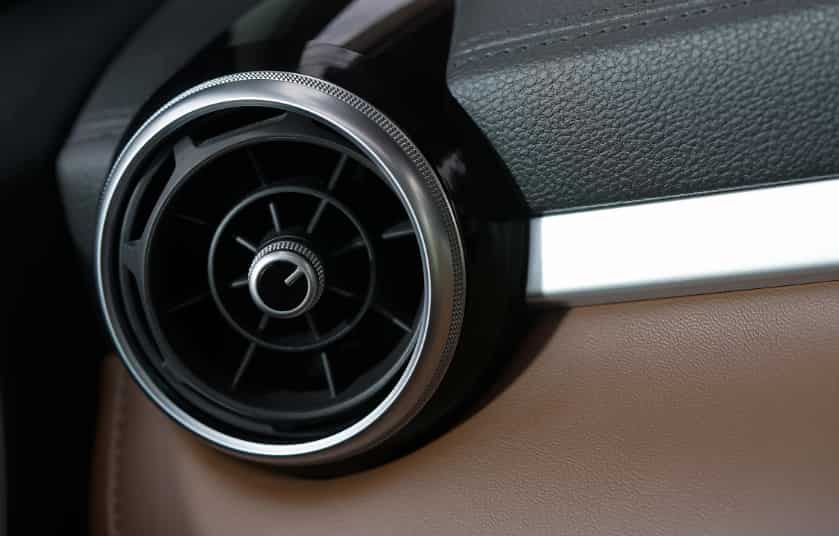
How Volvo Air Conditioning System Works
The air conditioning system in a Volvo works through a closed HVAC cycle. It controls temperature by moving refrigerant through several key components. Each part plays a specific role in cooling the cabin air.
The process starts with the compressor. The compressor pressurizes the refrigerant and pushes it through the system. This step increases the temperature and pressure of the gas so it can release heat later in the cycle.
Next, the refrigerant moves to the condenser. The condenser cools the hot gas and turns it into a high pressure liquid. Airflow from outside helps remove heat from the system at this stage.
After that, the refrigerant passes through the expansion valve. This valve reduces pressure and lowers the temperature of the liquid. It prepares the refrigerant for the cooling phase inside the cabin.
The refrigerant then enters the evaporator. Inside the evaporator, the refrigerant absorbs heat from the cabin air. This process creates cold air that is blown into the vehicle interior by the blower motor.
The climate control system manages this entire process automatically. It uses sensors inside the cabin to measure temperature and adjust cooling output. If any part of this system fails, the overall cooling performance drops quickly.
Main Symptoms of Volvo Air Conditioning Not Working
When the air conditioning system in a Volvo starts to fail, it usually shows clear warning signs. These symptoms often appear before the system stops working completely.
The most common symptom is warm air coming from the vents. This usually means the system cannot complete the cooling cycle properly. In many cases, the refrigerant level is low or the compressor is not working correctly.
Another frequent issue is weak airflow inside the cabin. The air may feel light even when the fan is set to high speed. This can point to a clogged cabin air filter or a failing blower motor.
Some drivers also notice inconsistent cooling. The system may cool the air for a short time and then switch back to warm air. This often indicates sensor issues or unstable compressor performance.
Unusual noises can also signal a problem. Clicking, rattling, or humming sounds from the dashboard or engine bay may indicate mechanical stress inside the HVAC system.
A bad smell from the vents is another warning sign. This usually comes from moisture buildup or mold inside the evaporator core.
These symptoms help narrow down the root cause of the issue. Identifying them early can prevent more serious damage to the air conditioning system.
Low Refrigerant or Gas Leak Issues
One of the most common reasons the air conditioning system in a Volvo stops cooling is low refrigerant. The system depends on the correct gas level to transfer heat effectively. When refrigerant drops below the required level, the cooling cycle becomes weak or fails completely.
Low refrigerant usually happens due to a leak in the system. Small cracks in hoses, seals, or connectors can slowly release gas over time. This process is often gradual, so drivers may not notice the issue right away.
A typical sign of low refrigerant is air that feels slightly cool at first and then turns warm. The AC may also take longer to cool the cabin. In some cases, the system may stop cooling when the engine is idle but work slightly better while driving.
Another sign is visible oil residue around AC components. Refrigerant leaks often carry small amounts of compressor oil, which can leave traces near connection points. This helps technicians locate the source of the leak.
Low refrigerant also puts extra stress on the compressor. When the gas level is too low, the compressor works harder than normal. Over time, this can lead to internal damage and expensive repairs.
To restore proper performance, the system must be checked for leaks first. Simply refilling refrigerant without fixing the leak will not solve the problem long term.
Compressor Failure in Volvo AC System
The compressor is one of the most critical components in the air conditioning system of a Volvo. It is responsible for pressurizing and circulating refrigerant through the entire HVAC cycle. When the compressor fails, the system loses its ability to cool the cabin effectively.
A failing compressor often shows early warning signs. One common symptom is a loud clicking or grinding noise when the AC is turned on. This usually indicates internal mechanical wear or a failing clutch mechanism. In some cases, the compressor may not engage at all, which means no refrigerant is being circulated.
Another sign is inconsistent cooling performance. The air may feel cold at times but quickly turn warm again. This happens when the compressor struggles to maintain stable pressure in the system. Drivers may also notice reduced cooling efficiency even when the AC is set to maximum.
Compressor failure can be caused by several factors. Low refrigerant levels can lead to poor lubrication inside the system. Electrical faults can also prevent the compressor from engaging properly. Over time, normal wear and tear can damage internal components, especially in high mileage vehicles.
When the compressor is damaged, the entire HVAC system is affected. Even if other parts are working correctly, the cooling performance will remain weak or completely fail. In most cases, compressor replacement or professional repair is required to restore full functionality.
Early diagnosis is important because continued operation with a failing compressor can lead to further damage in the air conditioning system.
Electrical and Fuse Problems
Electrical faults are another common reason the air conditioning system in a Volvo stops working. The HVAC system depends on stable electrical signals to control the compressor, blower motor, and climate control module. When power delivery is interrupted, the entire cooling system can fail.
A blown fuse is one of the simplest causes. The AC system uses dedicated fuses to protect key components. If a fuse burns out, the compressor or blower motor may stop working immediately. In many cases, the system will not respond at all when the AC is turned on.
Relay failure is another frequent issue. The AC relay controls power flow to the compressor. When the relay becomes weak or stuck, the compressor may not activate consistently. This leads to intermittent cooling or complete loss of function.
Sensor problems can also affect system performance. The climate control system relies on temperature and pressure sensors to adjust cooling output. If these sensors send incorrect data, the system may shut down or operate in a limited mode.
Wiring issues are less common but more complex. Damaged wires or loose connectors can interrupt communication between HVAC components. This often causes unpredictable behavior such as random shutdowns or fluctuating airflow.
In some cases, the climate control module itself may fail. When this happens, the system cannot process inputs correctly, and the AC may stop responding entirely. Professional diagnostics are usually required to identify the exact electrical fault.
Clogged Cabin Air Filter and Airflow Issues
Airflow problems are a frequent reason the air conditioning system in a Volvo feels weak or ineffective. Even when the system produces cold air, restricted airflow can make the cabin feel warm and uncomfortable.
The cabin air filter is one of the first components to check. This filter traps dust, pollen, and debris before air enters the cabin. Over time, it becomes clogged and reduces airflow significantly. When this happens, the AC system may still work, but the air coming through the vents feels weak.
A dirty filter can also put extra pressure on the blower motor. The motor must work harder to push air through the blocked filter. This can reduce performance and shorten the lifespan of the blower system.
Another possible issue is a failing blower motor. When the motor weakens, it cannot generate enough airflow even if the filter is clean. Drivers often notice low airflow across all fan settings, including high speed.
Blocked air ducts can also reduce performance. Leaves, dust, or internal debris may restrict airflow inside the HVAC channels. This creates uneven cooling across different vents in the cabin.
In some cases, airflow issues are mistaken for cooling failure. The system may still produce cold air, but the restricted airflow prevents it from circulating properly inside the vehicle. Checking airflow components is an important step before assuming a major system failure.
Climate Control System Malfunctions
The climate control system in a Volvo manages temperature, airflow, and comfort settings automatically. It relies on sensors, software, and electronic control units to maintain stable cabin conditions. When this system malfunctions, the air conditioning may behave unpredictably or stop working completely.
One common issue is incorrect temperature regulation. The system may blow cold air when heating is selected or switch between hot and cold air without user input. This usually points to faulty temperature sensors or incorrect calibration.
Another problem is software or control module failure. The climate control module processes all user inputs and sensor data. If it develops a fault, the system may freeze, ignore commands, or reset unexpectedly during driving.
Sensor malfunction is also a key factor. Cabin temperature sensors and sunload sensors help the system adjust cooling output. When these sensors send incorrect readings, the system may reduce cooling performance or shut down certain functions.
In some cases, the automatic climate control may enter a protective mode. This happens when the system detects inconsistent data or potential hardware issues. In this mode, cooling performance is limited to prevent further damage.
Electrical communication errors between modules can also affect performance. The HVAC system depends on continuous data exchange. Any interruption can lead to unstable or non-responsive air conditioning behavior.
These issues usually require diagnostic tools to identify accurately. Because the system is electronically controlled, visual inspection alone is often not enough.
Quick DIY Fixes Before Going to Workshop
When the air conditioning system in a Volvo stops working, there are a few simple checks you can do before visiting a workshop. These steps can help you identify basic issues and sometimes restore cooling performance without professional repair.
Start by checking the AC settings inside the cabin. Make sure the system is set to cooling mode and the temperature is adjusted to a lower level. It may sound simple, but incorrect settings can sometimes be the reason for weak or warm airflow.
Next, inspect the cabin air filter. A clogged filter can significantly reduce airflow and make the AC feel like it is not working. If the filter looks dirty, replacing it can immediately improve air circulation and cooling efficiency.
You should also check the AC fuse. A blown fuse can stop the compressor or blower motor from functioning. The fuse box layout is usually listed in the vehicle manual, making it easier to locate and inspect.
Another useful step is resetting the climate control system. In some cases, electronic glitches can cause the system to behave incorrectly. Turning the system off, restarting the vehicle, or performing a basic reset can help restore normal operation.
It is also helpful to listen for unusual sounds when the AC is turned on. If you hear no sound at all, the issue may be electrical. If you hear strange noises, it may indicate a mechanical problem that requires further inspection.
These quick checks will not fix major failures, but they can help you rule out simple causes before spending money on repairs.
When to Visit a Professional Volvo Workshop
If the air conditioning system in a Volvo still does not work after basic checks, it is time to seek professional diagnosis. Some problems are too complex to fix without specialized tools and technical knowledge.
You should visit a workshop when the compressor shows signs of failure. If there is loud noise, no engagement, or complete loss of cooling, the compressor may need repair or replacement. This is not a part that can usually be fixed with simple DIY steps.
A professional inspection is also necessary when there is a suspected refrigerant leak. Small leaks are hard to detect without pressure testing equipment. Technicians can identify the exact location and repair the system properly before refilling gas.
Electrical faults are another reason to go to a workshop. If fuses, relays, or wiring issues continue after replacement, the problem may be deeper in the climate control module or HVAC control system. These require advanced diagnostic tools.
You should also seek help if the AC system behaves unpredictably. This includes random switching between hot and cold air, system resets, or complete loss of response. These symptoms often indicate sensor or module failures.
In modern Volvo vehicles, the HVAC system is highly integrated with electronic control units. Because of this, accurate troubleshooting often depends on computer diagnostics rather than visual inspection alone.
Getting professional support early can prevent further damage and reduce long term repair costs.
Conclusion
When the air conditioning system in a Volvo stops working, the cause is often linked to one or more components within the HVAC system. It can come from low refrigerant levels, compressor failure, electrical faults, airflow restrictions, or climate control malfunctions. Each issue affects cooling performance in a different way, but all of them lead to the same result, uncomfortable driving conditions and reduced cabin comfort.
Understanding these symptoms helps you identify the problem early. Simple issues like a clogged cabin air filter or a blown fuse can sometimes be fixed quickly. More complex problems such as compressor damage, refrigerant leaks, or sensor failures require proper diagnosis and professional repair. Ignoring early warning signs can lead to more serious damage and higher repair costs over time.
The key to maintaining a reliable Volvo air conditioning system is early detection and proper maintenance. Regular inspection of the HVAC system, timely filter replacement, and checking refrigerant levels can significantly reduce the risk of failure. When problems become persistent or unclear, professional support is the safest option.
If your Volvo air conditioning is not working properly, do not wait until the system completely fails. Take action early, diagnose the symptoms, and get expert help when needed. A well-functioning AC system is essential not only for comfort but also for safe and focused driving in all weather conditions.