The air conditioning system in a luxury SUV does more than provide comfort. It shapes the driving experience and affects how enjoyable every trip feels. In a vehicle like the Volvo XC90, stable cooling performance plays an important role in cabin quality and overall satisfaction.
Over time, the AC system can lose efficiency. Refrigerant levels may drop, small leaks can appear, or components may wear down. When this happens, the cooling becomes weaker, even if the system still runs normally. Drivers often notice that the cabin no longer feels as cold as it used to.
For owners of the Volvo XC90, it is important to act early. A simple air conditioning recharge can often restore full cooling performance. If you delay service, the issue can spread and damage key parts like the compressor or condenser.
This guide explains everything about Volvo XC90 air conditioning recharge. You will learn how the process works, how much it costs, what problems usually appear, and how to maintain the system for long term performance. The goal is to help you make clear decisions, avoid unnecessary repair costs, and keep your AC system working efficiently in all conditions.
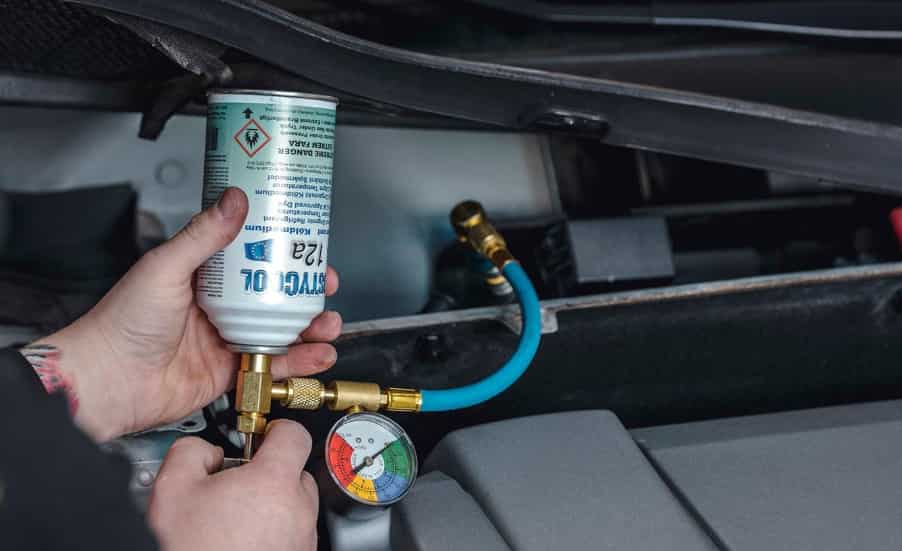
What Is Volvo XC90 Air Conditioning Recharge?
An air conditioning recharge is the process of restoring refrigerant inside the AC system. The refrigerant helps the system produce cold air and maintain stable cabin temperature. Without enough refrigerant, the system cannot cool the air effectively.
In the Volvo XC90, the AC system uses a closed loop design. This means the refrigerant circulates continuously between key components such as the compressor, condenser, and evaporator. Over time, small leaks or natural loss can reduce the refrigerant level. When this happens, the system loses cooling efficiency.
The compressor plays a key role in this process. It compresses the refrigerant and moves it through the system. The condenser then cools it down before it reaches the evaporator. The evaporator helps turn warm air from the cabin into cold air. When refrigerant levels drop, this cycle becomes weaker and less effective.
A recharge restores the correct refrigerant level. It also helps the system return to normal pressure and stable performance. In many cases, this simple service can improve cooling quickly without replacing major components. However, if a leak exists, the system will lose refrigerant again after a short time.
Understanding this process helps you identify whether your AC problem is minor or part of a larger issue. It also helps you avoid unnecessary repairs and focus on the real cause of cooling loss.
Common Signs Your Volvo XC90 Needs an AC Recharge
A low refrigerant level often shows clear symptoms before the air conditioning system stops working completely. Recognizing these signs early helps prevent larger and more expensive repairs.
One of the first signs is weak cooling. The air coming from the vents feels less cold even when you set the temperature to the lowest level. This usually happens when the refrigerant level drops and the system cannot absorb heat effectively.
Another common symptom is inconsistent cooling. The system may blow cold air at times, but then suddenly switch to warm air without changing any settings. This often indicates unstable pressure inside the system.
Many drivers also notice reduced airflow strength. The fan may still run normally, but the air does not feel as strong or as cold as before. This issue often appears when the system struggles to maintain proper circulation.
Unusual noise from the AC compressor can also signal a problem. The compressor may make clicking or humming sounds when refrigerant levels are too low. This happens because the system is under extra stress.
In some cases, you may notice a mild odor inside the cabin. This can occur when moisture builds up due to poor cooling performance. It may also indicate contamination in the system.
For owners of the Volvo XC90, these symptoms should not be ignored. Early diagnosis can prevent damage to key components such as the compressor and condenser. A simple recharge may solve the issue if it is caught early, but delays can lead to more serious system failures.
Volvo XC90 Air Conditioning Recharge Cost Breakdown
The cost of an air conditioning recharge for a luxury SUV depends on several technical and service factors. The price can vary based on the condition of the system, the type of refrigerant used, and the service provider.
For the Volvo XC90, a standard AC recharge at an independent workshop usually costs less than at an authorized dealership. Dealership services often include higher labor rates and diagnostic fees, which increase the total cost.
One major factor that affects price is the type of refrigerant. Some models use newer refrigerants that cost more to handle and refill. If your system requires additional diagnostic steps, such as leak detection or pressure testing, the cost will increase further.
Another important factor is system condition. If the AC system only needs a simple recharge, the cost stays relatively low. However, if the system has a leak or a failing component, such as the compressor, the repair cost can rise significantly.
Labor cost also plays a role. Some workshops charge a flat fee for recharge service, while others calculate based on time and equipment used. In cases where evacuation and vacuum procedures are required, the price becomes higher due to additional technical steps.
In general, a simple recharge is affordable compared to major AC repairs. However, repeated low refrigerant issues often indicate an underlying leak. Fixing the root cause early can help avoid much higher repair expenses in the future.
Understanding these cost factors helps you make a smarter decision. You can choose between a basic recharge or a full diagnostic service depending on the symptoms and condition of your AC system.
Step-by-Step Volvo XC90 AC Recharge Process
The air conditioning recharge process follows a structured sequence. Each step ensures the system works safely and restores cooling performance to the correct level.
For the Volvo XC90, technicians usually start with a full system inspection. They check visible components such as hoses, valves, and the compressor. This step helps identify obvious leaks or damage before any refrigerant is added.
The next step is pressure testing. The technician connects a gauge to measure the current pressure inside the system. Low pressure often confirms that refrigerant has leaked or dropped below the required level.
After that, the system goes through a vacuum process. A vacuum pump removes air and moisture from the AC system. This step is important because air or moisture can reduce cooling efficiency and damage internal components over time.
Once the system is clean and sealed, the technician begins the refrigerant refill process. The correct type and amount of refrigerant are added based on manufacturer specifications. This ensures the system reaches stable operating pressure again.
After the recharge, the system is tested again. The technician checks cooling performance, airflow temperature, and pressure stability. This final step confirms that the system is working correctly and no immediate leaks are present.
A proper recharge process does more than restore cold air. It also protects the system from long term damage and helps maintain consistent performance in different driving conditions.
DIY vs Professional AC Recharge Service
Choosing between a DIY air conditioning recharge and a professional service depends on your experience, tools, and the condition of the system.
DIY kits are widely available and seem convenient. They allow you to add refrigerant at home without visiting a workshop. This option may look cheaper at first. However, it carries several risks, especially for a complex system like the one in the Volvo XC90.
One major issue with DIY recharge is accuracy. It is difficult to measure the exact refrigerant level without professional tools. Overcharging or undercharging the system can reduce cooling performance or even damage the compressor.
Another risk is misdiagnosis. A weak AC system is not always caused by low refrigerant. It can also come from leaks, sensor faults, or compressor issues. A DIY kit does not detect these problems.
Professional service offers a more reliable approach. Technicians use diagnostic tools to measure pressure, detect leaks, and identify hidden issues. They also follow manufacturer specifications for refrigerant type and quantity.
Professional workshops also perform vacuum and leak testing before recharging the system. This helps ensure long term stability and reduces the chance of refrigerant loss after service.
In most cases, professional recharge is the safer option. It costs more than DIY, but it provides accuracy, system protection, and better long term performance. DIY may work for very small top ups, but it is not suitable when the system has deeper issues.
Common Problems After AC Recharge
Even after a successful air conditioning recharge, some issues can still appear if the system has hidden faults. These problems often indicate that the recharge only solved part of the issue.
For the Volvo XC90, one common problem is that the cooling effect does not last long. The air may feel cold immediately after service, but it becomes weak again after a few days. This usually suggests a refrigerant leak in the system.
Another frequent issue is inconsistent cooling performance. The system may switch between cold and warm air without warning. This can happen when internal pressure is unstable or when sensors do not function correctly.
Some drivers experience a situation where the AC system still blows warm air even after a recharge. This often indicates a deeper problem such as a failing compressor or a blockage in the system. In these cases, refrigerant alone cannot restore performance.
A noisy compressor after recharge is also a warning sign. The compressor may struggle if the system pressure is not balanced or if internal components are worn. This noise should not be ignored because it can lead to full compressor failure.
In some cases, the issue comes from incorrect refrigerant use. If the wrong type or amount of refrigerant is added, the system will not operate efficiently. This can also cause long term damage if not corrected.
These problems show that an AC recharge is not always a complete solution. It works best when the system is healthy and free of leaks or mechanical faults. If issues continue after service, a full diagnostic check is necessary to identify the root cause.
How to Maintain Volvo XC90 AC System for Long-Term Performance
Proper maintenance helps the air conditioning system stay efficient and reduces the need for frequent recharges. A well maintained system also lowers the risk of expensive repairs over time.
For the Volvo XC90, one of the most important maintenance steps is regular cabin air filter replacement. A clogged filter reduces airflow and forces the AC system to work harder. This can reduce cooling performance and increase system strain.
Another key practice is routine system inspection. Checking hoses, seals, and connections helps detect small leaks early. Even a minor refrigerant leak can slowly reduce cooling efficiency and lead to larger issues if ignored.
It is also important to run the AC system regularly, even in colder months. This helps keep internal components lubricated and prevents seals from drying out. When the system stays inactive for long periods, performance can drop over time.
Cleaning the condenser is another useful step. Dirt and debris can block airflow and reduce heat exchange efficiency. When the condenser is clean, the system can cool the cabin faster and more effectively.
Drivers should also avoid overloading the AC system. Setting extreme temperatures or running the system at maximum power for long periods can increase wear on the compressor. Balanced usage helps extend system life.
Regular professional servicing is the most reliable way to maintain performance. Technicians can check refrigerant levels, detect hidden leaks, and ensure the system operates within correct pressure ranges.
Good maintenance not only improves comfort but also prevents sudden failures. It helps the AC system stay stable, efficient, and ready for all driving conditions.
When to Visit a Professional Workshop
Some air conditioning problems require professional diagnosis instead of simple maintenance or recharge. Ignoring these signs can lead to more serious damage and higher repair costs.
For the Volvo XC90, you should visit a workshop immediately if the AC system stops cooling completely. This usually indicates a major refrigerant leak or compressor failure that cannot be fixed with a simple recharge.
You should also seek professional help if you notice visible refrigerant leaks or strong unusual smells inside the cabin. These signs often point to system contamination or damaged components that require specialized tools to repair.
Another warning sign is abnormal compressor behavior. If the compressor does not turn on or makes loud noises, the system may have internal damage. Continuing to run the AC in this condition can make the problem worse.
If the AC system shows error messages on the dashboard, a diagnostic scan is necessary. Modern vehicles rely on sensors and control modules, so electronic faults can also affect cooling performance.
Professional workshops can perform pressure tests, leak detection, and full system diagnostics. These steps help identify the root cause instead of only treating the symptoms.
Conclusion
The air conditioning system plays an important role in driving comfort, especially in a premium vehicle like the Volvo XC90. Over time, refrigerant levels can drop and reduce cooling performance. When this happens, a proper air conditioning recharge can often restore normal operation.
However, not every cooling problem is solved by adding refrigerant. Some issues come from leaks, compressor failure, or internal system faults. This is why proper diagnosis is essential before choosing a repair method.
Understanding the recharge process, cost factors, and common problems helps you make better decisions. It also helps you avoid unnecessary expenses and prevent further damage to the system.
Regular maintenance and timely inspections keep the system stable and efficient. When you take care of small issues early, you reduce the risk of major repairs later.
In the end, a well maintained AC system ensures consistent comfort, better performance, and a more enjoyable driving experience in all conditions.