Many people who are new to electric vehicles often ask a very common question: Do Teslas have radiators? This confusion usually comes from comparing Tesla cars with traditional gasoline vehicles, where radiators are a critical part of the engine cooling system. Since Teslas do not use a combustion engine, the expectation of a visible or traditional radiator often leads to misunderstandings about how these cars manage heat.
The truth is that Tesla vehicles do not rely on conventional radiators in the same way internal combustion engine cars do. However, this does not mean they lack a cooling system. Instead, Tesla uses a highly advanced thermal management system designed specifically for electric powertrains and battery packs. This system plays a crucial role in maintaining performance, safety, and battery longevity.
To understand this properly, we need to explore how Tesla controls heat in its batteries, electric motors, and onboard electronics. The answer is more complex and much more advanced than a simple radiator. This article will break down exactly how Tesla manages temperature without a traditional radiator and why this approach is essential for modern electric vehicles.
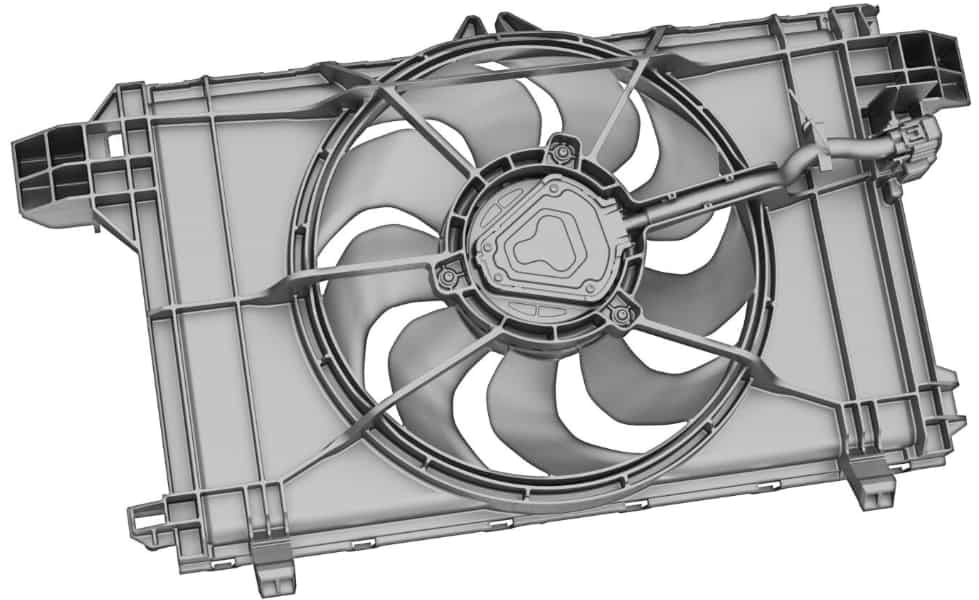
Do Teslas Have Radiators?
Teslas do not have traditional radiators like gasoline-powered cars. In a conventional internal combustion engine vehicle, the radiator is responsible for cooling hot engine coolant that has absorbed heat from fuel combustion. This system is essential because gasoline engines generate a large amount of continuous heat during operation.
In contrast, Tesla vehicles do not have an internal combustion engine, which means there is no engine block that requires the same type of radiator-based cooling. Instead, Tesla focuses on managing heat from different components such as the electric motor, power electronics, and most importantly, the battery pack.
While there is no classic front grille radiator system, Tesla vehicles still use components that perform similar thermal exchange functions. These are integrated into a more advanced and compact thermal management system rather than a standalone radiator unit. This is why many people mistakenly assume Teslas have no cooling system at all, when in reality they use a completely different engineering approach.
The key point is that Tesla replaces the traditional radiator concept with a unified thermal control system designed specifically for electric vehicles. This system is more efficient in managing multiple heat sources at once rather than focusing on a single engine.
Why Electric Vehicles Do Not Need Traditional Radiators
Electric vehicles like Tesla work differently from gasoline cars. This is why they do not need traditional radiators. In a gasoline engine, fuel burns to create power. This process produces a lot of heat. The car must remove this heat continuously, so it uses a radiator system.
Electric motors are more efficient. They convert most electrical energy into motion. They produce much less waste heat than combustion engines. Because of this, EVs do not need large radiator systems like gasoline cars.
In electric vehicles, heat mainly comes from the battery pack, inverter, and electric motor. These parts still need cooling. However, they do not generate extreme heat like a combustion engine. So, they only need a more focused cooling system.
Tesla uses this advantage in its design. It builds an integrated thermal system that controls heat across multiple components. The system does not cool just one engine. Instead, it manages temperature where needed. This helps keep performance stable and protects battery life.
Tesla Thermal Management System Explained
Tesla uses an integrated thermal management system to control heat in its vehicles. This system does not rely on a single cooling part. Instead, it connects multiple components into one network that manages temperature across the car.
The system controls the battery pack, electric motor, power electronics, and cabin climate. All of these parts share thermal resources through a closed loop. A liquid coolant moves through channels inside the battery pack and around key components. This coolant absorbs heat and transfers it away from sensitive areas.
Tesla also uses heat exchangers to move heat between different circuits. These components help balance temperature across the system. When one part gets too hot, the system shifts heat to areas that can handle it or release it to the outside air.
Unlike traditional cars that separate engine cooling and cabin heating, Tesla combines these functions. This integration improves energy efficiency and reduces wasted heat. It also allows the vehicle to respond quickly to temperature changes in different driving conditions.
The main goal of this system is stability. Tesla keeps the battery within an optimal temperature range. This helps maintain performance, extend battery life, and ensure safe operation in both hot and cold environments.
How Tesla Cools Its Battery Without a Radiator
Tesla uses a dedicated liquid cooling system to manage battery temperature. This system is one of the most important parts of the vehicle. The battery generates heat during charging and driving. If the temperature becomes too high or too low, battery performance and lifespan will drop.
Tesla solves this with coolant channels placed close to the battery cells. A special liquid flows through these channels. The liquid absorbs heat directly from the battery pack. Then it moves the heat away to a heat exchanger where it is released.
This process keeps the battery within a stable temperature range. Tesla carefully controls this range because lithium ion batteries are sensitive to heat changes. High temperatures can damage cells. Low temperatures can reduce energy output and charging speed.
The system also works during fast charging. When the battery receives high power, it heats up quickly. The cooling system reacts immediately and increases heat removal. This helps maintain fast charging speed without overheating the battery.
Tesla designs this system to be highly efficient. It does not depend on a traditional radiator setup. Instead, it uses a closed loop liquid system that focuses only on battery and component cooling. This makes the entire process more compact and more effective for electric vehicle performance.
Does Tesla Use Any Form of Radiator at All?
Tesla does not use a traditional engine radiator like gasoline cars, but it still uses heat rejection components that perform similar functions. The key difference is in design and integration.
Instead of a large front radiator dedicated to cooling an engine, Tesla uses compact heat exchangers. These components transfer heat from the coolant to the outside air. They work as part of the broader thermal management system rather than as a standalone engine cooling unit.
These heat exchangers handle multiple tasks. They help cool the battery, regulate motor temperature, and manage power electronics. In some conditions, they also support cabin climate control. This shared design allows Tesla to optimize space and improve energy efficiency.
The important idea is that Tesla replaces the concept of a single radiator with a network of thermal components. These components work together to move heat where it needs to go and release it when necessary.
So while Tesla does not have a conventional radiator, it still uses advanced cooling hardware that achieves the same purpose in a more flexible and efficient way.
Heat Pump and Advanced Thermal Control in Tesla
Tesla uses a heat pump system in many of its newer models to improve thermal efficiency. This system is different from traditional heating and cooling methods in gasoline cars. It can move heat instead of just generating it.
A heat pump works by transferring heat from one area to another. In cold weather, it captures heat from outside air or vehicle components and moves it into the cabin or battery system. This reduces energy use compared to electric heaters that create heat from power alone.
Tesla integrates the heat pump with its overall thermal management system. It shares components with the battery cooling loop and cabin climate control system. This allows the car to reuse heat that would normally be wasted.
The system improves efficiency in low temperatures. It helps maintain battery performance during winter driving. It also reduces energy loss, which helps extend driving range in cold conditions.
By combining heat pump technology with liquid cooling and heat exchangers, Tesla creates a fully connected thermal network. This design replaces the need for traditional radiator-focused cooling and supports both performance and energy efficiency.
Common Misconceptions About Tesla Cooling Systems
Many people misunderstand how Tesla manages heat. One common belief is that Tesla does not need any cooling system at all. This is incorrect. Tesla still generates heat in its battery, motor, and electronics, so thermal control is essential.
Another misconception is that no radiator means no temperature regulation. In reality, Tesla uses heat exchangers and liquid cooling systems that perform the same core function. They transfer heat away from components and release it into the environment.
Some people also think electric vehicles never overheat. This is not true. Tesla systems can still reach high temperatures during fast driving or rapid charging. The difference is that Tesla actively manages these temperatures with a continuous thermal control system.
There is also confusion about simplicity. Many assume EV cooling is simpler than gasoline engines. In fact, Tesla’s system is more integrated and dynamic. It manages multiple heat sources at the same time and adjusts in real time.
These misconceptions come from comparing EVs directly to gasoline cars. Once you understand the different architecture, it becomes clear that Tesla does not remove cooling. It upgrades it into a more advanced system.
Tesla vs Gasoline Car Cooling Systems Comparison
Tesla and gasoline cars use completely different cooling architectures. A gasoline car relies on a single internal combustion engine that produces constant and intense heat. To manage this, it uses a large radiator system. The radiator removes heat from engine coolant and releases it into the air through the front grille.
Tesla does not have a combustion engine. It therefore does not need a radiator designed for engine heat removal. Instead, Tesla spreads heat sources across the battery pack, electric motor, inverter, and power electronics. Each of these components produces heat, but in a more controlled and distributed way.
Gasoline cars focus on one main cooling loop for the engine. Tesla uses a multi loop thermal system. It connects battery cooling, motor cooling, cabin heating, and electronics temperature control into one integrated network.
In terms of efficiency, Tesla systems are more adaptive. They can shift heat between components and reuse it when needed. Gasoline systems mostly discard heat into the environment. This makes Tesla’s approach more energy efficient in many driving conditions.
The maintenance aspect is also different. Traditional radiators require periodic maintenance such as coolant replacement and leak checks. Tesla systems are sealed and highly automated, which reduces user maintenance needs.
Both systems achieve the same goal, which is temperature control. However, they use completely different engineering principles to reach that goal.
Conclusion
Tesla does not use traditional radiators like gasoline-powered cars. This is because Tesla vehicles do not rely on an internal combustion engine. Instead, they use electric motors and battery packs that generate heat in a different way.
To manage this heat, Tesla uses an advanced thermal management system. This system combines liquid cooling, heat exchangers, and intelligent temperature control across multiple components. It regulates the battery, motor, inverter, and cabin environment in one integrated network.
This design allows Tesla to maintain stable performance in different driving conditions. It also protects the battery from overheating or extreme cold, which helps extend its lifespan. In newer models, Tesla also uses heat pump technology to improve energy efficiency and reduce power loss in cold weather.
The key takeaway is simple. Tesla does not remove cooling systems. It replaces the traditional radiator concept with a more advanced and flexible thermal architecture. This approach is specifically designed for electric vehicle technology and offers better efficiency in many scenarios.
As electric vehicles continue to evolve, thermal management systems like Tesla’s will become even more important. Understanding how they work helps remove confusion and shows how different EV engineering really is compared to traditional cars.