There’s nothing more frustrating than turning on your GMC Acadia’s air conditioner during a hot day, only to feel warm air blowing through the vents. Whether you’re commuting to work, taking a family road trip, or simply running errands, a malfunctioning air conditioning system can quickly turn a comfortable drive into an unpleasant experience. While some AC issues are minor and inexpensive to fix, others may indicate serious problems that require immediate attention to prevent further damage.
If your GMC Acadia air conditioner is not working, the problem could stem from several components, including low refrigerant levels, a failing AC compressor, a clogged cabin air filter, a faulty condenser, electrical issues, or even a malfunctioning climate control module. Identifying the root cause early can save you hundreds of dollars in unnecessary repairs and help restore your vehicle’s cooling performance more quickly.
This comprehensive guide explains the most common reasons why a GMC Acadia air conditioner is not working, the symptoms to watch for, and practical troubleshooting steps you can perform before visiting a repair shop. You’ll also learn which repairs are safe to handle yourself, when professional service is necessary, and the typical repair costs for the most common AC-related problems. By the end of this guide, you’ll have a clear understanding of how your Acadia’s air conditioning system works and the best approach to getting it back to delivering reliable cold air.
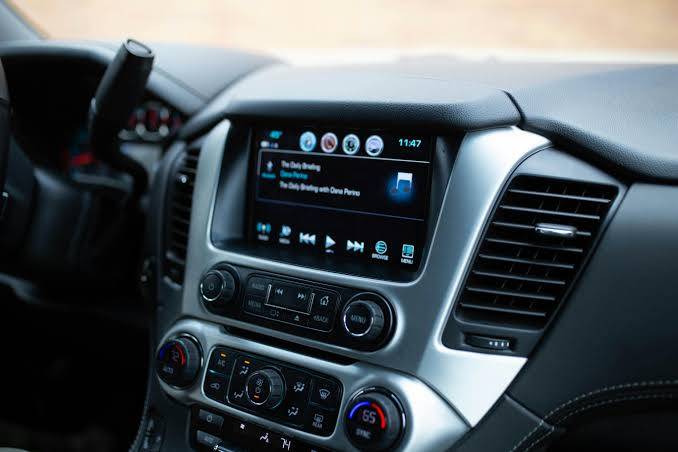
How the GMC Acadia Air Conditioning System Works
Before troubleshooting why your GMC Acadia air conditioner is not working, it helps to understand how the system operates. The air conditioning system is made up of several interconnected components that work together to remove heat and humidity from the cabin. If just one of these components fails, the entire system may lose its ability to produce cold air.
The AC compressor is the heart of the system. Driven by the engine through a serpentine belt and controlled by an electromagnetic clutch, the compressor pressurizes the refrigerant and circulates it throughout the AC system. A worn compressor, damaged clutch, or internal mechanical failure often results in warm air blowing from the vents.
Next, the high-pressure refrigerant travels to the condenser, which is mounted in front of the radiator. As outside air passes through the condenser’s fins, heat is released, transforming the refrigerant from a hot gas into a high-pressure liquid. Dirt, road debris, or impact damage can reduce the condenser’s efficiency and significantly affect cooling performance.
The refrigerant then passes through an expansion valve or orifice tube, where pressure drops rapidly before entering the evaporator located inside the dashboard. Here, the refrigerant absorbs heat from the cabin air and evaporates into a gas, producing the cool air that flows through the vehicle’s vents.
Several supporting components also play essential roles. The blower motor pushes air across the evaporator, while the cabin air filter removes dust and debris that could restrict airflow. The blend door actuator controls the mixture of hot and cold air, ensuring the selected cabin temperature is maintained. Meanwhile, the climate control module receives driver input and coordinates the operation of the compressor, blower motor, and blend doors for automatic temperature regulation.
Modern GMC Acadia models also rely on pressure sensors, cooling fans, relays, fuses, and electronic control modules to maintain safe operating conditions. If any of these components malfunction, the system may stop cooling altogether, cycle intermittently, or blow warm air despite appearing to function normally.
Understanding how these parts work together makes it much easier to identify the root cause of an AC problem and avoid replacing components unnecessarily.
Symptoms of a GMC Acadia Air Conditioner Not Working
A failing air conditioning system rarely stops working without warning. In most cases, your GMC Acadia will display one or more symptoms before the problem becomes severe. Recognizing these early warning signs can help prevent costly repairs and reduce the risk of additional damage to the HVAC system.
AC Blows Warm Air
Warm air coming from the vents is one of the most common signs of AC failure. This symptom is often caused by low refrigerant levels, a leaking condenser, a worn compressor, or a faulty compressor clutch. In some cases, electronic issues such as a defective pressure sensor or climate control module may also prevent the compressor from engaging.
Weak Airflow
If the air feels cool but barely reaches the cabin, restricted airflow is likely the issue. A clogged cabin air filter, failing blower motor, blocked evaporator core, or damaged air ducts can all reduce airflow and make the system less effective.
No Air Coming From the Vents
When the blower fan fails completely, you may notice that no air comes through the vents even though the AC system appears to be on. Electrical problems, a blown fuse, a faulty blower motor resistor, or a defective blower motor are common causes.
AC Works Only While Driving
If the air conditioner cools properly at highway speeds but becomes warm while idling in traffic, the condenser cooling fan may not be operating correctly. Without sufficient airflow across the condenser, refrigerant temperatures increase, reducing cooling efficiency.
Intermittent Cooling
An air conditioner that alternates between cold and warm air may indicate a failing compressor clutch, low refrigerant pressure, a faulty pressure switch, or electrical connection issues. Intermittent cooling often becomes more frequent as the affected component continues to deteriorate.
Unusual Noises
Clicking, grinding, squealing, or rattling sounds when the AC is turned on should never be ignored. These noises may indicate compressor bearing failure, damaged clutch components, loose pulleys, or debris trapped inside the blower motor housing.
Musty or Moldy Odors
A persistent unpleasant smell from the vents usually indicates moisture buildup inside the evaporator housing. Over time, mold and bacteria can develop, reducing cabin air quality and producing an unpleasant odor whenever the AC is used.
Inconsistent Cabin Temperature
If one side of the cabin blows cold air while the other side remains warm, or the temperature changes unexpectedly without adjusting the controls, the blend door actuator or climate control module may be malfunctioning.
Ignoring these symptoms can allow a relatively inexpensive repair to develop into a much more costly problem. Identifying the warning signs early gives you the best chance of fixing the issue before major components such as the compressor or condenser are damaged.
10 Common Causes of a GMC Acadia Air Conditioner Not Working
A GMC Acadia air conditioner can stop working for many different reasons, ranging from simple maintenance issues to major mechanical failures. While some problems are easy enough for experienced DIY enthusiasts to fix, others require specialized equipment and professional diagnosis. Below are the most common causes, starting with one of the most frequent culprits.
1. Low Refrigerant Level or Refrigerant Leak
Low refrigerant is one of the leading reasons why a GMC Acadia air conditioner is not working. Refrigerant circulates through the air conditioning system, absorbing heat from inside the cabin and releasing it outside through the condenser. Unlike engine oil or coolant, refrigerant does not get consumed during normal operation. If the refrigerant level is low, there is almost always a leak somewhere in the system.
Small leaks can develop over time due to aging seals, worn O-rings, damaged hoses, or corrosion in the condenser and evaporator. Larger leaks may occur after road debris punctures the condenser or if an AC line becomes damaged. As refrigerant escapes, the system pressure drops below the level required for proper operation. Modern GMC Acadia models include pressure sensors that prevent the compressor from engaging when refrigerant pressure becomes too low, protecting the compressor from internal damage.
Common symptoms of low refrigerant include warm air blowing from the vents, longer cooling times, the compressor cycling on and off frequently, or the AC failing to engage altogether. In some cases, you may notice oily residue around refrigerant lines or hear a faint hissing sound where the leak is located.
To diagnose a refrigerant leak, technicians typically use UV dye, electronic leak detectors, or pressure testing equipment. Simply recharging the system without repairing the leak usually provides only temporary relief, as the refrigerant will eventually escape again.
Repair costs vary depending on the location and severity of the leak. A basic AC recharge may cost between $150 and $350, while repairing damaged hoses, seals, or replacing a leaking condenser can increase the total repair cost significantly. Addressing refrigerant leaks early helps maintain cooling performance and prevents excessive wear on the AC compressor.
2. Failed AC Compressor
The AC compressor is the centerpiece of your GMC Acadia’s air conditioning system. Its job is to compress and circulate refrigerant throughout the HVAC system, allowing heat to be removed from the cabin. When the compressor fails, refrigerant can no longer flow properly, making it impossible for the system to produce cold air. As a result, a failed compressor is one of the most expensive and serious reasons why a GMC Acadia air conditioner is not working.
Compressor failure can occur gradually due to normal wear and tear or suddenly because of internal mechanical damage. Vehicles with high mileage are naturally more susceptible, but poor maintenance, refrigerant leaks, contaminated refrigerant, or operating the AC with insufficient lubrication can significantly shorten compressor life.
One of the first signs of compressor trouble is warm air coming from the vents even though the AC system is switched on. You may also notice the compressor clutch failing to engage when the air conditioner is activated. In some cases, the clutch engages briefly before disengaging repeatedly, causing intermittent cooling. Grinding, squealing, or rattling noises from the engine compartment are additional warning signs that internal compressor bearings or pistons may be damaged.
A technician will typically inspect whether the compressor clutch engages, measure refrigerant pressure using manifold gauges, and check for metal debris within the AC system. The presence of metal particles often indicates catastrophic compressor failure, requiring the replacement of additional components such as the condenser, receiver drier, and expansion valve to prevent contamination of the new compressor.
Although some compressor clutch assemblies can be replaced separately, many repair shops recommend replacing the complete compressor assembly because internal wear often affects multiple components. Depending on the model year, labor rates, and parts selected, replacing a GMC Acadia AC compressor typically costs between $900 and $1,500. While this is a significant repair, replacing a failing compressor promptly helps prevent further damage to the rest of the air conditioning system.
3. Faulty or Damaged Condenser
The condenser plays a critical role in cooling the refrigerant after it leaves the compressor. Located directly behind the front grille and in front of the radiator, the condenser relies on a constant flow of outside air to dissipate heat. Because of its exposed location, it is especially vulnerable to road debris, rocks, insects, corrosion, and accidental impacts.
A damaged condenser often develops small refrigerant leaks that gradually reduce cooling performance. Since refrigerant is essential for heat transfer, even a minor leak can cause the AC system to blow warm air or stop working altogether. Bent cooling fins caused by debris or improper cleaning methods can also restrict airflow, reducing the condenser’s ability to cool the refrigerant efficiently.
Drivers frequently notice that the air conditioner performs poorly during extremely hot weather or while idling in traffic. As refrigerant temperatures continue to rise, the cooling capacity decreases, leaving the cabin uncomfortable despite the AC running continuously.
Visual inspection can sometimes reveal obvious damage. Oil stains around the condenser usually indicate a refrigerant leak because compressor oil travels together with the refrigerant. Crushed fins, corrosion, or physical punctures are also common signs that replacement may be necessary.
Technicians often use UV dye or electronic leak detection equipment to confirm condenser leaks before recommending repairs. In many cases, replacing the condenser is more practical than attempting repairs, particularly if corrosion or multiple leaks are present.
Replacing a GMC Acadia condenser generally costs between $500 and $1,000, including labor and refrigerant recharge. Although this repair is less expensive than compressor replacement, delaying service can increase strain on the compressor and eventually lead to much more costly repairs.
Keeping the condenser clean by removing leaves, dirt, and insects from the front grille can improve airflow and extend the life of the entire air conditioning system.
4. Cooling Fan Failure
Many drivers assume the air conditioner is defective when the real problem is the cooling fan. The condenser cooling fan helps remove heat from the refrigerant whenever the vehicle is moving slowly or sitting still. Without adequate airflow, refrigerant pressure rises rapidly, preventing the system from producing cold air efficiently.
A failed cooling fan usually becomes noticeable under specific driving conditions. The air conditioner may work normally while driving at highway speeds because natural airflow passes through the condenser. However, once the vehicle stops at a traffic light or becomes stuck in slow-moving traffic, the vents begin blowing warm air within minutes. This is one of the most recognizable symptoms of cooling fan failure.
Several issues can prevent the fan from operating correctly. A worn electric fan motor, damaged fan blades, faulty fan relay, blown fuse, defective temperature sensor, or wiring problems may all interrupt fan operation. In some cases, the engine control module may fail to activate the fan due to incorrect sensor readings.
Diagnosing a faulty cooling fan usually begins with a visual inspection. With the engine running and the AC switched to its coldest setting, the cooling fan should activate shortly after the compressor engages. If the compressor is operating but the fan remains stationary, electrical testing is required to determine whether the problem lies with the motor, relay, fuse, or wiring.
Ignoring cooling fan problems not only reduces AC performance but can also contribute to engine overheating during hot weather. Because both the radiator and condenser rely on adequate airflow, a malfunctioning fan affects two critical vehicle systems simultaneously.
Repair costs vary depending on the failed component. Replacing a relay or fuse may cost less than $100, while installing a new cooling fan assembly typically ranges from $300 to $800. Addressing cooling fan issues early can restore proper AC performance and help protect both the engine cooling system and the air conditioning system from unnecessary stress.
5. Dirty or Clogged Cabin Air Filter
A dirty cabin air filter is one of the simplest yet most commonly overlooked reasons for poor air conditioning performance. Although the filter does not directly cool the air, it plays a vital role in maintaining proper airflow through the HVAC system. As dust, pollen, leaves, and road debris accumulate over time, the filter becomes clogged, restricting the amount of air reaching the passenger cabin.
When airflow is restricted, many drivers mistakenly assume the air conditioner has stopped working because very little cold air reaches the vents. In reality, the evaporator may still be producing cold air, but the blocked filter prevents it from circulating efficiently throughout the cabin.
Common symptoms of a clogged cabin air filter include weak airflow from all vents, longer cooling times, excessive blower motor noise, unpleasant odors when the AC is running, and increased dust inside the vehicle. In severe cases, restricted airflow may even cause the evaporator to freeze, further reducing cooling performance.
Fortunately, this is one of the easiest maintenance items on a GMC Acadia. The cabin air filter is typically located behind the glove box and can often be replaced in less than 15 minutes using basic hand tools. Most replacement filters are inexpensive, making this a cost-effective repair that can significantly improve both comfort and HVAC efficiency.
Automotive experts generally recommend replacing the cabin air filter every 15,000 to 30,000 miles, although drivers who frequently travel on dusty roads or in areas with heavy pollen may need more frequent replacements. Neglecting this simple maintenance task forces the blower motor to work harder, increasing wear and reducing the overall efficiency of the air conditioning system.
The average cost of replacing a cabin air filter ranges from $20 to $60, depending on the filter type and whether the work is performed at home or by a repair shop. Considering the low cost and ease of installation, replacing the cabin air filter should always be one of the first troubleshooting steps when a GMC Acadia air conditioner is not working as expected.
6. Blown Fuse or Faulty Relay
Electrical problems are another common reason why a GMC Acadia air conditioner suddenly stops working. The AC compressor, blower motor, cooling fan, and climate control system all rely on properly functioning fuses and relays. If one of these electrical components fails, the entire air conditioning system may become inoperative even though the mechanical parts remain in good condition.
A fuse is designed to protect electrical circuits by breaking the connection whenever excessive current flows through the system. While fuses occasionally fail because of age, they more commonly blow as a result of an underlying electrical problem such as a short circuit, damaged wiring, or a failing electrical component. Simply replacing a blown fuse without identifying the root cause may only provide a temporary solution.
Relays function as electronically controlled switches that allow high-current devices such as the AC compressor clutch and cooling fan to operate safely. Over time, relay contacts can wear out, become corroded, or fail to close properly, preventing power from reaching critical AC components.
Symptoms of a blown fuse or faulty relay vary depending on the affected circuit. The compressor may never engage, the blower motor may stop working completely, or the cooling fan may fail to operate when the air conditioner is turned on. In some cases, multiple HVAC functions may stop working simultaneously.
Diagnosing fuse and relay problems is relatively straightforward. Begin by consulting your owner’s manual to locate the appropriate fuse boxes and identify the AC-related fuses and relays. Remove each fuse and inspect it for a broken metal strip. A relay can often be tested by swapping it with another identical relay from a non-essential circuit if one is available.
If a replacement fuse blows immediately after installation, this usually indicates a more serious electrical issue requiring professional diagnosis. Wiring damage, short circuits, or failed electrical components should be repaired promptly to prevent additional system damage.
Replacing a fuse typically costs only a few dollars, while a new relay usually costs between $20 and $80. Because these repairs are inexpensive and relatively easy to perform, checking the electrical system should be one of the first diagnostic steps before replacing expensive AC components.
7. Blend Door Actuator Failure
The blend door actuator is a small electric motor located inside the HVAC housing that controls the movement of the blend door. This door regulates how much air passes through the heater core versus the evaporator, allowing the system to produce the desired cabin temperature. Even if every other air conditioning component is functioning correctly, a failed blend door actuator can make it seem as though the AC has completely stopped working.
Over time, the plastic gears inside the actuator can wear out or break. Electrical failures within the motor itself are also common, particularly in older GMC Acadia models. Once the actuator fails, the blend door may become stuck in the heating position, preventing cold air from reaching the cabin.
One of the most recognizable symptoms is inconsistent cabin temperature. Drivers may notice that warm air continues blowing from the vents despite selecting the coldest temperature setting. In dual-zone climate control systems, one side of the vehicle may produce cold air while the other side continues blowing warm air. This uneven cooling often points directly to a faulty blend door actuator.
Another common symptom is a repetitive clicking or knocking sound coming from behind the dashboard shortly after starting the vehicle or adjusting the climate controls. This noise occurs when the actuator’s damaged gears repeatedly attempt to move the blend door but cannot complete the movement.
Technicians diagnose actuator problems using professional scan tools that communicate with the HVAC control module. In some cases, recalibrating the actuator through the vehicle’s electronic control system restores normal operation. However, mechanical gear damage almost always requires replacement of the actuator.
Replacing a blend door actuator can be relatively simple on some GMC Acadia model years but significantly more labor-intensive on others because dashboard components may need to be removed for access. Depending on labor requirements and vehicle configuration, total repair costs generally range from $250 to $700.
Repairing a faulty blend door actuator not only restores proper cooling but also improves overall climate control performance, ensuring the cabin maintains the temperature selected by the driver regardless of outside weather conditions.
8. Faulty AC Pressure Switch
The AC pressure switch is a small but essential safety component that monitors refrigerant pressure throughout the air conditioning system. Its primary purpose is to protect the compressor from operating under unsafe pressure conditions. If refrigerant pressure becomes too low because of a leak or too high because of a blockage, the pressure switch signals the vehicle’s control module to disengage the compressor and prevent costly damage.
Although the pressure switch is designed to protect the AC system, the switch itself can eventually fail. When this happens, it may send inaccurate pressure readings or stop communicating with the HVAC control system altogether. As a result, the compressor may never engage even when refrigerant levels are normal, leading many owners to believe the compressor has failed.
A faulty pressure switch often causes symptoms such as warm air from the vents, intermittent cooling, or an air conditioner that works briefly before shutting off unexpectedly. Some drivers may also notice that the compressor clutch cycles on and off rapidly, especially during hot weather.
Diagnosing a defective pressure switch requires more than simply checking refrigerant levels. Technicians use manifold gauges to verify system pressure and compare those readings with data from the vehicle’s onboard computer. If actual refrigerant pressure is within specification but the control module reports incorrect values, the pressure switch or its wiring is likely at fault.
Because pressure switches are relatively inexpensive, replacement is usually more economical than attempting repairs. However, if the switch failed because of excessive system pressure, the underlying cause must also be corrected. Blocked condensers, overcharged refrigerant systems, or restricted expansion valves can all create abnormal pressure conditions that eventually damage the switch.
Replacing an AC pressure switch typically costs between $150 and $350, including labor and refrigerant recovery if necessary. Repairing the problem promptly ensures the compressor operates safely while restoring reliable cooling performance.
9. Climate Control Module Malfunction
Modern GMC Acadia models use an electronic climate control module to manage nearly every aspect of the air conditioning system. Instead of relying solely on mechanical switches, the module communicates with sensors, actuators, relays, and the engine control unit to maintain the selected cabin temperature automatically.
Because this module acts as the system’s control center, software glitches, internal electronic failures, or communication problems can cause the entire HVAC system to behave unpredictably. Even though the compressor, condenser, blower motor, and refrigerant system are functioning correctly, the climate control module may fail to send the commands needed for proper operation.
Symptoms vary depending on the nature of the malfunction. Some owners report that the air conditioner refuses to turn on, while others experience random temperature changes, fan speeds that change without input, or dual-zone settings that fail to respond correctly. In certain situations, the display panel itself may freeze or become completely unresponsive.
Low battery voltage, electrical surges, water intrusion, or aging electronic components can all contribute to module failure. Occasionally, software errors may cause calibration issues after the battery has been disconnected or replaced.
Professional diagnostic equipment is usually required to identify climate control module faults. Technicians can scan for stored HVAC diagnostic trouble codes, monitor live sensor data, and perform system recalibration procedures. In some cases, updating the module software or performing a factory reset restores normal operation. If internal circuitry has failed, replacing the module may be the only permanent solution.
Depending on the specific GMC Acadia model year and trim level, climate control module repairs typically range from $300 to $900. While this repair may seem expensive, replacing the correct module is often far less costly than replacing multiple HVAC components unnecessarily because of an incorrect diagnosis.
10. Electrical Wiring Problems
Electrical wiring issues are among the most challenging causes of air conditioning failure because they can affect virtually every component in the HVAC system. A damaged wire, loose connector, corroded terminal, or poor ground connection can interrupt communication between sensors and control modules or prevent electrical power from reaching essential components such as the compressor clutch, blower motor, cooling fan, or pressure switch.
Unlike mechanical failures, wiring problems often produce intermittent symptoms that are difficult to reproduce consistently. The air conditioner may function normally one day and stop working the next. It may also operate only after hitting a bump in the road or fail only during wet weather when moisture enters damaged electrical connectors.
Common causes of wiring damage include vibration, engine heat, rodent activity, corrosion, previous accident repairs, or aging insulation. Vehicles that are frequently driven in areas with road salt or high humidity are particularly susceptible to corrosion inside electrical connectors.
Diagnosing wiring faults requires a systematic approach. Technicians inspect wiring harnesses for visible damage, measure voltage and continuity using digital multimeters, and verify that each HVAC component receives the correct electrical signals. Advanced scan tools can also identify communication errors between control modules, helping narrow the search for damaged circuits.
Repair costs vary considerably depending on the location and severity of the problem. Cleaning corroded connectors or repairing a single damaged wire may cost less than $150, while replacing sections of the wiring harness can exceed $1,000 if extensive disassembly is required.
Because electrical problems can mimic compressor failure, refrigerant leaks, or sensor malfunctions, accurate diagnosis is critical. Replacing expensive AC components without confirming proper electrical operation often leads to unnecessary repairs and higher repair bills.
Step-by-Step Diagnosis Guide
If your GMC Acadia air conditioner is not working, following a logical diagnostic process can help identify the problem efficiently and prevent unnecessary parts replacement. Start with the simplest inspections before moving on to more advanced testing.
Step 1: Check the Cabin Air Filter
Remove and inspect the cabin air filter for dirt, dust, leaves, or other debris. If the filter appears clogged or has not been replaced within the recommended service interval, install a new one. A restricted filter can significantly reduce airflow and make the AC seem ineffective even when it is cooling properly.
Step 2: Inspect AC Fuses and Relays
Locate the fuse boxes using your owner’s manual and inspect all air conditioning related fuses and relays. Replace any blown fuse with one of the correct amperage. If the replacement fuse fails immediately, stop troubleshooting and have the electrical system professionally inspected.
Step 3: Listen for Compressor Engagement
Start the engine, turn the air conditioner to its coldest setting, and listen carefully for the compressor clutch to engage. A noticeable click usually indicates that the compressor is receiving power. If no sound is heard, the problem may involve the compressor, pressure switch, relay, fuse, or electrical wiring.
Step 4: Verify Cooling Fan Operation
With the AC running, observe whether the condenser cooling fan turns on. If the fan remains stationary while the compressor is engaged, inspect the fan motor, relay, fuse, and wiring. A failed cooling fan often causes poor cooling performance when idling but normal cooling at highway speeds.
Step 5: Measure Refrigerant Pressure
Using professional manifold gauges, compare the system’s high-side and low-side pressures with manufacturer specifications. Abnormally low pressure usually indicates a refrigerant leak, while unusually high pressure may point to airflow restrictions or a blocked condenser.
Step 6: Scan for HVAC Diagnostic Trouble Codes
Connect an OBD-II scan tool capable of reading HVAC modules. Stored trouble codes may identify problems involving pressure sensors, blend door actuators, climate control modules, or communication faults that are not immediately visible during a physical inspection.
Step 7: Seek Professional Diagnosis
If the previous steps fail to identify the problem, professional diagnostic equipment may be required. Specialized tools such as electronic leak detectors, thermal imaging cameras, smoke machines, and advanced scan tools allow technicians to pinpoint complex refrigerant, electrical, and HVAC control issues quickly and accurately.
Following these diagnostic steps in order helps eliminate simple causes before moving on to more complex repairs, saving both time and money while increasing the likelihood of finding the true cause of the air conditioning problem.
DIY Fixes You Can Try Before Visiting a Mechanic
Not every air conditioning problem requires an immediate trip to the repair shop. Several common issues can be diagnosed or even resolved at home with basic tools and a little patience. While these DIY solutions won’t fix every problem, they can help you determine whether the issue is minor or if professional repairs are necessary.
Replace the Cabin Air Filter
A clogged cabin air filter is one of the easiest problems to fix and one of the most overlooked. If airflow from the vents has gradually weakened, replacing the filter may restore normal performance almost immediately.
Most GMC Acadia models have the cabin air filter located behind the glove compartment. After removing the glove box, slide out the old filter, clean any debris from the filter housing, and install a new filter in the correct airflow direction. The entire process usually takes less than 15 minutes and requires minimal tools.
Inspect the AC Compressor Clutch
With the engine running and the air conditioner turned to its coldest setting, observe the front of the AC compressor. The compressor clutch should engage and rotate along with the pulley.
If the pulley spins but the clutch never engages, the issue could involve low refrigerant, a faulty pressure switch, a failed relay, or electrical problems. Do not attempt to force the compressor to engage, as this can cause severe damage if refrigerant pressure is too low.
Check the Cooling Fan
Open the hood and verify that the condenser cooling fan starts when the AC is operating. If the fan does not run while the compressor is engaged, inspect the fuse and relay first.
Removing leaves, plastic bags, insects, or dirt from the condenser fins can also improve airflow and increase cooling efficiency. Use a soft brush or low-pressure water to avoid damaging the delicate aluminum fins.
Inspect for Visible Refrigerant Leaks
Although refrigerant itself is colorless, compressor oil circulates with it. Look around the condenser, compressor, hoses, and fittings for oily residue or dirt buildup. These areas often indicate the location of a refrigerant leak.
If a significant leak is found, avoid recharging the system until the damaged component has been repaired. Adding refrigerant without fixing the leak will only provide temporary cooling and may eventually damage the compressor.
Replace a Blown Fuse
A blown fuse is inexpensive and easy to replace. Locate the appropriate AC fuse using your owner’s manual and inspect it carefully.
Always install a replacement fuse with the correct amperage rating. Using a higher-rated fuse can damage electrical components and increase the risk of wiring failure.
Reset the Climate Control System
Electronic glitches occasionally cause the HVAC system to behave unexpectedly.
For some GMC Acadia model years, disconnecting the negative battery terminal for approximately 15 minutes may allow the climate control module to reset after reconnecting the battery. However, this procedure may erase radio presets and other stored vehicle settings.
Certain newer models require professional scan tools to recalibrate blend door actuators and climate control modules after battery disconnection.
Recharge the Refrigerant Carefully
If refrigerant pressure is slightly low and no leaks are present, an AC recharge kit may temporarily restore cooling performance.
However, refrigerant should never be added blindly. Overcharging the system can increase operating pressure, reduce cooling efficiency, and potentially damage the compressor.
Whenever possible, refrigerant levels should be verified using manifold gauges rather than relying solely on the pressure gauge included with consumer recharge kits.
Know When DIY Repairs Are Not Enough
Some air conditioning repairs should always be left to qualified technicians.
Professional service is recommended if you notice any of the following:
- Loud grinding or knocking noises from the compressor
- Large refrigerant leaks
- Electrical wiring damage
- Repeatedly blown fuses
- HVAC diagnostic trouble codes
- Compressor replacement
- Condenser replacement
- Evaporator replacement
- Climate control module programming
Attempting these repairs without the proper equipment can increase repair costs and may damage additional HVAC components.
GMC Acadia Air Conditioner Repair Costs
Repair costs vary depending on the model year, labor rates, replacement parts, and the severity of the problem. Minor maintenance items can often be completed for less than $100, while major component failures such as a compressor replacement may exceed $1,500.
The table below provides average repair cost estimates for the most common GMC Acadia air conditioning problems.
| Repair | Estimated Cost |
|---|---|
| Cabin air filter replacement | $20 to $60 |
| AC refrigerant recharge | $150 to $350 |
| Refrigerant leak diagnosis | $100 to $250 |
| Leak repair | $200 to $800 |
| AC compressor replacement | $900 to $1,500 |
| Compressor clutch replacement | $300 to $700 |
| Condenser replacement | $500 to $1,000 |
| Cooling fan replacement | $300 to $800 |
| Blend door actuator replacement | $250 to $700 |
| Pressure switch replacement | $150 to $350 |
| Climate control module replacement | $300 to $900 |
| Electrical wiring repair | $150 to $1,000+ |
| HVAC diagnostic service | $100 to $200 |
Keep in mind that these prices are estimates and may vary significantly depending on your location and the repair facility you choose. Dealerships generally charge higher labor rates than independent repair shops, although they may have greater experience with GMC-specific HVAC systems.
Using original equipment manufacturer (OEM) parts can also increase repair costs but may provide better long-term reliability than aftermarket alternatives.
If multiple components have failed, request a detailed written estimate before authorizing repairs. Comparing estimates from several reputable repair shops can help you avoid unnecessary expenses while ensuring the work is completed correctly.
Can You Drive With a Broken AC?
Technically, you can continue driving your GMC Acadia if the air conditioner is no longer producing cold air. However, whether you should continue driving depends on the underlying cause of the problem.
If the issue is limited to low refrigerant, a clogged cabin air filter, or a faulty blend door actuator, the vehicle will generally remain safe to operate for short periods. While the cabin may become uncomfortable during hot weather, these problems typically do not affect the vehicle’s ability to drive.
The situation changes if the AC problem involves a failing compressor. A compressor with damaged internal bearings or a seized clutch can place excessive strain on the serpentine belt. In extreme cases, a seized compressor may cause the drive belt to slip or break, potentially affecting other engine accessories such as the alternator, water pump, and power steering system.
A malfunctioning cooling fan also deserves immediate attention. Because the fan helps cool both the condenser and the radiator, its failure can contribute to engine overheating, especially during heavy traffic or high ambient temperatures. Ignoring this issue could lead to expensive engine repairs that far exceed the cost of fixing the air conditioning system.
Refrigerant leaks should also be repaired promptly. Besides reducing cooling performance, operating the AC with insufficient refrigerant forces the compressor to work harder while receiving less lubrication. Continued operation under these conditions can permanently damage the compressor, turning a relatively inexpensive leak repair into a much more costly system overhaul.
If your GMC Acadia air conditioner suddenly stops working, it is best to diagnose the problem as soon as possible. Addressing minor issues early often prevents larger failures and helps keep repair costs under control. Even if the vehicle remains drivable, postponing repairs can shorten the lifespan of critical HVAC components and increase the likelihood of additional damage over time.
How to Prevent Future AC Problems
Routine maintenance is the best way to keep your GMC Acadia’s air conditioning system operating efficiently and avoid expensive repairs. Many AC failures develop gradually over time, and simple preventive measures can significantly extend the lifespan of major components such as the compressor, condenser, and blower motor.
Run the Air Conditioner Regularly
Many drivers only use the air conditioner during the summer months, but allowing the system to sit unused for long periods can cause seals to dry out and increase the risk of refrigerant leaks.
Even during colder months, run the AC for about 10 to 15 minutes once every week. This helps circulate refrigerant and compressor oil throughout the system, keeping internal seals lubricated and reducing wear.
Replace the Cabin Air Filter on Schedule
A clean cabin air filter improves airflow, reduces strain on the blower motor, and helps the evaporator perform more efficiently.
Most manufacturers recommend replacing the filter every 15,000 to 30,000 miles, but drivers in dusty environments or areas with heavy pollen should inspect and replace it more frequently.
Keep the Condenser Clean
The condenser relies on unrestricted airflow to remove heat from the refrigerant. Dirt, leaves, insects, and road debris can gradually block the cooling fins, reducing the system’s ability to produce cold air.
Periodically inspect the front grille and gently rinse the condenser using low-pressure water. Avoid using pressure washers, as they can bend the delicate aluminum fins and reduce cooling efficiency.
Repair Refrigerant Leaks Promptly
Small refrigerant leaks rarely fix themselves. Ignoring a leak forces the compressor to operate with insufficient lubrication, increasing internal wear and eventually leading to compressor failure.
If you notice reduced cooling performance, oily residue around AC components, or frequent refrigerant loss, have the system inspected before the damage becomes more severe.
Monitor Cooling Fan Performance
The condenser cooling fan should activate whenever the air conditioner is operating, especially while the vehicle is idling.
If you notice that the AC blows cold air while driving but becomes warm when stopped, inspect the cooling fan immediately. Replacing a faulty fan early is far less expensive than repairing damage caused by excessive refrigerant pressure or engine overheating.
Schedule Periodic AC Inspections
Having the air conditioning system inspected every one to two years allows technicians to detect refrigerant leaks, worn belts, electrical issues, and declining compressor performance before major failures occur.
Preventive maintenance often costs far less than replacing expensive HVAC components.
Frequently Asked Questions
Why is my GMC Acadia AC blowing warm air?
Warm air is commonly caused by low refrigerant, refrigerant leaks, compressor failure, a damaged condenser, cooling fan problems, or a malfunctioning blend door actuator. A professional inspection can identify the exact cause before unnecessary parts are replaced.
Why does my GMC Acadia AC only work while driving?
This usually indicates insufficient airflow through the condenser while the vehicle is stationary. A faulty cooling fan, blocked condenser, or electrical issue preventing fan operation is often responsible.
How much does it cost to repair a GMC Acadia air conditioner?
Repair costs depend on the failed component. Simple repairs such as replacing a cabin air filter may cost less than $60, while major repairs like compressor replacement can range from $900 to $1,500. Electrical diagnostics, refrigerant leaks, and climate control module repairs typically fall somewhere between these two extremes.
Can low refrigerant damage the compressor?
Yes. Refrigerant also carries compressor oil throughout the air conditioning system. When refrigerant levels become too low, the compressor receives less lubrication, increasing friction, internal wear, and the risk of catastrophic failure.
Is it safe to recharge the AC yourself?
A DIY recharge may temporarily restore cooling if refrigerant levels are only slightly low and there are no leaks. However, overcharging the system or adding refrigerant without repairing a leak can reduce cooling performance and damage the compressor. Accurate pressure measurements using professional equipment are always recommended.
How often should the cabin air filter be replaced?
Under normal driving conditions, replace the cabin air filter every 15,000 to 30,000 miles. Vehicles operated in dusty climates, construction areas, or regions with heavy pollen may require more frequent replacement.
Can a bad battery affect the air conditioner?
Yes. Modern GMC Acadia models rely heavily on electronic control modules. Low battery voltage or charging system problems can cause the climate control module to malfunction, leading to erratic HVAC operation or loss of air conditioning functionality.
What is the most common reason a GMC Acadia air conditioner stops working?
The most common causes include low refrigerant, refrigerant leaks, compressor failure, condenser damage, cooling fan issues, and electrical faults such as blown fuses or faulty relays. Following a systematic diagnostic process is the most effective way to identify the actual problem.
Conclusion
A GMC Acadia air conditioner not working can quickly turn an enjoyable drive into an uncomfortable experience, especially during the hottest months of the year. Fortunately, many air conditioning problems begin with recognizable warning signs such as warm air from the vents, weak airflow, unusual noises, or inconsistent cooling. Identifying these symptoms early gives you the opportunity to address minor issues before they develop into costly repairs.
As we’ve covered throughout this guide, the most common causes include low refrigerant, compressor failure, condenser damage, cooling fan problems, clogged cabin air filters, faulty pressure switches, blend door actuator failures, climate control module malfunctions, and electrical wiring issues. While some maintenance tasks such as replacing a cabin air filter or checking fuses can be performed at home, more complex repairs involving refrigerant recovery, compressor replacement, or electronic diagnostics should be handled by qualified technicians.
Regular maintenance remains the best defense against unexpected HVAC failures. Running the air conditioner throughout the year, replacing the cabin air filter on schedule, keeping the condenser clean, and repairing refrigerant leaks promptly can significantly extend the life of your AC system while reducing long-term repair costs.
If your GMC Acadia air conditioner is not working, don’t ignore the warning signs. A timely diagnosis can prevent additional damage, improve driving comfort, and save hundreds of dollars in future repairs. If you have experienced AC problems with your GMC Acadia or discovered another solution that worked for you, share your experience in the comments below. Your insights may help other owners troubleshoot their vehicles more quickly and confidently.