Buying a used car always raises an important question about warranty coverage. Many buyers want to know if protection still applies after ownership changes, especially when they choose a Hyundai vehicle.
The keyword Hyundai Warranty for 2nd Owner reflects a common concern among used car buyers. They want to understand what coverage remains after the car is sold to a new owner. This matters because repair costs can become expensive without warranty support.
Hyundai builds its warranty program to protect the first owner with full factory coverage. When the car moves to a second owner, the situation changes. Some coverage may continue, but it depends on time limits, mileage, and service history.
Many buyers assume the warranty stays the same after resale. This assumption often leads to confusion and unexpected repair costs. The actual coverage depends on specific transfer rules set by Hyundai.
This guide explains how Hyundai Warranty for 2nd Owner works in real conditions. It shows what coverage remains, how the transfer process works, and what exclusions you need to consider before buying a used vehicle.
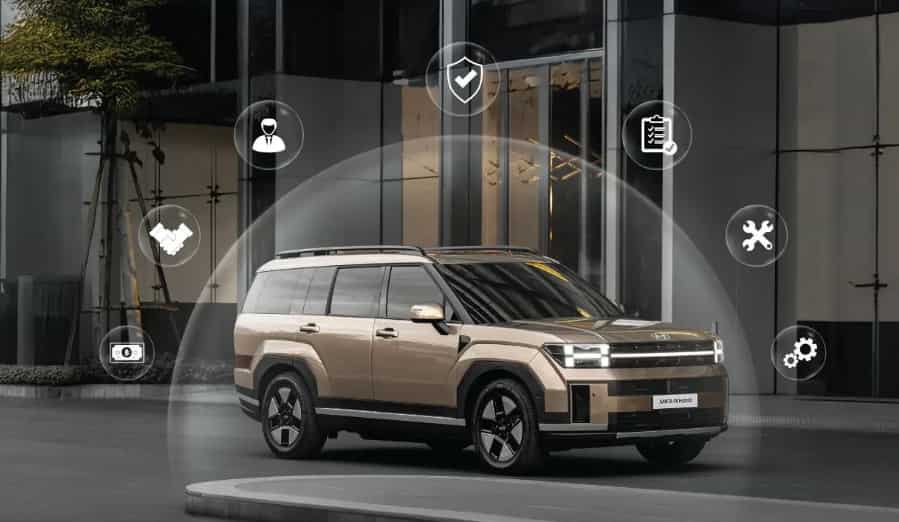
What Is Hyundai Warranty for 2nd Owner
The Hyundai Warranty for 2nd Owner refers to the remaining factory warranty that stays with the vehicle after it is sold to a new owner. This coverage comes from the original warranty program offered by Hyundai and it links directly to the vehicle, not the person.
In most cases, the warranty does not reset when ownership changes. Instead, the second owner receives only the remaining coverage from the original warranty period. This means the protection depends on the age of the vehicle, mileage, and service record.
Hyundai designs its warranty to cover manufacturing defects during the early years of ownership. When a vehicle moves to a second owner, the warranty still works, but under stricter conditions. Some benefits continue, but others may reduce or expire based on policy rules.
The coverage also varies by market. In some countries, second owners still receive broad protection. In other regions, the coverage becomes more limited after the first sale. This difference makes it important to check local warranty terms before buying a used Hyundai.
The warranty always follows the vehicle identification number. This allows the coverage to transfer legally when the ownership changes. However, the second owner must meet all maintenance and transfer requirements to keep the warranty valid.
Hyundai Warranty Coverage for Second Owner What Is Included
A second owner can still receive certain benefits from the original factory warranty if the vehicle remains within the valid coverage period. The remaining protection comes from the warranty program provided by Hyundai and it depends on time, mileage, and service history.
The most important part of the coverage usually includes the powertrain warranty. This protection covers major components such as the engine and transmission. These parts cost the most to repair, so this coverage provides strong financial protection even for a second owner.
Some vehicles may also keep limited bumper to bumper coverage. This type of protection can include manufacturing defects in electrical systems, air conditioning components, and drivetrain parts. However, this coverage often decreases as the vehicle gets older or accumulates higher mileage.
Hyundai structures its warranty to focus on factory defects rather than daily usage. Because of this, the second owner may still benefit from defect coverage, but only if the issue comes from manufacturing rather than wear and tear.
Coverage also depends on regional policy rules. In some markets, second owners receive nearly the same protection as the first owner for the remaining warranty period. In other markets, the coverage becomes more restricted after resale.
The warranty always follows the vehicle, not the owner. This means the second owner can still use active coverage if the car meets all conditions and remains within the valid warranty timeline set by Hyundai.
Hyundai Warranty Transfer Rules for Second Owner
The warranty transfer process allows a second owner to keep the remaining factory coverage when the vehicle changes hands. This process is not automatic in every case and depends on specific rules set by Hyundai and its authorized dealers.
In most situations, the warranty stays linked to the vehicle identification number. However, the second owner must complete a formal transfer process to activate their rights. Without this step, the warranty may remain inactive in the system even if coverage time is still valid.
The transfer process usually starts when ownership officially changes. The new owner needs to provide key documents such as the vehicle registration, proof of purchase, and the VIN number. Dealers may also request service records to confirm that the vehicle followed the required maintenance schedule.
Authorized Hyundai dealers then update the warranty database. This step ensures the new owner receives correct coverage information. Once the update is complete, the remaining warranty continues under the new ownership without restarting the coverage period.
Maintenance history plays an important role in this process. If the vehicle missed scheduled services or received repairs outside authorized service centers, the warranty may face restrictions or denial of future claims.
Some markets may also require a small administrative fee for processing the transfer. This fee covers documentation updates and system verification. The cost and requirements can vary depending on the country or dealership policy.
Hyundai Warranty Exclusions for Second Owners
Even when a vehicle still has active coverage, a second owner does not receive full protection in every situation. The warranty program from Hyundai clearly defines several exclusions that limit what the warranty will pay for.
The most common exclusion involves normal wear and tear. Items such as brake pads, tires, windshield wipers, and suspension components naturally degrade over time. The warranty does not cover these parts because they depend on usage, not manufacturing defects.
Another major exclusion relates to accident damage. If a vehicle has been involved in a collision, the warranty does not cover the repair costs. This also applies if the owner repairs the car outside of authorized service centers or uses non genuine parts.
Maintenance behavior also affects warranty eligibility. If the second owner skips scheduled maintenance or delays required services, the warranty may become void for related issues. Hyundai expects owners to follow the official service schedule to keep coverage valid.
Modifications can also create problems. Performance tuning, electrical modifications, or structural changes may lead to warranty rejection. The manufacturer only supports repairs on vehicles that remain in original or approved condition.
Some electronic parts and software related issues may also have limited coverage depending on regional policies. This makes it important for second owners to check specific terms before assuming full protection.
Certified Pre Owned vs Second Owner Warranty Hyundai
Many buyers compare a regular used Hyundai with a Certified Pre Owned option before making a purchase decision. This comparison matters because warranty coverage can differ significantly between the two choices under the program from Hyundai.
A standard second owner warranty depends entirely on the remaining factory coverage. The protection continues only if the original warranty period has not expired and if the transfer rules are properly completed. In many cases, coverage becomes limited and excludes several important components once the vehicle changes ownership.
A Certified Pre Owned Hyundai follows a different structure. Hyundai selects these vehicles after a strict inspection process. The manufacturer then adds additional warranty protection on top of the remaining factory coverage. This creates a more stable and predictable ownership experience for the buyer.
CPO vehicles usually include extended powertrain protection and sometimes additional limited coverage for key systems. This reduces the financial risk for the second buyer compared to a standard used car purchase. It also increases confidence in vehicle quality because the car must pass inspection before certification.
The main difference comes from quality control and warranty extension. A regular second owner relies only on existing factory terms. A CPO buyer receives both inspection assurance and extended warranty benefits, which often makes the ownership experience safer and more predictable.
For buyers who want lower risk and stronger protection, Certified Pre Owned vehicles often provide better long term value than a standard second hand vehicle without certification.
How to Check Hyundai Warranty Status for a Used Car
Before buying a used vehicle, you should always confirm the remaining warranty status. This step helps you avoid unexpected repair costs and gives you a clear view of what protection still applies under the warranty system from Hyundai.
The most reliable way to check warranty status is by using the Vehicle Identification Number, also known as the VIN. This unique code allows dealers and official systems to track the car’s warranty history, service records, and remaining coverage period. Each Hyundai vehicle has a VIN that links directly to its warranty profile.
You can start by contacting an authorized Hyundai dealer. The dealer can enter the VIN into the manufacturer system and confirm whether the warranty is still active. They can also show you the exact coverage type, including powertrain and limited warranty details.
Service history also plays an important role. A well maintained vehicle is more likely to keep valid warranty coverage. Dealers may review maintenance records to confirm that the car followed the required service schedule. Missing or incomplete records can affect eligibility for warranty claims.
In some regions, Hyundai also provides online tools or warranty portals. These systems allow users to check basic warranty information by entering the VIN. However, availability depends on the country and local dealership infrastructure.
Checking warranty status before purchase gives you more control over risk. It helps you understand what repairs may still be covered and what costs you may need to handle after buying the vehicle.
Conclusion
Understanding Hyundai Warranty for 2nd Owner helps buyers make safer and more informed decisions when choosing a used vehicle. The warranty does not disappear completely after ownership changes, but it also does not stay the same as the original coverage.
In most cases, remaining protection depends on time, mileage, and maintenance history. Some key components like the powertrain may still be covered, while other parts become limited or excluded. The warranty rules from Hyundai also require proper transfer procedures to keep coverage active under the new owner.
Second owners should always review exclusions carefully. Normal wear and tear, accident damage, and missed maintenance often lead to denied claims. These factors can create unexpected repair costs if buyers do not check warranty status before purchase.
Comparing standard used vehicles with Certified Pre Owned options also helps reduce risk. CPO vehicles usually offer stronger inspection standards and extended warranty protection, which can provide more peace of mind.
Before buying any used Hyundai, checking the VIN and confirming warranty status should always be a priority step. This simple action helps you understand exactly what protection remains and what costs you may need to prepare for in the future.
In the end, a clear understanding of warranty rules helps you avoid surprises and choose a vehicle that fits both your budget and your long term ownership expectations.