How long do Hyundai Elantras last is a key question for many people who want a reliable compact sedan. Most buyers do not only care about price or design. They also want to know how long the car can run before major problems appear. A car must stay reliable for daily use, or it quickly becomes a financial burden.
The Hyundai Elantra is one of the most popular compact sedans in many global markets. It stands out because of its affordable price, fuel efficiency, and modern features. Many owners report different experiences with its lifespan. Some drivers reach very high mileage with few issues. Others face repairs much earlier due to poor maintenance or harsh driving conditions.
This difference creates confusion for buyers who want a clear answer. The truth is that no single number defines how long the Elantra lasts. Several factors shape its real lifespan. Regular maintenance, driving habits, and engine care all play a major role. Even small actions like timely oil changes can significantly extend the vehicle’s life.
This article explains the average mileage of the Hyundai Elantra. It also covers engine lifespan, long-term reliability, and common issues that affect durability. You will also learn practical ways to extend the life of the car and avoid expensive repairs.
Average Lifespan of a Hyundai Elantra
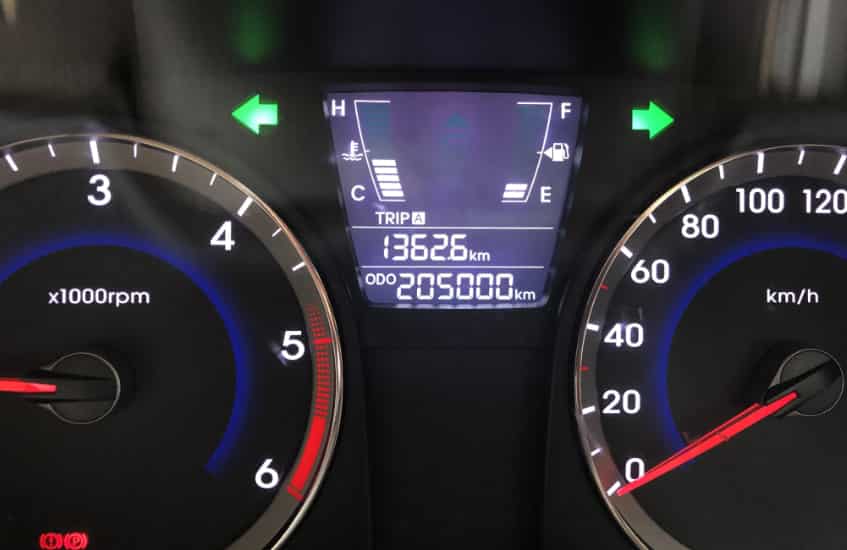
The average lifespan of a Hyundai Elantra depends on how well it is maintained and how it is driven over time. In general, most owners can expect the car to last between 150,000 and 250,000 miles under normal conditions. This range reflects typical real world usage rather than ideal laboratory results. Many vehicles reach this milestone without major issues when owners follow a consistent maintenance schedule.
In some cases, the Hyundai Elantra can exceed 300,000 miles. These long lasting examples usually come from careful owners who perform regular servicing and avoid aggressive driving habits. Routine oil changes, timely replacement of wear components, and proper engine care all contribute to extending the vehicle’s lifespan significantly.
Driving conditions also influence how long the car lasts. Highway driving tends to reduce engine stress compared to frequent stop and go city traffic. Extreme climates can also shorten lifespan if the vehicle is not properly maintained. Cold starts, overheating, and poor road conditions all increase wear on key components over time.
Another important factor is the model year. Newer Elantra models often benefit from improved engineering and updated materials, which can improve durability compared to older generations. However, even the most reliable model still depends heavily on how the owner treats the vehicle throughout its life.
Overall, the Hyundai Elantra offers a competitive lifespan in the compact sedan segment when maintained properly. It may not always lead the class in maximum durability, but it delivers a balanced combination of affordability, efficiency, and long term usability for most drivers.
How Long Does the Hyundai Elantra Engine Last?
The engine is the most important factor that determines how long a car can last. In the case of the Hyundai Elantra, engine lifespan usually falls within a broad range depending on maintenance quality and driving habits. A well maintained engine can often last between 150,000 and 250,000 miles, and in some cases even longer when care is consistent.
Many Elantra engines perform reliably when owners follow proper service schedules. Regular oil changes play a critical role in reducing internal wear. Clean oil helps protect moving parts and keeps engine temperature stable. When oil changes are delayed, friction increases and long term damage can develop faster than expected.
Driving style also affects engine durability. Smooth acceleration and steady speeds reduce stress on internal components. In contrast, aggressive driving, frequent hard braking, and constant short trips can shorten engine life. Short trips are especially harmful because the engine does not reach optimal operating temperature, which leads to moisture buildup and incomplete lubrication.
As the engine ages, some warning signs may appear. Increased oil consumption, unusual knocking sounds, and reduced power output are common indicators of wear. These signs do not always mean immediate failure, but they show that the engine is under stress and may require attention.
Overall, the Hyundai Elantra engine can be considered durable for its class when properly maintained. While it may not match the longest lasting engines in the industry, it offers a solid balance of efficiency and longevity for everyday driving needs.
Reliability Over Time
The reliability of the Hyundai Elantra changes as the vehicle ages, and it often follows a predictable pattern based on usage and maintenance. In the early years, usually within the first five years, the car tends to perform very well with few major issues. Most systems operate smoothly, and owners mainly deal with routine maintenance such as oil changes, brake service, and tire replacement.
Between five and ten years of use, wear and tear becomes more noticeable. Small mechanical issues may begin to appear, especially in suspension components, sensors, and cooling systems. At this stage, maintenance quality plays a much larger role in overall reliability. Vehicles that receive consistent servicing usually continue to perform well, while neglected cars may start showing frequent problems.
After ten years or higher mileage, reliability becomes more dependent on the condition of individual components rather than the overall design. Some owners still experience stable performance, but repair frequency typically increases. Parts such as the transmission, alternator, and suspension system may require replacement as normal wear progresses.
Electrical systems can also become less stable over time. Sensors may fail more often, and minor electronic issues can appear. These problems are usually not critical, but they can affect driving comfort and long term ownership satisfaction.
Overall, the Hyundai Elantra maintains decent reliability across its lifespan when properly maintained. However, like most compact sedans, its long term dependability depends heavily on how consistently it is serviced and how carefully it is driven.
Mileage Milestones and Repair Expectations
Understanding mileage milestones helps owners predict what to expect as the Hyundai Elantra ages. Each stage of mileage brings different maintenance needs and potential repair risks. This makes it easier for drivers to plan costs and avoid unexpected breakdowns.
From 0 to 100,000 miles, the vehicle is generally in its most stable condition. Most drivers only handle routine maintenance such as oil changes, filters, brake pads, and tire replacements. If the car is serviced properly, major issues are rare during this stage and overall performance remains strong.
Between 100,000 and 150,000 miles, normal wear starts to appear. Components such as suspension parts, wheel bearings, and cooling system elements may begin to degrade. At this stage, preventive maintenance becomes more important because small issues can grow into larger repairs if ignored.
From 150,000 to 200,000 miles, the vehicle enters a higher risk phase for major repairs. Transmission stress may increase, and engine components may show signs of aging. Owners often start replacing larger parts during this period, especially if maintenance history is inconsistent.
Beyond 200,000 miles, the condition of the vehicle depends heavily on past care. Some Elantras continue to perform well, while others require frequent repairs. Key systems such as the transmission, engine seals, and suspension are more likely to need attention. Repair costs can increase significantly at this stage, so ownership decisions often depend on the overall condition of the car.
Common Problems That Affect Longevity
Several issues can influence how long the Hyundai Elantra lasts, especially as mileage increases. These problems do not appear in every vehicle, but they are common enough that owners should understand them early to prevent costly repairs.
One of the most discussed issues is transmission wear in certain model years. Drivers may notice rough shifting or delayed response over time. This usually happens after high mileage or inconsistent maintenance. Regular fluid changes can reduce the risk, but neglect often accelerates the problem.
Engine related issues can also affect long term durability. Some vehicles experience oil consumption or minor knocking sounds as mileage increases. These symptoms often develop slowly and become more noticeable when maintenance schedules are not followed properly. Early detection is important because it can prevent more serious engine damage.
Suspension components are another common wear point. Parts such as shocks, struts, and bushings naturally degrade after years of driving. This can lead to reduced comfort and less stable handling. While not critical to engine function, suspension wear affects overall driving quality and safety.
Electrical system issues may also appear in older vehicles. Sensors, switches, and small electronic modules can fail over time. These problems are usually not severe, but they can create inconvenience and require diagnostic work.
Overall, these common problems do not define every Hyundai Elantra. However, they highlight why maintenance history and driving habits play a major role in determining long term reliability and lifespan.
How to Make a Hyundai Elantra Last Longer
Extending the lifespan of the Hyundai Elantra depends mostly on how consistently it is maintained and how carefully it is driven. Owners who follow proper maintenance routines can significantly increase mileage potential and reduce the risk of major repairs over time.
Regular oil changes are one of the most important factors. Clean engine oil reduces friction and helps protect internal components from wear. When oil is changed on time, the engine runs smoother and stays cooler, which directly improves long term durability. Delaying oil changes is one of the fastest ways to shorten engine life.
Preventive maintenance also plays a key role. Checking and replacing fluids, filters, and belts on schedule helps avoid unexpected breakdowns. Small issues are easier and cheaper to fix when they are detected early. Ignoring minor problems often leads to larger and more expensive repairs later.
Driving habits also have a strong impact on longevity. Smooth acceleration and steady driving reduce stress on both the engine and transmission. Frequent hard braking, rapid acceleration, and aggressive driving can accelerate wear. Short trips should also be minimized when possible because they prevent the engine from reaching optimal operating temperature.
Using high quality or OEM parts during repairs can further improve reliability. Cheap aftermarket parts may save money initially but can reduce long term performance if they fail early. Consistent care and proper part selection together create a strong foundation for long vehicle life.
Hyundai Elantra vs Competitors
When evaluating how long the Hyundai Elantra lasts, it is useful to compare it with other popular compact sedans in the same segment. This helps set realistic expectations for durability, maintenance costs, and long term ownership value.
A common benchmark in this category is the Toyota Corolla. The Corolla is widely known for its strong long term reliability and often reaches very high mileage with minimal major issues. In comparison, the Elantra offers a competitive lifespan but may require more attention to maintenance to achieve similar durability levels. The difference is not extreme, but it is noticeable in long term ownership data.
The Honda Civic is another close competitor. The Civic typically balances performance and reliability well, and many units also achieve high mileage when properly maintained. Compared to the Civic, the Elantra focuses more on affordability and modern features, while long term durability is generally considered slightly less consistent across older model years.
Despite these comparisons, the Elantra still performs well within its segment. It offers a strong combination of fuel efficiency, comfort, and lower purchase price. For many drivers, these advantages outweigh small differences in maximum lifespan, especially when the vehicle is maintained correctly.
Overall, while competitors like the Corolla may lead in long term durability, the Elantra remains a solid option for drivers who want a balance between cost, features, and reasonable lifespan.
Conclusion
Understanding how long the Hyundai Elantra lasts depends on looking at more than just a single mileage number. In most real world cases, the vehicle can last between 150,000 and 250,000 miles, and many well maintained examples can go beyond 300,000 miles. The difference in lifespan usually comes down to maintenance quality, driving habits, and how quickly issues are addressed.
Throughout this guide, it becomes clear that engine care plays the most important role in long term durability. Regular oil changes, timely servicing, and careful driving behavior significantly extend the life of the engine and other key components. At the same time, neglecting basic maintenance can shorten the vehicle’s lifespan even if the original build quality is solid.
Reliability over time also follows a predictable pattern. The car performs strongly in the early years, then gradually requires more attention as mileage increases. This is normal for most compact sedans and not unique to the Elantra. What matters most is how well the vehicle is maintained during each stage of ownership.
When compared to competitors, the Elantra offers a balanced package of affordability, comfort, and reasonable long term durability. It may not always lead in maximum lifespan, but it remains a practical and cost effective option for many drivers.
In the end, the answer to “How Long Do Hyundai Elantras Last” is not a fixed number. It is a range shaped by ownership behavior, maintenance discipline, and driving conditions. With proper care, the Elantra can remain a reliable daily vehicle for many years.