Many Hyundai owners become concerned when their brake lights suddenly stay on even after the vehicle is turned off. In some cases, the battery dies overnight for no obvious reason. Other drivers notice that the gear selector becomes stuck in park, making the vehicle impossible to drive. These problems often appear without warning and can easily make owners believe they are facing a serious transmission or electrical failure.
Surprisingly, one of the most common causes is a tiny rubber component called the brake pedal stopper. Although this small part looks insignificant, it plays a major role in controlling the brake light switch and shift interlock system. Once the stopper breaks or deteriorates, the brake switch can no longer detect proper pedal movement. This simple failure can trigger multiple frustrating symptoms at the same time.
The good news is that Hyundai brake pedal stopper replacement is usually fast, inexpensive, and beginner friendly. Most drivers can complete the repair at home with minimal tools and very little mechanical experience. Replacing the stopper can immediately solve brake lights staying on, shift lock problems, push button start issues, and battery drain concerns.
In this guide, you will learn how the Hyundai brake pedal stopper works, the most common warning signs of failure, which Hyundai models are commonly affected, and the exact steps required to replace the damaged stopper correctly. You will also discover how to prevent the issue from happening again in the future.
What Is a Hyundai Brake Pedal Stopper?
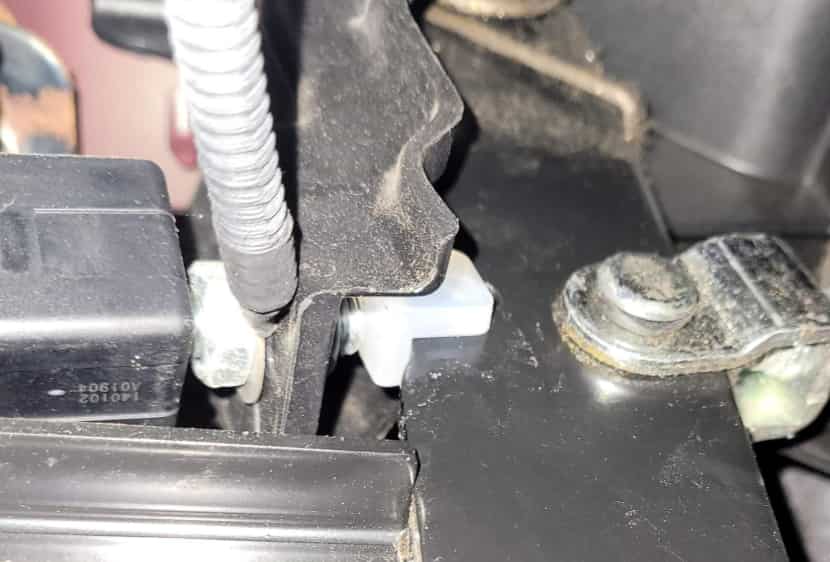
The Hyundai brake pedal stopper is a small rubber or plastic component attached to the brake pedal assembly. Its main function is to create proper contact between the brake pedal and the brake light switch. When the driver presses or releases the brake pedal, the stopper helps the switch detect pedal movement accurately.
This small component plays an important role in several vehicle systems. It controls brake light activation, communicates with the shift interlock mechanism, and helps the vehicle recognize brake pedal input during engine startup. In modern Hyundai vehicles, many electronic systems rely on this simple connection to function properly.
The brake pedal stopper is usually located behind the brake pedal arm near the brake light switch. Over time, heat exposure, aging rubber, and constant pedal movement can cause the stopper to crack, weaken, or completely fall apart. Once the stopper disappears, the brake light switch remains engaged continuously, causing brake lights to stay on even when the pedal is not pressed.
Because the part is extremely small, many drivers overlook it during diagnosis. Some owners mistakenly replace the brake light switch, battery, or even transmission components before discovering the real problem. Understanding the purpose of the Hyundai brake pedal stopper can help drivers avoid unnecessary repairs and expensive diagnostic costs.
One of the reasons this issue is so common is that rubber components naturally deteriorate with age. Hyundai models that are several years old are especially vulnerable to stopper failure, particularly in hot climates where interior temperatures become extreme. Fortunately, replacing the stopper is usually a simple repair that restores normal brake system operation almost immediately.
Common Symptoms of a Failed Hyundai Brake Pedal Stopper
When the Hyundai brake pedal stopper fails, drivers usually notice clear warning signs. The most common symptom is brake lights that stay on even when the pedal is not pressed. This happens because the brake light switch stays activated without the stopper in place. The result is continuous power draw that can drain the battery overnight.
Another frequent issue is a shift lock problem. The gear selector may stay stuck in Park because the car does not detect brake pedal input. Many drivers think this is a transmission failure, but the real cause is often a missing or broken stopper.
Some Hyundai vehicles also show start system issues. Push button start may not respond because the system cannot confirm that the brake pedal is pressed. The dashboard may also display a brake warning message. This can make the car seem completely unresponsive even though the battery works normally.
In some cases, drivers hear a light clicking sound near the brake pedal. This usually happens when broken rubber pieces move around the pedal area. These fragments can interfere with the brake switch and cause unstable brake light behavior.
These symptoms often appear together, which makes the problem confusing. Many owners assume there is a serious electrical or transmission fault. In reality, the Hyundai brake pedal stopper is often the root cause. Checking this small part early can save time and prevent unnecessary repairs.
What Causes Hyundai Brake Pedal Stopper Failure
The Hyundai brake pedal stopper usually fails due to simple wear and tear. This small rubber part sits under constant pressure every time you press the brake pedal. Over time, the material loses elasticity and begins to crack or break.
Heat inside the vehicle also speeds up this process. High cabin temperatures weaken rubber and plastic components, especially in older Hyundai models. Once the material becomes brittle, even normal daily driving can cause it to fall apart.
Another common cause is long term aging. Many drivers do not notice this part until it fails completely. The stopper slowly degrades over years, then suddenly breaks without warning. When this happens, the brake light switch loses proper contact with the pedal.
Poor quality replacement parts can also lead to early failure. Some aftermarket stoppers use low grade rubber that cannot handle repeated pressure. These parts may wear out much faster than OEM components.
In some cases, improper installation during previous repairs can shorten the lifespan of the stopper. If the part is not seated correctly, it may shift or wear unevenly under pressure.
Overall, the failure is not caused by complex mechanical issues. It is mainly the result of aging materials, heat exposure, and constant use. This makes the Hyundai brake pedal stopper replacement a simple but necessary maintenance task for many vehicles.
Hyundai Models Commonly Affected
The Hyundai brake pedal stopper issue appears across many popular Hyundai models. It is not limited to one specific vehicle line because the brake pedal design and components are shared in multiple platforms.
Hyundai Elantra is one of the most commonly reported models. Owners often notice brake lights staying on or shift lock problems after several years of use. Hyundai Sonata also frequently experiences similar symptoms, especially in older model years where rubber components have aged.
Hyundai Tucson and Hyundai Santa Fe are also affected. These SUVs use similar brake pedal assemblies, which makes them vulnerable to the same stopper failure over time. Drivers may experience gear shift issues or battery drain without understanding the cause.
Hyundai Accent is another model where this problem can occur. Even though it is a smaller vehicle, it still relies on the same brake pedal switch system that depends on a working stopper.
In addition, several Kia vehicles that share Hyundai platforms may also face similar issues. This happens because both brands often use interchangeable parts in their brake and electrical systems.
Overall, the issue is widespread across Hyundai and some Kia models. It is not a design defect in a single car but rather a shared wear related component that becomes common after years of driving.
How to Diagnose a Bad Brake Pedal Stopper
To diagnose a Hyundai brake pedal stopper problem, start with a simple visual inspection. Look under the dashboard near the brake pedal arm. If the rubber stopper is missing or broken, this is already a strong sign of failure.
Next, check the brake lights. Ask someone to confirm whether the brake lights stay on even when you are not pressing the pedal. If the lights remain active, the brake switch is likely being held in the ON position due to the missing stopper.
Then test the shift lever. Try moving the gear selector out of Park while pressing the brake pedal. If the gear lever stays locked, the vehicle may not be detecting brake input correctly. This often points to a stopper issue rather than a transmission fault.
You should also inspect the brake pedal movement itself. A healthy system has a clear stop point when the pedal is released. If the pedal feels unusual or does not return smoothly, the stopper area may be damaged.
Finally, observe the brake switch. If the switch is constantly pressed without touching the pedal, the stopper is likely missing. In many cases, you may even see an empty mounting hole where the rubber piece should be.
These simple checks help confirm the problem quickly. Most drivers can identify a failed Hyundai brake pedal stopper within minutes without special tools or professional diagnosis.
Tools Needed for Hyundai Brake Pedal Stopper Replacement
Replacing the Hyundai brake pedal stopper does not require advanced tools. Most drivers can complete the job with basic items already available at home or in a simple toolkit.
The most important item is the replacement brake pedal stopper. It is a small rubber or plastic part designed to fit into the brake pedal arm. Choosing a quality part is important because it directly affects brake light and shift lock performance.
A flashlight is helpful for seeing clearly under the dashboard. The brake pedal area is usually dark and tight, so good lighting makes the job much easier.
Needle nose pliers can help if any broken pieces of the old stopper are stuck in place. They allow you to remove debris without damaging surrounding components.
A pair of gloves is recommended to keep your hands clean while working in a small and dirty space. A clean cloth can also be used to wipe the area around the pedal before installing the new stopper.
In most cases, no heavy tools or mechanical experience are required. This makes the Hyundai brake pedal stopper replacement one of the simplest DIY repairs for common brake light and shift lock issues.
Step by Step Hyundai Brake Pedal Stopper Replacement
Start by positioning yourself comfortably under the driver side dashboard. Move the seat back as much as possible to create more working space. Use a flashlight to clearly locate the brake pedal assembly and identify the stopper mounting point.
Next, inspect the brake pedal arm. If the stopper is broken or missing, you will usually see an empty hole or leftover rubber fragments. Carefully remove any remaining pieces using needle nose pliers. Make sure the area is clean so the new stopper can fit properly.
After cleaning, take the new brake pedal stopper and align it with the mounting hole. Push it firmly into place until it locks securely. You should feel it snap or sit tightly without movement. This step is important because a loose stopper can cause the same problem to return.
Once installed, test the brake pedal by pressing and releasing it several times. Watch the brake lights at the rear of the vehicle or ask someone to confirm proper operation. The lights should turn on only when the pedal is pressed and turn off immediately when released.
Then check the shift selector. Try moving the gear lever out of Park while pressing the brake pedal. If the stopper is installed correctly, the shift lock should release normally.
Finally, start the engine and confirm that the system responds correctly. A successful Hyundai brake pedal stopper replacement will immediately restore normal brake light behavior, shift function, and starting response.
Hyundai Brake Pedal Stopper Replacement Cost
The cost of a Hyundai brake pedal stopper replacement is generally very low compared to most car repairs. In many cases, the part itself is inexpensive, and the repair can be completed without professional help.
If you choose to do it yourself, the DIY cost is usually limited to the price of the stopper. Most replacement stoppers are affordable and widely available online or at auto parts stores. This makes it one of the cheapest fixes for brake light and shift lock issues.
If you go to a mechanic or dealership, the total cost increases due to labor charges. Even though the part is small, shops may charge for diagnosis and installation time. This can make the repair significantly more expensive than doing it at home.
OEM parts typically cost more than aftermarket options, but they offer better fit and longer durability. Aftermarket stoppers are cheaper, but quality can vary depending on the manufacturer. A low quality part may wear out faster and cause the same issue again.
Overall, this is one of the most cost effective repairs in Hyundai maintenance. Many drivers are surprised that such a small part can solve problems that initially look like major electrical or transmission failures.
OEM vs Aftermarket Brake Pedal Stoppers
When choosing a replacement for the Hyundai brake pedal stopper, drivers usually compare OEM and aftermarket options. Both can work, but they differ in quality, durability, and long term reliability.
OEM Hyundai parts are designed to match the original factory specifications. They fit perfectly into the brake pedal assembly and provide stable performance over time. Most OEM stoppers use higher quality rubber, which helps them resist heat and wear better. This reduces the chance of early failure and repeat repairs.
Aftermarket stoppers are more affordable and widely available. Many drivers choose them for quick repairs or low cost solutions. However, quality varies between brands. Some aftermarket parts fit well and work fine, while others may feel loose or wear out faster under daily use.
In some cases, a poorly made aftermarket stopper can cause recurring symptoms such as brake lights staying on or shift lock issues returning. This is why material quality and brand reputation are important when selecting a replacement.
For long term reliability, OEM parts are generally the safer choice. Aftermarket parts can still be a good option if you choose a trusted manufacturer and install the part correctly.
Ultimately, the best choice depends on your budget and how long you plan to keep the vehicle. If you want stability and fewer repeat repairs, OEM is preferred. If you need a quick and low cost fix, a quality aftermarket part can still solve the problem effectively.
Can You Drive with a Broken Brake Pedal Stopper
Driving with a broken Hyundai brake pedal stopper is possible, but it is not safe or recommended. Even though the car may still move normally, the brake system no longer works correctly in terms of signaling and control logic.
One of the biggest risks is brake lights staying on all the time. This creates confusion for other drivers and increases the chance of rear end accidents. It also drains the battery continuously, which can leave the vehicle unable to start.
Another serious issue is the shift lock system. When the stopper fails, the vehicle may not recognize brake input. This can leave the gear selector stuck in Park, especially in parking lots or traffic situations where quick movement is needed.
In push button start vehicles, the engine may not start reliably. The system depends on correct brake pedal detection, and a failed stopper can interrupt this signal. This can create unexpected starting problems even when the battery is fully charged.
Although the vehicle can still technically be driven once it is running, the overall safety and convenience are reduced. The risk of being stranded or misdiagnosing a larger problem is also higher.
For these reasons, it is better to treat a broken Hyundai brake pedal stopper as an urgent repair rather than a minor inconvenience. Fixing it early prevents electrical drain, improves safety, and restores full vehicle functionality.
How to Prevent Future Brake Pedal Stopper Failure
Preventing Hyundai brake pedal stopper failure is mostly about simple maintenance and using the right replacement parts. Since this component is made from rubber or plastic, its lifespan depends heavily on heat exposure, usage, and material quality.
One of the best ways to prevent repeated failure is to inspect the brake pedal area during regular maintenance. A quick visual check every few months can help you spot early signs of wear such as cracks, looseness, or missing pieces.
It is also important to replace aging rubber components before they completely fail. If you notice any irregular brake light behavior or slight shift lock issues, checking the stopper early can prevent more serious symptoms from developing.
Using high quality replacement parts also plays a key role. OEM stoppers are usually more resistant to heat and pressure, which helps them last longer under daily driving conditions. A well made part reduces the chance of repeat repairs.
Another helpful habit is avoiding unnecessary force on the brake pedal when parking or starting the vehicle. Smooth and normal usage reduces stress on small components in the pedal assembly.
Overall, prevention is simple and does not require technical skills. Regular inspection and proper part selection are usually enough to avoid Hyundai brake pedal stopper problems in the future.
Conclusion
The Hyundai brake pedal stopper is a very small component, but it plays a critical role in the overall brake and transmission control system. When it fails, it can create multiple confusing problems such as brake lights staying on, shift lock malfunctions, push button start issues, and even battery drain.
Many drivers initially assume these symptoms come from serious electrical or transmission failures. In reality, the root cause is often a simple worn or broken stopper. This makes proper diagnosis extremely important before spending money on unnecessary repairs.
The good news is that Hyundai brake pedal stopper replacement is fast, affordable, and easy to complete even for beginners. With basic tools and a few minutes of work, you can restore normal brake light operation and fix shift lock problems immediately.
By understanding the symptoms, checking the brake pedal area early, and using quality replacement parts, you can prevent repeat issues and keep your vehicle operating safely.
If you notice any of the warning signs discussed in this guide, it is best to inspect the brake pedal stopper as soon as possible. A quick fix today can prevent bigger problems tomorrow and keep your Hyundai running smoothly without interruptions.