Many people ask how long a midsize sedan can last before it becomes unreliable or too expensive to maintain. The Hyundai Sonata is a popular choice because it offers good comfort, modern features, and an affordable price. Still, many buyers worry about its long-term durability. They want to know if it can handle daily use for many years or if it will start to break down too soon.
The question How Long Do Hyundai Sonatas Last is not simple. It depends on several real-world factors. These include mileage, engine condition, transmission health, and maintenance habits. Driving style also plays an important role. Some owners report early issues due to poor maintenance. Others drive their Sonata beyond 200000 miles without major problems.
This article explains the real lifespan of the Hyundai Sonata in a clear and practical way. We will look at mileage expectations, engine life, and common reliability factors. You will also learn what reduces its lifespan and what helps extend it. In addition, we will discuss whether a high mileage Sonata is still a good option for buyers today.
By the end, you will understand how long a Hyundai Sonata can really last based on real usage, not just manufacturer claims. This will help you make a smarter decision whether you already own one or plan to buy it.
Average Lifespan of Hyundai Sonata
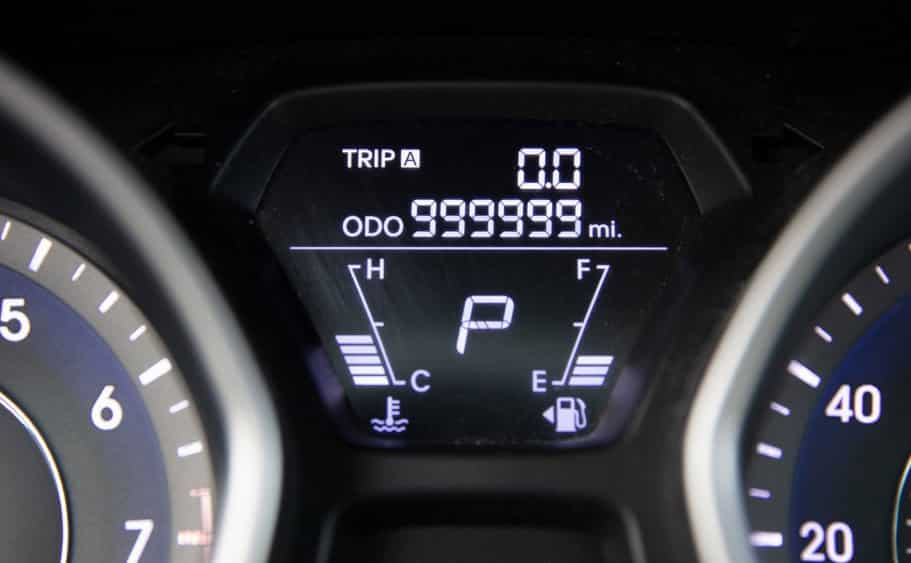
The average lifespan of a Hyundai Sonata depends on how well it is maintained and how it is driven. In real-world conditions, most Hyundai Sonata vehicles last between 150000 and 220000 miles. This range reflects typical ownership patterns, including daily commuting, city driving, and highway use.
Hyundai Sonata is designed to serve as a long-term family sedan. With proper care, many owners report their vehicles reaching 250000 miles or more. Some even go beyond 300000 miles, but this usually requires strict maintenance and careful driving habits.
Driving conditions have a strong impact on lifespan. Highway driving usually extends vehicle life because it reduces engine stress. In contrast, stop and go city driving creates more wear on the engine, brakes, and transmission. Climate also plays a role. Extreme heat or cold can shorten the lifespan if the car is not properly maintained.
Maintenance history is one of the most important factors. Regular oil changes, timely transmission service, and proper cooling system care can significantly extend the life of the Sonata. On the other hand, neglecting basic maintenance can reduce its lifespan by tens of thousands of miles.
In summary, the Hyundai Sonata can last a long time when it is properly maintained. However, its real lifespan is not fixed. It depends heavily on how the vehicle is used and how consistently it is serviced over time.
Engine Life Expectancy and Reliability
The engine is one of the most important factors that determines how long a car can last. In the Hyundai Sonata, engine durability has improved over different generations. Modern versions use more efficient designs that aim to balance performance and long-term reliability.
In most real-world cases, the engine in a Hyundai Sonata can last between 180000 and 250000 miles. Some well maintained engines can go beyond this range. However, engine life depends heavily on how the car is serviced and driven over time.
Hyundai Sonata engines perform best when owners follow a consistent maintenance schedule. Regular oil changes help reduce internal wear. Clean oil keeps engine components lubricated and reduces heat buildup. Ignoring oil changes is one of the fastest ways to shorten engine life.
Cooling system maintenance also plays a key role. Overheating can cause serious engine damage. A properly functioning radiator and coolant system help prevent this issue. Drivers who ignore warning signs such as rising temperature often face costly repairs.
Driving style also affects engine life. Smooth acceleration and steady speeds reduce stress on internal parts. In contrast, aggressive driving increases wear and can shorten the engine lifespan.
Overall, the Hyundai Sonata engine is considered fairly reliable when properly maintained. It is not the most durable engine in its class, but it can still deliver long service life if owners take care of it consistently.
Transmission, Electrical, and Common Issues
The transmission and electrical systems play a major role in the long term reliability of a vehicle. In the Hyundai Sonata, these components generally perform well, but some issues can appear as the car ages or accumulates high mileage.
The transmission is one of the most discussed components among owners. In normal driving conditions, it can last well over 150000 miles. However, some drivers report hesitation, rough shifting, or wear in older models. These problems often come from delayed fluid changes or heavy driving in traffic. Regular transmission fluid service helps reduce these risks and improves long term performance.
Hyundai Sonata may also develop electrical issues in certain model years. These can include sensor malfunctions, infotainment glitches, or minor wiring problems. While these issues are not always critical, they can affect driving comfort and reliability perception.
Suspension components also show wear over time. Bushings, shocks, and control arms may need replacement after long use. This is normal for most midsize sedans and not unique to the Sonata. Still, ignoring suspension wear can lead to reduced comfort and uneven tire wear.
It is important to understand that many long term issues are not sudden failures. Instead, they develop gradually due to maintenance neglect. Small problems such as delayed fluid changes or ignored warning signs can grow into larger repair costs over time.
Overall, the Hyundai Sonata remains a solid vehicle in this category. Most issues appear with age and mileage rather than early failure. Proper maintenance and timely repairs can significantly reduce these risks and extend the usable life of the car.
How to Make a Hyundai Sonata Last Longer
The lifespan of a vehicle is not fixed. It depends heavily on how the owner maintains and drives it over time. A Hyundai Sonata can last much longer if it receives proper care and regular maintenance.
One of the most important factors is routine oil changes. Clean engine oil reduces friction and protects internal components. Delaying oil changes increases wear and can shorten engine life significantly. Owners who follow a strict oil change schedule often see better long term performance.
Transmission care is also essential. The transmission fluid should be replaced at recommended intervals. This helps maintain smooth shifting and prevents early wear. Many transmission problems start because fluid changes are ignored for too long.
Hyundai Sonata also benefits from regular cooling system maintenance. A healthy radiator and coolant system prevent overheating. Overheating is one of the fastest ways to damage an engine and reduce vehicle lifespan.
Driving habits also play a major role. Smooth acceleration and steady braking reduce stress on the engine and transmission. Aggressive driving increases wear and leads to faster component degradation.
Tire and suspension care should not be ignored. Proper tire rotation and alignment help maintain balance and reduce strain on suspension parts. This improves comfort and extends the life of related components.
In addition, early problem detection is very important. Small issues such as unusual noises or warning lights should be checked immediately. Ignoring early signs often leads to more expensive repairs later.
In summary, a Hyundai Sonata can easily gain tens of thousands of extra miles when it is properly maintained. Consistent care is the key factor that determines whether the car lasts a moderate lifespan or becomes a long term reliable vehicle.
Is a High Mileage Hyundai Sonata Still Worth It?
A high mileage vehicle can still be a good purchase if it has been well maintained. The condition of the car is often more important than the number on the odometer. This is especially true for midsize sedans like the Hyundai Sonata.
In many real world cases, a Hyundai Sonata with 100000 to 150000 miles can still perform reliably. These vehicles are often used as daily commuters and can remain stable if they receive regular maintenance. Some even continue to perform well beyond 200000 miles when previous owners follow proper service schedules.
Hyundai Sonata becomes more of a risk after higher mileage, but it is not automatically a bad choice. The key is to evaluate the vehicle’s history. A full service record is one of the strongest indicators of long term reliability. It shows that oil changes, fluid replacements, and inspections were done on time.
Buyers should also inspect the engine and transmission carefully. Smooth shifting, stable idle, and absence of unusual noise are good signs. Any hesitation or rough behavior may indicate upcoming repair costs.
Suspension and brake condition should also be checked. High mileage cars often need replacement of wear parts. These are normal maintenance items, but they can add to the total ownership cost.
Price is another important factor. A high mileage Sonata should be priced lower to reflect its usage and potential repair needs. If the price is fair and the condition is good, it can still be a practical and budget friendly option.
Overall, a high mileage Hyundai Sonata is still worth considering if it has been properly cared for. The decision depends more on condition and maintenance history than mileage alone.
Conclusion
Understanding how long a Hyundai Sonata can last depends on more than just a single number. It depends on maintenance, driving habits, and how the vehicle is used over time. There is no fixed lifespan that applies to every car.
In real world conditions, most Hyundai Sonata vehicles last between 150000 and 220000 miles. With proper care, many owners can extend that range to 250000 miles or more. Some well maintained examples even reach around 300000 miles.
Hyundai Sonata shows that longevity is achievable when the car is serviced correctly. Regular oil changes, transmission maintenance, and cooling system care all play a major role in extending its life. At the same time, driving style and early problem detection also strongly influence long term durability.
The key takeaway is that the Hyundai Sonata is not defined by a fixed lifespan. It is defined by how well it is maintained. A neglected vehicle will age quickly, while a well maintained one can remain reliable for many years.
For buyers, especially in the used car market, condition matters more than mileage alone. A high mileage Sonata with a strong service history can still be a smart and practical choice.
In the end, the Hyundai Sonata can be a long lasting and dependable sedan when owners take care of it consistently. It rewards good maintenance with extended life and stable performance over time.