Is your Chevy idling rough or hesitating when you press the gas pedal? Many drivers face this issue without knowing the real cause. In most cases, the throttle position sensor plays a key role.
This small component sends throttle data to the engine control unit. When it fails or becomes misaligned, your engine may respond poorly. You may notice slow acceleration, unstable idle, or delayed shifting.
Many car owners replace parts too quickly. Others spend money at repair shops without solving the root problem. In reality, you often just need a proper Chevy throttle position sensor reset to restore correct calibration.
This reset allows the system to relearn accurate throttle positions. It helps your engine respond smoothly again without costly repairs.
In this guide, you will learn how to perform a Chevy throttle position sensor reset step by step. The process is simple and suitable for most drivers. You can do it at home with confidence and improve your vehicle’s performance right away.
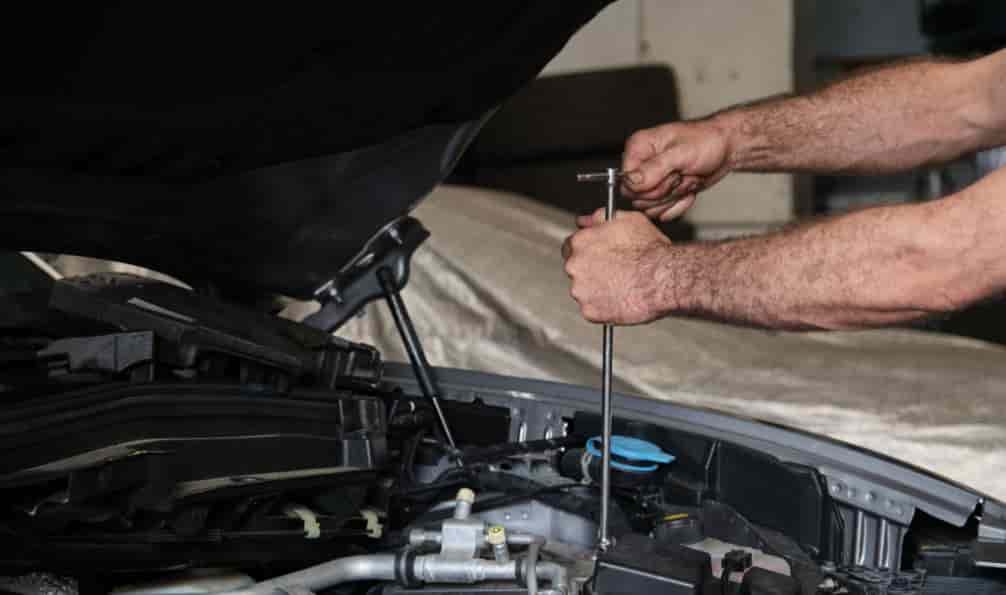
What Is a Throttle Position Sensor and Why Reset Matters
The throttle position sensor is a critical component in your Chevy’s engine management system. It monitors how far the throttle valve opens when you press the gas pedal. Then it sends this data directly to the engine control unit.
The engine control unit uses this information to adjust fuel injection and ignition timing. When the data is accurate, your engine runs smoothly and responds quickly. When the data becomes incorrect, problems start to appear.
A misaligned or uncalibrated sensor can cause rough idle, poor acceleration, and delayed throttle response. In many cases, the sensor itself is not broken. It simply needs to be recalibrated through a proper reset process.
This is where a Chevy throttle position sensor reset becomes important. The reset clears incorrect data and allows the system to relearn the correct throttle position. This process is often required after replacing the sensor or cleaning the throttle body.
Without a proper relearn, your vehicle may continue to run poorly even after repairs. That is why understanding this step is essential if you want to restore performance and avoid unnecessary costs.
Signs You Need a Chevy Throttle Position Sensor Reset
Your Chevy often shows clear signs when the throttle position sensor loses calibration. Many drivers ignore these signals at first. Over time, the problems become more serious and affect daily driving.
One common symptom is rough or unstable idle. The engine may shake or fluctuate even when the car is not moving. This happens because the engine control unit receives incorrect throttle data.
You may also notice hesitation when accelerating. The car feels slow to respond when you press the gas pedal. In some cases, it may suddenly surge or jerk forward.
Another warning sign is a delayed throttle response. There is a noticeable lag between pressing the pedal and engine reaction. This makes driving less smooth and less predictable.
In automatic vehicles, shifting can become rough or inconsistent. The transmission depends on throttle input to change gears correctly. When the data is wrong, gear changes feel harsh or mistimed.
The check engine light may also turn on. This often happens when the system detects abnormal sensor readings.
If you experience one or more of these issues, a Chevy throttle position sensor reset may solve the problem. It is a simple step that can restore proper communication between the sensor and the engine system.
Tools and Preparation Before Reset
Before you perform a Chevy throttle position sensor reset, you need to prepare properly. This step helps you avoid errors and ensures accurate relearn results.
The good news is that you do not always need special tools. In many cases, you can complete the reset manually. This makes the process simple and accessible for most drivers.
If you want a faster and more precise method, you can use an OBD2 scanner. Some advanced scanners include a throttle relearn function. This allows the system to recalibrate automatically with guided steps.
Make sure your car battery is stable and fully charged. A weak battery can interrupt the reset process and cause incorrect calibration. This is one of the most common mistakes many people overlook.
You should also ensure the engine is at normal operating temperature. Avoid performing the reset when the engine is too cold. This can lead to inaccurate relearn results.
During the reset process, do not press the gas pedal unless instructed. Any unnecessary input can confuse the system and affect the calibration.
Proper preparation makes a big difference. It helps your Chevy throttle position sensor reset work correctly on the first try and saves you time and effort.
Step by Step Chevy Throttle Position Sensor Reset
This is the most important part of the process. If you follow the steps correctly, your Chevy throttle position sensor reset will restore accurate throttle response and smooth engine performance.
There are two common methods you can use. The first method does not require any tools. The second method uses an OBD2 scanner for more precise control.
Method 1: Reset Without Scanner
This method works well for most Chevy models and is easy to perform at home.
First, insert the key and turn the ignition to the ON position. Do not start the engine. This allows the system to power up and begin reading sensor data.
Wait for about ten to fifteen seconds. During this time, the system starts to initialize and detect the throttle position.
Next, turn the ignition OFF completely. Wait another ten seconds to allow the system to shut down.
Repeat this cycle two to three times. This helps the engine control unit clear old data and prepare for relearning.
After that, start the engine and let it idle. Do not press the gas pedal. Let the engine run for a few minutes so it can relearn the correct throttle position.
You may notice the idle becomes more stable over time. This is a sign that the relearn process is working.
Method 2: Reset With OBD2 Scanner
If you have access to a scanner, this method provides more accurate results.
Connect the OBD2 scanner to your vehicle’s diagnostic port. Turn the ignition ON and follow the instructions on the device.
Look for functions such as throttle relearn or idle relearn. Select the appropriate option and allow the system to complete the process.
The scanner will guide you step by step. In most cases, the process takes only a few minutes.
After completion, start the engine and observe the idle and throttle response. The vehicle should feel smoother and more responsive.
A proper Chevy throttle position sensor reset can make a noticeable difference. It improves acceleration, stabilizes idle, and restores overall driving performance without expensive repairs.
Common Mistakes During Chevy Throttle Position Sensor Reset
Many drivers follow the correct steps but still get poor results. The reason often lies in small mistakes during the reset process. These errors can prevent the system from relearning properly.
One common mistake is performing the reset when the engine is cold. The engine control unit needs stable conditions to relearn accurately. Always let the engine reach normal temperature before starting.
Another mistake is pressing the gas pedal during the relearn phase. This action sends inconsistent signals to the system. As a result, the calibration becomes inaccurate and the problem may continue.
Some drivers also rush the process. They do not wait long enough during ignition cycles or idle time. The system needs a few moments to clear old data and relearn new values. Skipping this timing leads to incomplete results.
A weak or unstable battery is another hidden issue. If the voltage drops during the reset, the process may fail without obvious signs. This can confuse many drivers because the symptoms remain unchanged.
Many people also skip the idle relearn step after the reset. They start driving immediately and expect instant results. In reality, the engine needs time to stabilize at idle before full performance returns.
Avoiding these mistakes can make a big difference. A correct Chevy throttle position sensor reset should feel smooth and consistent. If done properly, it can solve many performance issues without replacing any parts.
TPS Reset vs Throttle Body Relearn
Many drivers confuse a throttle position sensor reset with a throttle body relearn. While both processes relate to engine calibration, they serve different purposes.
A Chevy throttle position sensor reset focuses on the sensor itself. It clears incorrect data and allows the system to relearn the exact position of the throttle. This ensures the engine control unit receives accurate input when you press the gas pedal.
In contrast, a throttle body relearn deals with airflow management. It helps the engine control unit adjust how much air enters the engine at idle and during acceleration. This process becomes important after cleaning or replacing the throttle body.
The key difference lies in what the system is learning. A TPS reset recalibrates position data, while a throttle relearn recalibrates airflow behavior.
In many real situations, both processes work together. For example, after cleaning the throttle body, the airflow changes. At the same time, the sensor may also need recalibration. Performing both steps ensures the engine runs smoothly and responds correctly.
If you skip one of these processes, the engine may still run poorly. You might experience unstable idle or inconsistent acceleration even after repairs.
Understanding this difference helps you diagnose problems more accurately. It also ensures your Chevy throttle position sensor reset delivers the best possible results.
How Long Does a Chevy Throttle Position Sensor Reset Take
A Chevy throttle position sensor reset usually takes between five to fifteen minutes. The exact time depends on the method you use and the condition of your vehicle.
If you perform the reset manually, the process may take a bit longer. You need to repeat ignition cycles and allow enough idle time for the system to relearn properly. Patience is important to get accurate results.
If you use an OBD2 scanner, the process is faster and more controlled. Most relearn procedures finish within a few minutes because the tool guides the system directly.
In some cases, the relearn process may continue while you drive. This is known as a drive cycle. The engine control unit collects data in real conditions to fine tune performance.
If everything works correctly, you will notice improvements almost immediately. The engine should idle smoothly and respond faster to throttle input.
If the reset takes too long or shows no improvement, the issue may not come from calibration. You may need to inspect the sensor or throttle body for deeper problems.
Conclusion
A Chevy throttle position sensor reset is one of the simplest ways to restore your vehicle’s performance. When done correctly, it helps your engine respond faster, idle more smoothly, and operate more efficiently.
Many drivers spend money replacing parts or visiting repair shops too early. In reality, a proper reset and relearn process can often solve the problem without extra cost. This makes it a valuable skill for anyone who wants to maintain their vehicle.
By understanding how the throttle position sensor works and following the correct steps, you can avoid common mistakes and achieve accurate results. Whether you choose a manual method or use a scanner, consistency and patience are key.
If your Chevy still shows symptoms after the reset, it may indicate a deeper issue. In that case, inspecting the sensor or throttle body will be the next step.
Try this Chevy throttle position sensor reset today and see how much smoother your car can feel. If this guide helped you, consider sharing it or saving it for future reference.