Few dashboard warnings are as alarming as a low engine oil pressure warning. If your Toyota Prius suddenly displays this message, it is not something you should ignore or postpone until your next maintenance visit. Low engine oil pressure can quickly lead to severe engine damage, turning what might have been a simple repair into a costly engine rebuild or replacement.
Engine oil is responsible for lubricating critical moving parts inside the engine, reducing friction, controlling heat, and preventing premature wear. When oil pressure drops below the recommended level, essential components may no longer receive adequate lubrication. As a result, metal parts can begin rubbing against each other, causing excessive heat, unusual engine noises, and accelerated wear.
Many Prius owners assume that low oil pressure automatically means the engine is low on oil. While insufficient oil is a common cause, several other issues can trigger the warning, including a faulty oil pressure sensor, a clogged oil filter, sludge buildup, a failing oil pump, or internal engine wear.
In this guide, you will learn the most common causes of Prius low engine oil pressure, the warning signs you should never ignore, how to diagnose the problem accurately, and the most effective solutions to protect your engine and avoid expensive repairs.
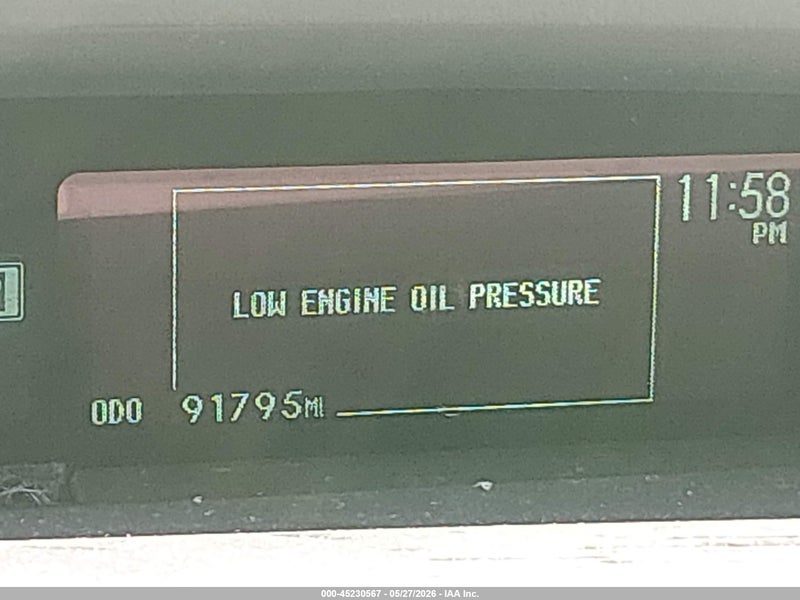
What Does Low Engine Oil Pressure Mean in a Toyota Prius?
Low engine oil pressure occurs when the engine’s lubrication system cannot circulate oil effectively through critical internal components. In a Toyota Prius, proper oil pressure is essential for protecting moving parts such as crankshaft bearings, camshafts, pistons, and valve train components from excessive friction and heat.
Many drivers confuse oil pressure with oil level, but they are not the same thing. Oil level refers to the amount of oil inside the engine, while oil pressure measures how effectively that oil is being distributed throughout the lubrication system. Even if the engine contains enough oil, pressure can still drop because of mechanical failures, clogged passages, worn bearings, or a defective oil pump.
When oil pressure falls below the manufacturer’s recommended range, engine components may not receive sufficient lubrication. This lack of protection can cause accelerated wear, overheating, and potentially catastrophic engine failure if left unaddressed. Modern Prius models are equipped with sensors that monitor oil pressure and trigger a warning light when abnormal conditions are detected.
Ignoring this warning can be extremely expensive. What begins as a minor issue such as a faulty sensor or overdue oil change can eventually lead to severe internal engine damage costing thousands of dollars to repair. Understanding what low oil pressure means is the first step toward protecting your Prius and ensuring long term reliability.
Common Symptoms of Low Engine Oil Pressure in a Prius
Recognizing the warning signs of low engine oil pressure early can help prevent costly repairs and extend the life of your vehicle. While the oil pressure warning light is the most obvious indicator, several other symptoms may appear before a serious failure occurs.
Oil Pressure Warning Light Illuminates
The most common symptom is the appearance of the oil pressure warning light on the dashboard. In some cases, the light may flicker intermittently before remaining illuminated continuously. A steady warning light typically indicates a more serious problem requiring immediate attention.
Engine Knocking or Ticking Sounds
When engine components do not receive enough lubrication, metal surfaces begin contacting each other more frequently. This often creates ticking, tapping, or knocking noises coming from the engine. These sounds should never be ignored because they may indicate ongoing internal damage.
Reduced Engine Performance
A Prius experiencing low oil pressure may feel sluggish during acceleration or exhibit reduced responsiveness. Some vehicles may enter a protective operating mode designed to minimize damage by limiting engine performance.
Burning Oil Smell
Insufficient lubrication increases friction and heat inside the engine. As temperatures rise, drivers may notice a burning oil odor, especially after extended driving or during heavy engine load conditions.
Engine Overheating
Although engine oil is primarily responsible for lubrication, it also helps dissipate heat. Low oil pressure can contribute to increased operating temperatures, placing additional stress on both the engine and cooling system.
Increased Engine Vibration
As internal components wear and operate without adequate lubrication, the engine may run less smoothly than normal. Drivers sometimes report unusual vibrations when idling or accelerating.
If any of these symptoms appear alongside an oil pressure warning light, the safest course of action is to stop driving and investigate the issue immediately.
10 Common Causes of Prius Low Engine Oil Pressure
Understanding the root cause of low oil pressure is critical for selecting the correct repair. While some problems are relatively inexpensive to fix, others may indicate serious internal engine wear.
1. Low Engine Oil Level
This is one of the most common causes of low oil pressure. Oil levels can drop because of leaks, excessive oil consumption, or neglected maintenance. When there is not enough oil available, the lubrication system cannot maintain adequate pressure.
2. Incorrect Oil Viscosity
Using oil that does not meet Toyota’s recommended specifications can affect pressure throughout the engine. Oil that is too thin may flow excessively, reducing pressure, while oil that is too thick can restrict circulation during cold starts.
3. Faulty Oil Pressure Sensor
A defective sensor can trigger false warnings even when actual oil pressure remains within normal limits. This issue is relatively common and should be verified before more extensive repairs are performed.
4. Clogged Oil Filter
Over time, oil filters collect contaminants and debris. A severely restricted filter can reduce oil flow and contribute to abnormal pressure readings.
5. Worn Oil Pump
The oil pump is responsible for circulating oil throughout the engine. As it wears, its ability to generate adequate pressure decreases, potentially causing persistent low pressure warnings.
6. Sludge Buildup
Poor maintenance habits and extended oil change intervals can lead to sludge accumulation. These deposits may block oil passages and restrict circulation throughout the engine.
7. Worn Engine Bearings
As bearings wear over time, increased clearance allows oil to escape more easily, reducing overall system pressure. This problem is more common in high mileage vehicles.
8. Damaged Oil Pickup Tube
The oil pickup tube draws oil from the oil pan and delivers it to the pump. Damage, blockages, or loose connections can disrupt oil flow and cause pressure loss.
9. Oil Leaks
External oil leaks may gradually reduce oil levels to the point where pressure becomes insufficient. Common leak locations include valve cover gaskets, oil pan gaskets, and drain plugs.
10. Excessive Engine Wear
In older Prius models with significant mileage, internal wear throughout the engine can make it difficult to maintain proper oil pressure. In severe cases, extensive repairs or engine replacement may be necessary.
Identifying which of these causes is responsible for your low oil pressure warning is essential before replacing parts or investing in repairs. A proper diagnosis can save both time and money while preventing unnecessary component replacement.
Is It Safe to Drive a Prius With Low Engine Oil Pressure?
The short answer is no. Continuing to drive a Toyota Prius with a low engine oil pressure warning can be one of the most expensive mistakes a vehicle owner makes. Unlike some dashboard alerts that indicate routine maintenance needs, low oil pressure is often a sign that the engine is not receiving the lubrication necessary to operate safely.
When oil pressure drops below acceptable levels, critical engine components begin operating with insufficient protection. Bearings, camshafts, pistons, and other moving parts rely on a constant supply of pressurized oil to minimize friction and dissipate heat. Without adequate lubrication, these components can wear rapidly and suffer permanent damage within a surprisingly short period of time.
Many drivers are tempted to continue driving if the vehicle appears to run normally. However, engine damage can occur even before noticeable performance issues develop. A warning light that remains illuminated should always be treated as a serious concern.
If the low oil pressure warning appears while driving, pull over as soon as it is safe to do so. Turn off the engine and check the oil level using the dipstick. If the oil level is low, adding the correct oil may help temporarily, but the underlying cause should still be investigated. If the oil level appears normal, avoid restarting the engine until the vehicle has been properly inspected.
The cost of towing a Prius to a repair facility is minimal compared to the cost of replacing a damaged engine. Acting quickly can often mean the difference between a simple repair and a major mechanical failure.
How to Diagnose Low Engine Oil Pressure in a Prius
Accurate diagnosis is essential because multiple issues can trigger a low oil pressure warning. Replacing parts without confirming the root cause can result in unnecessary expenses and wasted time.
The first step is checking the engine oil level. Park the vehicle on a level surface, allow the engine to cool, and inspect the dipstick. Low oil levels are among the most common reasons for pressure warnings and are also the easiest to correct.
Next, inspect the engine for visible oil leaks. Pay close attention to the valve cover gasket, oil pan, drain plug, and surrounding engine components. Even a slow leak can gradually reduce oil levels over time.
After confirming the oil level, evaluate the condition of the oil itself. Dirty, contaminated, or excessively old oil may contribute to pressure problems and restricted flow. If maintenance has been neglected, an oil and filter change may be necessary.
A diagnostic scan tool can help identify related trouble codes stored in the vehicle’s computer system. While not all oil pressure issues generate fault codes, scanning the vehicle can provide valuable clues during troubleshooting.
One of the most reliable diagnostic methods is measuring actual oil pressure using a mechanical oil pressure gauge. This test allows technicians to determine whether the engine truly has low pressure or if the sensor is providing inaccurate readings.
If oil pressure is genuinely low, further inspection may be required to evaluate the oil pump, oil pickup tube, engine bearings, and internal oil passages. In many cases, professional diagnosis is recommended because internal engine inspections can be complex and time consuming.
Taking a systematic approach helps eliminate guesswork and ensures that repairs target the actual source of the problem.
How to Fix Low Engine Oil Pressure in a Prius
The correct repair depends entirely on the underlying cause. Some solutions are simple and inexpensive, while others involve major engine work.
If low oil level is responsible, adding the appropriate amount and type of oil may restore normal pressure. However, it is important to determine why the oil level dropped in the first place. Common causes include leaks, excessive oil consumption, and overdue maintenance.
When incorrect oil viscosity has been used, performing a complete oil change with Toyota approved engine oil can often resolve the issue. Using the manufacturer’s recommended oil grade helps maintain proper lubrication and pressure under varying operating conditions.
A faulty oil pressure sensor is another common culprit. Replacing the sensor is generally straightforward and significantly less expensive than repairing internal engine components. Before replacing major parts, many technicians recommend verifying sensor accuracy through direct pressure testing.
If the oil filter has become clogged, installing a new filter and fresh oil may improve circulation and restore proper pressure. This repair is relatively inexpensive and should be part of routine maintenance.
Vehicles suffering from sludge buildup may require engine cleaning procedures and more frequent oil changes to remove accumulated deposits. In severe cases, internal components may need to be disassembled and cleaned manually.
When the oil pump has worn out or failed, replacement is typically necessary. Although more expensive than sensor or filter replacement, a new oil pump can restore proper lubrication and prevent further engine damage.
Repairs become significantly more complex when low pressure results from worn bearings or excessive internal engine wear. Depending on the severity of the damage, options may include partial engine rebuilding, complete engine overhaul, or engine replacement.
Regardless of the specific repair required, addressing low oil pressure early is always the most cost effective strategy. Small problems are usually far less expensive to fix than the extensive damage that can occur when lubrication issues are ignored.
Prius Low Engine Oil Pressure Repair Costs
One of the first questions most Prius owners ask after seeing a low oil pressure warning is how much the repair will cost. The answer depends entirely on the underlying cause. Some issues can be resolved during a routine service visit, while others may require extensive engine repairs.
If the problem is simply low oil level, the solution may be as affordable as topping off the oil or performing a standard oil change. These services are relatively inexpensive and can often restore proper operation if caught early.
Replacing a faulty oil pressure sensor is another common and reasonably priced repair. Because sensors can fail without affecting actual engine pressure, many technicians recommend confirming pressure readings before authorizing more expensive repairs.
A clogged oil filter is also a low cost fix. In many cases, replacing the filter and installing fresh engine oil can improve oil flow and eliminate pressure warnings.
Costs increase significantly when internal components are involved. Replacing an oil pump requires additional labor because technicians must access components located deep within the engine assembly. Depending on the Prius model and local labor rates, oil pump replacement can become a moderately expensive repair.
If low oil pressure has caused bearing wear or internal engine damage, repair costs can escalate quickly. Engine rebuilding may involve replacing worn bearings, seals, gaskets, and other internal components. In severe situations where the engine has suffered catastrophic damage, complete engine replacement may be the most practical option.
The key takeaway is that early diagnosis saves money. Addressing a minor oil pressure issue immediately is far less expensive than waiting until major engine damage occurs.
Estimated Repair Cost Guide
| Repair Type | Estimated Cost |
|---|---|
| Oil Top Off | $20 to $60 |
| Oil Change | $50 to $120 |
| Oil Pressure Sensor Replacement | $100 to $300 |
| Oil Filter Replacement | $50 to $150 |
| Oil Leak Repair | $100 to $800 |
| Oil Pump Replacement | $500 to $1,500 |
| Bearing Repair | $1,500 to $4,000 |
| Engine Rebuild | $2,500 to $6,000 |
| Engine Replacement | $3,500 to $8,000 or more |
Actual costs vary depending on vehicle year, location, labor rates, and the extent of engine damage.
How to Prevent Low Oil Pressure Problems in Your Prius
Preventive maintenance remains the most effective way to avoid low engine oil pressure issues. Most lubrication related failures develop gradually and often provide warning signs before serious damage occurs.
The most important preventive measure is following Toyota’s recommended oil change schedule. Fresh oil maintains proper viscosity, reduces contamination, and helps ensure consistent oil pressure throughout the engine.
Always use the engine oil grade specified for your Prius model. Choosing the wrong viscosity can negatively affect oil circulation, particularly during cold starts or extreme temperatures.
Checking the oil level regularly is another simple but valuable habit. Many owners wait until a warning light appears before inspecting engine oil. Monthly checks can help identify leaks or excessive oil consumption before they become serious problems.
Pay attention to unusual engine noises, warning lights, and changes in performance. Early detection allows small issues to be corrected before they escalate into major repairs.
Maintaining high quality oil filters is equally important. A clogged or low quality filter can restrict oil flow and contribute to pressure related problems. Replacing the filter during every oil service helps protect the lubrication system.
Drivers of high mileage Prius vehicles should consider periodic inspections of the oil pump, seals, and gaskets. Components naturally wear over time, and proactive maintenance can prevent unexpected failures.
Quick Maintenance Checklist
Check engine oil level at least once per month.
Follow recommended oil change intervals.
Use Toyota approved oil viscosity.
Replace the oil filter during every oil service.
Repair oil leaks immediately.
Investigate warning lights without delay.
Listen for unusual engine noises.
Schedule inspections for high mileage vehicles.
By following these simple practices, Prius owners can significantly reduce the risk of low oil pressure issues and extend engine life.
Frequently Asked Questions
Why is my Prius showing low oil pressure after an oil change?
This can occur if the wrong oil viscosity was used, the oil filter was installed incorrectly, the oil level is inaccurate, or the oil pressure sensor has failed. In rare cases, debris may have become dislodged during service and restricted oil flow.
Can a bad oil pressure sensor trigger a false warning?
Yes. A defective oil pressure sensor is a common cause of false low pressure alerts. Mechanical pressure testing is often used to verify whether actual oil pressure is within specification.
Will adding oil fix low engine oil pressure?
If the warning is caused by low oil level, adding the correct amount of oil may restore proper pressure. However, if the issue involves the oil pump, sensor, bearings, or sludge buildup, adding oil alone will not solve the problem.
How long can I drive with low oil pressure?
You should avoid driving as soon as the warning appears. Continuing to operate the engine with insufficient oil pressure can result in severe internal damage within a short period of time.
What are the first signs of low oil pressure?
The earliest symptoms often include an oil pressure warning light, ticking engine noises, reduced performance, increased engine temperature, and unusual vibrations.
Is low oil pressure common in high mileage Prius models?
It can become more common as engine components wear over time. Bearing wear, oil consumption, aging seals, and sludge accumulation are more frequently observed in vehicles with higher mileage.
Conclusion
A Prius low engine oil pressure warning should never be ignored. Although some causes are relatively minor, such as low oil level, incorrect oil viscosity, or a faulty sensor, others can indicate serious internal engine problems that require immediate attention.
Understanding the symptoms, causes, and repair options allows vehicle owners to make informed decisions and avoid unnecessary damage. Warning lights, engine noises, overheating, and performance issues are all signals that the lubrication system may not be functioning properly. Prompt diagnosis can help identify whether the problem stems from a simple maintenance issue or a more significant mechanical failure.
The good news is that many oil pressure problems are preventable. Regular oil changes, routine inspections, proper oil selection, and immediate attention to warning signs can significantly reduce the risk of costly repairs. Preventive maintenance remains one of the best investments any Prius owner can make.
If your Toyota Prius displays a low engine oil pressure warning, do not assume the issue will resolve itself. Check the oil level, inspect for obvious problems, and seek professional diagnosis as soon as possible. Taking action early may save thousands of dollars in repair costs and help ensure your Prius continues delivering the reliability and efficiency for which it is known.