The Toyota 2AZ-FE engine has earned a reputation for reliability, powering millions of vehicles worldwide, including the Toyota Camry, RAV4, Solara, and Scion tC. Known for its fuel efficiency, durability, and low maintenance requirements, the 2.4-liter four-cylinder engine has helped many owners accumulate hundreds of thousands of miles with minimal mechanical issues.
However, one problem has repeatedly surfaced among owners and technicians alike: excessive oil consumption. Many drivers first notice the issue when they find themselves adding oil between scheduled oil changes. Others discover it after a low oil warning light appears unexpectedly or when blue smoke begins emerging from the exhaust. What makes the problem particularly concerning is that the engine may continue to run smoothly while silently consuming significant amounts of oil.
If left unchecked, excessive oil consumption can lead to accelerated engine wear, catalytic converter damage, reduced performance, and costly repairs. The good news is that understanding the root cause of the problem can help owners make informed decisions before serious damage occurs.
In this guide, we will explore why the 2AZ-FE engine consumes oil, the most common warning signs, which Toyota models are most affected, and the most effective repair solutions available today.
What Is the Toyota 2AZ-FE Engine?
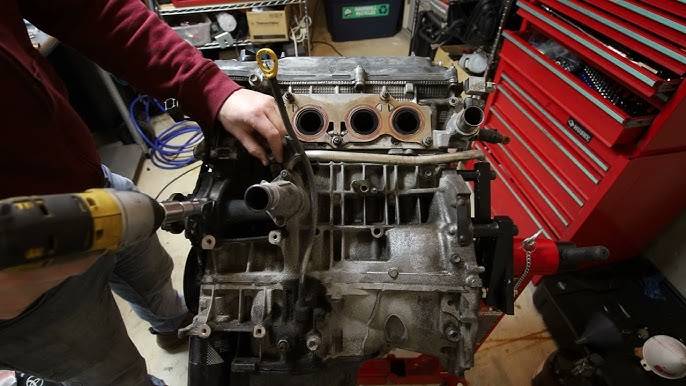
The Toyota 2AZ-FE is a 2.4-liter inline four-cylinder gasoline engine that was introduced in the early 2000s as part of Toyota’s AZ engine family. Designed to balance performance, fuel economy, and long-term durability, the engine quickly became one of Toyota’s most widely used powerplants. It features an aluminum engine block and cylinder head, dual overhead camshafts, and Toyota’s Variable Valve Timing with intelligence (VVT-i) system, which helps optimize power delivery and fuel efficiency across different driving conditions.
The 2AZ-FE was installed in numerous Toyota vehicles, including the Toyota Camry, Toyota RAV4, Toyota Solara, Toyota Highlander, and several international market models. It was also used in the Scion tC, where it became popular among younger drivers seeking a reliable and affordable sport compact vehicle.
For many years, the engine earned praise for its ability to exceed 200,000 miles with proper maintenance. Many owners reported trouble-free operation even at high mileage, reinforcing Toyota’s reputation for engineering dependable engines. Despite these strengths, the 2AZ-FE became associated with a significant oil consumption issue that affected a portion of engines produced during specific model years.
Understanding how this engine was designed and why it was so widely adopted provides important context for understanding the oil consumption problem. While the issue does not affect every 2AZ-FE engine, it became one of the most discussed mechanical concerns among Toyota owners and technicians.
Why Does the 2AZ-FE Engine Consume Oil?
Excessive oil consumption in the 2AZ-FE engine is primarily linked to piston and piston ring design characteristics found in certain production years. To understand the problem, it is important to understand the role of piston rings inside an engine.
Piston rings are responsible for sealing the combustion chamber, maintaining compression, and controlling the amount of oil that remains on the cylinder walls. The oil control ring is particularly important because it removes excess oil while allowing a thin lubricating film to remain in place. When this system functions properly, oil stays where it is needed and does not enter the combustion chamber.
In some 2AZ-FE engines, the oil control rings can become clogged with carbon deposits over time. The small oil return holes behind the rings may become restricted, preventing oil from draining back into the crankcase. As a result, excess oil remains on the cylinder walls and is burned during combustion. This process gradually increases oil consumption and may worsen as mileage accumulates.
Extended oil change intervals can contribute to the issue. As engine oil ages, contaminants and carbon deposits build up more rapidly, increasing the likelihood of ring sticking. Drivers who regularly postpone oil changes may accelerate the development of oil burning problems.
High mileage is another contributing factor. After years of operation, normal wear can reduce ring tension and increase cylinder wall wear, allowing more oil to bypass the sealing system and enter the combustion chamber. In severe cases, worn valve stem seals may also contribute to oil consumption.
The combination of piston design, carbon accumulation, and long-term wear explains why many affected engines begin consuming noticeable amounts of oil between 80,000 and 150,000 miles.
Common Symptoms of 2AZ-FE Oil Consumption
One of the earliest signs of excessive oil consumption is the need to add oil between scheduled oil changes. Many owners discover that the dipstick level drops significantly after only a few thousand miles, even though there are no visible oil leaks under the vehicle. This often serves as the first indication that the engine is burning oil internally.
Another common symptom is blue or bluish-gray smoke from the exhaust. This smoke occurs when engine oil enters the combustion chamber and burns along with the air-fuel mixture. Some vehicles may produce smoke only during cold starts, while others may show visible smoke during acceleration or after extended idling.
The low oil warning light is another warning sign that should never be ignored. Because oil consumption can occur gradually, some drivers may not realize how much oil has been lost until the warning light appears. Continuing to operate the vehicle with insufficient oil can result in accelerated engine wear and potentially catastrophic engine damage.
Many owners also report a noticeable burning oil smell, especially after long drives. This odor may become more apparent when the vehicle is stopped or parked after reaching operating temperature. In some cases, small amounts of burned oil residue can accumulate within the exhaust system, intensifying the smell.
As oil consumption worsens, spark plugs may become fouled with carbon and oil deposits. This can lead to rough idle, reduced fuel economy, hesitation during acceleration, and occasional engine misfires. If these symptoms are ignored for an extended period, damage to the catalytic converter may occur, resulting in even more expensive repairs.
Recognizing these symptoms early is critical because prompt diagnosis and repair can significantly reduce the risk of major engine damage and help preserve the long-term reliability of the 2AZ-FE engine.
Which Toyota Vehicles Are Most Affected?
The oil consumption issue associated with the 2AZ-FE engine has been reported across several Toyota and Scion models. While not every vehicle equipped with this engine experiences excessive oil burning, certain model years have generated a significantly higher number of owner complaints and service records.
The Toyota Camry is perhaps the most widely recognized vehicle affected by this problem. Because the Camry was one of the highest-volume applications of the 2AZ-FE engine, it naturally produced the largest number of reported cases. Many owners began noticing increased oil consumption after surpassing 80,000 to 120,000 miles. In some instances, engines consumed more than one quart of oil every 1,000 miles.
The Toyota RAV4 also experienced similar concerns. Owners of high-mileage vehicles frequently reported declining oil levels between service intervals. Since many RAV4s are used for long-distance commuting and family transportation, drivers often discovered the issue only after repeated oil top-offs became necessary.
The Scion tC became another well-known example due to its popularity among younger enthusiasts. Many owners observed oil consumption problems as the vehicles aged, particularly when maintenance records showed extended oil change intervals or aggressive driving habits.
The Toyota Solara, which shares many mechanical components with the Camry, was also affected. Because the vehicle utilized the same engine architecture, similar piston ring issues could develop over time.
Other international Toyota models equipped with the 2AZ-FE engine have reported comparable symptoms, although the volume of complaints varies by market. The common factor across all affected vehicles is the engine’s internal design rather than the specific vehicle platform.
While these vehicles may be more commonly associated with oil consumption concerns, many examples continue to operate reliably for hundreds of thousands of miles when properly maintained and monitored.
How Much Oil Consumption Is Considered Normal?
A common question among Toyota owners is whether some degree of oil consumption is normal. The answer is yes. All internal combustion engines consume a small amount of oil during normal operation. Factors such as engine age, driving style, operating temperature, and maintenance history can influence the amount of oil consumed.
For a healthy engine, oil consumption is typically minimal and may go unnoticed between routine oil changes. Modern engines often consume a small amount of oil under demanding conditions such as highway driving, towing, high RPM operation, or extreme temperatures. This level of consumption is generally not considered problematic.
The concern begins when oil loss becomes excessive enough to require frequent top-offs. If an owner finds that the oil level drops significantly before the next scheduled service interval, further investigation may be warranted. Consistently adding oil every few hundred or thousand miles is often a sign that the engine is burning oil internally rather than simply experiencing normal consumption.
Several factors should be evaluated when determining whether oil consumption is excessive. These include the vehicle’s mileage, maintenance history, driving habits, and whether any external leaks are present. Engines with severe oil burning issues often exhibit additional symptoms such as blue exhaust smoke, spark plug fouling, and increased carbon deposits within the combustion chambers.
Monitoring oil levels regularly is one of the most effective ways to detect problems early. Owners should check the dipstick at consistent intervals and maintain accurate records of oil additions. Establishing a consumption pattern can help technicians determine whether the issue falls within normal operating limits or indicates a developing mechanical problem.
Early detection is important because excessive oil consumption rarely improves on its own. In most cases, the underlying cause gradually worsens as engine wear and carbon accumulation increase.
How to Diagnose Excessive Oil Consumption
Accurately diagnosing oil consumption is essential before deciding on a repair strategy. Because multiple mechanical issues can contribute to oil loss, a systematic inspection process helps identify the root cause and prevents unnecessary repairs.
The first step is performing an oil consumption test. This procedure typically begins with a fresh oil change using the correct oil grade specified by the manufacturer. The oil level is carefully documented, and the vehicle’s mileage is recorded. The owner then drives the vehicle for a predetermined distance while periodically monitoring the oil level. By comparing oil loss to mileage traveled, technicians can calculate the engine’s actual consumption rate.
A compression test is another valuable diagnostic tool. Compression readings provide insight into the condition of the piston rings, cylinders, and valves. Low compression in one or more cylinders may indicate ring wear or other internal sealing issues that contribute to oil burning.
For a more detailed evaluation, technicians often perform a leak-down test. This procedure introduces compressed air into each cylinder and measures how much air escapes. The results help identify whether leakage is occurring through the piston rings, intake valves, exhaust valves, or head gasket. A leak-down test can often reveal internal wear before it becomes apparent through compression testing alone.
Modern diagnostic practices may also include a borescope inspection. A small camera is inserted into the combustion chamber through the spark plug opening, allowing technicians to visually inspect piston crowns, cylinder walls, and carbon deposits. Heavy oil residue or excessive carbon buildup can provide direct evidence of oil entering the combustion chamber.
During diagnosis, technicians will also inspect for external oil leaks, evaluate the PCV system, examine spark plugs, and review maintenance records. In many cases, combining multiple diagnostic methods provides the most accurate picture of engine health.
A thorough diagnosis not only confirms the presence of excessive oil consumption but also helps determine whether a simple maintenance procedure, piston ring replacement, engine rebuild, or complete engine replacement is the most appropriate solution.
Toyota’s Warranty Extension and Oil Consumption Program
As reports of excessive oil consumption became increasingly common among owners, Toyota conducted investigations into affected vehicles equipped with the 2AZ-FE engine. The findings ultimately led the company to introduce a warranty enhancement program in several markets to address customer concerns and provide repairs for qualifying vehicles.
The program focused on engines that exhibited abnormal oil consumption caused by piston and piston ring design characteristics. Toyota recognized that some engines could consume oil at a higher rate than expected, even when owners followed recommended maintenance schedules. As a result, eligible vehicles were offered inspections and, when necessary, repairs involving updated pistons and piston rings.
The inspection process typically required an official oil consumption test. Technicians would document the vehicle’s oil level, seal the system, and monitor consumption over a specified mileage interval. If the engine exceeded Toyota’s established consumption threshold, it could qualify for corrective repairs under the program’s guidelines.
For many owners, the repair involved replacing pistons, piston rings, and related components with updated parts designed to improve oil control and reduce carbon accumulation. These repairs often restored normal oil consumption levels and significantly extended engine life.
Although many affected vehicles have now exceeded the age or mileage limits associated with the original warranty enhancement program, owners should still research their vehicle identification number and service history. Some vehicles may have already received updated components, while others may never have undergone the recommended repairs.
Understanding whether a vehicle participated in Toyota’s oil consumption program can provide valuable insight when evaluating a used vehicle or planning future maintenance and repair decisions.
How to Fix 2AZ-FE Engine Oil Consumption
The most appropriate solution for excessive oil consumption depends on the severity of the problem, the vehicle’s overall condition, and the owner’s budget. Some remedies may slow oil consumption temporarily, while others provide a long-term correction.
One of the simplest approaches involves switching to a high-quality engine oil and maintaining strict oil change intervals. Premium synthetic oils often resist carbon buildup more effectively than lower-quality alternatives. While this strategy may reduce oil consumption in mild cases, it rarely solves the underlying mechanical issue.
Engine cleaning treatments are another option. Certain products are designed to remove carbon deposits from piston rings and oil return passages. If ring sticking is caused primarily by carbon accumulation rather than physical wear, cleaning treatments may improve oil control. Results vary significantly, however, and severe cases generally require more extensive repairs.
Replacing the pistons and piston rings is widely considered the most effective long-term solution. During this repair, the engine is partially disassembled so technicians can install updated components with improved oil control characteristics. Because the repair addresses the root cause of the problem, it often restores normal oil consumption and provides many additional years of reliable operation.
In situations where internal wear is extensive, a complete engine rebuild may be necessary. A rebuild allows technicians to inspect cylinder walls, bearings, valves, and other critical components while restoring the engine to near-new condition. Although more expensive, it can be a worthwhile investment for owners who plan to keep the vehicle long term.
Engine replacement represents another option. Some owners choose a remanufactured engine that has been rebuilt to factory specifications, while others install a lower-mileage used engine. The best choice depends on budget, parts availability, and the overall value of the vehicle.
Regardless of the repair path chosen, early intervention is usually less expensive than waiting until oil consumption causes secondary damage to internal engine components or emissions systems.
Repair Costs for 2AZ-FE Oil Consumption
Repair costs can vary considerably depending on the severity of the oil consumption problem, labor rates in the owner’s region, and the chosen repair strategy. Understanding the financial implications of each option helps owners make informed decisions about their vehicles.
The least expensive approach involves careful monitoring and routine oil top-offs. While this strategy may keep the engine operating safely for some time, it does not address the root cause of the problem. Owners who choose this approach must remain vigilant about checking oil levels regularly to avoid engine damage.
Engine cleaning services typically represent a moderate-cost option. Depending on the method used and the extent of carbon buildup, these treatments may offer noticeable improvement in mild cases. However, there is no guarantee of success, particularly when piston rings have already experienced significant wear.
Piston and piston ring replacement generally provides the best balance between effectiveness and long-term value. Although labor costs can be substantial due to the amount of engine disassembly required, the repair directly addresses the design-related causes of excessive oil consumption. For many owners, this solution offers the highest return on investment.
A complete engine rebuild is usually more expensive than piston replacement alone because it involves additional inspection, machining, and replacement of worn components. However, rebuilding the engine can significantly extend vehicle life and improve overall reliability.
Engine replacement costs vary based on whether the owner selects a used, remanufactured, or new engine. A remanufactured engine typically provides greater reliability and warranty protection, while a used engine may reduce upfront costs but introduce uncertainty regarding future performance.
When evaluating repair costs, owners should also consider potential secondary expenses. Excessive oil consumption can damage catalytic converters, oxygen sensors, spark plugs, and other components over time. Addressing the problem early often prevents these additional repair bills and helps preserve the vehicle’s long-term value.
For vehicles that remain in otherwise excellent condition, investing in a proper repair is frequently more economical than replacing the vehicle altogether.
Can You Continue Driving with a 2AZ-FE That Burns Oil?
Many owners wonder whether it is safe to continue driving a 2AZ-FE engine that consumes oil. The answer depends largely on the severity of the consumption and the owner’s willingness to monitor oil levels consistently.
In mild cases, where oil consumption remains relatively manageable and the engine is otherwise operating normally, continued driving may be possible. Many drivers successfully operate their vehicles for years by checking the oil level frequently and adding oil whenever necessary. This approach requires discipline because the engine may consume oil gradually without producing obvious warning signs.
The risk arises when owners fail to monitor oil levels closely. As oil levels drop, the engine receives less lubrication, increasing friction and operating temperatures. Critical components such as crankshaft bearings, connecting rod bearings, camshafts, and timing components can suffer accelerated wear. Over time, insufficient lubrication can result in costly internal damage.
Excessive oil burning can also affect the vehicle’s emissions system. Oil entering the combustion chamber produces additional deposits that may contaminate oxygen sensors and damage the catalytic converter. Replacing these components can add significantly to overall repair costs.
Another concern is the possibility of engine seizure. If oil levels fall dangerously low and remain uncorrected, the engine may experience catastrophic failure. Repairing or replacing a seized engine is often far more expensive than addressing oil consumption during its early stages.
Owners who choose to continue driving should establish a routine for checking oil levels, especially before long trips. Keeping spare oil in the vehicle and responding immediately to warning lights can help minimize risks. However, if oil consumption becomes severe, repair should be considered a priority rather than a maintenance inconvenience.
Is the 2AZ-FE Still a Reliable Engine?
Despite its well-documented oil consumption issue, the 2AZ-FE remains one of Toyota’s most successful four-cylinder engines. Millions of these engines have accumulated high mileage worldwide, and many continue to operate reliably decades after their initial production.
One reason for the engine’s enduring reputation is its overall design. The 2AZ-FE delivers a practical balance of fuel economy, durability, and performance. It was engineered for daily transportation rather than high-performance applications, and when maintained properly, it often exceeds owner expectations for longevity.
The oil consumption problem has understandably influenced public perception of the engine. However, it is important to recognize that not every 2AZ-FE experiences excessive oil burning. Many examples have reached 250,000 miles or more without developing serious oil consumption issues. Others have successfully received piston and ring repairs that permanently corrected the problem.
Routine maintenance plays a significant role in long-term reliability. Regular oil changes, timely inspections, cooling system maintenance, and prompt attention to warning signs can greatly extend engine life. Owners who monitor oil levels carefully are often able to prevent minor issues from becoming major repairs.
For buyers considering a used vehicle equipped with the 2AZ-FE, maintenance records are especially important. Evidence of consistent servicing and documentation of any piston or ring repairs can provide valuable insight into the engine’s condition.
Ultimately, the 2AZ-FE should not be defined solely by its oil consumption concerns. While the issue is real and deserves attention, the engine remains capable of delivering exceptional service life when properly maintained and repaired when necessary.
Frequently Asked Questions
Does every 2AZ-FE engine burn oil?
No. Although excessive oil consumption has been widely reported, many 2AZ-FE engines never develop significant oil burning problems. Maintenance history, driving conditions, and manufacturing variations can influence whether the issue occurs.
At what mileage does oil consumption usually begin?
Many affected engines begin showing symptoms between 80,000 and 150,000 miles. However, some vehicles may develop the problem earlier or later depending on operating conditions and maintenance practices.
Can synthetic oil stop oil consumption?
High-quality synthetic oil may help reduce oil consumption in mild cases by improving lubrication and minimizing deposit formation. However, it cannot permanently correct worn piston rings or underlying mechanical defects.
Is replacing piston rings worth the cost?
In many cases, yes. Replacing pistons and piston rings addresses the primary cause of excessive oil consumption and can restore normal engine operation. The repair is often more cost-effective than replacing the vehicle.
How much does a complete engine rebuild cost?
Costs vary depending on location, labor rates, and the extent of internal wear. A rebuild is generally more expensive than piston replacement but can provide a comprehensive restoration of engine health.
Should I buy a used Toyota with a 2AZ-FE engine?
A used vehicle equipped with the 2AZ-FE can still be an excellent purchase if it has been properly maintained. Prospective buyers should inspect maintenance records, check for evidence of excessive oil consumption, and verify whether any piston or ring updates have been performed.
Conclusion
The Toyota 2AZ-FE engine has earned a strong reputation for reliability, efficiency, and long service life. Nevertheless, excessive oil consumption remains one of the most significant issues associated with certain production years. Understanding the causes behind the problem is essential for preventing costly repairs and preserving engine longevity.
In most cases, the issue stems from piston and oil control ring design characteristics that allow carbon deposits to accumulate and restrict proper oil drainage. As the condition progresses, owners may notice declining oil levels, blue exhaust smoke, burning oil odors, and other warning signs that should never be ignored.
Fortunately, several solutions are available. While regular oil monitoring and engine cleaning treatments may help in some situations, piston and piston ring replacement remains the most effective long-term repair. Early diagnosis can prevent secondary damage to internal engine components and emissions systems, ultimately saving owners substantial repair expenses.
For current owners, the most important step is consistent monitoring of oil levels and prompt action when abnormal consumption is detected. For prospective buyers, understanding the engine’s history and maintenance record can help avoid unexpected surprises.
Although the oil consumption issue deserves serious attention, it does not erase the many strengths of the 2AZ-FE. With proper care and timely repairs, this engine is still capable of delivering hundreds of thousands of miles of dependable service, making it a noteworthy chapter in Toyota’s long history of durable and practical powertrains.