Imagine getting into your Toyota Prius, pressing the Power button, and being greeted by a warning message that says “P Lock Malfunction.” Suddenly, the vehicle may refuse to enter READY mode, become stuck in Park, or display additional warning lights across the dashboard. For many Prius owners, this unexpected error can be frustrating and even alarming, especially when there is no clear explanation of what caused it.
The Prius P Lock Malfunction warning is one of the most commonly reported electronic issues in Toyota’s hybrid lineup. While the message may seem serious, it does not always indicate a major transmission failure. In many cases, the problem can be traced to a weak 12-volt battery, faulty wiring, or issues within the parking lock system itself. However, ignoring the warning could lead to starting problems, unexpected breakdowns, or more expensive repairs later.
In this guide, we will explain exactly what a Prius P Lock Malfunction means, the most common causes behind the warning, and the symptoms you should watch for. You will also learn how to diagnose the issue, explore potential repair costs, and discover practical fixes that may help get your Prius back on the road quickly and safely.
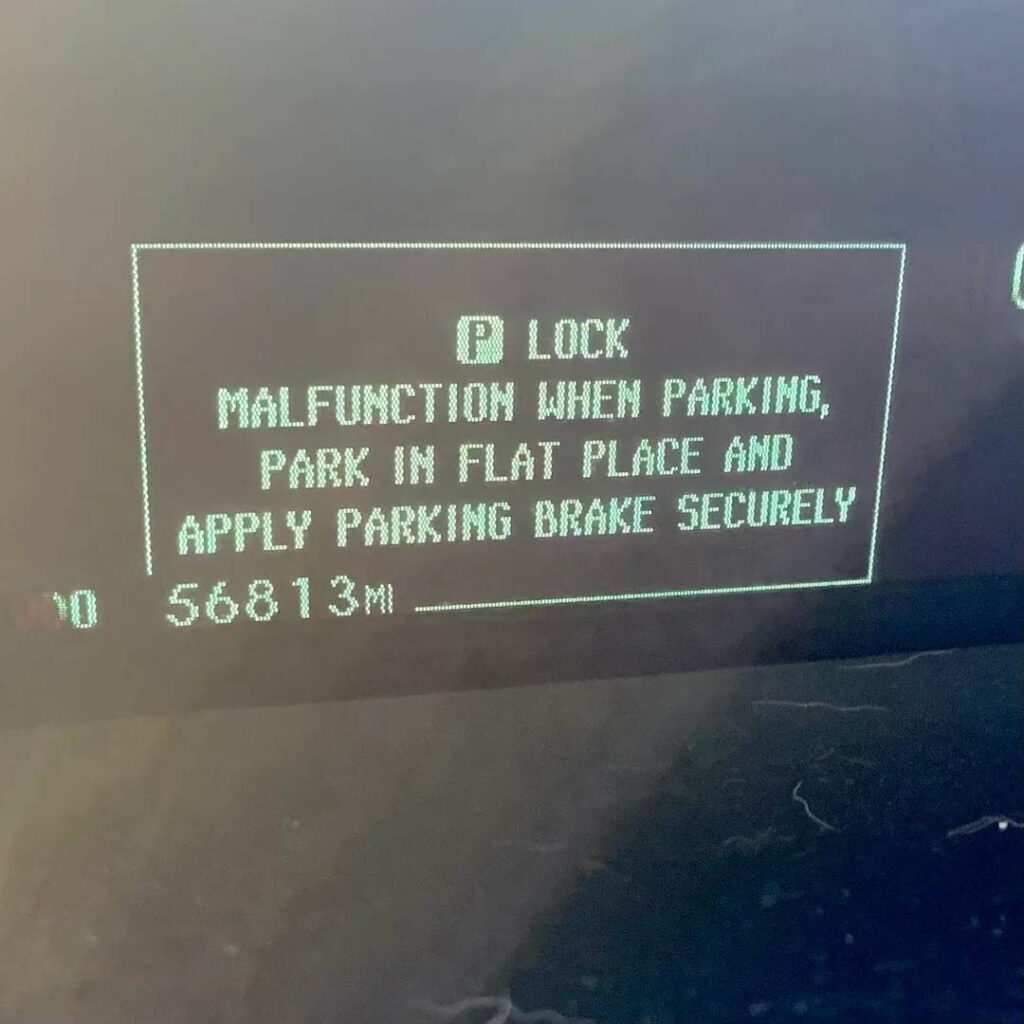
What Does a Prius P Lock Malfunction Mean?
A Prius P Lock Malfunction occurs when the vehicle’s electronic parking lock system cannot properly confirm or engage the Park position. Unlike conventional vehicles that rely on a mechanical gear selector directly connected to the transmission, the Toyota Prius uses an electronically controlled parking mechanism. When the driver selects Park, the vehicle sends signals through various control modules and actuators to engage the parking lock.
The system is designed to ensure that the vehicle remains stationary when parked and that the transmission is in the correct position before allowing certain functions, such as starting or shutting down the vehicle. If the system detects a communication failure, voltage problem, actuator fault, or inconsistency in the parking lock position, it may trigger a P Lock Malfunction warning.
In many situations, the warning appears alongside other messages such as “Check Hybrid System” or “Shift System Malfunction.” These additional alerts can make the issue seem more serious than it actually is. In reality, the parking lock system depends heavily on stable electrical power and accurate communication between multiple electronic components.
One of the reasons this warning causes confusion is that the symptoms can vary significantly. Some drivers may experience a complete no-start condition, while others may only see an intermittent warning message. Because several different systems can contribute to the fault, proper diagnosis is essential before replacing any parts.
Understanding how the Prius parking lock system works is the first step toward identifying the root cause and avoiding unnecessary repair expenses.
Common Symptoms of a Prius P Lock Malfunction
The symptoms of a Prius P Lock Malfunction can range from minor inconveniences to situations that leave the vehicle completely inoperable. Recognizing these warning signs early can help prevent further complications and reduce repair costs.
One of the most common symptoms is a vehicle that refuses to start. Drivers may press the Power button and find that the Prius does not enter READY mode. In some cases, the dashboard illuminates with multiple warning lights, creating the impression of a major system failure.
Another frequent symptom is difficulty shifting into or out of Park. The vehicle may remain locked in the Park position or fail to recognize that Park has been selected. This can make it impossible to operate the vehicle normally.
Dashboard warning messages are also a key indicator. Along with the P Lock Malfunction alert, drivers may see messages related to the hybrid system, transmission control system, or shift control system. These alerts often appear together because the affected components communicate with one another through the vehicle’s electronic network.
Intermittent starting problems are another warning sign. The vehicle may function normally one day and display the warning the next. Such inconsistent behavior often points to voltage fluctuations, weak battery performance, loose connections, or damaged wiring.
Additional symptoms may include dim interior lights, slow electronic system initialization, malfunctioning accessories, and unusual clicking sounds when attempting to start the vehicle. These signs often suggest an underlying electrical issue rather than a mechanical failure.
Because the symptoms can overlap with other Prius problems, a thorough inspection is necessary to identify the exact source of the malfunction.
Top Causes of a Prius P Lock Malfunction
Several issues can trigger a Prius P Lock Malfunction, but some causes occur far more frequently than others.
The most common culprit is a weak or failing 12-volt battery. Although the Prius relies on a high-voltage hybrid battery for propulsion, the 12-volt battery powers critical electronic systems during startup. When battery voltage drops below the required level, communication between control modules can become unstable, resulting in false error messages and system malfunctions. Many Prius owners discover that replacing the aging 12-volt battery completely resolves the warning.
A faulty parking lock actuator is another potential cause. This component physically engages and disengages the parking lock mechanism. If the actuator becomes worn, damaged, or unable to respond to commands, the system may be unable to verify that the vehicle is properly parked.
Problems with the shift control actuator can also generate the warning. The actuator communicates gear selection information to the vehicle’s control systems. Any interruption in this process may cause the parking lock system to report an error.
Electrical issues such as corroded connectors, damaged wiring, loose grounds, or moisture intrusion frequently contribute to P Lock Malfunction warnings. Even a small interruption in signal transmission can prevent the system from functioning correctly.
Less commonly, software glitches or failures within the vehicle’s electronic control units may be responsible. While these cases are relatively rare, they typically require advanced diagnostic equipment and professional repair procedures.
Because multiple components can produce similar symptoms, beginning with a battery inspection and system scan is usually the most efficient and cost-effective approach.
How to Diagnose a Prius P Lock Malfunction
Diagnosing a Prius P Lock Malfunction begins with identifying the most likely causes before moving on to more complex inspections. Since electrical issues account for a large percentage of reported cases, the first step should always be checking the condition of the 12-volt battery.
Using a digital multimeter, measure the battery voltage after the vehicle has been sitting for several hours. A healthy battery typically reads around 12.6 volts or higher. Readings below 12.2 volts may indicate a weak battery, while anything below 12 volts often suggests that replacement is necessary. Low voltage can cause communication failures between control modules and trigger multiple warning messages.
The next step is to perform a diagnostic scan using an OBD-II scanner. Basic scanners can identify general trouble codes, but Toyota-specific diagnostic tools provide more detailed information about hybrid systems, parking lock components, and communication networks. Recording all active and stored fault codes can help narrow down the source of the problem and prevent unnecessary part replacement.
After checking the battery and scanning for codes, inspect all visible wiring and connectors associated with the starting system and parking lock mechanism. Look for corrosion, loose terminals, damaged insulation, moisture contamination, or evidence of rodent activity. Electrical interruptions can cause intermittent faults that are difficult to reproduce during testing.
If no obvious electrical problems are found, attention should shift to the parking lock actuator and shift control system. A technician may perform actuator function tests, verify signal communication, and measure electrical resistance values to determine whether the component is operating correctly.
Because several systems interact within the Prius electronic architecture, diagnosing the issue methodically can save significant time and money. Starting with simple checks often reveals the problem before expensive repairs become necessary.
How to Fix a Prius P Lock Malfunction
The appropriate repair depends entirely on the root cause of the malfunction. Fortunately, many Prius P Lock Malfunction cases can be resolved without replacing major components.
If the 12-volt battery is weak or failing, replacing it is often the fastest and most effective solution. Many owners report that the warning message disappears immediately after installing a new battery. Since battery performance naturally declines with age, replacement is recommended when testing confirms inadequate voltage levels.
Cleaning and tightening battery terminals can also resolve the issue. Corrosion buildup increases electrical resistance and may reduce voltage delivered to critical control modules. Removing corrosion and ensuring secure connections can restore proper system communication.
When damaged wiring or connectors are discovered, repairs should be completed as soon as possible. Replacing corroded terminals, repairing broken wires, and securing loose grounds can eliminate communication faults and prevent future electrical problems.
If diagnostic testing identifies a faulty parking lock actuator, replacement may be required. This component plays a critical role in engaging the parking mechanism and confirming vehicle status. A malfunctioning actuator can prevent the system from recognizing the Park position, leading to persistent warning messages.
In rare cases, software updates or electronic control unit repairs may be necessary. Toyota occasionally releases software revisions that address communication errors or improve system reliability. A dealership or qualified hybrid specialist can determine whether a software-related issue is contributing to the malfunction.
Regardless of the repair performed, clearing diagnostic codes and verifying proper operation through multiple startup cycles is essential to ensure the problem has been fully resolved.
Prius P Lock Malfunction Repair Cost
Repair costs for a Prius P Lock Malfunction can vary widely depending on the underlying cause, vehicle model year, labor rates, and the repair facility performing the work. Understanding potential expenses can help owners prepare for the repair process and avoid unexpected surprises.
If the problem is caused by a weak 12-volt battery, the repair is relatively affordable. Battery replacement typically costs between $150 and $350, including parts and installation. This is often the least expensive and most common solution.
Diagnostic inspections generally range from $100 to $200. While some owners may hesitate to pay for diagnostic testing, accurate diagnosis can prevent unnecessary replacement of expensive components and ultimately save money.
Wiring repairs can vary significantly depending on the extent of the damage. Minor repairs may cost as little as $100, while extensive harness repairs can exceed $500 if multiple circuits are affected.
Parking lock actuator replacement is generally more expensive due to both parts and labor requirements. Depending on the Prius generation and local labor rates, total repair costs may range from $500 to $1,500.
Electronic control unit repairs or replacement represent the most expensive scenarios. Costs can range from $1,000 to more than $3,000, particularly if multiple modules require programming or replacement.
For this reason, technicians typically recommend ruling out battery and wiring issues before considering major component replacement. In many cases, addressing a relatively inexpensive electrical problem can eliminate the warning and restore normal vehicle operation without significant repair expenses.
Can You Drive With a Prius P Lock Malfunction?
Whether you can safely drive with a Prius P Lock Malfunction depends on the severity of the underlying issue. In some cases, the warning may be triggered by a temporary voltage drop caused by a weak 12-volt battery. If the vehicle starts normally and no additional warning messages appear, the car may remain drivable for a short period. However, this should not be viewed as a permanent solution.
The biggest concern is that the warning often indicates a problem within a system responsible for confirming the vehicle’s Park position. If the parking lock mechanism fails to operate correctly, the vehicle may become stuck in Park or refuse to start unexpectedly. This can leave drivers stranded without warning.
Driving is generally not recommended if the warning is accompanied by messages such as “Check Hybrid System,” “Shift System Malfunction,” or other drivetrain-related alerts. Multiple warning messages often suggest a broader electrical or communication issue that could affect vehicle reliability.
Another risk involves intermittent faults. A Prius that appears to operate normally today may fail to start tomorrow if the underlying cause continues to worsen. Electrical components rarely repair themselves, and unresolved issues often lead to additional system errors over time.
If the vehicle remains operational, it is best to schedule diagnostic testing as soon as possible. Continuing to drive without understanding the cause of the warning can increase repair costs and potentially create safety concerns. Prompt diagnosis remains the most effective way to prevent a minor issue from becoming a major repair.
How to Prevent Future P Lock Problems
Preventive maintenance plays an important role in reducing the likelihood of future Prius P Lock Malfunction warnings. Since many cases are linked to electrical system weaknesses, maintaining stable battery performance should be a top priority.
Regular testing of the 12-volt battery can identify declining performance before warning messages begin to appear. Most batteries gradually lose capacity over time, and replacing an aging battery before failure occurs can prevent a wide range of electrical problems.
Battery terminals should also be inspected periodically for corrosion. Even small amounts of corrosion can interfere with voltage delivery and disrupt communication between electronic modules. Cleaning terminals and ensuring tight connections helps maintain system reliability.
Routine vehicle inspections can help identify damaged wiring, loose ground connections, and moisture-related issues before they become serious. Electrical problems often develop gradually, making early detection an effective strategy for avoiding unexpected breakdowns.
Owners who do not drive their Prius frequently should take extra precautions. Long periods of inactivity can discharge the 12-volt battery and increase the risk of low-voltage-related warning messages. Using a battery maintainer or driving the vehicle regularly can help preserve battery health.
Periodic diagnostic scans can also be valuable. Modern vehicles store fault codes long before noticeable symptoms appear. Detecting and addressing these issues early can prevent small problems from escalating into costly repairs.
Consistent maintenance and early intervention remain the most effective ways to keep the Prius parking lock system functioning properly and minimize the chances of future malfunctions.
Conclusion
A Prius P Lock Malfunction warning can be frustrating and concerning, especially when it appears unexpectedly and prevents the vehicle from starting normally. Fortunately, the warning does not always indicate a major mechanical failure. In many cases, the root cause is a weak 12-volt battery, poor electrical connections, damaged wiring, or a malfunctioning parking lock actuator.
Understanding the symptoms associated with the warning is the first step toward resolving the problem. Common signs such as difficulty starting the vehicle, being stuck in Park, intermittent warning messages, or multiple dashboard alerts can provide valuable clues during diagnosis. By following a systematic troubleshooting process, owners can often identify the issue quickly and avoid unnecessary repairs.
Starting with the simplest checks, including battery testing and diagnostic scanning, can save both time and money. More complex repairs involving actuators or control modules should only be considered after basic electrical issues have been ruled out.
The key takeaway is that early diagnosis is essential. Ignoring the warning may increase the risk of breakdowns, higher repair costs, and additional system failures. If your Prius displays a P Lock Malfunction message, take action as soon as possible. Addressing the problem early can help restore reliability, improve vehicle safety, and keep your Toyota Prius operating smoothly for years to come.