The 4.8 LS engine often gets ignored in the LS family. Many people see it as a weaker version of the 5.3 LS. That idea is not completely accurate. In fact, this engine offers more value than most drivers expect.
When users search for 4.8 LS engine specs, they want more than basic numbers. They want clear answers. How much horsepower does it produce? Is the torque strong enough for daily driving or towing? Can this engine handle upgrades? These are the real questions behind the search.
General Motors designed the 4.8 LS engine for trucks and utility vehicles. It focuses on durability and simplicity. However, it comes with trade offs. Some drivers feel it lacks low end torque. Others appreciate its ability to rev higher than larger LS engines.
Understanding this engine requires more than reading a spec sheet. You need to connect the specs with real world performance. That is where many guides fail to deliver useful insights.
In this complete guide to 4.8 LS engine specs, you will learn everything that matters. We will break down horsepower, torque, and technical details. You will also see how this engine performs in real driving conditions. By the end, you can decide if the 4.8 LS engine fits your needs.
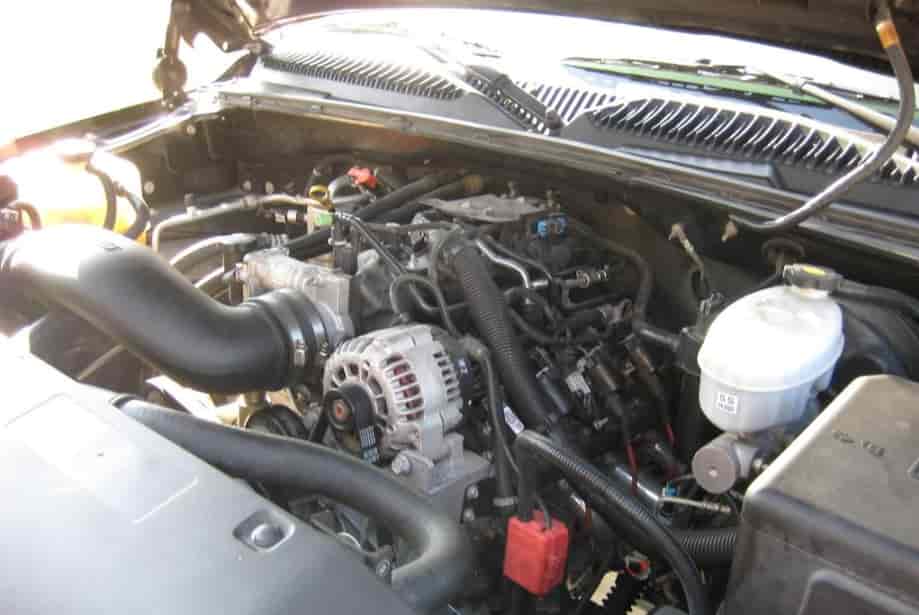
What Is the 4.8 LS Engine
The 4.8 LS engine is part of the LS engine family developed by General Motors. It belongs to the Vortec truck engine lineup and serves as an entry level V8 option. Despite its smaller displacement, it shares many core design features with larger LS engines.
General Motors introduced the 4.8 LS engine in 1999. It remained in production until 2013. During this time, it appeared mainly in full size trucks and commercial vehicles. Common applications include the Chevrolet Silverado, GMC Sierra, and Chevy Express vans.
This engine exists in several variants, with the most common being the LR4 and LY2. The LR4 was the earlier version and came with slightly lower power output. The LY2 arrived later with small improvements in efficiency and performance. Both versions use a similar architecture and deliver reliable performance.
The 4.8 LS uses a V8 overhead valve design. It features an iron block and aluminum cylinder heads. This combination provides strong durability while keeping weight under control. The engine also uses a simple pushrod system, which makes maintenance easier compared to more complex designs.
Within the LS family, the 4.8 sits below the 5.3 and 6.0 engines. It produces less power, but it also offers lower cost and solid reliability. For many truck owners and builders, it becomes a practical choice when budget matters more than maximum performance.
Understanding where the 4.8 LS engine fits in the LS lineup helps you evaluate its true value. It is not just a smaller engine. It is a durable platform with specific strengths that suit certain driving needs and build goals.
4.8 LS Engine Specs (Full Technical Specifications)
Understanding the 4.8 LS engine specs starts with its core architecture. This engine uses a traditional small block V8 layout, but it benefits from modern LS engineering. It combines durability, simplicity, and efficiency in one compact package.
The 4.8 LS engine has a total displacement of 4.8 liters, which equals 293 cubic inches. It uses a bore of 3.78 inches and a stroke of 3.27 inches. This shorter stroke plays a key role in how the engine behaves. It allows higher rev capability but limits low end torque compared to larger LS engines.
The engine features a compression ratio that ranges from 9.4:1 to 9.5:1 depending on the variant. This moderate compression level supports regular fuel use while maintaining stable performance under load.
Below is a full breakdown of the 4.8 LS engine specifications.
Key Specifications
Engine Type: V8, overhead valve, naturally aspirated
Displacement: 4.8L or 293 cubic inches
Bore: 3.78 inches
Stroke: 3.27 inches
Compression Ratio: 9.4:1 to 9.5:1
Block Material: Cast iron
Cylinder Heads: Aluminum
Valvetrain: Pushrod, 2 valves per cylinder
Fuel System: Sequential fuel injection
These specs show why the 4.8 LS engine remains a strong and reliable platform. The iron block adds strength and durability, which is ideal for heavy duty use. The aluminum heads help reduce overall weight and improve heat dissipation.
Another important detail is the engine’s smaller bore size. Compared to the 5.3 LS, the 4.8 has less room for larger valves. This limits airflow at higher power levels, which explains the lower horsepower output. However, the smaller bore also creates thicker cylinder walls. This design increases strength and makes the engine more resistant to high boost pressure.
For many builders, these characteristics make the 4.8 LS engine a hidden gem. It may not deliver the highest power in stock form, but it provides a solid foundation for upgrades and long term use.
4.8 LS Horsepower and Torque Breakdown
The 4.8 LS engine delivers solid performance for a small displacement V8. While it does not match the output of larger LS engines, it still provides enough power for daily driving and light duty work.
In stock form, the 4.8 LS engine produces between 270 and 302 horsepower. Torque output ranges from 285 to 305 lb ft. These numbers vary depending on the engine version and production year.
The earlier LR4 version typically produces around 270 to 285 horsepower. Its torque output stays close to 285 lb ft. The later LY2 version improves performance slightly. It can reach up to 302 horsepower and about 305 lb ft of torque. These gains come from better tuning and small internal updates.
The difference between horsepower and torque plays an important role in how this engine feels on the road. Horsepower reflects how fast the engine can perform work over time. Torque measures the engine’s pulling strength, especially at low speeds.
The 4.8 LS engine uses a shorter stroke compared to the 5.3 LS. This design allows the engine to rev higher and feel smoother at higher RPM. However, it reduces low end torque. This is why some drivers feel the engine lacks power when towing or carrying heavy loads.
In real driving conditions, the engine performs best when it stays in the mid to high RPM range. It responds well during acceleration when you push it harder. However, at low speeds, it may feel less responsive than larger LS engines.
Despite this limitation, the 4.8 LS engine still offers a balanced performance profile. It delivers reliable power, smooth operation, and enough capability for most everyday truck applications.
Real World Performance of the 4.8 LS Engine
Numbers alone do not tell the full story. To understand the 4.8 LS engine, you need to look at how it performs in real driving conditions.
In daily driving, the engine feels smooth and predictable. It delivers steady acceleration and handles normal traffic with ease. For city use and highway cruising, the power is more than enough. Most drivers will not notice any major limitations during regular use.
However, the situation changes when the engine faces heavier demands. In full size trucks like the Silverado or Sierra, the 4.8 LS can feel underpowered under load. When you carry heavy cargo or tow a trailer, the engine needs higher RPM to maintain speed. This often leads to more noise and a less relaxed driving experience.
Acceleration also depends on how you drive. At low RPM, the engine feels modest. It does not deliver strong initial pull. Once you press the throttle deeper and push into higher RPM, the engine becomes more responsive. This behavior comes from its shorter stroke design, which favors revving over low end torque.
For towing, the 4.8 LS engine works best with light to moderate loads. It can handle small trailers and daily work tasks without issue. However, for frequent heavy towing, many drivers prefer the 5.3 or 6.0 LS engines for better torque output.
One advantage of the 4.8 LS engine is its balance. It does not feel overly aggressive, but it remains consistent and reliable. This makes it a practical choice for drivers who prioritize durability and simplicity over maximum performance.
In real world conditions, the 4.8 LS engine proves that it is not weak. It simply delivers its power in a different way. Understanding this helps you set the right expectations and use the engine more effectively.
Fuel Economy of the 4.8 LS Engine
Fuel economy is one of the most debated aspects of the 4.8 LS engine. Many drivers expect better efficiency because of its smaller displacement. In reality, the difference is not as significant as expected.
In most trucks, the 4.8 LS engine delivers around 13 to 15 miles per gallon in the city. On the highway, it can reach between 18 and 20 miles per gallon under normal driving conditions. These numbers may vary depending on vehicle weight, driving style, and maintenance.
At first glance, this fuel economy seems reasonable for a V8 truck engine. However, the main issue appears when you compare it to the 5.3 LS engine. Despite having less power, the 4.8 often delivers similar fuel consumption. This creates frustration for many owners.
The reason behind this comes from how the engine produces power. The 4.8 LS relies more on higher RPM to perform. When the engine revs higher, it consumes more fuel. In heavy trucks, this effect becomes even more noticeable during acceleration or towing.
Driving habits also play a key role. Gentle acceleration and steady cruising can improve fuel efficiency. Aggressive driving, on the other hand, quickly increases fuel consumption. Because the engine needs more effort to move a heavy vehicle, it often works harder than expected.
For some drivers, this becomes a trade off. The engine offers solid reliability and lower initial cost, but it does not provide a major advantage in fuel savings. This is why many buyers question whether the 4.8 LS engine is truly worth it compared to larger options.
In the end, the fuel economy of the 4.8 LS engine is acceptable, but not exceptional. Understanding this helps you avoid unrealistic expectations and choose the right engine for your needs.
4.8 LS Engine Reliability and Common Issues
The 4.8 LS engine has a strong reputation for reliability. It comes from the LS engine family, which is known for durability and simple design. Many of these engines can run well beyond 200000 miles with proper maintenance.
One key reason for this reliability is the iron block construction. It provides excellent strength under stress and high temperatures. The internal components are also built to handle heavy duty use in trucks and commercial vehicles. This makes the engine a dependable choice for long term ownership.
Despite its strengths, the 4.8 LS engine still has some common issues. These problems are not severe, but they can affect performance if ignored.
One of the most frequent issues involves the knock sensors. They can fail due to moisture or corrosion. When this happens, the engine may show warning lights or reduce performance. Replacing the sensors usually solves the problem.
Another known issue is intake manifold gasket leaks. Over time, the gasket can wear out and cause vacuum leaks. This may lead to rough idle or reduced efficiency. Regular inspection can help detect this early.
Some owners also report oil consumption in higher mileage engines. This does not affect every unit, but it can appear with age and wear. Keeping up with oil changes and using the correct oil type helps reduce this risk.
The ignition coils and spark plugs may also need replacement after long use. This is normal for most engines and not a major concern. Proper maintenance keeps the engine running smoothly.
Overall, the 4.8 LS engine stands out as a reliable and durable platform. Most of its issues are minor and easy to fix. With basic care, it can deliver consistent performance for many years.
How Much Power Can the 4.8 LS Engine Handle
The 4.8 LS engine may look small, but it has strong potential when it comes to power upgrades. Many builders choose this engine because of its strength and affordability.
In stock form, the 4.8 LS engine can safely handle around 400 to 450 horsepower. With careful tuning and proper support mods, some setups can reach close to 500 horsepower without major internal upgrades. This makes it a solid option for budget performance builds.
One key advantage comes from its smaller bore size. The thicker cylinder walls add extra strength to the block. This design helps the engine handle boost pressure better than some larger LS engines. For turbo or supercharger builds, this becomes a major benefit.
When you add forced induction, the power potential increases significantly. Many builders push the 4.8 LS engine beyond 600 horsepower with upgraded components. However, at this level, internal upgrades become necessary. Forged pistons, stronger rods, and improved fuel systems help maintain reliability under high stress.
Tuning also plays a critical role. A proper tune ensures safe air fuel ratios and prevents engine damage. Without good tuning, even a strong engine can fail under increased power.
Another factor to consider is heat management. Higher power levels generate more heat, which can affect engine life. Upgrading the cooling system helps maintain stable performance.
For many enthusiasts, the 4.8 LS engine offers an excellent balance between cost and capability. It allows you to build serious power without spending as much as larger LS platforms.
In the right setup, this engine proves that it is more than just an entry level option. It becomes a strong foundation for high performance builds.
Best Performance Mods for the 4.8 LS Engine
The 4.8 LS engine responds very well to modifications. With the right upgrades, you can unlock significant performance gains without replacing the entire engine. This makes it a popular choice for budget builds.
One of the most effective upgrades is a camshaft upgrade. A performance cam improves airflow and increases both horsepower and torque. It changes how the engine breathes and shifts the power band higher. Many owners see noticeable gains even with a mild cam setup.
Another important upgrade is the intake and exhaust system. A high flow intake allows more air into the engine, while a performance exhaust helps release gases more efficiently. Together, these upgrades improve engine breathing and overall performance.
An ECU tune is essential after installing any performance parts. Tuning adjusts fuel delivery, ignition timing, and other parameters. This ensures the engine runs safely and efficiently. Without proper tuning, you will not get the full benefit of your upgrades.
For those looking for bigger gains, forced induction offers the best results. A turbocharger or supercharger can dramatically increase power output. Even a basic turbo setup can push the 4.8 LS engine far beyond its stock limits. This is why many builders prefer the 4.8 for boost projects.
Fuel system upgrades also become necessary at higher power levels. Larger injectors and a stronger fuel pump ensure the engine receives enough fuel under load. This helps maintain performance and prevent engine damage.
If you are working with a limited budget, it is best to start with simple upgrades. A cam, intake, exhaust, and tune can already transform the engine. For more advanced builds, adding boost and supporting mods will take performance to the next level.
The 4.8 LS engine proves that you do not need a large displacement engine to achieve strong results. With the right combination of parts, it can deliver impressive performance at a lower cost.
4.8 LS vs 5.3 LS: Key Differences
The comparison between the 4.8 LS and 5.3 LS engines is one of the most common topics among truck owners and enthusiasts. Many buyers struggle to decide which engine offers better value and performance.
The biggest difference starts with displacement. The 5.3 LS engine has a larger displacement, which allows it to produce more power. In most cases, the 5.3 delivers higher horsepower and noticeably stronger torque. This makes it more suitable for towing and heavy duty use.
In contrast, the 4.8 LS engine produces less power but still delivers consistent performance. It feels smoother at higher RPM and can be easier to manage in certain driving conditions. For daily driving without heavy loads, the difference may not feel significant.
Fuel economy is another area where expectations often do not match reality. Many assume the 4.8 LS engine is more efficient because it is smaller. However, both engines often show similar fuel consumption in real world conditions. The 4.8 may even work harder in heavy vehicles, which reduces its efficiency advantage.
When it comes to upgrades, both engines offer strong potential. The 5.3 LS has better airflow due to its larger bore, which helps it produce more power with fewer modifications. However, the 4.8 LS has thicker cylinder walls, which can provide better strength for boosted builds. This makes it attractive for turbo setups on a budget.
Cost is another important factor. The 4.8 LS engine is usually more affordable in the used market. This makes it a great option for budget builds or entry level projects. The 5.3 LS, on the other hand, costs more but delivers stronger performance out of the box.
In simple terms, the choice depends on your priorities. If you need more power and better towing capability, the 5.3 LS is the better option. If you want a lower cost engine with solid reliability and good upgrade potential, the 4.8 LS remains a smart choice.
Vehicles That Use the 4.8 LS Engine
The 4.8 LS engine was mainly used in full size trucks and commercial vehicles. General Motors designed it for durability and long term use rather than high performance. Because of this, it appeared in many work focused vehicles across different model years.
One of the most common applications is the Chevrolet Silverado. Many base model trucks came equipped with the 4.8 LS engine as a standard option. It provided enough power for daily driving, light hauling, and general work tasks.
The GMC Sierra also used this engine in a similar role. It offered a balance between cost and capability, making it attractive for fleet use and budget conscious buyers. Both the Silverado and Sierra relied on the 4.8 LS for consistent and reliable performance.
Another key application is the Chevrolet Express and GMC Savana vans. These vehicles often operate under heavy use conditions such as delivery services or passenger transport. The 4.8 LS engine proved to be a dependable choice for these demanding environments.
You can also find this engine in some older SUVs like the Chevrolet Tahoe and GMC Yukon, although it was less common in these models compared to larger engine options.
These applications show how General Motors positioned the 4.8 LS engine. It was not built to be the most powerful option. Instead, it focused on reliability, simplicity, and cost efficiency across a wide range of vehicles.
Conclusion
The 4.8 LS engine specs reveal more than just basic numbers. They show a well balanced engine designed for durability and practical use. While it may not deliver the highest horsepower or torque in the LS family, it still offers dependable performance for everyday driving.
Throughout this guide, you have seen how the 4.8 LS engine performs in real conditions. It provides smooth operation, solid reliability, and a strong foundation for upgrades. However, it also comes with limitations, especially in low end torque and fuel efficiency compared to larger LS engines.
For many buyers, the decision comes down to priorities. If you need a budget friendly engine with proven durability, the 4.8 LS is a smart choice. If you want stronger performance without modifications, larger LS engines may be a better fit.
The key is to match the engine with your specific needs. Understanding the full picture of 4.8 LS engine specs helps you avoid common mistakes and make a more informed decision.
If you are considering a build or comparing LS engines, take a closer look at how you plan to use your vehicle. That will help you get the most value from your setup.