Have you ever started your Chevrolet Silverado and watched it shut off just seconds later? This issue frustrates many truck owners and often appears without warning. One moment your engine runs fine, the next it dies instantly.
This problem does not only waste your time. It can also put you in danger, especially if your truck stalls in traffic or at an intersection. Many drivers assume the engine has failed completely, but that is rarely the case. In most situations, a specific component causes the issue.
Fuel delivery problems, faulty sensors, or electrical faults often trigger this behavior. The real difficulty lies in finding the exact cause quickly. If you guess wrong, you may spend hundreds of dollars on unnecessary repairs.
This guide helps you avoid that mistake. You will learn the real causes behind a Silverado that starts then dies immediately. You will also discover how to diagnose the problem step by step and fix it efficiently. By the end, you will have a clear path to get your truck running reliably again.
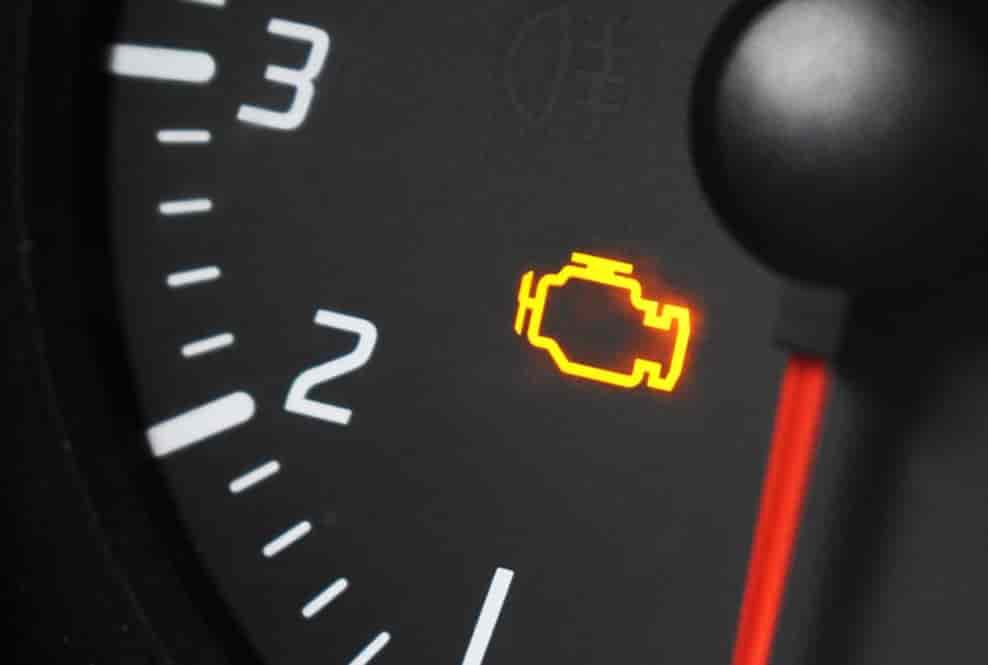
What Does “Starts Then Dies Immediately” Mean?
When your Silverado starts then dies immediately, the engine completes only part of the combustion process. It cranks, fires up, and runs for a brief moment. Then it shuts off before it can stabilize.
An engine needs three key elements to keep running. It requires air, fuel, and spark. These elements must work together with correct timing. If one element fails, the engine cannot continue running.
In this situation, your truck usually gets enough input to start. However, something interrupts the process right after ignition. The fuel system may fail to maintain pressure. A sensor may send incorrect data. The control module may also shut the engine down.
You can think of this as a broken chain. The engine starts because the first step works. Then one weak component breaks the sequence. As a result, the engine stalls almost instantly.
This behavior helps you narrow down the issue. Since the engine can start, key components like the starter and ignition still function. The problem usually comes from fuel delivery, sensors, or electronic control systems.
Understanding this makes diagnosis easier. Instead of guessing, you can focus on the systems that fail after startup. In the next section, you will learn the most common causes behind this issue.
Top Causes of Silverado Starts Then Dies Immediately
When your Silverado starts then dies immediately, one or more critical systems fail right after ignition. Below are the most common causes you should check first. Each one can interrupt the engine within seconds.
Fuel Pump Failure
The fuel pump plays a key role in keeping your engine alive after startup. It must deliver steady fuel pressure to the engine. When it starts to fail, your Silverado may crank and start normally. Then it dies because the fuel supply drops.
Common signs include difficulty starting, weak acceleration, or a whining noise from the fuel tank. In many cases, the engine runs for one or two seconds before shutting off. This happens because the initial fuel is enough to start the engine, but not enough to keep it running.
Faulty Mass Air Flow Sensor
The Mass Air Flow Sensor measures how much air enters the engine. It sends this data to the control module to calculate the correct fuel ratio. If the sensor fails, the engine receives incorrect information.
As a result, the air fuel mixture becomes unbalanced. The engine may start, but it cannot maintain stable combustion. This often leads to immediate stalling.
You may also notice rough idling, poor fuel economy, or hesitation when accelerating.
Bad Crankshaft Position Sensor
The crankshaft position sensor controls ignition timing. It tells the system when to fire the spark plugs. If it fails, the engine loses timing information.
Your Silverado may still start briefly because of residual signals. However, the system quickly shuts down when it cannot track engine rotation correctly. This results in a sudden stall.
This issue often appears randomly and may worsen over time.
Ignition Switch or Electrical Issue
The ignition switch controls power to many engine components. If it has a fault, it may cut power after startup. This creates a situation where the engine starts but cannot stay on.
Loose wiring, damaged relays, or blown fuses can also cause similar behavior. Electrical issues are often overlooked, but they can be the root cause.
Look for flickering dashboard lights or inconsistent power when diagnosing this problem.
Anti Theft System Malfunction
Modern Silverado models use a security system to prevent theft. If the system fails to recognize your key, it may shut down the engine immediately after starting.
In this case, the engine starts normally, then stops within seconds. You may also see a security warning light on the dashboard.
This problem often relates to key programming, sensors, or the vehicle’s control module.
Dirty Throttle Body or Idle Air Control Valve
The throttle body controls airflow into the engine. The idle air control valve helps maintain a stable idle speed. If either component becomes dirty, airflow gets restricted.
The engine may start, but it cannot get enough air to stay running. This leads to quick stalling, especially when the engine is cold.
Cleaning these components often solves the issue at a low cost.
Fuel Injector Problems
Fuel injectors deliver fuel directly into the engine. If they become clogged or fail, the engine cannot maintain proper combustion.
Your Silverado may start with the remaining fuel in the system. Then it stalls as soon as the injectors fail to deliver enough fuel.
Symptoms include misfires, rough running, and poor engine performance.
Each of these causes affects a critical part of the engine system. The key is to identify which one applies to your situation. In the next section, you will learn a step by step checklist to diagnose the problem quickly and accurately.
Step by Step Diagnosis Checklist
When your Silverado starts then dies immediately, you need a clear process to find the exact cause. Random guessing often leads to wasted time and money. This checklist helps you isolate the issue quickly and logically.
Step 1: Scan for OBD2 Trouble Codes
Start with an OBD2 scanner. This tool reads error codes stored in your vehicle’s system. These codes point you toward the affected component.
Focus on codes related to fuel system, sensors, or ignition. Even if the check engine light is off, hidden codes may still exist. This step gives you a strong starting point.
Step 2: Check Fuel Pressure
Fuel pressure plays a critical role after startup. If pressure drops too low, the engine cannot continue running.
Use a fuel pressure gauge to test the system. Compare the result with factory specifications. Low pressure often indicates a weak fuel pump or a clogged filter.
If the pressure looks unstable, you have likely found the problem.
Step 3: Inspect Key Sensors
Sensors control how your engine behaves. A faulty sensor can shut down the engine within seconds.
Focus on components like the Mass Air Flow Sensor and the Crankshaft Position Sensor. Check for dirt, damage, or loose connections.
If possible, clean the sensors or test them with a multimeter. Replacing a faulty sensor is often cheaper than major repairs.
Step 4: Check Electrical System
Electrical problems can cut power without warning. Inspect fuses, relays, and wiring connections carefully.
Look for corrosion, loose terminals, or burnt components. Pay attention to the ignition system, since it controls power after startup.
A small electrical fault can cause the engine to shut off instantly.
Step 5: Observe the Anti Theft System
Watch the dashboard for any security warning lights. If the anti theft system activates, it may shut down the engine on purpose.
Try using a spare key if available. You can also reset the system by disconnecting the battery for a few minutes.
If the issue disappears, the security system was likely the cause.
Step 6: Check Air Intake Components
Airflow problems often lead to stalling. Inspect the throttle body and air intake system.
If you notice carbon buildup, clean the throttle body carefully. Also check the idle air control valve if your model uses one.
Proper airflow helps the engine maintain a stable idle after starting.
Step 7: Test Fuel Injectors
If all previous steps look normal, check the fuel injectors. Listen for clicking sounds while the engine cranks. This indicates that the injectors are working.
You can also use injector cleaner or perform a professional cleaning. Faulty injectors may require replacement.
Following this checklist helps you move from simple checks to more advanced diagnostics. It reduces guesswork and increases your chances of fixing the issue correctly on the first attempt.
In the next section, you will learn how to fix these problems, whether you prefer a DIY approach or professional repair.
How to Fix the Problem
Once you identify why your Silverado starts then dies immediately, the next step is choosing the right fix. Some problems are simple and you can handle them at home. Others require professional tools and experience. The key is to match the solution with the actual cause.
DIY Fixes You Can Try First
Many common issues do not require expensive repairs. With basic tools and a careful approach, you can solve them yourself.
Start by cleaning the Mass Air Flow Sensor. Dirt and debris can block accurate readings. Use a proper MAF cleaner and avoid touching the sensor directly. This small fix often restores normal engine behavior.
Next, clean the throttle body. Carbon buildup restricts airflow and causes stalling. A throttle body cleaner and a soft cloth can remove the deposits. This improves idle stability right after startup.
You should also check the battery and wiring connections. Loose or corroded terminals can interrupt power. Tighten all connections and clean off any corrosion. This simple step can prevent sudden shutdowns.
If you suspect fuel quality, try adding a fuel injector cleaner. This helps remove minor clogs inside the injectors. In some cases, it can restore proper fuel flow without replacement.
When You Need Professional Repair
Some problems go beyond basic DIY fixes. If your diagnosis points to major components, it is better to seek professional help.
A failing fuel pump often requires full replacement. This job involves removing the fuel tank and using specialized tools. Most drivers should not attempt this at home.
A faulty Crankshaft Position Sensor may also need precise testing. Mechanics use advanced diagnostic equipment to confirm the issue before replacement.
Electrical problems can be even more complex. Tracing wiring faults or control module issues takes time and expertise. Incorrect repairs may create new problems.
In some cases, the vehicle may need ECU reprogramming. This process requires dealership level tools and software.
How to Avoid Wasting Money
Many Silverado owners spend too much because they replace parts without proper diagnosis. You can avoid this by following a logical process.
Always start with scanning error codes. Then confirm the issue with testing before replacing anything. Avoid guessing based on symptoms alone.
If you are unsure, it is better to pay for a professional diagnosis first. This often costs less than replacing the wrong part multiple times.
Fixing a Silverado that starts then dies immediately does not have to be overwhelming. With the right approach, you can solve the issue efficiently and control your repair costs.
In the next section, you will see a breakdown of typical repair costs so you can plan your budget with confidence.
Repair Costs Breakdown
Fixing a Silverado that starts then dies immediately can cost very little or become surprisingly expensive, depending on the root cause. Many drivers waste money because they replace parts too early without proper diagnosis. Understanding typical repair costs helps you make better decisions and avoid unnecessary expenses.
In many cases, the fuel pump is the most expensive component to replace. The total cost usually ranges from $300 to $900, including both parts and labor. This repair often requires removing the fuel tank, which increases labor time. If the fuel pump fails completely, your truck may stop running at any moment, so delaying this fix can create bigger problems.
Sensor related issues are more affordable but still critical. Replacing components like the Mass Air Flow Sensor or the Crankshaft Position Sensor typically costs between $50 and $250. If you have basic mechanical skills, you can install these parts yourself and reduce labor costs. However, incorrect installation may lead to further issues, so accuracy is important.
Electrical problems vary widely in cost because they depend on the complexity of the issue. A simple fuse replacement may cost less than $50, while repairing damaged wiring or connections can range from $100 to $500 or more. If the problem involves control modules, the cost can increase significantly due to diagnostic time and programming requirements.
Some of the cheapest fixes involve basic cleaning. Removing carbon buildup from the throttle body or cleaning sensors may cost only $20 to $100 if you do it yourself. These simple actions can sometimes solve the problem completely, especially when airflow or minor blockages cause the engine to stall.
The best way to save money is to act early and follow a proper diagnostic process. Small issues often become expensive repairs when ignored. Instead of guessing, you should always confirm the cause before replacing any parts. If you are unsure, paying for a professional inspection is often cheaper than replacing multiple components unnecessarily.
Is It Safe to Drive?
Driving a Silverado that starts then dies immediately is not safe in most situations. The engine may shut off without warning, which increases the risk of losing control, especially in traffic or at intersections. Even if the truck restarts, the problem can repeat at any time and create dangerous conditions.
This issue often signals a deeper problem in the fuel system, sensors, or electrical components. If the engine cannot stay running, it means one of the core systems fails right after ignition. Ignoring this warning can lead to more severe damage and higher repair costs over time.
In some cases, the truck may run for a short distance before stalling again. This creates a false sense of reliability. Many drivers continue using the vehicle until it completely breaks down. Unfortunately, this often results in being stranded or facing emergency repair situations.
If your Silverado shows this behavior, you should avoid driving it unless necessary. A short trip to a repair shop may be acceptable if the vehicle runs briefly, but long drives are risky. The safest approach is to diagnose and fix the issue as soon as possible.
Conclusion
A Silverado that starts then dies immediately can feel frustrating and unpredictable, but the issue is usually caused by specific and identifiable problems. In most cases, the root cause relates to fuel delivery, sensor failure, or electrical faults that interrupt the engine right after startup.
By understanding how the system works, you can narrow down the problem quickly. Instead of guessing, you can follow a logical diagnostic process and focus on the components most likely to fail. This approach not only saves time but also reduces unnecessary repair costs.
Simple fixes like cleaning sensors or checking connections can sometimes solve the issue. More complex problems, such as a failing fuel pump or faulty control system, may require professional help. The key is to act early before the situation becomes more serious.
If your Silverado starts then dies immediately, do not ignore it. Treat it as an early warning sign and take action right away. A proper diagnosis and timely repair will help you restore reliability and avoid unexpected breakdowns.
If you are still unsure about your specific symptoms, feel free to describe them. Getting the right insight early can save you both time and money.