The “Propulsion Power Is Reduced” warning on the Chevrolet Volt often worries many drivers. The vehicle shows this message when it limits engine and electric power to protect its systems. Drivers usually notice a sudden drop in acceleration and reduced performance while driving.
This warning does not appear randomly. The vehicle actively monitors key components such as the high voltage battery, inverter, cooling system, and control software. When the system detects abnormal readings, it triggers a protective mode. This mode reduces power output to prevent further damage.
Many drivers feel confused when this happens. The car still moves, but it no longer performs at normal strength. This is not a simple warning light. It signals that the vehicle has entered a safety controlled state.
You need to understand this condition clearly. It helps you avoid unnecessary panic and take the right action. The system activates this mode to protect expensive components like the battery and electric drive unit.
In this article, you will learn what this warning really means, why it happens, and how to fix it safely. You will also understand when the issue is minor and when it requires professional inspection.
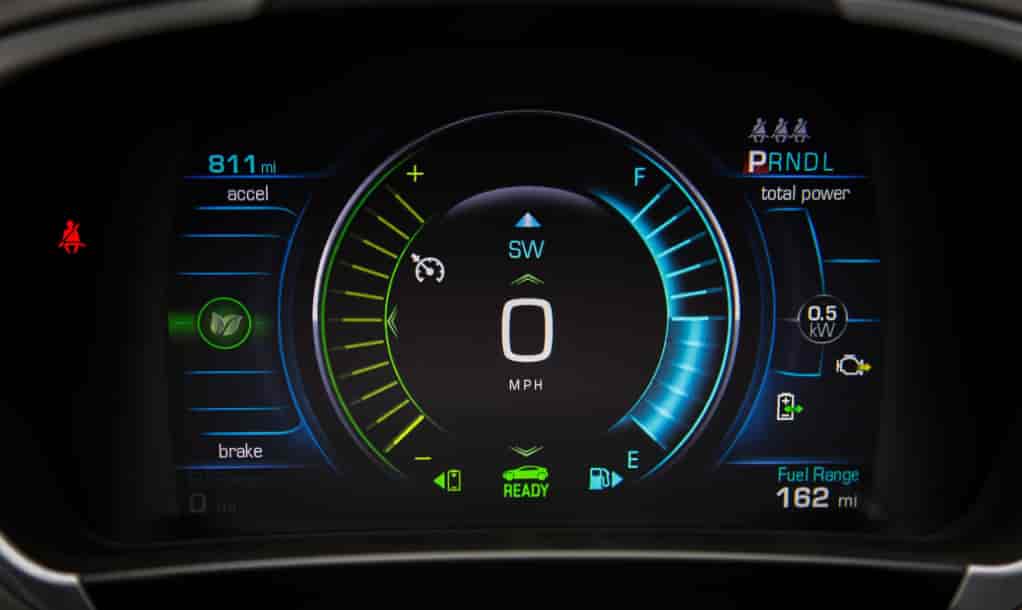
Meaning of “Propulsion Power Is Reduced”
The “Propulsion Power Is Reduced” message on the Chevrolet Volt means the vehicle has entered a limited performance mode. The system restricts power from both the electric motor and the gasoline engine to protect key components.
This condition is not a simple warning. It is a safety response built into the hybrid system. The car continuously monitors performance data from the battery, inverter, and control modules. When it detects abnormal readings, it reduces output immediately.
The goal is protection. The system tries to prevent damage to the high voltage battery, power electronics, and drive motor. It also helps avoid overheating or unstable voltage conditions.
In this mode, the vehicle still drives, but performance drops significantly. Acceleration becomes weaker. Speed may feel limited. The car prioritizes safety over power.
Many drivers compare this mode to a “limp mode.” The concept is similar. The system allows the car to move but removes normal performance capability.
This warning also helps the driver react early. It signals that one or more critical systems need inspection. Ignoring it can lead to more serious and expensive damage later.
Understanding this meaning helps you respond correctly. You should not treat it as a random error. It is an active protection strategy designed to keep the vehicle safe.
Causes of “Propulsion Power Is Reduced”
The “Propulsion Power Is Reduced” warning on the Chevrolet Volt appears when the system detects a fault in one or more critical components. The vehicle then limits power to protect the hybrid system.
High Voltage Battery Issues
The most common cause is a problem with the high voltage battery. The battery may lose capacity over time. It can also show imbalance between cells. When this happens, the system reduces power to prevent instability.
High temperature inside the battery can also trigger this warning. The system reacts quickly when it detects unsafe thermal conditions.
Inverter or Power Electronics Failure
The inverter controls energy flow between the battery and electric motor. If it overheats or fails, the vehicle cannot deliver stable power. The system then switches to reduced propulsion mode.
Even small irregularities in voltage conversion can trigger protection mode.
Cooling System Malfunction
The cooling system keeps the battery and inverter at safe temperatures. If the cooling fan stops working or coolant flow becomes weak, heat builds up quickly.
The system detects this risk and limits power output to avoid damage.
Software or Control Module Errors
The vehicle depends on software to manage hybrid operation. A bug in the ECU or outdated firmware can cause incorrect readings.
When the system receives inconsistent data, it activates protection mode as a precaution.
Sensor or Communication Faults
The car uses multiple sensors to monitor voltage, temperature, and current. If a sensor fails or sends incorrect data, the system may assume a risk exists.
In this case, it reduces propulsion power even if the hardware is still physically fine.
Symptoms of “Propulsion Power Is Reduced”
When the “Propulsion Power Is Reduced” warning appears on the Chevrolet Volt, the vehicle immediately changes how it performs to protect its hybrid system. The most obvious symptom is a sudden drop in acceleration. The car feels slower than normal even when the driver presses the accelerator harder. This happens because the system actively limits power output to reduce stress on critical components such as the battery and inverter.
Another common symptom is a reduced maximum speed. The vehicle may struggle to reach normal highway speeds and often caps performance at a lower level. This restriction helps prevent further strain on the hybrid system while the issue is active. At the same time, the dashboard displays the warning message clearly, and in some cases, additional alerts may appear depending on the detected fault.
Drivers may also notice changes in how the engine or electric motor delivers power. The response becomes less smooth and less consistent. The system adjusts output dynamically to maintain stability and safety. In some situations, the cooling system becomes more active. Fans may run louder or more frequently because the vehicle tries to control rising temperatures inside the battery or power electronics.
Another important symptom is intermittent recovery of performance. The vehicle may temporarily return to normal operation, but the warning often reappears if the root cause is not resolved. These combined symptoms indicate that the vehicle has entered a protective mode and requires proper diagnosis to prevent further damage.
How to Diagnose “Propulsion Power Is Reduced”
When the “Propulsion Power Is Reduced” warning appears on the Chevrolet Volt, proper diagnosis is important before attempting any repair. The vehicle enters a protection mode because it detects abnormal signals from key systems such as the battery, inverter, or control modules. To find the exact cause, you need a structured diagnostic process.
The first step is to use an OBD2 scanner to read fault codes from the vehicle. These codes provide direct information about which system triggered the warning. Common codes often relate to high voltage battery imbalance, inverter malfunction, or temperature irregularities. Without reading these codes, it is difficult to identify the root cause accurately.
The next step is to check the high voltage battery condition. The system may show uneven cell voltage or reduced battery capacity. These issues often trigger power limitation because the system tries to prevent further degradation. Temperature data is also important. If the battery or inverter runs too hot, the system will immediately reduce propulsion power.
After that, you should inspect the cooling system. A weak cooling fan or blocked coolant flow can cause overheating. This condition often leads directly to performance restriction. The vehicle reduces power to keep internal components within safe temperature limits.
You also need to evaluate software and control modules. Outdated firmware or communication errors between modules can send incorrect signals to the system. In such cases, the vehicle may activate protection mode even when hardware is still functioning normally.
A complete diagnosis combines all these checks. You should not rely on a single symptom. Instead, you need to confirm data from codes, battery status, thermal readings, and system communication. This approach helps identify the exact cause and prevents unnecessary repairs.
How to Fix “Propulsion Power Is Reduced” Safely
When the “Propulsion Power Is Reduced” warning appears on the Chevrolet Volt, you should focus on safe and structured troubleshooting. The system activates this mode to protect critical components, so incorrect handling can make the issue worse.
The first safe step is to restart the vehicle. In some cases, the warning appears due to temporary software glitches. Turning the car off, waiting a few minutes, and restarting it may clear the condition if the issue is not persistent.
If the warning remains, you should check for software updates. The vehicle relies heavily on control software to manage hybrid performance. Outdated firmware can cause incorrect system behavior. Updating the ECU software can resolve certain false triggers or communication errors.
Next, inspect the cooling system. Make sure the cooling fans are working properly and there are no blockages in airflow. Overheating is one of the most common reasons the system reduces power. If the cooling system fails, the vehicle will continue limiting performance to protect the battery and inverter.
You should also check battery health using diagnostic tools. Uneven voltage between battery cells or reduced capacity can trigger permanent power limitation. This condition usually requires professional servicing or battery balancing procedures.
If the issue continues after basic checks, you should avoid further DIY attempts. High voltage systems are sensitive and dangerous without proper tools. At this stage, the best action is to bring the vehicle to a certified technician. They can perform advanced diagnostics, isolate faulty components, and safely repair or replace parts if needed.
Proper handling ensures safety and prevents additional damage to the hybrid system.
How to Prevent “Propulsion Power Is Reduced” Issue
Preventing the “Propulsion Power Is Reduced” warning on the Chevrolet Volt requires consistent maintenance and proper driving habits. Since this warning often relates to the hybrid system, battery health, and thermal control, prevention focuses on keeping these systems stable over time.
Regular maintenance is the most important step. You should service the cooling system on schedule to ensure proper airflow and coolant circulation. A well functioning cooling system helps prevent overheating in the battery and inverter, which are two of the most common triggers for power reduction.
Battery health also plays a key role. You should avoid deep discharging the battery frequently. Keeping the battery within a healthy charge range reduces stress on individual cells and helps maintain voltage balance. This directly lowers the risk of system instability.
Software updates are another important factor. The vehicle depends on control modules to manage energy flow and system protection. Installing updates when available helps fix known bugs and improves system stability. Many propulsion power issues are linked to outdated firmware or calibration errors.
Driving behavior also affects system performance. Aggressive acceleration or continuous high load driving can increase heat and strain on the hybrid system. Smooth and consistent driving helps maintain stable power delivery and reduces stress on critical components.
Finally, pay attention to early warning signs. If you notice reduced performance, unusual cooling activity, or intermittent alerts, you should inspect the vehicle early. Early detection prevents small issues from developing into full system protection mode.
By following these steps, you can significantly reduce the chance of encountering propulsion power reduction and maintain long term system reliability.
When You Should Visit a Dealer
If the “Propulsion Power Is Reduced” warning keeps appearing on the Chevrolet Volt, you should not rely on basic troubleshooting. At this point, the system is likely detecting a deeper fault in the hybrid powertrain that requires professional diagnosis.
You should visit a certified dealer when the warning returns repeatedly after a restart. Temporary glitches may clear once, but recurring alerts often indicate a real system issue. This usually involves the high voltage battery, inverter, or control modules.
Another clear sign is a significant and permanent loss of power. If the vehicle cannot regain normal acceleration even after short stops or resets, the system has likely entered a persistent protection mode. This condition requires advanced diagnostic tools that only a dealer or specialized technician can access.
You should also seek professional help if multiple warning messages appear together. Combined alerts often indicate communication failures between system modules or serious electrical instability. These issues cannot be reliably diagnosed with basic OBD2 tools.
Unusual heat behavior is another important signal. If the cooling system runs constantly or the vehicle shows signs of overheating without improvement, the risk increases. Continuing to drive in this condition may cause further damage to expensive hybrid components.
Finally, if software updates and basic fixes do not resolve the issue, professional inspection becomes necessary. Dealers can run deep system scans, test battery modules individually, and reprogram control units if needed.
Seeking early professional diagnosis helps prevent costly repairs and ensures the vehicle operates safely. Ignoring persistent warnings can lead to more severe failures in the hybrid system over time.
Conclusion
The “Propulsion Power Is Reduced” warning on the Chevrolet Volt is not a simple error message. It is a protective response from the hybrid system designed to prevent serious damage to key components such as the battery, inverter, and cooling system. When this warning appears, the vehicle actively limits performance to maintain safe operating conditions.
Most cases come from a few main sources. Battery issues, overheating, software errors, or communication faults between control modules often trigger this condition. In all cases, the system reacts the same way by reducing propulsion power to protect itself.
Understanding this behavior helps drivers avoid unnecessary panic. The vehicle is not failing immediately, but it is signaling that something requires attention. Early diagnosis is important because small issues can develop into costly repairs if ignored for too long.
Simple actions such as restarting the vehicle, checking for software updates, and monitoring cooling performance can sometimes resolve temporary issues. However, repeated warnings or persistent power loss always require professional inspection.
Proper maintenance plays a key role in prevention. Keeping the cooling system clean, maintaining healthy battery usage habits, and updating software regularly can significantly reduce the risk of this warning appearing.
In summary, this condition should always be taken seriously. It acts as an early protection system that helps preserve the long term health of the hybrid drivetrain. Responding correctly and early ensures safer driving and helps avoid expensive damage in the future.