When your Chevrolet suddenly displays the message “Chevy Service Battery Charging System” on the dashboard, it is not something you should casually ignore. Many drivers experience this warning at the worst possible moment, such as during a long trip or right before an important commute. The immediate fear is real. Will the car stop running? Is the battery about to die? And more importantly, how much will this cost to fix?
This warning is directly tied to your vehicle’s electrical system, which powers everything from ignition to headlights. If the charging system fails, your battery will not receive the energy it needs to function. That means your car could shut down unexpectedly, leaving you stranded and potentially facing expensive towing or repair bills.
In this guide, we will break down exactly what the Chevy Service Battery Charging System warning means, why it happens, and how you can fix it quickly and efficiently. You will also learn the early warning signs that most drivers overlook, helping you avoid costly repairs and dangerous situations. By the end, you will have a clear understanding of how to protect your vehicle and keep it running smoothly.
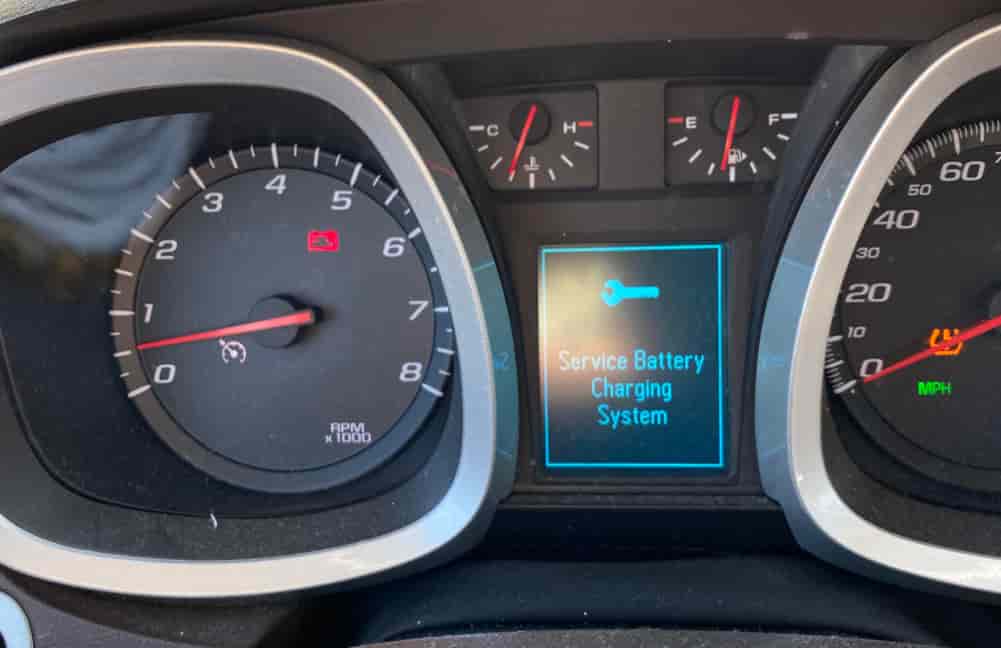
What Does “Service Battery Charging System” Mean on a Chevy?
When your Chevrolet displays the message “Service Battery Charging System,” it is essentially telling you that something is wrong with the vehicle’s electrical charging process. This system is responsible for generating, storing, and distributing electrical power while your car is running. If any part of it fails, the battery will not charge properly, and your vehicle may rely solely on stored power until it runs out.
To understand this better, you need to look at the three main components involved. The battery stores electrical energy and provides the initial power needed to start the engine. The alternator generates electricity once the engine is running and recharges the battery continuously. The voltage regulator ensures that the electrical output remains stable and does not damage sensitive components.
Under normal conditions, these parts work together seamlessly. The alternator produces power, the regulator controls the voltage, and the battery stores excess energy for later use. However, when the system detects irregular voltage levels or charging failures, it triggers the warning message to alert you before the problem becomes critical.
This is not just a minor notification. It is an early warning system designed to prevent sudden breakdowns. Ignoring it can lead to a complete loss of electrical power, which means your engine could stall without warning. Understanding this message is the first step toward diagnosing the issue and avoiding more serious damage.
Warning Signs You Shouldn’t Ignore
The “Chevy Service Battery Charging System” warning rarely appears without other symptoms. In most cases, your vehicle gives subtle signs before the situation becomes serious. Recognizing these early signals can help you act quickly and avoid being stranded with a dead car.
One of the most common signs is dim or flickering headlights. When the charging system is not working properly, your vehicle cannot supply consistent electrical power. As a result, lights may appear weaker than usual, especially at night or when multiple systems are running at the same time. This is often an early indicator that the alternator is struggling.
Another warning sign is difficulty starting the engine. If your battery is not receiving enough charge, it may not have the power needed to start the car smoothly. You might notice slow cranking or hear a clicking sound when turning the key. Many drivers mistake this for a simple battery issue, but it is often linked to a deeper charging system problem.
You may also experience electrical malfunctions inside the vehicle. Features like power windows, infotainment systems, or dashboard displays can behave unpredictably. They may respond slowly or stop working altogether. This happens because the system is prioritizing essential functions while struggling to distribute limited power.
In more severe cases, your car may stall unexpectedly while driving. This is one of the most dangerous outcomes. Once the battery is fully drained and the alternator cannot supply enough energy, the engine will shut off. At that point, you could lose control systems such as power steering, creating a serious safety risk.
These warning signs are your vehicle’s way of asking for immediate attention. Ignoring them can turn a manageable repair into a costly and stressful situation.
Top Causes of Chevy Service Battery Charging System Error
Understanding the root causes of the “Chevy Service Battery Charging System” warning is essential if you want to fix the issue effectively. This error is not random. It usually points to one or more components in the charging system failing or underperforming. Identifying the exact cause will help you avoid unnecessary repairs and save money.
One of the most common causes is a failing alternator. The alternator is responsible for generating electricity while the engine is running. When it starts to wear out, it cannot produce enough power to recharge the battery. This leads to voltage drops and triggers the warning message. You may also notice dim lights or electrical instability when this happens.
Another frequent issue is a weak or dying battery. Over time, car batteries lose their ability to hold a charge. Extreme temperatures, frequent short trips, or simply age can accelerate this process. When the battery cannot store enough energy, the system struggles to maintain stable performance, resulting in the warning alert.
Loose or corroded battery cables are also a common culprit. The charging system depends on solid electrical connections. If the cables are not tightly secured or are covered in corrosion, the flow of electricity becomes inconsistent. This can confuse the system and cause it to display an error even if the main components are still functional.
A faulty voltage regulator can also trigger this issue. This component controls how much voltage is sent to the battery. If it sends too much or too little power, it can damage the battery or prevent it from charging properly. In both cases, the system will detect abnormal behavior and activate the warning.
Finally, blown fuses or damaged wiring can interrupt the electrical circuit. Modern vehicles rely heavily on sensors and control modules. Even a small wiring issue can disrupt communication within the system and lead to inaccurate readings or complete charging failure.
Each of these causes varies in severity, but they all require attention. Ignoring the root problem will only make the situation worse and increase repair costs over time.
How to Fix Chevy Service Battery Charging System
Fixing the “Chevy Service Battery Charging System” issue requires a clear and methodical approach. While some problems are simple enough to handle at home, others may require professional tools and expertise. The key is to identify the source of the problem before taking action.
Start by checking the battery. This is the easiest and most common place to begin. Look for visible signs such as corrosion on the terminals, loose connections, or a swollen battery case. Cleaning the terminals and tightening the cables can sometimes resolve the issue immediately. If the battery is more than three to five years old, it may be time to replace it.
Next, test the alternator. You can use a voltmeter to measure the voltage while the engine is running. A healthy charging system typically produces around 13.5 to 14.5 volts. If the reading is lower or unstable, the alternator may not be generating enough power. In this case, replacement is often the most reliable solution.
You should also inspect the battery cables and wiring. Even a small amount of corrosion or a slightly loose connection can interrupt the flow of electricity. Make sure all connections are clean, tight, and free from damage. If you notice frayed wires or burnt connectors, they should be repaired or replaced immediately.
Another step is to check the fuses and voltage regulator. A blown fuse can stop the charging system from working altogether. The voltage regulator, often integrated into the alternator in modern vehicles, should also be tested to ensure it is maintaining a stable output.
If you have completed these steps and the warning still appears, it is best to take your vehicle to a professional technician. Modern vehicles have complex electrical systems, and advanced diagnostic tools may be needed to pinpoint the exact issue.
Taking action early can save you from more serious problems. A small repair today is always better than a complete system failure later.
Repair Cost Breakdown
When the “Chevy Service Battery Charging System” warning appears, one of the biggest concerns for most drivers is the cost of repair. The good news is that the total expense can vary widely depending on the root cause. Understanding these costs in advance helps you avoid being overcharged and prepares you for the next step.
The most affordable fix is usually replacing the battery. A standard car battery typically costs between 100 and 300 dollars, depending on the brand and specifications. If the issue is simply a weak or aging battery, this is a quick and relatively inexpensive solution that can restore your vehicle’s performance immediately.
If the alternator is the problem, the cost will be higher. Replacing an alternator generally ranges from 300 to 800 dollars, including parts and labor. This component plays a critical role in generating power, so it is not something you should delay fixing. A failing alternator can quickly drain a new battery, leading to repeated issues.
Labor costs also contribute to the total expense. Depending on your location and the complexity of the repair, labor can range from 50 to 150 dollars. Some vehicles require more time to access components, which can increase the final bill.
Minor issues such as cleaning corroded terminals or tightening loose cables may cost very little if you handle them yourself. In some cases, a simple fix like replacing a fuse can solve the problem for just a few dollars. This is why early diagnosis is so important. Catching the issue early can save you hundreds of dollars.
Overall, the total repair cost depends on how quickly you act and which component has failed. Addressing the warning early is the best way to keep expenses under control and avoid more serious damage.
Is It Safe to Drive with This Warning?
The short answer is no. When your Chevrolet displays the “Chevy Service Battery Charging System” warning, continuing to drive is risky and should only be considered in very limited situations.
This warning indicates that your vehicle is not charging the battery properly. That means your car is running on stored electrical power, which will eventually run out. Once the battery is depleted, the engine can shut off without warning. This is especially dangerous if it happens while you are driving at high speed or in heavy traffic.
Another serious concern is the loss of essential systems. As the battery weakens, components like power steering, braking assistance, and dashboard controls may stop functioning correctly. This can significantly reduce your ability to control the vehicle and react to sudden situations on the road.
There are a few cases where you might be able to drive a short distance. For example, if the warning just appeared and the car is still running normally, you may carefully drive to the nearest repair shop. However, this should only be done if the distance is short and there are no additional warning signs such as dim lights or engine hesitation.
Even in these situations, you should minimize electrical usage. Turn off non essential systems like air conditioning, infotainment, and extra lighting to preserve battery power for as long as possible.
Ultimately, this warning is not something to delay. The safest and most cost effective decision is to diagnose and fix the problem as soon as possible before it leads to a complete breakdown.
Preventive Tips to Avoid Charging System Issues
Preventing the “Chevy Service Battery Charging System” warning is always easier and cheaper than fixing it after it appears. A few simple habits can significantly extend the life of your vehicle’s charging system and help you avoid unexpected breakdowns.
One of the most important steps is regular battery inspection. You should check the battery terminals for corrosion and ensure the connections are tight. Even a small buildup of dirt or oxidation can interfere with the electrical flow and reduce performance over time. Cleaning the terminals periodically can make a noticeable difference.
It is also important to monitor your battery’s age. Most car batteries last between three to five years. If your battery is approaching this range, consider testing or replacing it before problems start. Waiting until it fails completely often leads to inconvenient and stressful situations.
Another key habit is driving your car regularly. Vehicles that sit unused for long periods tend to experience battery drain. Short trips can also prevent the battery from fully charging. Taking your car on longer drives occasionally helps the alternator recharge the battery properly and maintain system balance.
You should also pay attention to early warning signs. Dim lights, slow engine starts, or unusual electrical behavior are often the first indicators of a problem. Addressing these signs early can prevent more serious damage to components like the alternator or voltage regulator.
Finally, routine maintenance by a professional technician can help detect hidden issues. Modern vehicles have complex electrical systems, and a periodic inspection ensures everything is functioning as expected.
By following these preventive measures, you can reduce the risk of encountering charging system problems and keep your vehicle running reliably.
Conclusion
The “Chevy Service Battery Charging System” warning is not just another dashboard message. It is a critical alert that something in your vehicle’s electrical system needs immediate attention. From a failing alternator to a weak battery or even a simple loose connection, the causes can vary, but the consequences of ignoring them are often costly and inconvenient.
Throughout this guide, you have learned how the charging system works, the warning signs to watch for, and the most common causes behind this issue. More importantly, you now understand how to fix the problem and what it might cost, giving you the confidence to take action quickly.
The key takeaway is simple. Do not ignore early symptoms. Acting early can save you money, prevent unexpected breakdowns, and keep you safe on the road. Whether you choose a quick DIY fix or visit a professional, addressing the issue promptly is always the best decision.
Have you ever experienced this warning on your Chevy? Sharing your experience can help others avoid the same problem and find the right solution faster.